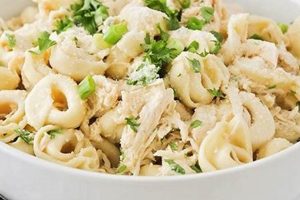
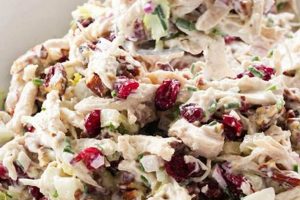
A vibrant and healthful dish, this culinary creation typically features grilled or roasted chicken breast combined with classic Mediterranean ingredients. These often include cucumbers, tomatoes, red onion, olives, feta cheese, and a lemon-herb vinaigrette. Variations might incorporate other regional staples such as artichoke hearts, bell peppers, or chickpeas. A simple yet satisfying meal, it can be enjoyed as a light lunch, a refreshing dinner, or a flavorful component of a larger spread.
The popularity of this dish stems from its nutritional value and adaptability. Lean protein from the chicken, coupled with the abundance of fresh vegetables, offers a balanced and wholesome meal option. The Mediterranean diet, renowned for its health benefits, emphasizes fresh, whole foods and healthy fats, principles reflected in this salad. Its versatility extends to ingredient substitutions and serving options, accommodating diverse dietary needs and preferences. The vibrant flavors and colors make it an appealing choice for both casual and more formal occasions.
Further exploration will delve into specific ingredient choices, variations on the basic formula, preparation techniques, and nutritional information. Guidance on optimal ingredient combinations, dressing preparation, and presentation suggestions will also be provided.
Tips for a Superior Mediterranean Chicken Salad
Optimizing ingredient selection and preparation techniques elevates this simple salad to a culinary masterpiece. Attention to detail ensures a flavorful and visually appealing dish.
Tip 1: Quality Chicken is Key: Opt for high-quality, boneless, skinless chicken breasts. Grilling or roasting enhances flavor, but poaching or pan-frying are viable alternatives. Ensure the chicken is cooked thoroughly but remains moist.
Tip 2: Freshness Matters: Utilize the freshest vegetables available. Ripe, in-season produce maximizes flavor and vibrancy. Thoroughly wash and dry all vegetables before chopping or slicing.
Tip 3: Uniformity in Cutting: Consistent chopping ensures even distribution of ingredients and enhances presentation. Aim for bite-sized pieces that blend harmoniously.
Tip 4: Elevate with Herbs: Fresh herbs amplify the Mediterranean character. Parsley, mint, oregano, and dill are excellent choices. Incorporate herbs into both the salad and the dressing.
Tip 5: The Art of the Vinaigrette: A well-balanced vinaigrette is crucial. A classic combination involves extra virgin olive oil, lemon juice, garlic, and Dijon mustard. Adjust seasonings to taste.
Tip 6: Feta: A Flavorful Foundation: High-quality feta cheese contributes a salty, tangy dimension. Crumble the feta rather than slicing for optimal distribution.
Tip 7: Consider Kalamata Olives: Kalamata olives provide a briny, robust flavor that complements other ingredients. Ensure olives are pitted before adding them to the salad.
Tip 8: Timing is Everything: Dress the salad just before serving to prevent the vegetables from becoming soggy. This preserves the crispness and texture of the salad components.
By following these guidelines, one can achieve a flavorful and satisfying Mediterranean chicken salad, maximizing the nutritional and aesthetic potential of this versatile dish.
These tips provide a foundation for crafting a truly exceptional salad. The subsequent conclusion offers final thoughts and serving suggestions.
1. Grilled Chicken

Grilled chicken forms a cornerstone of the Mediterranean chicken salad, contributing significantly to its nutritional value and overall appeal. The grilling process imparts a smoky char and enhances the inherent flavor of the chicken, creating a desirable textural contrast to the fresh vegetables and creamy feta. This method also promotes healthier eating as it reduces the need for added fats during cooking. The lean protein in grilled chicken provides satiety, making the salad a substantial and fulfilling meal. For instance, a simple marinade of olive oil, lemon juice, garlic, and oregano before grilling can infuse the chicken with quintessential Mediterranean flavors, further integrating it into the overall composition of the salad. This preparation method also avoids excessive salt or unhealthy additives often found in pre-cooked or processed chicken options.
Furthermore, the versatility of grilled chicken allows for variations within the Mediterranean chicken salad framework. Different marinades, from herby and bright to smoky and spicy, can transform the salad’s character. The chicken can be grilled whole and then sliced, or diced and grilled, offering flexibility in presentation and texture. This adaptability caters to a range of preferences and dietary needs. One could, for example, use a lemon-herb marinade for a lighter flavor profile, or a paprika-based marinade for a spicier kick. The choice of marinade also influences the overall nutritional value, as some ingredients, like fresh herbs and spices, add beneficial antioxidants.
In conclusion, grilled chicken is not merely a protein source but an integral component that elevates the Mediterranean chicken salad. Its flavor, texture, and nutritional contribution are essential to the dish’s success. Understanding its importance allows for informed choices regarding preparation and integration with other ingredients, ultimately optimizing the overall dining experience. Selecting high-quality chicken and employing proper grilling techniques ensures a flavorful, healthy, and satisfying salad. This emphasis on quality ingredients and mindful preparation contributes to a healthier lifestyle and underscores the connection between food and well-being.
2. Fresh Vegetables

Fresh vegetables are essential to a Mediterranean chicken salad recipe, providing not only crucial nutrients but also vibrant flavors, colors, and textures that contribute significantly to the dish’s overall appeal and health benefits. Their presence aligns with the principles of the Mediterranean diet, which emphasizes fresh, whole foods. The selection and preparation of these vegetables directly influence the final quality and character of the salad.
- Nutritional Powerhouse:
Fresh vegetables offer a wealth of vitamins, minerals, and antioxidants. In a Mediterranean chicken salad, ingredients like tomatoes contribute lycopene, cucumbers provide hydration and electrolytes, and bell peppers offer vitamin C. These nutrients contribute to overall health and well-being, aligning with the health-conscious nature of the Mediterranean diet. The emphasis on fresh produce maximizes nutrient retention, unlike processed or cooked vegetables which may lose some nutritional value. This nutritional density makes the salad a wholesome and satisfying meal choice.
- Flavor and Texture Enhancement:
The variety of fresh vegetables introduces a complex interplay of flavors and textures. Crisp cucumbers and bell peppers contrast with juicy tomatoes and briny olives, creating a multi-sensory experience. This diversity keeps the palate engaged and prevents the salad from becoming monotonous. Furthermore, the inherent sweetness of certain vegetables, such as bell peppers, balances the saltiness of feta and olives, contributing to a well-rounded flavor profile. The choice of specific vegetables allows for customization based on individual preferences.
- Visual Appeal:
The vibrant colors of fresh vegetables the deep red of tomatoes, the bright green of cucumbers, the varied hues of bell peppers enhance the visual appeal of the Mediterranean chicken salad. This vibrancy makes the dish more attractive and appetizing, increasing its perceived freshness and quality. A visually appealing salad is more enticing and contributes to a more enjoyable dining experience. The careful selection and arrangement of colorful vegetables can even elevate the salad to a centerpiece-worthy dish.
- Versatility and Adaptability:
The range of suitable fresh vegetables provides flexibility in adapting the Mediterranean chicken salad to individual preferences and seasonal availability. While core ingredients like cucumbers and tomatoes are typically included, additions such as artichoke hearts, red onion, or avocado can introduce unique flavors and textures. This adaptability allows for year-round enjoyment, utilizing in-season produce for optimal flavor and nutritional value. Furthermore, ingredient substitutions can accommodate dietary restrictions or preferences, making the salad a versatile option for diverse groups.
The inclusion of fresh vegetables is paramount in a Mediterranean chicken salad. Their contribution extends beyond mere nutrition; they significantly impact the flavor, texture, and visual appeal of the dish, highlighting the importance of fresh, whole foods within the Mediterranean culinary tradition. This emphasis on fresh, seasonal ingredients aligns with a health-conscious approach to eating, emphasizing the interconnectedness of food, flavor, and well-being. The versatility offered by the wide array of suitable vegetables allows for customization and adaptability, ensuring a consistently satisfying and nutritious meal.
3. Mediterranean Herbs
Mediterranean herbs constitute a defining characteristic of the Mediterranean chicken salad, contributing significantly to its distinctive flavor profile and aromatic complexity. Their inclusion not only enhances the culinary experience but also aligns with the health-focused principles of the Mediterranean diet, which emphasizes the use of fresh, natural ingredients. Understanding the role and impact of these herbs is crucial for crafting an authentic and flavorful salad.
- Flavor Enhancement:
Mediterranean herbs impart a unique blend of aromatic and savory notes to the salad. Oregano provides a slightly peppery, earthy flavor, while mint adds a refreshing coolness. Dill contributes a subtle grassy note, and parsley offers a mild, fresh taste. The combination of these herbs creates a complex flavor profile that complements the other ingredients, such as grilled chicken, feta cheese, and fresh vegetables. The specific blend and quantity of herbs used can be adjusted to achieve different flavor profiles, from bright and herbaceous to savory and robust.
- Aromatic Complexity:
Beyond flavor, Mediterranean herbs introduce an aromatic dimension to the salad. The fragrant oils released by these herbs, especially when freshly chopped or torn, enhance the sensory experience of consuming the salad. The aroma of oregano, for instance, evokes a sense of warmth and earthiness, while the refreshing scent of mint adds a touch of brightness. This aromatic complexity contributes to the overall appeal of the dish and elevates it beyond a simple combination of ingredients.
- Nutritional Benefits:
Many Mediterranean herbs possess beneficial properties beyond their culinary contributions. Oregano and mint, for instance, are known for their antioxidant properties. These compounds can help protect cells from damage and contribute to overall well-being. Including these herbs in the salad adds a nutritional dimension, aligning with the health-conscious principles of the Mediterranean diet. This emphasis on natural ingredients with potential health benefits distinguishes the Mediterranean chicken salad from less nutritious alternatives.
- Culinary Versatility:
The versatility of Mediterranean herbs allows for customization and adaptation of the salad to individual preferences. While a classic combination might include oregano, mint, parsley, and dill, other herbs such as thyme, rosemary, or marjoram can also be incorporated to create unique flavor profiles. This adaptability allows for experimentation and personalization, making the Mediterranean chicken salad a versatile dish that can be tailored to specific tastes and dietary needs. Furthermore, the use of fresh herbs can be adapted based on seasonal availability, ensuring optimal flavor and freshness throughout the year.
The inclusion of Mediterranean herbs in the salad is more than just a culinary flourish; it is a defining characteristic that contributes to the dishs flavor, aroma, and nutritional value. The careful selection and combination of these herbs elevates the Mediterranean chicken salad from a simple meal to a flavorful and aromatic culinary experience, reflecting the essence of Mediterranean cuisine. Their presence underscores the interconnectedness of flavor, nutrition, and cultural tradition within this culinary style.
4. Tangy Feta Cheese

Tangy feta cheese plays a crucial role in a Mediterranean chicken salad, contributing a distinct salty, tangy flavor and a creamy texture that complements the other ingredients. Its presence aligns with the broader culinary traditions of the Mediterranean region, where feta is a staple ingredient. Understanding feta’s characteristics and its impact on the salad is essential for achieving the desired balance of flavors and textures.
- Flavor Profile:
Feta’s characteristic tanginess stems from its brining process, which imparts a salty and slightly acidic flavor. This tanginess provides a counterpoint to the other ingredients, balancing the sweetness of the vegetables and the richness of the chicken. The intensity of the tang can vary depending on the specific type of feta, with some varieties being milder and others more assertive. This allows for customization of the salad’s overall flavor profile based on individual preferences.
- Textural Contribution:
Feta’s crumbly texture adds another dimension to the salad, contrasting with the crispness of the vegetables and the tenderness of the chicken. Crumbling the feta, rather than slicing it, ensures even distribution throughout the salad and allows the tangy flavor to permeate the dish. This textural variation prevents the salad from becoming monotonous and enhances the overall sensory experience.
- Cultural Significance:
Feta cheese holds a significant place in Mediterranean cuisine, reflecting the region’s history and culinary traditions. Its inclusion in the salad reinforces the dish’s Mediterranean identity and adds an element of authenticity. Furthermore, feta’s widespread availability and affordability make it a readily accessible ingredient for those seeking to recreate the flavors of the Mediterranean at home.
- Nutritional Value:
Feta, while a source of saturated fat, also provides calcium and protein. These nutrients contribute to the overall nutritional profile of the salad, aligning with the health-conscious principles of the Mediterranean diet. The quantity of feta used can be adjusted to balance flavor and nutritional considerations. Furthermore, opting for lower-sodium varieties can further enhance the healthfulness of the salad.
The inclusion of tangy feta cheese is integral to a successful Mediterranean chicken salad. Its distinctive flavor, crumbly texture, cultural significance, and nutritional contribution combine to elevate the dish beyond a simple combination of ingredients. Understanding feta’s role allows for informed choices regarding its selection and integration with other components, ensuring a balanced and flavorful final product that truly captures the essence of Mediterranean cuisine.
5. Briny Olives
Briny olives represent a crucial element within a Mediterranean chicken salad, contributing a distinct salty, savory flavor and a firm texture that complements the other components. Their inclusion resonates with the broader culinary traditions of the Mediterranean region, where olives are a staple food. Understanding the impact of olives on the salad’s overall composition is essential for achieving a well-balanced and authentic flavor profile.
The saltiness of brined olives provides a counterpoint to the other ingredients, balancing the acidity of the vinaigrette and the richness of the chicken. This salinity also enhances the perception of other flavors within the salad, making the overall taste experience more vibrant. The choice of olive variety influences the intensity of saltiness and can introduce subtle flavor nuances. Kalamata olives, for example, offer a robust, briny flavor, while Castelvetrano olives provide a milder, buttery taste. This allows for customization of the salad’s flavor profile based on individual preferences. Furthermore, the firm texture of olives contrasts with the softer textures of the chicken and vegetables, creating a more interesting and satisfying mouthfeel. This textural contrast prevents the salad from feeling monotonous and enhances the overall dining experience. Practical applications include using pitted olives for ease of consumption and incorporating a variety of olive types to achieve a complex flavor profile.
The inclusion of brined olives in a Mediterranean chicken salad is not merely a culinary tradition; it serves a distinct purpose in balancing flavors and adding textural complexity. The choice of olive variety and preparation method can significantly influence the final outcome, highlighting the importance of understanding the role of each ingredient in creating a cohesive and flavorful dish. This careful consideration of individual components ultimately contributes to a more satisfying and authentic Mediterranean culinary experience.
6. Lemon Vinaigrette
Lemon vinaigrette forms an integral part of a Mediterranean chicken salad recipe, serving as a unifying element that binds the diverse ingredients and enhances their individual flavors. This vinaigrette, typically composed of extra virgin olive oil, fresh lemon juice, garlic, and herbs, contributes significantly to the salad’s characteristic bright, tangy flavor profile. The acidity of the lemon juice cuts through the richness of the chicken and the saltiness of the feta, creating a balanced and refreshing taste experience. Furthermore, the olive oil provides a healthy fat source, contributing to the nutritional value of the salad and creating a smooth, emulsified texture that coats the other ingredients. The addition of garlic and herbs, such as oregano, dill, or mint, further enhances the Mediterranean character of the vinaigrette, infusing the salad with aromatic complexity. For instance, a lemon vinaigrette with a higher proportion of lemon juice creates a brighter, more acidic dressing, while a vinaigrette with more olive oil will have a richer, milder flavor. This adaptability allows for customization based on individual preferences and the specific ingredients in the salad.
The practical significance of understanding the role of lemon vinaigrette extends beyond flavor enhancement. The vinaigrette also contributes to the overall texture and presentation of the salad. Proper emulsification of the vinaigrette ensures that it clings evenly to the ingredients, preventing a watery or oily consistency. Additionally, the vinaigrette’s brightness enhances the visual appeal of the salad, making it appear more vibrant and appetizing. Challenges can arise if the vinaigrette is overly acidic or if the oil and lemon juice separate. Careful balancing of ingredients and proper emulsification techniques mitigate these potential issues. Practical applications include making the vinaigrette ahead of time and adjusting the consistency by adding more oil for a creamier dressing or more lemon juice for a sharper tang.
In summary, the lemon vinaigrette in a Mediterranean chicken salad is not merely a dressing but a crucial component that contributes to the dish’s overall success. Its balanced acidity, healthy fats, and aromatic herbs enhance the flavor, texture, and presentation of the salad, while its adaptability allows for customization. Understanding the vinaigrette’s role, and potential challenges in its preparation, allows for informed choices that optimize the final culinary outcome and ensure a truly authentic Mediterranean dining experience.
7. Wholesome Ingredients

The emphasis on wholesome ingredients forms a cornerstone of the Mediterranean chicken salad, directly influencing its nutritional value and overall health benefits. This focus aligns with the principles of the Mediterranean diet, renowned for its promotion of well-being and longevity. Exploring the specific components categorized as “wholesome” within this context provides insight into the salad’s nutritional profile and its contribution to a balanced diet.
- Lean Protein Sources:
Grilled or roasted chicken breast provides a lean protein source, essential for muscle building and repair. Unlike processed meats, which often contain added sodium and unhealthy fats, chicken breast offers a healthier protein option. This choice aligns with the Mediterranean diet’s emphasis on lean protein sources and minimizes consumption of processed foods. The protein content also contributes to satiety, making the salad a fulfilling meal.
- Fresh Produce:
The abundance of fresh vegetables, such as cucumbers, tomatoes, bell peppers, and onions, contributes essential vitamins, minerals, and antioxidants. These nutrients play crucial roles in various bodily functions, from boosting immunity to protecting against chronic diseases. The emphasis on fresh, unprocessed produce maximizes nutrient retention and avoids the added sugars or preservatives often found in processed foods. This focus aligns with the Mediterranean diet’s emphasis on consuming a variety of fruits and vegetables daily.
- Healthy Fats:
Extra virgin olive oil, a key component of the lemon vinaigrette, provides monounsaturated fats, known for their heart-healthy benefits. These fats contribute to a balanced lipid profile and help reduce inflammation. Unlike saturated and trans fats, commonly found in processed foods, olive oil offers a healthier fat source. This choice aligns with the Mediterranean diet’s emphasis on incorporating healthy fats as part of a balanced dietary pattern.
- Whole Grains (Optional):
While not always included in traditional recipes, the addition of whole grains, such as quinoa or whole wheat couscous, can further enhance the nutritional value of the salad. Whole grains provide fiber, which aids digestion and contributes to feelings of fullness. They also offer a complex carbohydrate source, providing sustained energy. This addition aligns with the Mediterranean diet’s emphasis on consuming whole grains over refined grains. Choosing whole grains further increases the fiber and nutrient content of the salad.
The focus on wholesome ingredients in the Mediterranean chicken salad exemplifies the connection between food choices and overall well-being. By prioritizing lean protein, fresh produce, healthy fats, and optional whole grains, this salad embodies the principles of the Mediterranean diet and offers a nutritious and flavorful meal option. This mindful approach to ingredient selection highlights the importance of consuming nutrient-rich foods for optimal health and underscores the salad’s value as a contribution to a balanced and health-conscious diet.
Frequently Asked Questions
This section addresses common inquiries regarding Mediterranean chicken salad preparation and variations.
Question 1: Can other meats substitute for chicken?
While chicken is traditional, other lean proteins such as turkey, fish (e.g., grilled salmon or tuna), or chickpeas can be substituted. Flavor profiles will vary accordingly.
Question 2: How long can the salad be stored?
Refrigerated storage in an airtight container is recommended for up to three days. Dressing the salad immediately before serving preserves freshness.
Question 3: What are suitable dressing alternatives?
A simple lemon-herb vinaigrette is classic, but Greek yogurt dressings or tahini-based sauces can offer variations while maintaining Mediterranean flavors.
Question 4: Can canned or frozen vegetables be used?
Fresh vegetables are preferred for optimal flavor and texture. If using canned vegetables, thorough rinsing is recommended to reduce sodium content. Frozen vegetables should be thawed and drained completely.
Question 5: How can the salad be adapted for specific dietary needs?
Ingredient substitutions can easily accommodate dietary restrictions. For gluten-free versions, ensure all ingredients, including dressings, are gluten-free. Vegan adaptations can utilize chickpeas or other legumes in place of chicken and omit the feta cheese.
Question 6: How can presentation be enhanced?
Serving the salad on a bed of lettuce, garnishing with extra herbs or a sprinkle of feta, and using attractive serving bowls enhances visual appeal.
Understanding these common queries facilitates successful preparation and adaptation of the Mediterranean chicken salad to individual preferences and needs.
The following section offers a complete recipe for a classic Mediterranean chicken salad.
Mediterranean Chicken Salad Recipe
This exploration of the Mediterranean chicken salad recipe has highlighted its versatile nature and its alignment with healthful eating principles. From the lean protein provided by grilled chicken to the vibrant flavors and nutrients offered by fresh vegetables, each component contributes to a balanced and satisfying meal. The significance of the lemon vinaigrette, the tangy feta cheese, and the briny olives in creating a cohesive flavor profile has been underscored. Furthermore, the adaptability of the recipe to accommodate various dietary needs and preferences has been demonstrated, solidifying its position as a versatile culinary option.
The Mediterranean chicken salad recipe represents more than just a simple dish; it embodies a culinary tradition that prioritizes fresh, wholesome ingredients and balanced flavors. Exploration of this recipe encourages mindful eating and appreciation for the nutritional and cultural significance of food choices. Further culinary experimentation within this framework is encouraged, as the possibilities for customization and adaptation are vast.