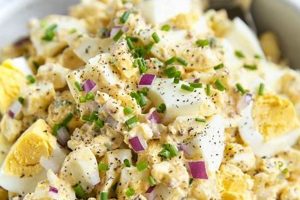
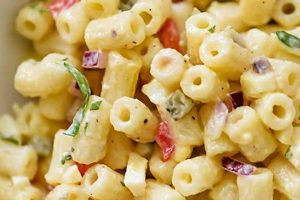
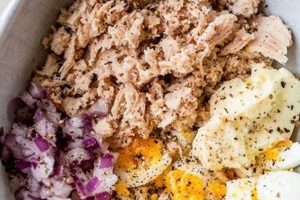
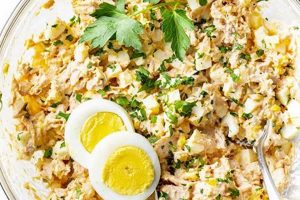
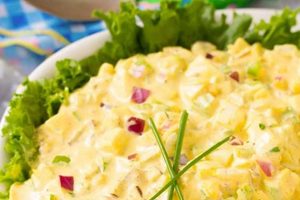
A superior egg salad featuring pickles typically involves perfectly cooked eggs, a creamy base, and the tangy crunch of pickles. This combination offers a balance of textures and flavors, with the richness of the eggs complemented by the acidity of the pickles and the smoothness of the chosen binder, often mayonnaise or a lighter alternative like Greek yogurt. A classic example might include chopped hard-boiled eggs, mayonnaise, diced dill pickles, mustard, celery, onion, salt, and pepper.
The enduring popularity of this dish stems from its versatility and simplicity. It can be enjoyed as a sandwich filling, a salad topping, or a standalone snack. Pickles contribute a refreshing element that cuts through the richness of the eggs, preventing the salad from becoming overly heavy. Historically, egg salad emerged as a way to utilize leftover hard-boiled eggs, transforming a simple ingredient into a satisfying and flavorful meal. The addition of pickles likely evolved as a means to add a contrasting flavor and texture, further enhancing the dish’s appeal.
The following sections will explore various aspects of crafting an exceptional egg salad incorporating pickles, from selecting the ideal ingredients and mastering cooking techniques to exploring creative variations and presentation suggestions.
Tips for an Exceptional Egg Salad with Pickles
Achieving egg salad perfection hinges on several key factors, from egg preparation to ingredient selection and thoughtful assembly. These tips offer guidance for creating a truly memorable dish.
Tip 1: Perfect Hard-Boiled Eggs: Avoid overcooking eggs, which can lead to a rubbery texture and a green ring around the yolk. Gently simmer eggs for 8-10 minutes, then immediately transfer them to an ice bath to halt the cooking process.
Tip 2: Pickle Selection: Dill pickles are a classic choice, but bread and butter pickles or even sweeter gherkins can offer unique flavor profiles. Experiment to find a preferred variety. Consider finely chopping some pickles and coarsely chopping others for a more dynamic texture.
Tip 3: Binder Balance: Mayonnaise is traditional, but Greek yogurt or a combination of both can create a lighter, tangier base. Start with a small amount and add more until the desired consistency is reached.
Tip 4: Flavorful Enhancements: Dijon mustard, finely diced red onion, and a touch of celery seed can elevate the flavor profile. Fresh herbs like dill or chives offer a refreshing counterpoint.
Tip 5: Seasoning is Key: Salt and freshly ground black pepper are essential. A pinch of paprika or cayenne pepper can add a touch of heat.
Tip 6: Proper Chilling: Allowing the egg salad to chill for at least 30 minutes allows the flavors to meld. This enhances the overall taste experience.
Tip 7: Creative Serving Suggestions: Beyond sandwiches, consider serving egg salad on lettuce cups, crackers, or as a filling for deviled eggs.
By following these tips, one can consistently create an egg salad with pickles that is both flavorful and satisfying. Careful attention to detail ensures a dish that elevates a simple combination of ingredients to a culinary delight.
In conclusion, crafting an exceptional egg salad with pickles is achievable with thoughtful preparation and attention to flavor balance.
1. High-quality Ingredients

The pursuit of a truly exceptional egg salad with pickles necessitates a focus on ingredient quality. Superior ingredients contribute significantly to the overall flavor, texture, and enjoyment of the final product. Compromising on quality can result in a bland, watery, or otherwise underwhelming experience.
- Fresh Eggs:
Fresh, high-quality eggs are paramount. Farm-fresh eggs, if available, often possess richer yolks and contribute a more pronounced flavor. Freshness ensures a desirable texture, avoiding the rubbery consistency often associated with older eggs. In the context of egg salad, fresh eggs create a creamy, flavorful base that complements the other ingredients.
- Pickles:
Pickle selection significantly impacts the final flavor profile. Opting for quality pickles, whether classic dill, tangy bread and butter, or another variety, provides a crisp, flavorful counterpoint to the richness of the eggs. Consider small-batch or artisanal pickles for enhanced flavor complexity. The brine quality also matters; a well-balanced brine contributes to a more nuanced taste.
- Mayonnaise/Binder:
The choice of binder plays a critical role in both texture and flavor. High-quality mayonnaise offers a creamy, rich base, while options like Greek yogurt provide a lighter, tangier alternative. Choosing a binder made with quality ingredients, such as real eggs and oils, enhances the overall flavor profile of the egg salad.
- Aromatics and Seasonings:
Fresh herbs like dill or chives provide a bright, refreshing element. High-quality spices, such as Dijon mustard and freshly ground black pepper, further enhance the complexity of the egg salad. The use of fresh, vibrant ingredients elevates the overall flavor experience, creating a more dynamic and nuanced dish.
Utilizing high-quality ingredients across the board ensures a superior egg salad experience. The interplay of fresh eggs, flavorful pickles, a well-chosen binder, and aromatic seasonings results in a dish that surpasses the sum of its parts, demonstrating the profound impact of ingredient quality on the final product.
2. Precise Egg Cooking

Precise egg cooking is paramount to achieving an optimal texture and flavor in egg salad, especially when incorporating the bright, acidic counterpoint of pickles. Overcooked eggs become rubbery and dry, detracting from the desired creamy consistency. Conversely, undercooked eggs present food safety concerns and a less appealing, gelatinous texture. Mastering the cooking process enhances the overall enjoyment of the dish.
- Timing:
Accurate timing is crucial for achieving the perfect hard-boiled egg. A cooking time of 8-10 minutes in simmering water typically yields a firm yet tender yolk, ideal for egg salad. Variations in egg size and stovetop heat may necessitate slight adjustments. Overcooking, even by a minute or two, can result in a dry, chalky yolk.
- Water Temperature Control:
Maintaining a gentle simmer, rather than a rolling boil, promotes even cooking and prevents cracking. A rapid boil can cause the eggs to jostle and crack, leading to uneven cooking and water seeping into the egg white. Starting with cold water and slowly bringing it to a simmer ensures even heat distribution.
- Cooling Process:
Immediately transferring cooked eggs to an ice bath halts the cooking process and prevents the formation of a greenish ring around the yolk. This rapid cooling also makes the eggs easier to peel. A proper cooling process preserves the desired yolk texture and enhances the overall aesthetic appeal of the egg salad.
- Peeling Technique:
Gentle peeling techniques minimize damage to the egg white, preserving its smooth surface. Tapping the cooked egg all over creates small cracks, facilitating easier removal of the shell. Peeling under cold running water can further aid in shell removal and minimize damage to the egg white. A cleanly peeled egg enhances the visual appeal of the final salad.
These facets of precise egg cooking contribute significantly to the final quality of egg salad with pickles. Properly cooked eggs provide the ideal texture and flavor foundation, allowing the other ingredients, including the pickles, to shine. Attention to detail in each stage, from timing and temperature control to cooling and peeling, ensures a superior culinary experience.
3. Balanced Pickle Integration

Balanced pickle integration is crucial for achieving a “best egg salad recipe with pickles” designation. Pickles contribute acidity, texture, and a distinct flavor profile that balances the richness of the eggs and the creaminess of the binder. However, an overabundance of pickles can overwhelm the other flavors, resulting in an excessively tangy or briny salad. Conversely, too few pickles fail to provide the necessary counterpoint, rendering the salad bland. The ideal integration point lies in achieving a harmonious balance where the pickle flavor enhances, but does not dominate, the overall composition. For example, a classic dill pickle offers a bright, herbaceous note that complements the richness of the egg yolk, while a bread and butter pickle introduces a touch of sweetness and tang. The quantity and type of pickle must be carefully considered in relation to the other ingredients to achieve optimal flavor synergy.
Consider the impact of pickle size and cut on the overall texture and flavor distribution. Finely diced pickles disperse their flavor more evenly throughout the salad, while coarsely chopped pickles offer a more pronounced textural contrast. Furthermore, the pickle’s brine can influence the salad’s moisture content. Excessive brine can lead to a watery consistency, while a well-drained pickle maintains the desired creamy texture. For instance, incorporating a small amount of finely diced dill pickle along with a few coarsely chopped spears offers a balance of flavor dispersion and textural variation. Draining the pickles thoroughly before adding them to the salad prevents excess moisture from diluting the other flavors.
Achieving balanced pickle integration requires careful consideration of pickle type, quantity, size, and brine content. The interplay of these factors contributes significantly to the overall success of the egg salad. A well-balanced integration elevates the dish from simple to exceptional, demonstrating the critical role of pickles in achieving a truly “best” egg salad recipe. The ultimate goal is a harmonious blend where each element complements the others, resulting in a flavorful and texturally satisfying culinary experience.
4. Optimal Binder Selection
Optimal binder selection is paramount in achieving a “best egg salad recipe with pickles” designation. The binder contributes significantly to the salad’s overall texture, flavor, and moisture content. It acts as the unifying element, binding the ingredients together while also influencing the perceived richness and creaminess of the final product. The interplay between the binder and the other ingredients, particularly the pickles, is crucial for achieving a balanced and harmonious flavor profile. An unsuitable binder can result in a dry, bland, or overly acidic salad, detracting from the desired culinary experience.
- Classic Mayonnaise:
Traditional mayonnaise offers a rich, creamy texture that complements the richness of the eggs and provides a smooth counterpoint to the crunchy pickles. Full-fat mayonnaise delivers the classic egg salad experience, while lighter versions offer a reduced-fat alternative. However, excessive mayonnaise can result in a heavy, overly rich salad. The tanginess of pickles helps cut through this richness, creating a more balanced flavor profile.
- Greek Yogurt:
Greek yogurt offers a lighter, tangier alternative to mayonnaise, contributing a slightly acidic note that complements the pickles. Its lower fat content creates a less dense, more refreshing salad. This tanginess can synergize well with the acidity of pickles, particularly dill or bread and butter varieties, resulting in a brighter, more vibrant flavor profile.
- Mayonnaise-Yogurt Blend:
Combining mayonnaise and Greek yogurt offers a balanced approach, leveraging the creaminess of mayonnaise and the tanginess of yogurt. This blend offers a lighter texture than traditional mayonnaise while retaining a degree of richness. This combination allows for a customizable balance between richness and tang, complementing a wider range of pickle types and quantities.
- Avocado:
Mashed avocado provides a healthy, creamy alternative with a unique flavor profile. Its richness complements the eggs, while its subtle earthiness offers a distinct contrast to the pickles. This option caters to dietary preferences while introducing a novel flavor dimension to the salad.
The choice of binder significantly impacts the final character of the egg salad. Careful consideration of the desired texture, flavor profile, and the interplay with other ingredients, especially pickles, is crucial. The optimal binder selection elevates the dish, creating a cohesive and harmonious blend of flavors and textures that defines a truly “best” egg salad recipe with pickles. Understanding the nuances of each binder option empowers culinary creativity and allows for personalized adjustments to achieve the desired outcome.
5. Complementary Seasonings
Complementary seasonings are essential for elevating an egg salad with pickles from simple to exceptional. These seasonings contribute depth, complexity, and balance, enhancing the interplay between the richness of the eggs, the tang of the pickles, and the creaminess of the binder. Judicious seasoning transforms a basic egg salad into a nuanced culinary creation. The absence of thoughtful seasoning can result in a bland, one-dimensional dish, failing to capitalize on the potential for a vibrant flavor profile.
- Mustard:
Mustard provides a sharp, pungent counterpoint to the richness of the eggs and the acidity of the pickles. Dijon mustard, with its complex flavor profile, is a classic choice. Its tanginess complements dill pickles particularly well. Yellow mustard offers a milder alternative. The quantity of mustard should be carefully balanced to enhance, not overpower, the other flavors. For instance, a teaspoon of Dijon mustard in a standard egg salad recipe provides a noticeable yet balanced tang.
- Fresh Herbs:
Fresh herbs introduce a bright, refreshing element to egg salad. Dill, chives, and parsley are popular choices. Dill, in particular, synergizes well with dill pickles, creating a cohesive flavor profile. Chives offer a subtle oniony flavor, while parsley provides a clean, herbaceous note. Fresh herbs should be added just before serving to maintain their vibrant flavor and visual appeal.
- Spices:
Spices like paprika, cayenne pepper, and celery seed add depth and complexity. Paprika contributes a subtle smokiness, while cayenne pepper introduces a touch of heat. Celery seed offers a distinctive savory note that complements the other ingredients. A pinch of each spice can significantly enhance the overall flavor profile without overpowering the delicate balance of the salad.
- Onion & Garlic:
Finely diced red onion or a small amount of minced garlic can add a pungent, savory dimension. Red onion provides a crisp texture and a slightly sweet, sharp flavor that complements both the eggs and pickles. Garlic offers a more intense, pungent flavor that should be used sparingly. These alliums contribute a depth of flavor that enhances the overall complexity of the egg salad.
The strategic use of complementary seasonings elevates egg salad with pickles to a new level of culinary sophistication. The careful balance of mustard, fresh herbs, spices, and alliums creates a dynamic interplay of flavors, transforming a simple dish into a truly “best” recipe. These seasonings enhance the inherent qualities of the core ingredients, resulting in a more nuanced and satisfying culinary experience. The absence of these seasonings would result in a less complex, potentially bland, egg salad, underscoring their importance in achieving a truly exceptional dish.
6. Appropriate Chilling Time
Appropriate chilling time plays a crucial role in achieving a “best egg salad recipe with pickles” designation. Chilling allows the flavors of the various componentseggs, pickles, binder, and seasoningsto meld and harmonize, resulting in a more cohesive and nuanced flavor profile. This chilling period also allows the salad to firm up, improving its texture and making it easier to handle and serve. Insufficient chilling can result in a bland, disjointed flavor experience and a less desirable texture. Conversely, excessive chilling can dull the flavors and make the salad too firm.
- Flavor Development:
Chilling allows the individual flavors of the ingredients to meld, creating a more complex and harmonious flavor profile. The tanginess of the pickles permeates the eggs and binder, while the seasonings distribute evenly throughout the salad. This fusion of flavors is essential for achieving a well-balanced and flavorful egg salad. Without sufficient chilling time, the flavors remain distinct and disjointed, resulting in a less satisfying culinary experience.
- Texture Enhancement:
Chilling firms the egg salad, making it easier to handle for sandwich fillings, scoops, or other serving methods. The colder temperature also enhances the perceived creaminess of the binder and the crispness of the pickles, providing a more pleasing textural contrast. A properly chilled egg salad holds its shape better, preventing it from becoming watery or spreading excessively.
- Food Safety:
Chilling inhibits bacterial growth, ensuring food safety, especially crucial for dishes containing mayonnaise or other perishable ingredients. Maintaining a safe temperature below 40F (4C) prevents the proliferation of harmful bacteria and extends the shelf life of the egg salad. Proper chilling is essential for minimizing foodborne illness risks.
- Optimal Chilling Duration:
A chilling period of at least 30 minutes is generally recommended for optimal flavor development and texture enhancement. This timeframe allows sufficient time for the flavors to meld without overly chilling the salad. Longer chilling times, up to a few hours, can be beneficial for further flavor development, but avoid excessively long chilling periods, as this can dull the flavors and make the texture overly firm. Adjusting the chilling time based on the specific recipe and desired outcome allows for customization and ensures a superior culinary experience.
Appropriate chilling time is an often overlooked but essential element in creating a truly “best” egg salad recipe with pickles. The chilling process is integral to flavor development, textural enhancement, and food safety. Understanding the impact of chilling on the final product allows for precise control over the flavor and texture, resulting in an egg salad that surpasses expectations. The simple act of chilling elevates the dish, demonstrating the importance of attention to detail in achieving culinary excellence.
Frequently Asked Questions
This section addresses common inquiries regarding the preparation and enjoyment of egg salad featuring pickles, offering clarity and guidance for achieving optimal results.
Question 1: How can rubbery egg yolks be avoided?
Overcooking is the primary cause of rubbery yolks. Maintaining precise cooking times (8-10 minutes in simmering water) and immediately transferring cooked eggs to an ice bath helps prevent this issue. The ice bath rapidly halts the cooking process, preserving the yolk’s desired texture.
Question 2: Beyond dill pickles, what other pickle varieties complement egg salad?
Bread and butter pickles offer a sweet and tangy counterpoint, while sweeter gherkins provide a milder option. Experimentation with different pickle varieties can yield unique and enjoyable flavor profiles. Consider the overall balance of sweetness and acidity when selecting a pickle type.
Question 3: Can mayonnaise be substituted for a healthier option?
Greek yogurt provides a lighter, tangier alternative to mayonnaise, reducing the overall fat content while maintaining a creamy consistency. Mashed avocado also offers a healthy, creamy alternative with a distinct flavor profile. These substitutions cater to dietary preferences without compromising the desired texture.
Question 4: How long can egg salad with pickles be safely stored?
Properly stored in an airtight container in the refrigerator, egg salad with pickles typically remains safe for consumption for up to 3-5 days. However, always prioritize sensory evaluation. Discard the salad if any off-odors or changes in texture or appearance occur.
Question 5: What are some creative serving suggestions beyond sandwiches?
Egg salad with pickles can be enjoyed as a filling for lettuce wraps, a topping for salads, a dip for crackers or crudits, or a component of deviled eggs. These variations offer diverse presentations and expand culinary possibilities.
Question 6: How can one ensure the egg salad maintains a desirable texture and doesn’t become watery?
Thoroughly draining the pickles before incorporating them into the salad prevents excess brine from contributing to a watery consistency. Additionally, ensuring the eggs are cooked to the proper doneness and using a balanced binder-to-egg ratio contributes to the desired texture. Optimal chilling time also allows the salad to firm up, further enhancing its textural integrity.
Careful consideration of these frequently asked questions facilitates a greater understanding of the nuances involved in crafting exceptional egg salad with pickles. Attention to detail in each step, from ingredient selection to storage, ensures a satisfying and enjoyable culinary experience.
This concludes the frequently asked questions section. The following segment will provide a recipe for a classic egg salad incorporating pickles.
Best Egg Salad Recipe with Pickles
This exploration of crafting a superior egg salad featuring pickles has highlighted the critical elements contributing to its success. From the selection of fresh, high-quality ingredients to the precision required in egg cooking and pickle integration, each step plays a vital role. Optimal binder selection, complementary seasonings, and appropriate chilling time further enhance the final product. Attention to detail in each of these aspects ensures a harmonious balance of flavors and textures, elevating this simple dish to a culinary delight. The interplay between the richness of the eggs, the tang of the pickles, and the creaminess of the binder, all enhanced by carefully chosen seasonings, creates a symphony of flavors that distinguishes a truly exceptional egg salad.
The enduring appeal of egg salad with pickles lies in its versatility, simplicity, and capacity for customization. Continued exploration of flavor combinations and innovative presentation methods promises to further enrich the culinary landscape surrounding this classic dish. Ultimately, the pursuit of the “best” egg salad recipe with pickles remains a subjective endeavor, inviting culinary creativity and personal expression. This exploration provides a foundational understanding, empowering individuals to embark on their own culinary journeys to discover their perfect iteration of this timeless classic.