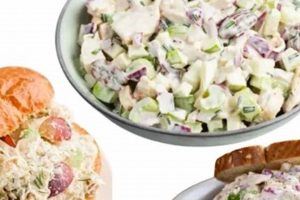
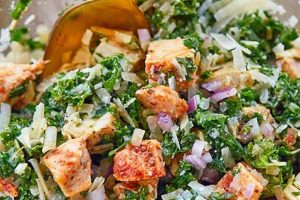
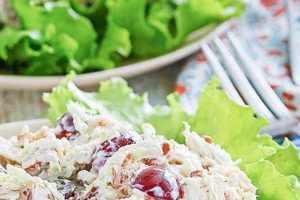
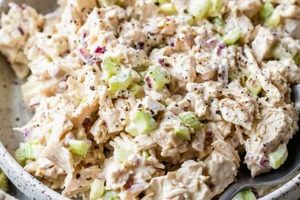
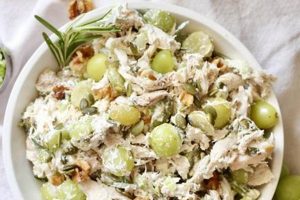
This dish typically combines cooked chicken, dried cranberries, and other ingredients like celery, pecans, and mayonnaise. Variations may include grapes, walnuts, apples, or different types of dressing, offering a balance of sweet, savory, and tart flavors. A simple version might involve diced chicken, cranberries, mayonnaise, and salt and pepper, while more complex versions incorporate herbs, spices, and additional vegetables.
The combination of lean protein from the chicken, antioxidants from the cranberries, and the potential added fiber from vegetables and nuts makes this a nutritious meal option. Its adaptable nature allows for modifications to suit various dietary needs and preferences, such as using Greek yogurt instead of mayonnaise for a lower-fat version. The dish is often served as a light lunch, sandwich filling, or part of a larger buffet or potluck spread. Historically, such combinations likely arose with the increased availability of commercially produced mayonnaise and dried cranberries in the 20th century.
Further exploration of this culinary concept will cover variations in ingredients, preparation methods, nutritional information, and serving suggestions.
Tips for a Successful Cranberry Chicken Salad
Achieving optimal flavor and texture requires attention to several key aspects of preparation.
Tip 1: Chicken Selection: Using pre-cooked rotisserie chicken offers convenience, but poaching or grilling fresh chicken allows for greater control over flavor and sodium content. Consider using boneless, skinless breasts or thighs.
Tip 2: Cranberry Choices: Dried cranberries are traditional, but fresh cranberries can add a unique tartness. If using fresh cranberries, coarsely chop them to distribute flavor evenly.
Tip 3: Balancing Sweetness: The sweetness of cranberries can be balanced with the acidity of citrus juice or the sharpness of red onion. A small amount of honey or maple syrup can also enhance sweetness if desired.
Tip 4: Enhancing Texture: Toasted pecans, walnuts, or slivered almonds add a satisfying crunch. Chopped celery or water chestnuts provide a crisp contrast to the softer ingredients.
Tip 5: Dressing Considerations: Mayonnaise is classic, but Greek yogurt offers a healthier alternative. Experiment with different flavor profiles by adding Dijon mustard, apple cider vinegar, or herbs.
Tip 6: Seasoning: Freshly ground black pepper, salt, and a pinch of paprika can elevate the overall flavor. Herbs like tarragon, chives, or parsley complement the other ingredients well.
Tip 7: Chill Time: Allowing the salad to chill for at least 30 minutes allows the flavors to meld and enhances the overall experience.
By focusing on these elements, one can create a balanced and flavorful dish suitable for various occasions.
These tips provide a foundation for creating a delicious and satisfying culinary experience. Further exploration could include specific recipe variations and serving suggestions.
1. Ingredient Quality

Ingredient quality significantly impacts the overall flavor, texture, and nutritional value of a chicken and cranberry salad. Subpar ingredients can result in a bland or unbalanced dish, while fresh, high-quality components elevate the salad to a more satisfying culinary experience. Understanding the role of each ingredient and selecting the best options available is crucial for a successful outcome.
- Chicken:
Chicken forms the base of the salad, influencing its protein content and overall flavor profile. Freshly cooked, high-quality chicken offers superior taste and texture compared to pre-cooked or processed options. Choosing free-range or organic chicken can further enhance the nutritional value and flavor. The cooking method also plays a role; poaching or grilling results in a more flavorful and moist product than boiling.
- Cranberries:
Cranberries contribute sweetness, tartness, and a vibrant color. Fresh cranberries offer a brighter, more intense flavor compared to dried cranberries, although both can be used successfully. The quality of dried cranberries varies; look for plump, moist cranberries without added sugar or preservatives. Fresh cranberries should be firm and brightly colored.
- Produce:
Other produce, such as celery, onions, and herbs, add flavor, texture, and nutrients. Fresh, crisp produce provides optimal flavor and texture. Wilted or bruised produce can negatively impact the overall quality of the salad. Organic options may be preferred for those seeking to minimize pesticide exposure.
- Nuts and Seeds:
Nuts and seeds, such as pecans, walnuts, or sunflower seeds, contribute healthy fats, protein, and textural contrast. Freshly toasted nuts offer a more pronounced flavor and satisfying crunch compared to pre-chopped or stale nuts. Consider the quality and freshness when selecting these ingredients, as rancid nuts can impart an unpleasant flavor.
The interplay of these high-quality ingredients contributes to a more complex and enjoyable culinary experience. By prioritizing ingredient quality, one ensures a chicken and cranberry salad that is not only flavorful and texturally appealing but also nutritionally beneficial.
2. Flavor Balance
Flavor balance is paramount in a successful chicken and cranberry salad recipe. The inherent sweetness of cranberries necessitates careful consideration of other ingredients to prevent an overly sweet or one-dimensional dish. This balance is achieved through the strategic incorporation of contrasting flavorssavory, acidic, and sometimes spicyto complement the cranberry’s sweetness and the chicken’s mildness. A lack of balance can result in a cloying sweetness or a bland, uninspired salad.
Consider the interplay of flavors: the savory notes of the chicken, often enhanced by seasonings like salt, pepper, and onion powder, provide a foundation. The tartness of cranberries is then balanced by the addition of acidic elements, such as lemon juice or apple cider vinegar. These acidic notes cut through the richness of the mayonnaise or other creamy dressing, adding brightness and preventing the salad from becoming heavy. The incorporation of ingredients like pecans or walnuts adds a layer of nutty richness and textural contrast, further enhancing the complexity of the flavor profile. A well-balanced chicken and cranberry salad offers a harmonious blend of sweet, savory, tart, and rich flavors, creating a more satisfying and nuanced culinary experience. For instance, adding a pinch of red pepper flakes introduces a subtle heat that balances the sweet and savory components, adding another dimension to the flavor profile.
Achieving flavor balance is essential for transforming a simple list of ingredients into a cohesive and enjoyable dish. Understanding the interplay of these flavors allows for informed ingredient choices and adjustments, ensuring a chicken and cranberry salad that is both flavorful and balanced. The strategic use of seasonings, acidic elements, and textural components contributes significantly to the overall success of the recipe. Neglecting this balance can result in a dish that falls flat, highlighting the critical role flavor balance plays in creating a truly satisfying culinary experience.
3. Textural Contrast

Textural contrast significantly contributes to the overall enjoyment of a chicken and cranberry salad recipe. A combination of textures creates a more dynamic and engaging sensory experience, preventing the dish from feeling monotonous. This contrast arises from the interplay of soft, crunchy, and sometimes creamy elements, each playing a crucial role in the final composition.
- Tender Chicken:
The chicken, whether diced or shredded, provides a base of tender protein. Its soft texture contrasts with the other components, creating a foundational element against which other textures are perceived. Overcooked chicken can become dry and stringy, disrupting the desired textural balance.
- Chewy Cranberries:
Cranberries, whether dried or fresh, offer a chewy texture that contrasts with the tenderness of the chicken. This chewiness adds a pleasant resistance, enhancing the overall eating experience. The slight tartness of the cranberries also provides a flavor contrast to the richness of the other ingredients.
- Crunchy Nuts/Seeds:
Nuts or seeds, such as toasted pecans, walnuts, or sunflower seeds, introduce a crucial element of crunch. This crispness contrasts sharply with the softer textures of the chicken and cranberries, adding a satisfying element to each bite. The choice of nuts or seeds can also influence the flavor profile of the salad.
- Crisp Vegetables:
The addition of crisp vegetables like celery or diced red onion provides another layer of textural contrast. These elements contribute a refreshing crunch and a burst of flavor, enhancing the complexity of the salad. The choice of vegetables can also influence the overall nutritional value of the dish.
The interplay of these varying texturestender chicken, chewy cranberries, crunchy nuts/seeds, and crisp vegetableselevates the chicken and cranberry salad from a simple mixture of ingredients to a more dynamic and satisfying culinary experience. A lack of textural contrast can result in a bland and less enjoyable dish. The deliberate inclusion of these different textures, therefore, significantly contributes to the overall success of the recipe.
4. Dressing Choice

Dressing choice significantly impacts the overall flavor profile and perceived richness of a chicken and cranberry salad recipe. The dressing acts as a unifying element, binding the ingredients together and contributing moisture, flavor, and texture. A well-chosen dressing complements the existing flavors of the chicken and cranberries, enhancing their individual characteristics without overpowering the overall balance. An inappropriate dressing, however, can mask the delicate flavors or create an undesirable clash, detracting from the intended culinary experience.
Classic choices like mayonnaise provide a creamy, rich base that complements the sweetness of the cranberries and the savory notes of the chicken. Variations, such as incorporating Greek yogurt for a lighter texture and tangy flavor, or adding Dijon mustard for a subtle sharpness, offer further complexity. The amount of dressing also plays a crucial role; too much dressing can make the salad heavy and soggy, while too little can result in a dry and less flavorful dish. For example, a light vinaigrette made with olive oil, lemon juice, and herbs might complement a salad with fresh cranberries and a focus on lighter flavors, whereas a creamy, mayonnaise-based dressing with added spices might better suit a salad featuring dried cranberries and toasted nuts. The fat content, acidity, and sweetness of the dressing should be considered in relation to the other ingredients to achieve a balanced and harmonious flavor profile.
Understanding the impact of dressing choice on the final product enables informed decision-making regarding flavor pairings and desired textures. This awareness allows for greater control over the overall culinary outcome, ensuring a chicken and cranberry salad that is not only flavorful but also well-balanced and texturally appealing. Successfully navigating the nuances of dressing selection elevates the dish from simple to sophisticated, demonstrating a nuanced understanding of flavor interactions and culinary principles.
5. Serving Options

Serving options significantly influence the overall dining experience of a chicken and cranberry salad recipe. The chosen presentation affects not only visual appeal but also practicality and how the flavors and textures are perceived. A versatile dish, this salad lends itself to a variety of serving styles, each offering a distinct culinary experience.
- Sandwiches and Wraps:
Chicken and cranberry salad provides a flavorful and texturally interesting filling for sandwiches and wraps. Using croissants, whole-wheat bread, or tortillas offers varying levels of richness and nutritional value. This option is convenient for lunches, picnics, or quick meals. The salads creamy texture and sweet-savory flavor profile pairs well with the bread or wrap, creating a satisfying and portable meal.
- Salads:
Serving the chicken and cranberry salad atop a bed of mixed greens adds a refreshing element and increases the nutritional value. The contrast in textures between the creamy salad and crisp lettuce enhances the dining experience. Incorporating other salad components, such as cucumbers, tomatoes, or shredded carrots, adds further nutritional and textural complexity. This option caters to lighter meals or those seeking a more substantial salad option.
- Appetizers:
For appetizers or party snacks, the salad can be served in small portions using endive leaves, cucumber rounds, or crackers. This presentation adds an element of elegance and allows for portion control. The contrasting textures and flavors of the salad and serving vessel create a harmonious and appealing appetizer. This serving style is particularly suitable for buffets, cocktail parties, or other social gatherings.
- Stuffed Dishes:
Chicken and cranberry salad can be used as a stuffing for tomatoes, avocados, or baked potatoes. This offers a unique and visually appealing presentation while incorporating the salad into a more substantial meal. The flavors of the salad complement the other components of the dish, creating a well-rounded and satisfying culinary experience. This option is ideal for those seeking a more creative and substantial meal option.
The versatility of chicken and cranberry salad allows it to be adapted to various serving styles, each offering distinct advantages and appealing to different preferences. Whether served as a sandwich filling, atop a bed of greens, or as a component of a more complex dish, the choice of serving option significantly impacts the overall culinary experience. Understanding these options allows for greater creativity and adaptability in meal planning and presentation, highlighting the salad’s versatility and broad appeal.
Frequently Asked Questions
This section addresses common inquiries regarding chicken and cranberry salad recipes, offering concise and informative responses to facilitate a deeper understanding of this versatile dish.
Question 1: What type of chicken is best suited for this salad?
While pre-cooked rotisserie chicken offers convenience, using freshly cooked chicken allows for greater control over flavor and sodium content. Boneless, skinless breasts or thighs are recommended for optimal texture.
Question 2: Can fresh cranberries be substituted for dried cranberries?
Fresh cranberries offer a brighter tartness compared to dried. If using fresh cranberries, coarsely chopping them is recommended for even flavor distribution and to prevent overwhelming tartness. Adjustments to sweetness may be necessary.
Question 3: How can the sweetness of the salad be balanced?
Balancing the sweetness of cranberries often involves incorporating acidity. Lemon juice, apple cider vinegar, or a touch of red onion can effectively counterbalance sweetness. Conversely, a small amount of honey or maple syrup can be added if increased sweetness is desired.
Question 4: What can be added to enhance the salad’s texture?
Toasted nuts, such as pecans, walnuts, or almonds, offer a satisfying crunch. Chopped celery, water chestnuts, or chopped apples provide contrasting crispness. These additions create a more dynamic textural experience.
Question 5: Are there alternatives to mayonnaise-based dressings?
Greek yogurt offers a lower-fat and tangier alternative to mayonnaise. A vinaigrette made with olive oil, lemon juice, and herbs provides a lighter, brighter dressing option. Experimentation with different dressings allows for customized flavor profiles.
Question 6: How long should the salad be chilled before serving?
Chilling for at least 30 minutes allows the flavors to meld and enhances the overall experience. Longer chilling times, up to a few hours, can further develop the flavor profile, but avoid excessive chilling, which may negatively impact the texture of some ingredients.
Addressing these common queries provides a foundation for successful preparation and enjoyment. Experimentation and adaptation based on individual preferences are encouraged.
Exploring specific recipe variations and dietary modifications represents a logical next step.
Chicken and Cranberry Salad Recipe
Exploration of this recipe reveals a dish offering nuanced flavor profiles and adaptable characteristics. Key elements highlighted include the importance of ingredient quality, achieving a balance between sweet and savory components, the incorporation of textural variety, the strategic selection of dressings, and the versatility of serving options. Understanding these aspects allows for informed choices regarding ingredient selection, preparation methods, and presentation, ultimately contributing to a more satisfying culinary experience. This analysis demonstrates the potential for customization and adaptation based on individual preferences and dietary considerations.
Culinary creativity thrives on exploration and adaptation. This examination of chicken and cranberry salad recipes encourages further experimentation with flavor combinations, ingredient substitutions, and presentation styles. The potential for personalization within this seemingly simple dish highlights the dynamic nature of culinary practice and the ongoing opportunity for innovation within the kitchen.