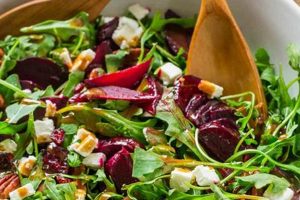
This vibrant salad, a staple of Russian cuisine, typically combines cooked and diced root vegetables like beets, potatoes, and carrots, along with pickled cucumbers, sauerkraut, onions, and peas. Dressed with a vinaigrette typically involving oil, vinegar, and sometimes mustard, it offers a refreshing blend of earthy and tangy flavors. Variations may include beans, apples, or hard-boiled eggs, showcasing regional preferences and seasonal availability.
A dish born of practicality and resourcefulness, this salad’s enduring popularity stems from its ability to utilize readily available, often preserved, ingredients, making it a nutritious and flavorful option year-round. It holds a prominent place in Russian culinary tradition, frequently appearing on festive tables and everyday meals alike. Its colorful presentation and diverse textures contribute to its appeal, making it a visually engaging as well as a palatable culinary experience.
The following sections will explore the preparation process in detail, including variations and tips for achieving optimal results. From ingredient selection and preparation techniques to dressing options and presentation suggestions, a comprehensive guide will be provided to equip readers with the knowledge to create this classic dish.
Tips for an Excellent Vinaigrette
Achieving a well-balanced and flavorful salad involves careful attention to detail throughout the preparation process. The following tips offer guidance for optimal results.
Tip 1: Uniform Dice: Vegetables should be diced into uniform pieces to ensure even cooking and a pleasing texture. This also contributes to a visually appealing presentation.
Tip 2: Cook Vegetables Separately: Beets, potatoes, and carrots should be cooked separately to prevent color bleeding and maintain distinct flavors. Boiling or steaming are recommended methods.
Tip 3: Cool Before Combining: Allow all cooked vegetables to cool completely before combining them with other ingredients. This prevents the salad from becoming mushy and helps maintain the crispness of the pickled elements.
Tip 4: Quality Ingredients: Use high-quality ingredients, especially for the pickled components. The flavor of the pickles and sauerkraut significantly impacts the overall taste.
Tip 5: Dressing Emulsification: Whisk the oil and vinegar vigorously to create a stable emulsion that coats the vegetables evenly and enhances flavor distribution.
Tip 6: Resting Period: Allow the salad to rest for at least 30 minutes, or preferably longer, in the refrigerator after combining all ingredients and dressing. This allows the flavors to meld and develop depth.
Tip 7: Fresh Herbs (Optional): Fresh dill or parsley can be added just before serving to enhance the aroma and visual appeal.
By following these tips, one can create a vinaigrette that showcases the vibrant flavors and textures characteristic of this classic dish. Attention to these details elevates the salad from simple to exceptional.
With these preparations complete, the final step involves serving and enjoying this culinary delight.
1. Root Vegetables (Beets, Potatoes, Carrots)

Root vegetables form the foundation of a classic Russian vinaigrette salad, contributing essential flavors, textures, and colors. Their distinct characteristics and preparation methods play a crucial role in the final composition of the dish.
- Earthy Sweetness and Color Contrast
Beets provide an earthy sweetness and vibrant color, ranging from deep red to golden yellow. Their inclusion offers a striking visual contrast against the other ingredients. The cooking process intensifies their sweetness while softening their texture.
- Starchy Texture and Neutral Base
Potatoes contribute a starchy texture and serve as a neutral base that absorbs the flavors of the surrounding ingredients. Their mild flavor balances the stronger tastes of beets, pickles, and sauerkraut. Proper cooking ensures a tender yet firm texture.
- Subtle Sweetness and Visual Appeal
Carrots offer a subtle sweetness and bright orange hue, further enhancing the salad’s visual appeal. Their firm texture adds a pleasant bite to the overall composition. Cooking carrots until tender-crisp preserves their nutrients and texture.
- Preparation and Cooking Techniques
The proper preparation and cooking of these root vegetables are essential. They should be cooked separately to prevent color bleeding and ensure even cooking. Dicing them uniformly contributes to a consistent texture and aesthetic presentation. Overcooking results in a mushy texture that detracts from the salad’s overall quality.
The careful selection, preparation, and combination of these root vegetables determine the success of a Russian vinaigrette salad. Their individual characteristics harmonize to create a dish that is both visually appealing and rich in flavor and texture. The balance of earthy sweetness, starchy neutrality, and bright color highlights the complexity and appeal of this classic dish.
2. Pickled elements (cucumbers, sauerkraut)

Pickled cucumbers and sauerkraut are integral components of a Russian vinaigrette salad, contributing a crucial layer of tartness and complexity that balances the sweetness of the root vegetables. This acidic counterpoint brightens the overall flavor profile, preventing the salad from becoming overly sweet or bland. The lactic acid fermentation process involved in pickling also introduces beneficial probiotics, enhancing the nutritional value of the salad. The crisp texture of these pickled elements contrasts with the softer textures of the cooked vegetables, adding another dimension to the sensory experience.
The specific type of pickles and sauerkraut used can significantly influence the final taste. For example, dill pickles offer a brighter, more herbaceous flavor, while garlic dill pickles add a pungent note. Similarly, the tanginess of sauerkraut can vary depending on the fermentation process and added spices like caraway seeds or juniper berries. These variations allow for customization and regional adaptations of the recipe. Historically, these preserved ingredients were essential for providing nutritional sustenance through long winters when fresh produce was scarce. Their inclusion in the salad reflects this practical history while simultaneously contributing a depth of flavor valued in contemporary cuisine.
Balancing the proportion of pickled elements is key to achieving a harmonious flavor profile. Too much can overwhelm the other ingredients, while too little can result in a bland salad. The interplay of pickled flavors with the sweetness of the root vegetables and the richness of the dressing creates a complex and satisfying culinary experience. Understanding this interplay allows for adjustments based on personal preference and ingredient availability. The inclusion of these fermented elements also contributes to the salad’s shelf life, a practical consideration that has historical significance and continues to be relevant today.
3. Onion

Onions contribute a pungent and sharp flavor dimension to Russian vinaigrette salad, acting as a crucial counterpoint to the sweetness of the root vegetables and the tanginess of the pickled elements. Their presence adds depth and complexity to the overall flavor profile, preventing the salad from becoming one-dimensional. The choice of onion variety and preparation method further influence the final taste and texture of the salad.
- Pungency and Flavor Enhancement
The inherent pungency of onions, derived from sulfur-containing compounds, adds a sharp note that cuts through the richness of the other ingredients. This sharpness enhances the overall flavor experience, creating a more balanced and dynamic taste profile. The level of pungency can be adjusted by selecting specific onion varieties or employing specific preparation techniques.
- Variety Selection and Flavor Nuances
Different onion varieties offer distinct flavor profiles. Yellow onions provide a robust and assertive flavor, while red onions offer a slightly milder and sweeter taste with a hint of sharpness. White onions provide a sharper, more pungent flavor. The choice of onion variety depends on personal preference and desired flavor intensity.
- Preparation Techniques and Texture
The preparation method influences both the flavor and texture of the onion in the salad. Finely dicing the onion allows its flavor to distribute evenly throughout the salad, while larger pieces provide a more pronounced textural contrast. Soaking diced onions in cold water can mellow their pungency, while briefly sauting them can create a sweeter, caramelized flavor.
- Balancing Flavors and Overall Composition
The quantity of onion used is crucial for balancing the flavors within the salad. Too much can overpower the other ingredients, while too little may not provide the necessary sharp counterpoint. Careful consideration of the other ingredients and desired flavor profile is essential when determining the appropriate amount of onion to include.
The inclusion of onions, carefully chosen and prepared, elevates Russian vinaigrette salad from a simple combination of ingredients to a complex and nuanced culinary experience. The interplay of pungency, sweetness, and tanginess, facilitated by the presence of onions, distinguishes this salad as a vibrant and flavorful dish. This careful balancing of flavors is a testament to the thoughtful construction and historical development of this culinary staple.
4. Peas

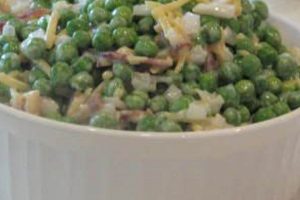
Peas contribute a distinct sweetness and textural element to Russian vinaigrette salad. Their presence offers a refreshing contrast to the earthy flavors of the root vegetables and the tanginess of the pickled components. Whether fresh, frozen, or canned, peas introduce a burst of bright green color, enhancing the salad’s visual appeal. The choice between these options influences the final texture and flavor; fresh peas offer the most delicate flavor and tender texture, while frozen peas provide a convenient and readily available alternative. Canned peas, while less preferred due to potential textural changes during processing, can be utilized if fresh or frozen options are unavailable. The inclusion of peas, particularly during winter months when fresh produce is limited, historically provided a valuable source of protein and vitamins, contributing to the nutritional value of the salad. Their relatively small size allows them to absorb the surrounding flavors of the vinaigrette, further enriching their contribution to the overall composition.
The quantity of peas used influences the salad’s balance. An excessive amount can overpower the other ingredients, while too few might render their presence negligible. Balancing the proportion of peas with the other components ensures their sweetness and texture enhance, rather than dominate, the overall flavor profile. Consider a scenario where canned peas are substituted for fresh ones. The difference in texture, with canned peas often being softer, would subtly alter the salad’s mouthfeel. This illustrates how ingredient selection directly impacts the final sensory experience. Historically, access to fresh peas varied seasonally; thus, preserved options became crucial for maintaining the salad’s presence year-round. This adaptation highlights the resourcefulness and practicality embedded within traditional culinary practices.
Peas play a multifaceted role in Russian vinaigrette salad, contributing sweetness, texture, color, and nutritional value. Understanding their contribution and the impact of different pea varieties and preparations is essential for achieving a balanced and flavorful result. This seemingly simple ingredient exemplifies how careful consideration of each component contributes to the overall complexity and historical significance of this classic dish. From seasonal availability to preservation methods, the incorporation of peas reflects both practical considerations and culinary artistry.
5. Vinaigrette dressing (oil, vinegar)
Vinaigrette dressing is fundamental to a Russian vinaigrette salad, providing the essential acidic element that balances the sweetness of root vegetables and the tanginess of pickled components. This dressing not only contributes flavor but also binds the diverse ingredients together, creating a cohesive culinary experience. The emulsion of oil and vinegar, often enhanced with seasonings, plays a critical role in the salad’s overall taste and texture.
- Acidity and Flavor Balance
The primary function of the vinaigrette is to introduce acidity, which cuts through the richness of the salad’s ingredients. This acidic counterpoint prevents the dish from becoming overly sweet or cloying. The sharpness of the vinegar enhances the other flavors, allowing the sweetness of beets and carrots, the tang of pickles, and the pungency of onions to shine through. The balance achieved by this interplay of flavors is crucial to the salad’s overall appeal.
- Emulsification and Texture
The emulsification of oil and vinegar creates a creamy texture that coats the salad ingredients, distributing flavor evenly and contributing to a pleasant mouthfeel. The type of oil used influences the dressing’s texture and flavor. A neutral oil like sunflower or canola allows the other flavors to take center stage, while a more robust oil like extra virgin olive oil adds its own distinct character. The stability of the emulsion affects how well the dressing clings to the salad components.
- Seasonings and Flavor Complexity
Beyond the basic oil and vinegar, seasonings contribute additional layers of flavor complexity to the vinaigrette. Mustard, a common addition, adds a pungent note and helps stabilize the emulsion. Other seasonings, such as sugar, salt, black pepper, or fresh herbs like dill or parsley, can be incorporated to customize the dressing’s flavor profile. Regional variations often include specific herbs and spices that reflect local culinary traditions.
- Historical Context and Preservation
Historically, vinegar played a crucial role in preserving food, particularly during times when refrigeration was unavailable. The acidic environment created by vinegar inhibited bacterial growth, extending the shelf life of ingredients. In Russian vinaigrette salad, the vinegar in the dressing contributes to both flavor and preservation, reflecting the practical origins of this dish. The combination of preserved ingredients and a vinegar-based dressing allowed the salad to be enjoyed year-round, regardless of seasonal availability of fresh produce.
The vinaigrette dressing is more than just a simple mixture of oil and vinegar; it is an integral component that elevates Russian vinaigrette salad from a collection of ingredients to a cohesive and flavorful dish. The dressing’s acidity balances the sweetness, its emulsion coats and binds the components, and its seasonings add depth and complexity. Understanding the role and nuances of the vinaigrette is essential for appreciating the historical context and culinary artistry of this classic Russian dish.
6. Dicing and mixing technique
Dicing and mixing techniques are integral to the final quality and presentation of Russian vinaigrette salad. Proper technique ensures even cooking of the root vegetables, consistent texture throughout the salad, and optimal flavor distribution. These seemingly simple steps significantly impact the overall culinary experience.
- Uniformity of Dice
Uniformly dicing the root vegetablesbeets, potatoes, and carrotsensures they cook evenly. Inconsistently sized pieces result in some being overcooked while others remain undercooked, leading to an unpleasant textural disparity within the salad. Uniform dicing also enhances the visual appeal of the finished dish.
- Order of Ingredient Incorporation
The order in which ingredients are combined influences flavor distribution and prevents unwanted color bleeding. Beets, with their vibrant color, should be added last to minimize staining the other vegetables. The more delicate ingredients, such as peas, should be added after the dressing to avoid crushing them.
- Gentle Mixing
The salad should be mixed gently to avoid damaging the ingredients and creating a mushy texture. A light tossing motion ensures the vinaigrette coats all components evenly without breaking down the diced vegetables or crushing the more delicate elements like peas. Overly vigorous mixing can compromise the salad’s visual appeal and textural integrity.
- Timing of Dressing Addition
The timing of dressing addition influences flavor development and prevents the salad from becoming soggy. Adding the vinaigrette too early can lead to the vegetables absorbing excessive moisture, resulting in a less appealing texture. The dressing is ideally added shortly before serving to ensure the ingredients retain their individual textures and flavors while benefiting from the unifying influence of the vinaigrette.
Precise dicing and careful mixing elevate Russian vinaigrette salad from a simple combination of ingredients to a carefully constructed dish with balanced flavors, appealing textures, and a visually pleasing presentation. These techniques, though often overlooked, are essential for achieving optimal results and showcasing the culinary artistry inherent in this traditional dish.
7. Chilling and resting period
The chilling and resting period is a crucial step in preparing Russian vinaigrette salad, significantly impacting the final flavor and texture. This period allows the flavors of the diverse ingredientsroot vegetables, pickled elements, onions, and peasto meld and harmonize within the vinaigrette dressing. Moreover, chilling firms the cooked vegetables, enhancing their textural appeal within the salad.
- Flavor Development
Chilling allows the complex flavors of the individual components to blend and mature, resulting in a more nuanced and balanced flavor profile. The vinaigrette, initially a separate entity, permeates the vegetables, unifying the diverse tastes into a harmonious whole. This melding of flavors is particularly noticeable with the beets, as their earthy sweetness subtly infuses the other ingredients. The resting period also allows the sharpness of the onions and the tanginess of the pickles to mellow, creating a more integrated flavor experience. For example, the acidic notes of the sauerkraut become less pronounced, integrating seamlessly with the overall flavor composition.
- Texture Enhancement
The chilling process firms the cooked root vegetables, enhancing their textural contribution to the salad. The potatoes, in particular, benefit from this cooling period, regaining some of their structural integrity after cooking. This results in a more pleasant mouthfeel, with a balance of firm and soft textures. Without this chilling period, the vegetables might become overly soft, resulting in a less appealing, almost mushy, consistency. The contrast between the firm diced vegetables and the softer pickled elements is a key characteristic of a well-made Russian vinaigrette.
- Food Safety Considerations
Chilling the salad also addresses food safety concerns. The cool temperature inhibits bacterial growth, extending the salad’s shelf life and reducing the risk of foodborne illness. This is particularly important given the presence of cooked vegetables, which are more susceptible to bacterial contamination than raw ingredients. Adhering to recommended chilling times ensures the salad remains safe for consumption.
- Optimal Serving Temperature
Serving the salad chilled enhances its refreshing qualities, making it particularly enjoyable in warmer weather. The cool temperature also accentuates the contrasting flavors and textures, creating a more invigorating culinary experience. A room-temperature salad, while still palatable, lacks the refreshing crispness achieved through proper chilling. This coolness also complements the often rich and hearty meals that accompany Russian vinaigrette salad in traditional cuisine.
The chilling and resting period, while seemingly a passive step, is essential for achieving the desired flavor and texture characteristics of a properly made Russian vinaigrette salad. This time allows for flavor development, texture enhancement, and improved food safety. The resulting salad, with its balanced flavors, contrasting textures, and refreshing coolness, reflects the careful consideration given to each step of the preparation process, highlighting the culinary artistry inherent in this traditional dish.
Frequently Asked Questions
This section addresses common inquiries regarding the preparation and variations of Russian vinaigrette salad, offering clarity and practical guidance.
Question 1: Can other root vegetables be substituted for beets, potatoes, or carrots?
While beets, potatoes, and carrots are traditional, other root vegetables like parsnips, turnips, or celery root can be incorporated for variation. However, these substitutions may alter the salad’s characteristic flavor and color profile. Adjustments to cooking times may be necessary depending on the density of the chosen vegetables.
Question 2: What type of oil is recommended for the vinaigrette?
Neutral oils, such as sunflower or canola, are traditionally preferred, allowing the other flavors to shine. However, extra virgin olive oil can be used for a more robust flavor, though it will impart its own distinct taste. The choice depends on personal preference and desired flavor profile.
Question 3: Can the salad be prepared in advance?
The salad benefits from a resting period in the refrigerator, allowing flavors to meld. It can be prepared a day in advance; however, adding the dressing shortly before serving helps maintain the texture of the ingredients, particularly the peas.
Question 4: How long can the salad be stored?
Properly stored in an airtight container in the refrigerator, the salad can typically last for 3-5 days. However, its quality, particularly the texture of the vegetables, may degrade over time.
Question 5: Are there vegetarian/vegan adaptations possible?
The traditional recipe is typically vegetarian and vegan-friendly. However, some variations might include ingredients like hard-boiled eggs. Omitting such ingredients ensures the salad remains suitable for these dietary preferences.
Question 6: How can the salad’s saltiness be adjusted?
The saltiness of the salad depends largely on the salt content of the pickled ingredients. Rinsing the sauerkraut or pickles before adding them can help reduce overall saltiness. Adjusting the amount of salt added to the vinaigrette also provides further control.
Understanding these common points of inquiry allows for successful preparation and customization of Russian vinaigrette salad, ensuring a flavorful and enjoyable culinary experience.
The following section offers further exploration of regional variations and serving suggestions.
Russian Vinaigrette Salad Recipe
Exploration of this classic dish reveals a carefully balanced composition of flavors and textures. The earthy sweetness of root vegetables, the tanginess of pickled elements, the pungency of onions, and the sweetness of peas converge within the unifying embrace of a simple vinaigrette. Proper dicing, mixing, and chilling techniques are essential for achieving optimal results. Understanding the role of each ingredient and the interplay of flavors provides a deeper appreciation for this culinary tradition.
This seemingly simple salad embodies a rich history of resourcefulness and culinary artistry. Its enduring popularity speaks to its adaptability and the enduring appeal of its balanced flavors. Further exploration of regional variations and creative adaptations promises a continued appreciation for this vibrant and flavorful dish, solidifying its place as a culinary classic.