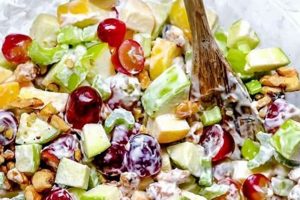
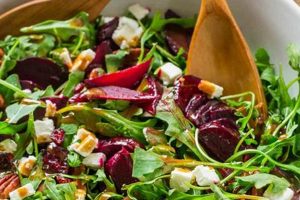
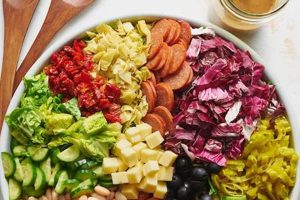
Fresh fig salads offer a delightful combination of sweet and savory flavors. A typical preparation might involve combining ripe figs with peppery greens like arugula, creamy cheeses such as goat cheese or burrata, crunchy nuts like walnuts or pecans, and a light vinaigrette, perhaps balsamic or honey-based. The variations are endless, incorporating ingredients like prosciutto, caramelized onions, or various other fruits and vegetables.
These dishes provide a wealth of nutritional benefits. Figs are a good source of fiber, potassium, and antioxidants. When paired with fresh greens, nuts, and other healthful ingredients, such a culinary creation becomes a nutrient-dense meal option. Historically, figs have been prized for their flavor and medicinal properties, appearing in cuisines across the globe for millennia. Their inclusion in contemporary salads reflects both a modern appreciation for fresh, seasonal produce and a nod to culinary traditions.
Further exploration of this subject will cover specific recipe ideas, selection of optimal ingredients, and techniques for achieving balanced flavor profiles.
Tips for Crafting Exceptional Fig Salads
Creating a balanced and flavorful fig salad requires attention to detail and a thoughtful approach to ingredient selection and preparation.
Tip 1: Ripeness is Key: Select figs that are soft to the touch and yield slightly to gentle pressure. Overripe figs will be mushy, while underripe figs lack sweetness.
Tip 2: Consider Texture: Balance the soft texture of figs with contrasting elements such as crunchy nuts (walnuts, pecans), crisp greens (arugula, spinach), or toasted bread crumbs.
Tip 3: Cheese Pairing: Creamy cheeses like goat cheese, burrata, or ricotta complement the sweetness of figs beautifully. Sharper cheeses, such as blue cheese or gorgonzola, can add a pungent counterpoint.
Tip 4: Savory Accents: Incorporating savory elements like prosciutto, pancetta, or caramelized onions enhances the complexity of the salad.
Tip 5: Vinaigrette Selection: A light vinaigrette enhances the flavors without overpowering them. Balsamic, honey, or citrus-based dressings are excellent choices.
Tip 6: Seasonality: Figs are at their peak during late summer and early fall. Utilizing seasonal greens and other produce further elevates the salad’s freshness.
Tip 7: Presentation Matters: Arrange the salad components thoughtfully on the plate. Consider the visual appeal of colors and textures for an aesthetically pleasing presentation.
By following these tips, one can create a fig salad that offers a delightful combination of flavors, textures, and visual appeal. A successful preparation highlights the unique characteristics of fresh figs while showcasing their versatility in a salad format.
The following section provides several recipe variations to inspire culinary creativity.
1. Fresh, Ripe Figs

The foundation of any successful fig salad lies in the quality of its primary ingredient: fresh, ripe figs. Selecting and utilizing figs at their peak ripeness is crucial for achieving optimal flavor and texture, significantly impacting the overall culinary experience.
- Ripeness Indicators
Determining optimal ripeness involves assessing several factors. Ripe figs exhibit a deep, rich color specific to their variety, ranging from deep purple to golden brown. They should be slightly soft to the touch, yielding gently to pressure, but not mushy. A slightly bent stem and the presence of a sweet aroma further indicate readiness for consumption.
- Flavor Profile
Ripe figs possess a delicate sweetness balanced by subtle earthy undertones. The flavor intensifies as the fruit ripens, contributing significantly to the salad’s overall taste profile. Underripe figs lack sweetness and can have a slightly astringent quality, while overripe figs become excessively soft and lose their distinct flavor nuances.
- Textural Contribution
The soft, yielding texture of ripe figs plays a key role in the salad’s composition. This texture contrasts beautifully with crisper elements such as leafy greens and crunchy nuts, creating a harmonious balance. Overripe figs, however, can become overly mushy and detract from this textural interplay.
- Storage and Handling
Proper storage maintains the quality of fresh figs. They are highly perishable and should be refrigerated upon purchase. Ideally, figs should be consumed within a few days of purchase for optimal flavor and texture. Gentle handling is essential to avoid bruising or damaging the delicate fruit.
The careful selection and handling of fresh, ripe figs are paramount in crafting exceptional fig salads. Their flavor, texture, and overall quality directly influence the final dish, highlighting the importance of prioritizing this key ingredient.
2. Complementary Cheeses

Cheese selection significantly impacts the balance and complexity of a fig salad. The inherent sweetness of ripe figs necessitates cheeses that provide contrasting or complementary flavor profiles. Soft, creamy cheeses, such as goat cheese, offer a tangy counterpoint to the fig’s sweetness, creating a harmonious pairing. The subtle, lactic acidity of fresh ricotta provides a milder contrast, allowing the fig’s flavor to remain prominent. Conversely, stronger cheeses, like blue cheese or Gorgonzola, introduce a pungent, salty dimension, adding depth and complexity to the salad’s flavor profile. The crumbly texture of these cheeses also offers a textural counterpoint to the soft figs. For instance, a salad featuring figs, walnuts, and gorgonzola, drizzled with honey, exemplifies this interplay of sweet, salty, and creamy elements.
The quantity and variety of cheese employed should also be carefully considered. Overpowering the delicate fig flavor with excessive cheese can diminish the salad’s overall balance. Experimentation with different cheese combinations can yield unique and exciting flavor profiles. Pairing a milder cheese like ricotta with a smaller amount of a stronger cheese like Parmesan, for example, creates a layered flavor experience. Furthermore, the cheese’s texture plays a crucial role. Creamy cheeses blend seamlessly with the soft figs, while harder, crumbly cheeses provide textural contrast. Consider a salad combining figs, prosciutto, goat cheese, and toasted pecans. The creamy goat cheese complements the sweetness of the figs, while the salty prosciutto and crunchy pecans provide contrasting savory and textural elements.
Successful cheese selection in fig salads requires a nuanced understanding of flavor and texture interplay. The chosen cheese should complement the fig’s inherent sweetness without overpowering it. A well-balanced fig salad strategically incorporates cheese to enhance the overall flavor profile, creating a harmonious and satisfying culinary experience. Careful consideration of cheese varieties, quantities, and textures allows for a diverse range of flavor combinations and elevates the fig salad beyond a simple combination of ingredients.
3. Balancing Textures in Fig Salads
Textural balance is a critical element in crafting a successful fig salad. The inherent softness of ripe figs necessitates the incorporation of contrasting textures to create a more dynamic and enjoyable culinary experience. Balancing textures elevates the salad beyond a simple combination of ingredients, transforming it into a dish that engages multiple senses.
- Crunchy Elements
Incorporating crunchy elements provides a stark contrast to the soft figs. Nuts, such as walnuts, pecans, or toasted almonds, offer a satisfying bite. Seeds, like pumpkin or sunflower seeds, contribute a similar textural contrast. Toasted breadcrumbs or croutons provide a lighter crunch. For example, a salad featuring figs, goat cheese, and candied pecans showcases this interplay of soft and crunchy textures.
- Crisp Components
Crisp ingredients, primarily leafy greens, introduce a refreshing element. Arugula, spinach, or mixed greens offer a pleasant contrast to the figs’ softness. These greens also contribute a refreshing vegetal note that complements the sweetness of the fruit. Consider a fig salad with prosciutto, blue cheese, and baby spinach: the salty prosciutto complements the figs, the pungent blue cheese adds depth, and the spinach provides a refreshing crispness.
- Chewy Additions
Introducing chewy components adds another layer of textural complexity. Dried fruits, such as cranberries or chopped dates, offer a chewy counterpoint to the figs. Certain grains, like farro or quinoa, also introduce a subtle chewiness. For instance, a salad with figs, goat cheese, farro, and a lemon vinaigrette exhibits a balance of soft, creamy, chewy, and bright flavors.
- Contrasting Temperatures
Varying temperatures can further enhance textural diversity. Serving the salad with grilled or pan-seared figs introduces a warm element against the cool greens and other components. This contrast engages the palate on multiple levels, adding another dimension to the overall sensory experience.
By strategically combining these textural elements, a fig salad transcends a simple mixture of ingredients, becoming a multi-sensory experience. The interplay of soft, crunchy, crisp, and chewy components elevates the dish, creating a more satisfying and memorable culinary experience. Understanding the importance of textural balance is essential for crafting fig salads that are not only visually appealing but also offer a complex and delightful textural interplay.
4. Flavorful Dressings

The selection of an appropriate dressing is paramount in enhancing, not masking, the delicate flavors of a fig salad. Dressings provide a cohesive element, uniting the diverse components while contributing acidity, sweetness, or savory notes that complement the figs and other ingredients. A well-chosen dressing elevates the salad from a simple assemblage of ingredients to a harmonious culinary composition.
- Acidity
Acidity plays a crucial role in balancing the sweetness of ripe figs. Vinaigrettes, particularly those based on balsamic, red wine, or apple cider vinegar, provide the necessary tartness to cut through the richness of the figs and other ingredients. The level of acidity should be carefully calibrated to complement, not overpower, the other flavors. For instance, a balsamic vinaigrette with a touch of honey provides a balanced sweet-and-sour profile that enhances the figs’ natural sweetness.
- Sweetness
While figs themselves contribute sweetness, a touch of additional sweetness in the dressing can further enhance the flavor profile. Honey, maple syrup, or a reduction of fruit juice can be incorporated into the vinaigrette. However, moderation is key; excessive sweetness can mask the delicate flavors of the figs and other components. A light drizzle of honey in a citrus vinaigrette, for example, complements the figs without overpowering the salad.
- Savory Notes
Incorporating savory notes into the dressing adds complexity and depth, especially when the salad includes ingredients like cheese or cured meats. A touch of Dijon mustard, minced shallots, or even a small amount of Worcestershire sauce can enhance the savory dimension of the dressing. For example, a Dijon vinaigrette complements the richness of figs paired with blue cheese and walnuts.
- Oil Selection
The type of oil used in the vinaigrette significantly impacts the salad’s overall flavor profile. Extra virgin olive oil provides a robust, fruity flavor that complements the figs well. Nut oils, such as walnut or hazelnut oil, can introduce subtle nutty notes that further enhance the salad. Lighter oils, like grapeseed oil, offer a more neutral base, allowing the other flavors to shine through. A salad with figs, prosciutto, and goat cheese benefits from a walnut oil-based vinaigrette, which complements the nutty and savory elements of the dish.
The careful selection and balance of these elements in a dressing are essential for creating a fig salad that is both flavorful and harmonious. The dressing should enhance, not overwhelm, the delicate sweetness of the figs and the other ingredients, resulting in a balanced and satisfying culinary experience. A successful dressing complements the individual components while uniting them into a cohesive and delicious whole.
5. Seasonal additions

Seasonal additions elevate fig salads by capitalizing on the peak flavors of accompanying produce. Figs, with their concentrated sweetness, benefit from ingredients that provide contrasting or complementary flavor profiles and textures. The availability of specific produce throughout the year allows for diverse salad variations that reflect the season’s bounty. During the late summer and early fall, when figs are at their peak, pairings with ripe tomatoes, crisp cucumbers, and peppery arugula create a refreshing and balanced salad. The sweetness of figs harmonizes with the acidity of tomatoes, while the cucumber and arugula provide textural contrast. As autumn progresses, incorporating roasted butternut squash, toasted pecans, and crumbled blue cheese offers a richer, more robust flavor profile suited to cooler weather. The creamy butternut squash complements the figs’ sweetness, while the pecans and blue cheese contribute nutty and savory notes.
Spring offers opportunities to pair figs with fresh herbs, such as mint or basil, and early season vegetables like asparagus or snap peas. The herbaceousness of mint and basil provides a refreshing counterpoint to the figs’ sweetness, while asparagus and snap peas add a crisp, vegetal element. Even in winter, dried figs can be incorporated into salads with winter citrus fruits like oranges or grapefruits, along with toasted walnuts and a citrus vinaigrette. The bright citrus notes cut through the richness of the figs, while the walnuts provide textural contrast. These examples demonstrate how seasonal additions transform fig salads into dynamic dishes that reflect the time of year. This approach emphasizes the use of fresh, readily available ingredients, optimizing flavor and nutritional value.
Prioritizing seasonal additions ensures that fig salads remain vibrant and interesting throughout the year. By understanding the interplay between figs and complementary seasonal produce, one can craft salads that showcase the best of each season’s offerings. This approach not only maximizes flavor and nutritional value but also promotes culinary creativity and a deeper appreciation for the cyclical nature of seasonal ingredients. The dynamic nature of incorporating seasonal additions ensures that fig salads remain a versatile and adaptable dish, suitable for any time of year.
Frequently Asked Questions about Fig Salads
This section addresses common inquiries regarding the preparation and enjoyment of fig salads, offering practical guidance and clarifying potential uncertainties.
Question 1: How can one prevent figs from becoming overly mushy in a salad?
Adding figs just before serving prevents them from becoming overly soft. If preparing the salad in advance, store the figs separately and combine them with the other ingredients just before serving. Using slightly underripe figs can also extend their shelf life in the salad.
Question 2: What are suitable substitutes for goat cheese in fig salads?
Ricotta, feta, or mascarpone cheese offer comparable creamy textures and milder flavors. Blue cheese provides a more pungent alternative, while labneh offers a tangy, yogurt-like option. The choice depends on the desired flavor profile.
Question 3: Can other greens be used besides arugula or spinach?
Certainly. Butter lettuce, romaine, or mesclun mix offer varied textures and flavors that complement figs. Watercress or dandelion greens provide peppery notes. Consider the overall flavor profile when selecting greens.
Question 4: How can one best store leftover fig salad?
Store leftover salad components separately. Figs, particularly when dressed, deteriorate quickly. Store greens and other components separately and combine them just before serving. Consume leftovers within 24 hours for optimal quality.
Question 5: What nuts pair well with figs in salads beyond walnuts and pecans?
Pistachios, almonds, or hazelnuts offer distinct flavors and textures that complement figs. Consider toasting the nuts to enhance their flavor and provide additional crunch.
Question 6: Are there savory alternatives to sweet dressings for fig salads?
Vinaigrettes incorporating Dijon mustard, minced shallots, or herbs provide savory depth. A simple lemon vinaigrette with a touch of black pepper offers a bright, clean flavor profile.
Understanding these key aspects of fig salad preparation helps ensure a successful and enjoyable culinary experience, maximizing the flavor and textural interplay of this versatile fruit.
The following section explores specific fig salad recipes, offering detailed guidance and inspiration for incorporating this delightful fruit into various culinary creations.
Conclusion
Exploration of fig salad recipes reveals the significant impact of ingredient selection and preparation techniques on the final dish. Careful consideration of fig ripeness, complementary cheeses, textural balance, flavorful dressings, and seasonal additions are crucial for achieving a harmonious and satisfying culinary experience. From the delicate sweetness of ripe figs to the contrasting textures and flavors of accompanying ingredients, each element contributes to the overall complexity and enjoyment of fig salads. Balancing the soft texture of figs with crunchy nuts, crisp greens, and creamy or pungent cheeses creates a dynamic interplay that elevates the salad beyond a simple combination of ingredients. Furthermore, the choice of dressing significantly impacts the final flavor profile, with options ranging from light and tangy vinaigrettes to richer, more savory dressings. The incorporation of seasonal produce further enhances the salad, showcasing the best of each season’s offerings.
The versatility of fig salads allows for endless culinary creativity, offering opportunities to experiment with diverse flavor combinations and textures. A deeper understanding of the interplay between these elements empowers culinary exploration and appreciation for the nuanced flavors inherent in fresh, seasonal ingredients. This exploration encourages further experimentation and refinement of fig salad recipes, promoting a continued appreciation for the culinary potential of this versatile fruit.