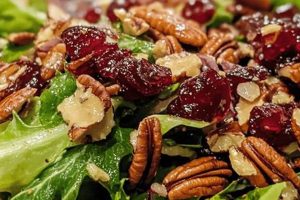
A superb Waldorf salad involves a delicate balance of crisp apples, crunchy celery, and walnuts, bound together with a creamy, typically mayonnaise-based dressing. Often grapes and dried fruit are added, contributing sweetness and textural complexity. Variations might include different apple varieties, the addition of chicken or turkey, and unique dressings incorporating yogurt or buttermilk.
The appeal of this classic dish lies in its refreshing simplicity and adaptability. Its contrasting textures and sweet-tart flavor profile make it a versatile side dish suitable for picnics, potlucks, or elegant dinners. Originating in the late 19th century at New York’s Waldorf Astoria Hotel, the salad has endured, becoming a staple in American cuisine and inspiring countless variations across the globe. Its continued popularity speaks to its inherent deliciousness and adaptability to evolving palates.
The following sections will delve into creating the ideal version of this timeless salad, exploring ingredient selection, preparation techniques, and innovative variations to elevate the dining experience.
Tips for a Superior Waldorf Salad
Elevating a Waldorf salad from satisfactory to exceptional hinges on careful attention to detail. The following tips offer guidance in crafting a truly memorable dish.
Tip 1: Apple Selection is Key: Opt for firm, tart apples such as Granny Smith or Honeycrisp. Their crisp texture and tartness provide a pleasing contrast to the other ingredients. Avoid overly sweet or mealy apples.
Tip 2: Embrace Freshness: Use freshly chopped celery and walnuts. Pre-cut ingredients can lack vibrancy and optimal flavor.
Tip 3: Dressing Matters: While mayonnaise is traditional, consider incorporating Greek yogurt or buttermilk for a lighter, tangier dressing. A touch of lemon juice enhances the flavors.
Tip 4: Balancing Sweetness: The sweetness of grapes or dried fruit complements the tart apples. Adjust the quantity to achieve the desired balance. Consider dried cranberries, chopped dates, or golden raisins.
Tip 5: Textural Variation: Toasted walnuts add a welcome crunch. Toasting enhances their nutty flavor and provides textural complexity.
Tip 6: Proper Proportions: Aim for a balanced ratio of ingredients. Too much of any one component can overwhelm the others.
Tip 7: Timing is Crucial: Dress the salad just before serving to prevent the apples and celery from becoming soggy. This preserves their crispness and maintains the salad’s fresh appeal.
By following these guidelines, one can achieve a Waldorf salad that showcases the harmonious blend of flavors and textures that define this classic dish.
The concluding section offers further inspiration and resources for exploring variations and perfecting this culinary staple.
1. Fresh, Crisp Apples

Fresh, crisp apples form the foundation of a successful Waldorf salad. Their textural contribution is paramount; they provide a satisfying crunch that contrasts with the creamy dressing and softer ingredients. Moreover, the right apple variety introduces a crucial layer of tartness, balancing the sweetness of the grapes or dried fruit and the richness of the mayonnaise. A mealy or overly sweet apple compromises this balance, resulting in a less vibrant, less nuanced salad. Consider the difference between a crisp Granny Smith, offering a sharp, acidic bite, and a softer Red Delicious, whose sweetness can overpower the other flavors. This distinction underscores the importance of apple selection in achieving the desired flavor profile.
The practical implications of choosing the correct apple extend beyond flavor. Crisp apples maintain their structure better when combined with the dressing and other ingredients. They resist becoming mushy or releasing excessive moisture, which can dilute the dressing and compromise the salad’s overall texture. This structural integrity ensures each bite delivers the intended interplay of textures, from the creamy dressing to the crunchy nuts and the crisp, refreshing apple. Imagine a Waldorf salad made with a soft, overripe apple the texture would be uniformly soft, lacking the defining contrast that makes the dish so appealing.
In essence, the choice of apple directly influences the overall quality of the Waldorf salad. Fresh, crisp varieties like Granny Smith, Honeycrisp, or Fuji provide the necessary tartness, textural contrast, and structural integrity crucial for a truly exceptional rendition of this classic dish. Failing to prioritize apple selection can undermine the delicate balance of flavors and textures that define a superior Waldorf salad.
2. Crunchy Celery

Celery’s crisp texture is integral to a well-executed Waldorf salad. Its refreshing crunch provides a counterpoint to the creamy dressing and the sweetness of other ingredients. Understanding celery’s role beyond mere texture reveals its importance in achieving a balanced and nuanced flavor profile.
- Textural Contrast:
Celery’s fibrous stalks offer a distinct crunch, contrasting with the softer textures of apples and grapes. This textural interplay is a defining characteristic of the Waldorf salad, preventing it from becoming monotonous. Imagine biting into a Waldorf salad lacking this crucial crunch; the experience would be significantly less satisfying.
- Flavor Balance:
Celerys subtle, slightly peppery flavor complements the sweetness of the apples and grapes. This subtle savory note adds depth and complexity, preventing the salad from becoming overly sweet. It acts as a bridge between the sweet and savory elements, harmonizing the overall flavor profile.
- Structural Integrity:
Celery maintains its structural integrity even when dressed, contributing to the salad’s overall freshness and preventing it from becoming soggy. This characteristic is essential for a visually appealing and texturally satisfying salad, particularly when prepared in advance.
- Aromatic Complexity:
Celerys aromatic compounds, while subtle, contribute to the overall olfactory experience of the salad. These volatile compounds interact with the other ingredients, adding a layer of complexity that enhances the overall sensory experience.
The interplay of these facetstextural contrast, flavor balance, structural integrity, and aromatic complexitydemonstrates celery’s significance in crafting a truly exceptional Waldorf salad. Its contribution extends beyond mere crunch; it plays a crucial role in balancing flavors, maintaining freshness, and elevating the overall sensory experience. A Waldorf salad without crunchy celery would be incomplete, lacking the dynamic interplay of textures and flavors that define this classic dish.
3. Toasted Walnuts

Toasted walnuts represent a crucial element in a truly exceptional Waldorf salad. Their presence elevates the dish beyond a simple combination of ingredients, adding depth of flavor and textural complexity. Understanding the multifaceted contribution of toasted walnuts reveals their significance in achieving a balanced and satisfying culinary experience.
- Enhanced Flavor:
Toasting walnuts intensifies their inherent nutty flavor. The application of heat releases aromatic compounds, creating a richer, more complex flavor profile compared to raw walnuts. This intensified nuttiness complements the sweetness of the apples and grapes and adds depth to the overall flavor composition.
- Improved Texture:
Toasting walnuts transforms their texture, enhancing their inherent crunch. The heat drives off excess moisture, resulting in a crisper, more satisfying bite. This added crunch contrasts beautifully with the creamy dressing and the softer textures of the fruit and celery, contributing to a more dynamic textural experience.
- Aromatic Complexity:
The toasting process releases volatile aromatic compounds, adding another dimension to the salad’s sensory appeal. These aromas interact with the other ingredients, creating a more nuanced and complex olfactory experience that enhances overall enjoyment.
- Visual Appeal:
Toasted walnuts exhibit a richer, more appealing color than their raw counterparts. This visual enhancement adds to the salad’s aesthetic appeal, making it more inviting and appetizing.
The combination of enhanced flavor, improved texture, aromatic complexity, and visual appeal demonstrates the integral role toasted walnuts play in a superior Waldorf salad. Their inclusion elevates the dish from simple to sophisticated, offering a more nuanced and satisfying sensory experience. A Waldorf salad made with raw walnuts would lack the depth of flavor and textural complexity provided by toasting, highlighting the importance of this seemingly small but significant step in achieving culinary excellence.
4. Balanced Sweetness

Balanced sweetness is a defining characteristic of a superior Waldorf salad. It represents a careful calibration of flavors, ensuring no single element dominates the palate. Achieving this balance is crucial for a harmonious and nuanced flavor profile that distinguishes a truly exceptional Waldorf salad.
- The Interplay of Sweet and Tart:
The sweetness in a Waldorf salad typically comes from grapes, dried fruit, or a touch of honey in the dressing. This sweetness must be balanced by the tartness of crisp apples, such as Granny Smith or Braeburn. The interplay of these contrasting flavors creates a dynamic tension that elevates the salad beyond a simple combination of ingredients. An overly sweet salad lacks complexity and can quickly become cloying, while insufficient sweetness results in a bland, uninspired dish.
- The Role of Acidity:
Acidity plays a crucial role in balancing sweetness. A squeeze of lemon juice in the dressing not only enhances the flavors of the other ingredients but also provides a counterpoint to the sweetness of the fruit. This acidity brightens the overall flavor profile and prevents the salad from becoming overly rich or heavy. The judicious use of acid is a hallmark of a well-balanced Waldorf salad.
- The Influence of Dressing:
The dressing itself contributes to the overall balance of sweetness. Traditional mayonnaise-based dressings can be subtly sweet, while variations incorporating yogurt or buttermilk offer a tangier counterpoint. Careful consideration of the dressing’s sweetness is essential for achieving overall harmony. A dressing that is too sweet can overwhelm the other flavors, while a bland dressing fails to provide the necessary richness and depth.
- The Impact of Ingredient Quality:
The quality of the ingredients directly impacts the balance of sweetness. Ripe, flavorful grapes contribute a natural sweetness that complements the tartness of the apples. Similarly, the use of high-quality dried fruit, such as plump, sweet cranberries or Medjool dates, enhances the overall flavor profile. The careful selection of ingredients ensures a harmonious balance of sweetness and contributes to a more satisfying culinary experience.
The careful orchestration of these elementsthe interplay of sweet and tart, the role of acidity, the influence of the dressing, and the impact of ingredient qualityculminates in a Waldorf salad characterized by balanced sweetness. This balance is not merely the absence of excessive sweetness; it represents a nuanced interplay of flavors that creates a dynamic and harmonious culinary experience, distinguishing a truly exceptional Waldorf salad from a mediocre one. It is this precise balance that elevates the dish to a timeless classic.
5. Creamy Dressing
Creamy dressing forms an integral part of what constitutes a “best recipe Waldorf salad.” It provides the essential textural and flavor counterpoint to the crispness of the apples and celery and the nuttiness of the walnuts. This creamy element binds the ingredients together, both literally and figuratively, creating a cohesive and satisfying culinary experience. The dressing’s richness also complements the sweetness of the fruit, adding depth and complexity to the overall flavor profile. A Waldorf salad without a creamy dressing would be dry, disjointed, and lacking the characteristic richness that defines the dish. It’s the element that transforms individual components into a unified and harmonious whole.
Classic Waldorf salad recipes typically employ a mayonnaise-based dressing. Mayonnaise provides the desired creaminess and a subtle tang that complements the other ingredients. However, variations exist, incorporating yogurt, sour cream, or a combination thereof, offering lighter alternatives while still maintaining the essential creamy texture. These variations allow for adjustments in richness and tanginess, catering to individual preferences while preserving the fundamental character of the salad. Furthermore, additions to the dressing, such as lemon juice, Dijon mustard, or even a touch of honey, introduce further complexity, enhancing the overall flavor profile and creating a more nuanced experience. The choice of dressing, therefore, offers an opportunity for customization and creativity while adhering to the foundational principles of a Waldorf salad.
The importance of the creamy dressing extends beyond mere texture and flavor. It contributes to the overall sensory experience, coating the ingredients and ensuring they meld harmoniously on the palate. This cohesive texture allows for a more balanced distribution of flavors in each bite, preventing any single element from dominating. The creamy dressing also contributes to the visual appeal of the salad, adding a sheen and richness that makes the dish more inviting. A well-made Waldorf salad, with its creamy dressing perfectly emulsified and evenly coating the ingredients, presents a visual feast that enhances the overall dining experience. Ultimately, the creamy dressing is not merely a component but a crucial element that elevates the Waldorf salad to its iconic status.
6. Optimal Proportions

Optimal proportions are essential for achieving a “best recipe Waldorf salad.” Balance among ingredientsapples, celery, walnuts, and grapescreates the intended flavor profile and textural interplay. An excess of any single ingredient can overwhelm the others, diminishing the complexity of the salad. For instance, too much mayonnaise obscures the delicate flavors of the apples and celery, while an overabundance of walnuts can make the salad overly dense and heavy. Conversely, too few grapes might render the salad insufficiently sweet, and a scarcity of apples diminishes the crucial textural contrast. The “best recipe” hinges on a carefully calibrated balance that allows each ingredient to contribute without dominating. This balance ensures a harmonious blend of sweet, tart, creamy, and crunchy elements.
Consider a scenario where walnuts dominate the salad. The intense nuttiness overshadows the other flavors, and the heavy texture overwhelms the refreshing crispness of the apples and celery. Similarly, an overabundance of mayonnaise creates a cloying richness that masks the subtle sweetness of the grapes and the tartness of the apples. These examples illustrate the importance of proportion in achieving a well-balanced and nuanced flavor profile. Achieving optimal proportions requires not just following a recipe but also understanding the role of each ingredient and how they interact with one another. It’s about creating a symphony of flavors and textures, where each element contributes to the overall harmony of the dish.
Understanding the significance of optimal proportions empowers one to adapt and refine recipes based on individual preferences and ingredient availability. While a recipe provides a starting point, the ability to adjust proportions based on taste and available ingredients elevates the cook from a mere follower of instructions to a culinary artist. This understanding transforms the act of preparing a Waldorf salad from a rote procedure into a creative endeavor. Mastery of optimal proportions is thus a crucial step towards crafting a truly exceptional and personalized Waldorf salad experience.
7. Timely Preparation
Timely preparation is a critical factor in achieving a “best recipe Waldorf salad.” Because the salad incorporates fresh ingredients, particularly apples and celery, which are susceptible to oxidation and softening, the timing of preparation significantly impacts the final product’s quality. Delaying assembly ensures the ingredients retain their optimal texture and flavor, contributing to a superior sensory experience.
- Preventing Oxidation:
Apples, particularly varieties commonly used in Waldorf salad like Granny Smith, are prone to browning when exposed to air. This oxidation, while not harmful, affects the salad’s aesthetic appeal and can impart a slightly metallic taste. Timely preparation, involving cutting the apples close to serving time, minimizes oxidation and preserves the fruit’s fresh appearance and flavor. Preemptive measures like coating cut apples with a bit of lemon juice further inhibit browning.
- Maintaining Crispness:
Both apples and celery lose their desirable crispness over time, especially when dressed. The dressing’s moisture content softens these ingredients, resulting in a less satisfying textural experience. Preparing the salad just prior to serving ensures that the apples and celery retain their crunch, contributing to the dynamic interplay of textures that defines a superior Waldorf salad. Delayed dressing preserves the defining textural contrast between the creamy dressing and the crisp fruits and vegetables.
- Preserving Flavor Vibrancy:
Freshly cut ingredients possess a vibrancy of flavor that diminishes over time. Timely preparation ensures the apples, celery, and walnuts retain their peak flavor, contributing to a brighter, more nuanced salad. Allowing the salad to sit for extended periods, especially after dressing, can lead to a muddling of flavors, as the ingredients release moisture and their individual characteristics become less distinct.
- Enhancing Overall Quality:
While certain components, such as toasting the walnuts or preparing the dressing, can be done in advance, the final assembly of the salad is best left until just before serving. This approach guarantees the optimal interplay of textures and flavors, resulting in a fresher, more vibrant, and ultimately more satisfying culinary experience. Timely preparation demonstrates an attention to detail and a commitment to quality that elevates the Waldorf salad from a simple dish to a culinary masterpiece.
Therefore, timely preparation is not merely a practical consideration but an essential element in achieving a “best recipe Waldorf salad.” It ensures the salad maintains its optimal texture, flavor, and visual appeal, demonstrating a respect for the ingredients and a dedication to creating a truly exceptional culinary experience. The attention to timing transforms the act of preparing a Waldorf salad from a simple task into an exercise in culinary excellence.
Frequently Asked Questions
This section addresses common inquiries regarding the preparation and enjoyment of a superior Waldorf salad.
Question 1: What type of apple is best suited for Waldorf salad?
Tart, crisp apples such as Granny Smith, Honeycrisp, or Braeburn are ideal. Their firmness holds up well in the salad, and their tartness balances the sweetness of other ingredients.
Question 2: Can the dressing be made in advance?
While the dressing components can be prepared ahead of time, it’s recommended to combine them just before serving to maintain optimal flavor and prevent separation.
Question 3: How can browning of the apples be prevented?
Tossing cut apples with a small amount of lemon juice inhibits oxidation and helps maintain their fresh appearance.
Question 4: What are suitable alternatives to mayonnaise in the dressing?
Plain yogurt or Greek yogurt offer lighter alternatives while still providing a creamy texture. Buttermilk can also be incorporated for added tang.
Question 5: How long can Waldorf salad be stored?
For optimal quality, Waldorf salad is best consumed immediately after preparation. Refrigeration is possible for a short period, but the apples and celery may soften over time.
Question 6: Can other nuts be substituted for walnuts?
Pecans, almonds, or even cashews can be substituted, but they offer distinct flavor profiles that will alter the classic taste.
Addressing these common questions ensures a greater understanding of the nuances involved in crafting an exceptional Waldorf salad experience. Attention to detail, from ingredient selection to timely preparation, contributes to the realization of a truly superior dish.
Further exploration of Waldorf salad variations and historical context can enrich appreciation for this culinary classic.
Best Recipe Waldorf Salad
Achieving a truly exceptional Waldorf salad hinges on a nuanced understanding of its components. From the crisp bite of fresh apples to the creamy richness of the dressing and the satisfying crunch of toasted walnuts, each element plays a crucial role. The balance of sweetness and tartness, the interplay of textures, and the careful attention to timely preparation contribute to a symphony of flavors and sensations. Optimal proportions ensure that no single ingredient overshadows the others, allowing the distinct characteristics of each component to shine through. It’s this harmonious blend of elements that elevates the Waldorf salad from a simple combination of ingredients to a culinary masterpiece.
The pursuit of the “best recipe” Waldorf salad is an ongoing exploration of flavor and texture. Adaptability and a willingness to experiment with variations, while respecting the foundational principles, allow for personalized interpretations of this classic dish. Ultimately, the “best” Waldorf salad is the one that delights the palate and provides a truly satisfying culinary experience. It is a testament to the enduring appeal of simple ingredients combined with thoughtful preparation.