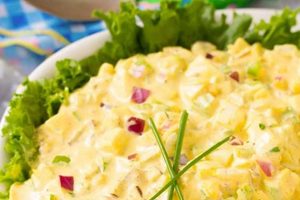
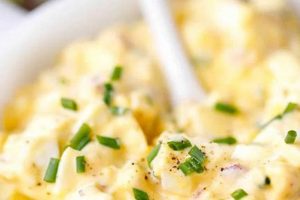
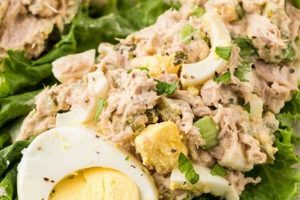
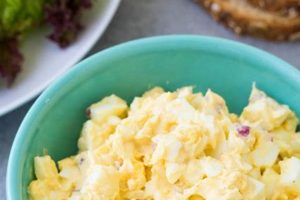
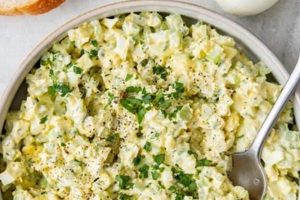
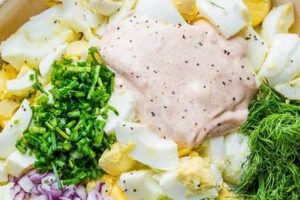
A simple dish combining canned tuna, hard-boiled eggs, and mayonnaise often includes additional ingredients like celery, onion, relish, or seasonings. Variations exist, allowing for customized flavors and textures. This classic combination offers a quick, affordable, and protein-rich meal.
This readily available combination provides a convenient source of protein and essential nutrients. Its adaptability lends itself to diverse culinary applications, from sandwiches and wraps to salads and appetizers. Historically, the rise in popularity of this dish coincided with the increased availability of canned tuna in the early 20th century, solidifying its place as a pantry staple. Its versatility and ease of preparation contribute to its enduring appeal.
Further exploration will delve into specific ingredient selections, preparation techniques, variations, and nutritional information related to this versatile dish. This will equip readers with the knowledge to create their own flavorful and satisfying versions.
Tips for Creating Exceptional Tuna Salad
Optimizing ingredient selection and preparation techniques elevates this simple dish to new heights. Consider these recommendations for a superior culinary experience.
Tip 1: Tuna Selection: Opt for high-quality canned tuna packed in water or oil, depending on preference. Solid or chunk light tuna offers a firm texture, while flaked tuna provides a smoother consistency.
Tip 2: Egg Preparation: Perfectly cooked hard-boiled eggs are essential. Avoid overcooking, which can result in a dry, rubbery texture. Cooling the eggs rapidly in ice water after boiling facilitates easy peeling.
Tip 3: Mayonnaise Matters: The quality of mayonnaise significantly impacts the overall flavor. Experiment with different brands and varieties, such as light or olive oil-based mayonnaise, to find a preferred taste.
Tip 4: Enhancing Flavors: Freshly chopped celery and red onion contribute a crisp, aromatic dimension. Consider incorporating finely diced pickles, relish, or capers for added zest.
Tip 5: Seasoning Strategies: Classic seasonings include salt, black pepper, and paprika. A dash of Dijon mustard or lemon juice can brighten the flavor profile. Experiment with herbs like dill or chives.
Tip 6: Texture Control: For a chunkier salad, use a fork to coarsely flake the tuna. For a smoother texture, mash the tuna more thoroughly. The size of chopped vegetables also influences texture.
Tip 7: Chilling Time: Allowing the salad to chill for at least 30 minutes before serving allows the flavors to meld and enhances the overall experience.
By implementing these tips, one can achieve a well-balanced and flavorful tuna salad. Attention to detail in ingredient selection and preparation results in a superior culinary outcome.
The following section will explore various serving suggestions and creative adaptations of this classic dish.
1. High-quality Canned Tuna

High-quality canned tuna serves as the foundation of a flavorful tuna salad recipe with egg and mayonnaise. The choice of tuna significantly impacts the overall taste, texture, and nutritional value of the final dish. Understanding the nuances of canned tuna selection is crucial for achieving optimal results.
- Species and Cut:
Different tuna species offer varying flavor profiles and textures. Albacore tuna, known for its delicate flavor and light color, is often considered premium. Skipjack and yellowfin tuna offer more robust flavors and firmer textures. The cut of tuna also matters. Solid or chunk tuna provides larger pieces ideal for a coarser texture, while flaked tuna offers a finer consistency. Choosing the right species and cut influences the final salad’s character.
- Packing Medium:
Tuna is commonly packed in water, oil, or brine. Water-packed tuna offers a leaner option, while oil-packed tuna provides a richer flavor and moister texture. The type of oil, such as olive oil or vegetable oil, also influences the final taste. Draining excess liquid before incorporating the tuna into the salad is essential for achieving the desired consistency.
- Sustainability and Sourcing:
Sustainable fishing practices ensure the long-term health of tuna populations and the marine ecosystem. Choosing tuna from brands committed to sustainable sourcing contributes to responsible consumption. Certifications, such as those from the Marine Stewardship Council (MSC), help consumers identify sustainably sourced tuna products.
- Freshness and Quality Indicators:
Examining the can’s appearance and checking the “best by” date are crucial for selecting fresh, high-quality tuna. Avoid cans with dents or bulges, as these can indicate spoilage. Upon opening, the tuna should have a clean, fresh aroma. The color should be consistent with the species and packing medium. Any off-odors or discoloration should be considered a sign of spoilage.
Careful consideration of these factors contributes significantly to the overall success of a tuna salad recipe with egg and mayonnaise. Selecting high-quality canned tuna elevates the dish from simple to exceptional. The interplay between the tuna’s inherent qualities and the other ingredients creates a harmonious balance of flavors and textures, resulting in a truly satisfying culinary experience.
2. Freshly Cooked Eggs
The inclusion of freshly cooked eggs significantly contributes to the texture, flavor, and nutritional value of tuna salad. Proper egg preparation is essential for achieving the desired outcome. Overcooked eggs can become dry and rubbery, detracting from the overall experience. Understanding the nuances of egg cooking ensures optimal results within the context of tuna salad.
- Cooking Method:
Several methods exist for cooking eggs, including boiling, steaming, and baking. For tuna salad, boiling is the most common and efficient method. Maintaining a consistent simmer and precise timing are crucial for achieving the desired level of doneness. Overcooking results in a dry, crumbly yolk, while undercooking leads to a runny texture unsuitable for tuna salad.
- Cooling and Peeling:
Immediately transferring cooked eggs to an ice bath halts the cooking process and facilitates easy peeling. The rapid temperature change helps separate the egg white from the shell. Gentle tapping and rolling the egg on a hard surface creates cracks, allowing for efficient shell removal. Cleanly peeled eggs contribute to a more aesthetically pleasing and palatable tuna salad.
- Chopping and Incorporating:
The size to which the eggs are chopped influences the final texture of the tuna salad. Coarsely chopped eggs provide distinct textural contrast, while finely chopped eggs create a more uniform consistency. The method of incorporation also matters. Gently folding the chopped eggs into the tuna mixture prevents overmixing and maintains the egg’s structural integrity.
- Nutritional Contribution:
Eggs provide a valuable source of protein, vitamins, and minerals, enhancing the nutritional profile of tuna salad. The yolk contains essential fatty acids and fat-soluble vitamins. Including eggs contributes to a more balanced and nutritious meal, complementing the protein and healthy fats provided by the tuna.
Properly cooked and incorporated eggs elevate tuna salad from a simple combination of ingredients to a more complex and satisfying dish. The interplay of textures and flavors, combined with the added nutritional benefits, underscores the importance of fresh, properly prepared eggs in a well-executed tuna salad recipe.
3. Flavorful Mayonnaise

Mayonnaise serves as a crucial binding agent and flavor enhancer in tuna salad, significantly impacting the overall sensory experience. Its creamy texture coats the other ingredients, creating a cohesive mixture while contributing a rich mouthfeel. The flavor profile of the mayonnaise interacts directly with the tuna, eggs, and any additional components, influencing the final taste. A bland mayonnaise can result in a lackluster salad, while a flavorful mayonnaise elevates the dish, creating a more satisfying culinary experience. For example, a mayonnaise with a hint of lemon or dill complements the flavors of the tuna and eggs, creating a brighter, more complex flavor profile. Conversely, a mayonnaise with a smoky or spicy flavor adds depth and intrigue.
The quantity of mayonnaise also plays a vital role. Too little mayonnaise results in a dry, crumbly salad, while too much can create an overly rich and heavy texture. Achieving the proper balance is essential for optimal enjoyment. This balance depends on personal preference and the specific ingredients used. For instance, a tuna salad with a higher proportion of celery or onion might require more mayonnaise to achieve the desired consistency. Furthermore, the type of mayonnaise influences the final outcome. Traditional mayonnaise, made with egg yolks and oil, provides a classic flavor and texture. Variations, such as light mayonnaise or those made with different oils, offer alternative flavor profiles and can cater to dietary preferences.
Understanding the role of mayonnaise in tuna salad allows for informed decision-making regarding ingredient selection and preparation. Careful consideration of the mayonnaise’s flavor profile, quantity, and type empowers one to create a customized tuna salad experience tailored to individual preferences. Achieving the optimal balance of flavors and textures through the judicious use of mayonnaise elevates this simple dish to a culinary delight. The interplay between the mayonnaise and the other ingredients creates a symphony of tastes and textures, demonstrating the practical significance of understanding this key component.
4. Complementary Ingredients
Complementary ingredients play a pivotal role in elevating tuna salad beyond a basic combination of tuna, egg, and mayonnaise. These additions contribute layers of flavor, texture, and visual appeal, transforming the dish into a more complex and satisfying culinary experience. The careful selection and incorporation of complementary ingredients allow for customization and personalization, catering to individual preferences and dietary needs. The interplay between these ingredients and the core components creates a harmonious balance, enhancing the overall enjoyment of the salad.
Several categories of complementary ingredients enhance tuna salad. Aromatic vegetables, such as finely diced red onion, celery, or bell peppers, introduce crispness and a refreshing counterpoint to the richness of the mayonnaise. The sharp bite of red onion, for example, cuts through the creamy texture, adding a dimension of flavor complexity. Similarly, the subtle sweetness and crunch of celery provide textural contrast. Incorporating briny or acidic elements, like chopped pickles, relish, or capers, introduces a tangy dimension that balances the richness of the tuna and mayonnaise. The salty, vinegary notes of these ingredients create a dynamic interplay of flavors. Fresh herbs, such as dill, chives, or parsley, contribute bright, herbaceous notes that enhance the overall freshness of the salad. Dill, with its slightly anise-like flavor, pairs particularly well with tuna. Spices and seasonings, such as black pepper, paprika, or a dash of cayenne pepper, further enhance the flavor profile, adding depth and complexity. A touch of Dijon mustard adds a subtle tanginess that complements the other ingredients.
Understanding the role and impact of complementary ingredients is essential for crafting a well-balanced and flavorful tuna salad. Consideration of texture, flavor profiles, and the desired overall balance allows for informed ingredient selection and strategic incorporation. The interplay of these elements transforms a simple tuna salad into a culinary creation that tantalizes the taste buds and provides a satisfying and nutritious meal. The practical application of this knowledge empowers individuals to create customized tuna salads tailored to their specific preferences, demonstrating the significant impact of complementary ingredients.
5. Proper Seasoning
Proper seasoning is paramount in achieving a well-balanced and flavorful tuna salad recipe with egg and mayonnaise. Seasoning elevates the inherent flavors of the core ingredients, creating a harmonious blend of tastes. It transforms a bland mixture into a vibrant culinary experience. The nuances of seasoning lie in understanding the interplay of different flavor profiles and the judicious use of salt, pepper, herbs, and spices.
- Salt and Pepper:
Salt and freshly ground black pepper form the foundation of proper seasoning in tuna salad. Salt enhances the flavors of the tuna, eggs, and other ingredients, while pepper adds a subtle bite and complexity. The quantity of salt used should be carefully considered to avoid overpowering the delicate flavors. A small amount of salt can significantly impact the overall taste, so gradual incorporation and tasting throughout the process are recommended.
- Herbs and Spices:
Fresh or dried herbs and spices introduce layers of flavor complexity to tuna salad. Dill, chives, and parsley are classic choices that complement the tuna and egg flavors. Paprika adds a subtle smokiness, while a pinch of cayenne pepper provides a touch of heat. Experimentation with different herb and spice combinations allows for customization and personalization, catering to individual preferences. Fresh herbs offer a brighter, more vibrant flavor, while dried herbs provide a more concentrated and earthy taste.
- Acidic Elements:
A touch of acidity brightens the flavors of tuna salad, balancing the richness of the mayonnaise. Lemon juice or a splash of vinegar adds a refreshing tang that cuts through the creamy texture. The acidity also helps to preserve the freshness of the salad. The type of acid used can influence the overall flavor profile. Lemon juice provides a citrusy brightness, while apple cider vinegar offers a slightly sweeter and more mellow acidity.
- Balancing Flavors:
The key to proper seasoning lies in achieving a harmonious balance of flavors. No single ingredient should overpower the others. The goal is to create a symphony of tastes that complement and enhance each other. This balance can be achieved through careful consideration of the quantities used and the interplay between different flavor profiles. Tasting throughout the seasoning process is crucial for adjusting and fine-tuning the flavors to achieve the desired outcome.
Proper seasoning transforms tuna salad from a simple combination of ingredients into a flavorful and satisfying culinary creation. The careful consideration of salt, pepper, herbs, spices, and acidic elements elevates the dish, creating a complex interplay of tastes and textures. Mastering the art of seasoning unlocks the full potential of tuna salad, allowing for endless variations and personalized flavor experiences.
Frequently Asked Questions
This section addresses common inquiries regarding the preparation and consumption of tuna salad incorporating eggs and mayonnaise.
Question 1: How long can tuna salad with egg and mayonnaise be safely stored?
Refrigeration at or below 40F (4C) is crucial. Consume within three to five days for optimal quality and safety. Spoilage indicators include off-odors, discoloration, or unusual texture.
Question 2: Can this recipe be adapted for individuals with dietary restrictions?
Substitutions can accommodate dietary needs. Greek yogurt or avocado can replace mayonnaise for a lower-fat option. Egg whites can be used instead of whole eggs to reduce cholesterol. Gluten-free bread or crackers can be selected for gluten-sensitive individuals.
Question 3: What are common signs of spoilage?
Discoloration, a sour or unpleasant odor, and a slimy texture indicate spoilage. If any of these signs are present, discard the salad immediately.
Question 4: Can different types of tuna be used?
Various canned tuna types, including albacore, skipjack, and yellowfin, are suitable. The choice depends on individual flavor preferences. Solid or chunk light tuna offers a firmer texture, while flaked tuna provides a smoother consistency. Oil-packed or water-packed options are available, impacting the overall richness and calorie content.
Question 5: What are some serving suggestions beyond sandwiches?
Tuna salad can be served in lettuce wraps, on crackers, as a filling for tomatoes or avocados, or as a topping for baked potatoes. It can also be incorporated into a green salad for added protein. These variations offer diverse options beyond traditional sandwiches.
Question 6: How can one prevent the salad from becoming watery?
Thorough draining of the tuna and ensuring the eggs are completely dry before chopping helps prevent excess moisture. Using a thicker mayonnaise or adding a small amount of finely chopped celery or onion can also absorb excess liquid. These steps contribute to a desirable texture.
Careful attention to food safety, ingredient selection, and preparation techniques ensures a satisfying and safe culinary experience. Understanding these aspects allows for informed choices and optimal enjoyment of this versatile dish.
This concludes the frequently asked questions section. The following section will offer concluding remarks.
Tuna Salad Recipe with Egg and Mayonnaise
This exploration has provided a comprehensive overview of creating and appreciating tuna salad with egg and mayonnaise. Key aspects discussed include ingredient selection, preparation techniques, flavor balancing, and safe handling practices. Emphasis was placed on the importance of high-quality tuna, properly cooked eggs, and flavorful mayonnaise. The impact of complementary ingredients and proper seasoning on the final product was also highlighted. Nutritional considerations and adaptations for dietary restrictions were addressed. Furthermore, common questions regarding storage, spoilage indicators, and serving suggestions were clarified. The versatility and adaptability of this dish were underscored.
Tuna salad with egg and mayonnaise remains a timeless classic due to its simplicity, affordability, and nutritional value. Continued exploration of variations and flavor combinations allows for personalized culinary experiences. Adherence to safe food handling practices ensures a healthy and enjoyable consumption experience. This information empowers individuals to create and savor this versatile dish, appreciating its enduring appeal within culinary traditions.