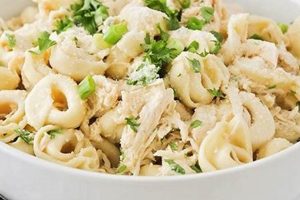
A Mediterranean-inspired dish featuring grilled or roasted chicken combined with classic Greek ingredients like cucumbers, tomatoes, red onion, Kalamata olives, and feta cheese, often dressed with a lemon-herb vinaigrette. Variations may include other vegetables such as bell peppers or artichoke hearts, and different herbs like oregano or mint.
This culinary creation offers a nutritious and flavorful meal option. The lean protein from chicken, combined with the healthy fats from olives and the vitamins and minerals from fresh vegetables, contributes to a balanced diet. Its refreshing flavors and customizable nature make it a popular choice for picnics, light lunches, or a healthy dinner. Historically, similar salads have been part of Mediterranean cuisine for centuries, evolving into the modern interpretations we enjoy today. The emphasis on fresh, seasonal ingredients aligns with the core principles of this dietary tradition.
Further exploration will delve into specific variations, preparation techniques, nutritional information, and tips for maximizing flavor and presentation. This information will empower readers to create their own delicious and healthy versions of this popular dish.
Tips for a Delicious and Healthy Mediterranean-Inspired Chicken Salad
Optimizing flavor and freshness requires attention to detail. The following tips offer guidance for creating a truly exceptional culinary experience.
Tip 1: Marinate the Chicken: Marinating the chicken, even briefly, enhances its flavor and tenderness. A simple marinade of lemon juice, olive oil, garlic, and oregano works well.
Tip 2: Grill or Roast for Best Flavor: Grilling or roasting the chicken imparts a smoky char and enhances the overall taste compared to other cooking methods like boiling or pan-frying.
Tip 3: Use High-Quality Ingredients: Fresh, ripe produce and good quality feta cheese are essential for the best flavor. Opt for Kalamata olives for their rich, briny taste.
Tip 4: Make Your Own Dressing: A homemade vinaigrette offers superior flavor and allows for customization. A simple lemon-herb vinaigrette is a classic choice.
Tip 5: Don’t Overdress the Salad: Too much dressing can make the salad soggy. Start with a small amount and add more as needed.
Tip 6: Add Fresh Herbs: Fresh herbs like oregano, mint, or dill elevate the flavor profile and add a vibrant touch.
Tip 7: Chill Before Serving (Optional): Chilling allows the flavors to meld and creates a refreshing salad, especially enjoyable during warmer months.
By following these guidelines, one can achieve a flavorful and nutritious meal that showcases the best of Mediterranean-inspired cuisine.
These techniques will allow anyone to create a dish that is both satisfying and healthful. The following section offers a concluding perspective on this versatile culinary creation.
1. Fresh Ingredients

Fresh ingredients are fundamental to a successful Greek chicken salad. The vibrancy and overall quality of the salad directly correlate to the freshness of its components. Fresh produce offers optimal flavor, texture, and nutritional value. The crispness of cucumbers and tomatoes, the brightness of red onion, and the robust flavor of fresh herbs contribute significantly to the overall sensory experience. Using wilted or less-than-fresh produce compromises the flavor profile and diminishes the salad’s appeal. For instance, a salad made with out-of-season tomatoes lacks the sweetness and juiciness of ripe, in-season varieties, impacting the overall taste.
Furthermore, the emphasis on fresh ingredients aligns with the principles of Mediterranean cuisine, which traditionally prioritizes seasonal produce. This connection underscores the importance of sourcing high-quality ingredients. Selecting ripe, locally sourced produce whenever possible enhances both the flavor and the nutritional value. The contrast between freshly made and store-bought versions clearly illustrates this principle. Store-bought options often utilize preservatives and pre-cut ingredients that may compromise freshness, resulting in a less vibrant and flavorful salad.
Ultimately, prioritizing fresh ingredients elevates the Greek chicken salad from a simple dish to a culinary experience. The quality of ingredients directly impacts the taste, texture, and nutritional benefits. Acknowledging this relationship allows for informed choices that result in a more satisfying and healthful meal. This understanding underscores the significance of ingredient selection within the broader context of recipe development and culinary appreciation.
2. Authentic Greek Flavors

Authentic Greek flavors are essential to a genuine Greek chicken salad experience. These flavors, derived from specific ingredients and their combinations, distinguish the salad from other chicken salad variations. The hallmark ingredientsKalamata olives, feta cheese, oregano, and lemoncreate a distinctive flavor profile characterized by brininess, saltiness, earthiness, and brightness. Omitting or substituting these core components compromises the authenticity and diminishes the connection to traditional Greek cuisine. For example, using black olives instead of Kalamata olives alters the flavor profile due to the difference in taste and texture. Similarly, substituting another cheese for feta changes the salty, tangy element crucial to the overall experience.
The careful balance of these flavors is crucial. The saltiness of feta complements the brininess of Kalamata olives, while the acidity of lemon brightens the overall palate and balances the richer flavors. Oregano provides an earthy, herbaceous note that ties the ingredients together. This synergy creates a complex and harmonious flavor profile that defines the dish. Disrupting this balance, such as by overusing one ingredient or omitting another, can lead to a less satisfying outcome. For instance, an overabundance of feta can overpower the other flavors, while a lack of lemon can make the salad taste flat.
Achieving authentic Greek flavors requires not only selecting the correct ingredients but also understanding their interplay. This understanding allows for informed choices regarding ingredient sourcing, preparation, and combination. The practical significance lies in the ability to recreate a truly authentic culinary experience that reflects the traditions and flavors of Greek cuisine. This knowledge empowers individuals to appreciate the nuances of flavor and understand the cultural context of the dish, ultimately enhancing their overall culinary experience. The ability to discern authentic flavors from imitations further reinforces the value of culinary knowledge and appreciation for traditional cuisine.
3. Balanced Nutrition

Nutritional balance is a key attribute of a well-composed Greek chicken salad recipe. This balance stems from the combination of lean protein, healthy fats, and a variety of vitamins and minerals derived from fresh produce. Understanding this nutritional profile allows for informed choices regarding ingredient selection and portion control, contributing to a meal that is both satisfying and health-conscious.
- Lean Protein Source
Grilled or roasted chicken provides a substantial source of lean protein, essential for muscle building and repair. Chicken breast, in particular, is a low-fat option. The protein content contributes to satiety, reducing the likelihood of overeating. This aspect makes the salad a suitable choice for individuals managing weight or seeking a protein-rich meal.
- Healthy Fats
Kalamata olives and the olive oil used in the dressing contribute healthy monounsaturated fats. These fats are beneficial for cardiovascular health and contribute to a feeling of fullness. They also aid in the absorption of fat-soluble vitamins present in the vegetables. This balance of healthy fats enhances the nutritional value without contributing excessive saturated or unhealthy fats. For example, choosing extra virgin olive oil maximizes the health benefits.
- Vitamins and Minerals
The fresh vegetables in the saladtomatoes, cucumbers, red onionprovide essential vitamins and minerals. Tomatoes are rich in lycopene, an antioxidant. Cucumbers offer hydration and electrolytes. Red onion contains antioxidants and beneficial sulfur compounds. This variety ensures a diverse intake of micronutrients, supporting overall health and well-being. The emphasis on fresh produce maximizes the vitamin and mineral content compared to processed or pre-packaged alternatives.
- Customizable Nutrition
The adaptable nature of the recipe allows for further nutritional customization. Adding other vegetables, such as bell peppers or spinach, increases the vitamin and mineral content. Incorporating chickpeas or other legumes adds fiber and plant-based protein. These modifications cater to individual dietary needs and preferences. For example, individuals seeking to increase fiber intake can add chickpeas, while those focusing on specific vitamin intake can incorporate nutrient-rich leafy greens.
The combination of these nutritional components makes Greek chicken salad a well-rounded meal option. The balance of macronutrients and micronutrients contributes to sustained energy levels, satiety, and overall health. Understanding these elements empowers individuals to appreciate the nutritional value of the dish and make informed choices to further enhance its health benefits. This knowledge supports a holistic approach to diet and emphasizes the role of food in promoting well-being.
4. Versatile Preparation

Versatile preparation distinguishes the Greek chicken salad recipe, offering adaptability to various dietary needs, preferences, and occasions. This adaptability stems from the recipe’s core structure, allowing modifications without compromising its fundamental character. Ingredient substitutions, additions, and variations in cooking methods demonstrate this versatility. For example, vegetarians can substitute chickpeas or tofu for chicken, maintaining the salad’s essence while aligning with dietary restrictions. Similarly, individuals seeking lower carbohydrate options can omit or reduce the amount of olives, adapting the recipe to specific dietary goals.
This adaptability extends beyond ingredient choices. Serving styles also contribute to the recipe’s versatile nature. The salad can function as a light lunch, a substantial dinner component, or party appetizer. It can be served atop greens, stuffed into pita bread, or enjoyed as a standalone dish. These variations showcase the recipe’s adaptability to different contexts. For instance, serving the salad in lettuce cups provides a lighter, low-carbohydrate option, while serving it as a sandwich filling offers a more substantial meal. These examples illustrate the practical significance of versatile preparation, empowering individuals to tailor the recipe to specific needs and circumstances.
The versatility inherent within the Greek chicken salad recipe enhances its appeal and practicality. This characteristic allows the dish to transcend individual preferences and dietary restrictions. It simplifies meal planning, reduces food waste by allowing for ingredient substitutions based on availability, and offers a customizable culinary experience. This understanding empowers individuals to embrace the recipe as a flexible framework, encouraging creativity and adaptation while maintaining the dish’s fundamental character and flavor profile. Ultimately, this versatility solidifies the Greek chicken salad’s position as a valuable and adaptable culinary asset.
5. Flavorful Dressing

Flavorful dressing plays a pivotal role in a successful Greek chicken salad recipe, acting as a unifying element that elevates the dish beyond a simple combination of ingredients. The dressing contributes not only flavor but also texture and moisture, enhancing the overall sensory experience. A well-crafted dressing complements the existing flavors of the chicken and vegetables, creating a harmonious blend that amplifies the individual components while contributing its own distinct character. A simple lemon-herb vinaigrette, a classic choice for Greek salad, exemplifies this principle. The acidity of the lemon brightens the other flavors, while the herbs, such as oregano and dill, provide an aromatic complexity that enhances the overall taste profile.
The impact of dressing extends beyond mere flavor enhancement. It also influences the perceived freshness and palatability of the salad. A balanced dressing prevents the salad from becoming dry or bland, ensuring a more enjoyable culinary experience. Furthermore, the dressing’s texture contributes to the overall mouthfeel. A vinaigrette, for instance, adds a light and refreshing element, while a thicker, creamier dressing might provide a richer, more substantial texture. This textural element further enhances the salad’s complexity. Consider a Greek chicken salad dressed with a heavy, mayonnaise-based dressing. The heavier dressing masks the fresh flavors of the vegetables and the chicken, resulting in a less vibrant and authentic Greek experience.
Understanding the critical role of dressing in a Greek chicken salad recipe allows for informed decision-making regarding flavor profiles and desired outcomes. This knowledge empowers individuals to select appropriate dressings, create homemade versions tailored to specific preferences, and adjust ingredients to achieve optimal balance and flavor. A properly balanced dressing elevates the dish from a simple combination of ingredients to a cohesive and flavorful culinary creation. The absence or inadequacy of a suitable dressing can result in a less satisfying and potentially unbalanced meal. Therefore, recognizing the integral role of flavorful dressing provides a crucial element in achieving a truly exceptional Greek chicken salad experience. This comprehension underscores the importance of considering all components and their interactions within a recipe.
6. Proper Chicken Cooking

Proper chicken cooking is paramount in a Greek chicken salad recipe, impacting not only the dish’s safety but also its flavor, texture, and overall appeal. Undercooked chicken presents significant health risks due to potential bacterial contamination, such as Salmonella. Thoroughly cooking the chicken to an internal temperature of 165F (74C) eliminates this risk. Beyond safety, proper cooking methods significantly influence the culinary outcome. Dry, overcooked chicken results in a less palatable salad experience, while undercooked chicken compromises both texture and flavor. Grilling or roasting methods enhance the chicken’s flavor, adding a desirable char and smokiness that complements the other salad components. Boiling, while ensuring safe consumption, often results in blander chicken less suited to the vibrant flavor profile of a Greek salad. For example, imagine biting into a Greek salad with dry, stringy chicken; the overall enjoyment diminishes significantly. Conversely, succulent, properly grilled chicken enhances the salad’s appeal.
The choice of cooking method influences the chicken’s interaction with the other salad ingredients. Grilled or roasted chicken absorbs marinades more effectively, enhancing its flavor contribution to the final dish. These methods also create textural variation, providing a pleasant contrast to the crisp vegetables and creamy feta. The practical application of this understanding lies in selecting cooking techniques that optimize both safety and flavor. Using a meat thermometer ensures precise temperature control, eliminating the guesswork associated with doneness. Marinating the chicken before grilling or roasting infuses it with additional flavors that complement the Greek profile, such as lemon, garlic, and oregano. These techniques enhance the overall culinary experience, demonstrating the integral role of proper chicken cooking within the recipe.
In conclusion, proper chicken cooking is essential for a successful and enjoyable Greek chicken salad. It forms the foundation of a safe and flavorful dish, impacting both health and culinary satisfaction. Attention to cooking methods, temperature control, and complementary flavor profiles elevates the final product. Overlooking this crucial aspect compromises the recipe’s potential, highlighting the interconnectedness of ingredients and techniques in achieving a well-balanced and delicious culinary outcome. The practical application of this understanding ensures a safe, flavorful, and texturally satisfying experience, demonstrating the integral role of proper chicken cooking within the broader culinary context of the Greek chicken salad.
Frequently Asked Questions
This section addresses common inquiries regarding Greek chicken salad preparation and variations.
Question 1: Can other cheeses be substituted for feta?
While feta provides the authentic Greek flavor profile, substitutions are possible. Goat cheese offers a similar tang, while ricotta salata contributes a salty, crumbly texture. However, these substitutions will alter the traditional taste.
Question 2: What are suitable alternatives to grilled or roasted chicken?
Rotisserie chicken offers convenience, while pan-fried or baked chicken provide viable alternatives. However, these methods may not replicate the smoky char achieved through grilling or roasting.
Question 3: How long can Greek chicken salad be stored?
Refrigeration in an airtight container allows storage for up to three days. However, optimal flavor and texture are best enjoyed within 24 hours of preparation.
Question 4: Can Greek chicken salad be frozen?
Freezing is not recommended. The high water content of the vegetables compromises texture upon thawing, resulting in a less desirable consistency.
Question 5: How can sodium content be reduced?
Rinsing Kalamata olives under cold water reduces their saltiness. Using low-sodium feta or reducing the amount used further minimizes sodium content. Monitoring added salt in the dressing also aids in sodium reduction.
Question 6: Can this recipe be adapted for vegetarian or vegan diets?
Substituting chickpeas or marinated tofu for the chicken creates a vegetarian option. For a vegan version, ensure the dressing contains no animal products, such as honey or dairy.
Understanding these common points of inquiry assists in successful recipe adaptation and addresses potential concerns regarding preparation, storage, and dietary modifications. This information enhances the overall culinary experience and promotes informed choices regarding ingredient selection and preparation methods.
For further exploration, the following section offers a collection of related recipes and variations on the classic Greek chicken salad theme.
Greek Chicken Salad Recipe
Exploration of the Greek chicken salad recipe reveals a dish characterized by fresh ingredients, authentic flavors, and balanced nutrition. Proper chicken preparation, a flavorful dressing, and versatile presentation contribute to its wide appeal. From ingredient selection to cooking methods, each component plays a crucial role in the final culinary outcome. The emphasis on fresh produce, lean protein, and healthy fats aligns with contemporary dietary preferences for nutritious and flavorful meals.
The Greek chicken salad recipe offers a foundation for culinary exploration and adaptation. Its versatility allows for personalized variations while maintaining its core identity. An understanding of its essential elements empowers informed choices, contributing to a more satisfying and healthful culinary experience. Ultimately, this exploration emphasizes the enduring appeal of fresh, flavorful cuisine and its potential for both nourishment and enjoyment.