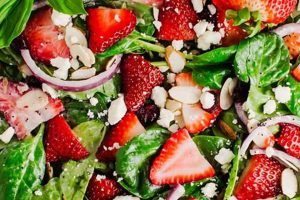
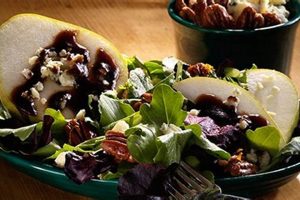
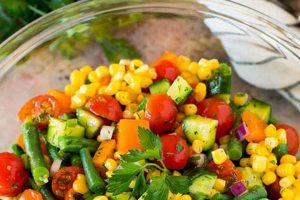
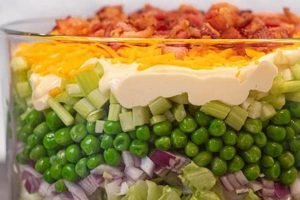
Light, refreshing, and packed with seasonal produce, summer salads offer a welcome respite from heavier meals. These dishes typically feature a base of leafy greens like spinach, romaine, or butter lettuce, complemented by a variety of fresh vegetables and herbs. A simple vinaigrette or light dressing often completes the dish, enhancing the natural flavors of the ingredients. An example might include a salad of baby spinach, grilled peaches, crumbled goat cheese, toasted pecans, and a honey-balsamic vinaigrette.
Salads featuring fresh, seasonal ingredients provide essential vitamins, minerals, and antioxidants, contributing to overall health and well-being. During warmer months, these dishes offer a hydrating and nutrient-rich alternative to heavier, calorie-dense meals. Historically, the consumption of fresh greens and vegetables has been associated with vitality and health across various cultures, and this tradition continues today with the emphasis on seasonal eating.
The following sections will explore specific seasonal ingredients ideal for summer salads, offer a variety of flavorful dressing recipes, and provide tips for creating visually appealing and delicious summer salad creations. Guidance will also be offered on selecting and storing fresh produce to maximize flavor and nutritional value.
Tips for Creating Exceptional Summer Salads
Elevating a simple salad to an exceptional culinary experience requires attention to detail and an understanding of flavor pairings. The following tips offer guidance for creating summer salads that are both nutritious and delicious.
Tip 1: Embrace Seasonal Produce: Selecting produce at its peak ripeness guarantees optimal flavor and nutritional value. Farmers’ markets offer a wide array of seasonal vegetables and fruits perfect for summer salads.
Tip 2: Prioritize Variety: Incorporating a diverse range of textures and flavors enhances the sensory experience. Consider combining leafy greens with crunchy vegetables, soft cheeses, nuts, and fruits.
Tip 3: Dress Strategically: Dressings should complement, not overpower, the flavors of the salad ingredients. Light vinaigrettes or simple lemon-herb dressings often work best with delicate summer produce.
Tip 4: Proper Storage Matters: Storing ingredients correctly maintains freshness and prevents wilting. Leafy greens should be washed and dried thoroughly before storage in airtight containers.
Tip 5: Balance Flavors: Aim for a balance of sweet, savory, acidic, and bitter flavors. This can be achieved through thoughtful ingredient pairings and the judicious use of herbs and spices.
Tip 6: Add Protein: Grilled chicken, fish, or tofu can be added to create a more substantial and satisfying salad.
Tip 7: Don’t Forget the Herbs: Fresh herbs like basil, mint, and cilantro can elevate a summer salad with their bright, aromatic flavors.
By following these tips, one can consistently create summer salads that are both visually appealing and bursting with flavor, ensuring a delightful and healthy culinary experience.
These guidelines provide a foundation for crafting exceptional summer salads. Experimentation with different flavor combinations and textures is encouraged to discover personal preferences and create signature dishes.
1. Fresh, Seasonal Greens

Fresh, seasonal greens form the foundation of compelling summer salads. Their availability varies throughout the summer months, offering opportunities to explore diverse flavors and textures. Selecting greens at their peak ripeness ensures optimal nutritional value and contributes significantly to the overall success of a summer salad.
- Variety and Availability
Different greens offer unique flavor profiles and textures. Early summer might feature tender spinach and peppery arugula, while mid-summer brings crisp romaine and butter lettuce. Late summer often sees an abundance of heartier greens like kale and Swiss chard. Understanding seasonal availability allows for incorporating the freshest, most flavorful greens into salads.
- Nutritional Benefits
Fresh greens are packed with vitamins, minerals, and antioxidants. These nutrients contribute to overall health and well-being, making summer salads a nutritious choice. The specific nutritional content varies depending on the type of green, further emphasizing the importance of variety.
- Flavor Profiles
The flavor profiles of different greens range from mild and buttery to peppery and assertive. Spinach offers a mild, slightly sweet flavor, while arugula provides a peppery bite. Romaine lettuce has a crisp, refreshing taste, while butter lettuce is known for its delicate, buttery flavor. These diverse flavors allow for creating salads that cater to individual preferences.
- Culinary Applications
Beyond serving as a base, fresh greens can be incorporated into salads in various ways. Baby spinach can be tossed with other ingredients, while larger romaine leaves can be used as wraps or cups for other salad components. Kale can be massaged with olive oil and lemon juice to tenderize its leaves and enhance its flavor. These versatile applications contribute to both the visual appeal and textural complexity of summer salads.
The careful selection and utilization of fresh, seasonal greens elevates summer salads from simple side dishes to vibrant, flavorful centerpieces. By understanding the nuances of different greens and their respective characteristics, one can create salads that are not only delicious but also nutritionally rich and visually appealing. The interplay of flavors, textures, and colors makes summer salads a celebration of seasonal bounty.
2. Colorful Vegetables

Colorful vegetables play a crucial role in summer salad recipes, contributing not only to visual appeal but also to nutritional value and flavor complexity. Their vibrant hues indicate a rich diversity of phytonutrients, beneficial plant compounds that offer various health benefits. The inclusion of a variety of colors ensures a broader spectrum of these nutrients. For instance, red bell peppers are rich in vitamin C and antioxidants, while orange carrots provide beta-carotene, a precursor to vitamin A. These nutrients contribute to immune function, eye health, and overall well-being. Furthermore, the contrasting colors and textures create a more engaging sensory experience, making the salad more appealing and enjoyable.
Beyond their nutritional contributions, colorful vegetables offer a wide range of flavors and textures that enhance the overall complexity of a summer salad. Sweet corn, juicy tomatoes, crisp cucumbers, and peppery radishes each contribute unique flavor profiles, creating a balanced and dynamic culinary experience. The strategic combination of these elements allows for crafting salads that are both refreshing and satisfying. For example, the sweetness of corn can balance the acidity of tomatoes, while the crispness of cucumbers contrasts with the soft texture of avocado. This interplay of flavors and textures elevates a simple green salad to a more sophisticated and satisfying dish.
Incorporating a diverse array of colorful vegetables into summer salads maximizes both nutritional value and culinary appeal. Understanding the specific benefits and flavor profiles of different vegetables allows for creating well-balanced and flavorful combinations. The visual appeal of a colorful salad also encourages consumption, promoting healthier eating habits. Challenges can arise in maintaining the freshness and crispness of certain vegetables, especially in warmer temperatures. Proper storage techniques, such as refrigeration and airtight containers, are essential for preserving quality and preventing spoilage. This attention to detail ensures that summer salads remain a vibrant and healthful culinary choice.
3. Light, Complementary Dressings

Light, complementary dressings are essential for successful summer salads, enhancing the natural flavors of fresh, seasonal ingredients without overpowering their delicate profiles. Heavy, creamy dressings can mask these subtle nuances, while lighter options, such as vinaigrettes, allow the flavors of the produce to shine. The choice of dressing significantly impacts the overall balance and enjoyment of the salad. A vinaigrette made with high-quality olive oil, a touch of lemon juice, and freshly cracked black pepper provides a simple yet elegant backdrop for vibrant summer vegetables and greens. This approach preserves the integrity of individual ingredients while creating a cohesive and refreshing flavor profile.
The composition of a light dressing considers the specific ingredients in the salad. A sweeter vinaigrette, perhaps incorporating a touch of honey or maple syrup, might complement a salad with tart berries or bitter greens. Conversely, a more acidic dressing, using ingredients like red wine vinegar or citrus juice, might balance richer components like avocado or grilled chicken. The goal is to create a harmonious interplay of flavors, where the dressing enhances rather than dominates the other elements. For example, a salad featuring ripe peaches, goat cheese, and toasted pecans might benefit from a honey-balsamic vinaigrette, the sweetness of the honey echoing the peaches while the balsamic provides a subtle tang that complements the creamy goat cheese. This careful pairing elevates the individual components and creates a more nuanced culinary experience.
Understanding the interplay between dressings and salad ingredients is crucial for creating balanced and flavorful summer salads. Dressings serve not only to add flavor but also to contribute to the overall texture and mouthfeel of the dish. The right dressing can unify diverse ingredients, creating a cohesive and enjoyable culinary experience. Overly heavy or assertive dressings can detract from the freshness and vibrancy characteristic of summer salads. The focus should remain on highlighting the natural flavors of the season’s bounty, allowing the quality of the produce to take center stage. Achieving this balance ensures that summer salads remain a refreshing and satisfying culinary choice.
4. Optional protein additions
Optional protein additions transform summer salads from light accompaniments into satisfying main courses. Protein enhances satiety and nutritional value, contributing to a more complete and balanced meal. Strategic protein selection complements the fresh, seasonal flavors characteristic of summer salads without overpowering delicate greens and vegetables. The versatility of protein choices allows for customization based on dietary preferences and desired flavor profiles.
- Grilled or Pan-Seared Options
Grilled chicken, fish, or tofu provide lean protein sources that enhance the flavor complexity of summer salads. Grilling imparts a smoky char, while pan-searing creates a flavorful crust. These methods add textural contrast to the fresh greens and vegetables. Grilled salmon pairs well with a lemon-herb vinaigrette and a salad featuring cucumbers and tomatoes, while grilled chicken complements a salad with a creamy avocado dressing and corn.
- Legumes and Beans
Chickpeas, black beans, and lentils offer plant-based protein options that contribute to a salad’s heartiness and nutritional density. These options provide fiber and essential nutrients, aligning with vegetarian and vegan dietary preferences. A salad featuring roasted chickpeas, quinoa, and a variety of chopped vegetables offers a complete and plant-based meal. Beans pair well with southwestern-inspired flavors, while lentils complement salads with Mediterranean influences.
- Nuts and Seeds
Toasted nuts and seeds, such as almonds, walnuts, sunflower seeds, and pumpkin seeds, provide healthy fats, protein, and textural complexity. These additions enhance the salad’s nutritional value and contribute to a satisfying crunch. Toasted pecans complement a salad with grilled peaches and goat cheese, while sunflower seeds add a nutty element to a salad with spinach and a citrus vinaigrette.
- Hard-boiled Eggs
Hard-boiled eggs offer a readily available and affordable source of protein that complements a variety of salad ingredients. Their creamy texture contrasts with crisp vegetables, and their mild flavor enhances the overall balance of the salad. Sliced hard-boiled eggs pair well with salads featuring bacon, avocado, and a creamy dressing.
The addition of protein to summer salads enhances their nutritional profile and transforms them into substantial, satisfying meals. Consideration of flavor compatibility and textural contrast ensures that the protein complements rather than overpowers the fresh, seasonal elements of the salad. The versatility of protein options allows for endless customization, catering to individual dietary preferences and culinary creativity, maximizing enjoyment and nutritional benefit.
5. Herbs and Spices

Herbs and spices play a vital role in elevating summer salads from simple to extraordinary. Their aromatic and flavorful contributions enhance the overall sensory experience, complementing the fresh, seasonal ingredients. Judicious selection and application of herbs and spices can transform a basic green salad into a vibrant, sophisticated dish. Understanding the nuances of various herbs and spices allows for creating complex flavor profiles that cater to individual preferences and dietary needs.
- Fresh Herbs
Fresh herbs, such as basil, mint, cilantro, dill, and parsley, contribute bright, vibrant flavors and aromatic complexity to summer salads. Basil, with its sweet, slightly peppery notes, pairs well with tomatoes and mozzarella. Mint adds a refreshing coolness to salads featuring cucumbers and feta cheese. Cilantro provides a citrusy, slightly pungent accent to salads with Southwestern or Asian influences. Dill complements salads with salmon or other fish. Parsley, with its mild, slightly grassy flavor, serves as a versatile garnish and flavor enhancer. The delicate nature of fresh herbs requires careful handling and incorporation, typically added just before serving to maintain their vibrancy.
- Dried Spices
Dried spices, including cumin, coriander, chili powder, paprika, and oregano, offer concentrated flavors that add depth and complexity to summer salad dressings and toppings. Cumin provides a warm, earthy note, while coriander offers a citrusy, slightly sweet flavor. Chili powder adds heat and smokiness. Paprika contributes a subtle sweetness and vibrant color. Oregano, with its robust, slightly bitter flavor, complements salads featuring Mediterranean ingredients. Dried spices can be incorporated into marinades for proteins, blended into dressings, or sprinkled directly onto the salad.
- Spice Blends
Pre-mixed spice blends, like za’atar, dukkah, and ras el hanout, offer convenient and flavorful options for enhancing summer salads. Za’atar, a Middle Eastern blend typically containing thyme, oregano, sumac, and sesame seeds, adds a savory, slightly tangy dimension. Dukkah, an Egyptian blend of nuts, seeds, and spices, provides a crunchy texture and complex flavor profile. Ras el hanout, a North African spice blend, offers a warm, aromatic complexity. These blends provide a shortcut to creating complex flavor profiles without requiring individual spice measurements.
- Balancing Flavors
Balancing the flavors of herbs and spices is crucial for creating a harmonious and enjoyable salad. The goal is to enhance, not overpower, the natural flavors of the fresh ingredients. A delicate balance allows the individual components to shine while creating a cohesive and flavorful whole. For instance, the peppery bite of arugula can be balanced by the sweetness of balsamic vinegar and the subtle earthiness of dried oregano. Experimentation and careful tasting are essential for achieving the desired flavor profile.
The strategic use of herbs and spices transforms summer salads into complex and flavorful culinary creations. Fresh herbs provide brightness and vibrancy, while dried spices contribute depth and warmth. Spice blends offer convenient flavor combinations, and careful balancing ensures a harmonious interplay of tastes. By understanding the unique characteristics of different herbs and spices, one can craft summer salads that are not only delicious but also offer a diverse range of nutritional benefits, contributing to a healthy and satisfying dining experience.
6. Creative Presentation

Creative presentation elevates summer salads from simple meals to visually appealing culinary experiences. Thoughtful plating enhances enjoyment and encourages appreciation for the fresh, seasonal ingredients. Visual appeal stimulates appetite and contributes to a more satisfying dining experience. Presentation should complement the flavors and textures of the salad, creating a cohesive and harmonious whole.
- Color and Contrast
Strategic use of color and contrast creates visual interest and highlights the diversity of ingredients. A salad featuring a mix of dark leafy greens, vibrant red tomatoes, bright orange carrots, and creamy white feta cheese offers a visually stimulating experience. The contrast in colors draws the eye and emphasizes the freshness of the individual components. Color variation also suggests a wider range of nutrients, contributing to the perception of a healthier and more balanced meal.
- Height and Texture
Creating height and textural variation adds dimension and visual appeal. A salad composed of a bed of leafy greens topped with crumbled goat cheese, toasted nuts, and thinly sliced radishes offers a pleasing interplay of textures and heights. The layering of ingredients creates a more dynamic presentation, inviting exploration and engagement with the various components. The contrast between soft greens, creamy cheese, crunchy nuts, and crisp radishes enhances the overall sensory experience.
- Plating Techniques
Utilizing various plating techniques, such as layering, arranging ingredients in distinct sections, or using unique serving vessels, elevates the visual presentation. A salad served in a hollowed-out avocado half or arranged on a long platter with individual components grouped together creates a more sophisticated and visually appealing presentation. These techniques draw attention to the individual ingredients and encourage appreciation for the artistry involved in assembling the salad.
- Garnishes and Finishing Touches
Thoughtful garnishes and finishing touches add a final layer of visual appeal and enhance the overall presentation. A sprinkle of fresh herbs, a drizzle of balsamic glaze, or a scattering of edible flowers elevates the salad’s aesthetic appeal and provides a hint of additional flavor and aroma. These finishing touches demonstrate attention to detail and contribute to a more refined and memorable dining experience.
Creative presentation enhances the enjoyment of summer salads, transforming them into visually appealing and engaging culinary experiences. By considering elements of color, texture, plating techniques, and garnishes, one can elevate a simple salad into a work of art that stimulates the appetite and celebrates the bounty of fresh, seasonal ingredients. The visual appeal complements the flavors and textures, creating a harmonious and satisfying dining experience that goes beyond mere sustenance.
7. Proper Storage Techniques

Proper storage techniques are crucial for maintaining the freshness, crispness, and flavor of ingredients used in summer salads. Suboptimal storage can lead to wilting, spoilage, and loss of nutritional value, significantly impacting the overall quality and enjoyment of the salad. Implementing correct storage practices ensures that the vibrant colors, textures, and flavors of summer produce are preserved, contributing to a more satisfying and healthful culinary experience. Improperly stored ingredients can also introduce food safety risks, highlighting the importance of proper storage for both quality and safety.
- Refrigeration
Refrigeration plays a vital role in preserving the freshness of delicate summer produce. Leafy greens, particularly susceptible to wilting, benefit from storage in airtight containers lined with paper towels to absorb excess moisture. Vegetables like tomatoes and cucumbers should be stored in the refrigerator’s crisper drawer to maintain optimal humidity levels. Proper refrigeration extends the shelf life of ingredients, reducing food waste and ensuring access to fresh, flavorful components for summer salads.
- Airtight Containers
Airtight containers minimize exposure to oxygen, a key factor in the degradation of fresh produce. Storing ingredients in sealed containers prevents oxidation and preserves vibrant colors and crisp textures. Using appropriately sized containers prevents bruising and damage to delicate greens and vegetables. This practice helps maintain the visual appeal and overall quality of the salad ingredients, contributing to a more appetizing and enjoyable meal.
- Humidity Control
Maintaining appropriate humidity levels is essential for preserving the freshness of certain vegetables. Storing vegetables like cucumbers and bell peppers in the refrigerator’s crisper drawer helps regulate humidity, preventing them from drying out or becoming overly moist. Proper humidity control preserves texture and flavor, ensuring that these ingredients contribute positively to the overall quality of the summer salad. Excessive moisture can promote bacterial growth and spoilage, highlighting the importance of humidity regulation for food safety.
- Proper Washing and Drying
Properly washing and drying produce before storage removes dirt, debris, and excess moisture, contributing to prolonged freshness and reducing the risk of spoilage. Washing removes potential contaminants, promoting food safety. Thorough drying prevents moisture buildup, which can lead to bacterial growth and accelerated deterioration. This practice ensures that salad ingredients remain crisp and flavorful, maximizing their contribution to the overall quality and enjoyment of the salad.
Implementing proper storage techniques maximizes the lifespan and quality of summer salad ingredients. By utilizing appropriate refrigeration, airtight containers, humidity control, and proper washing and drying practices, one can ensure that summer salads remain vibrant, flavorful, and safe to consume. These practices contribute to a more enjoyable and healthful dining experience, highlighting the importance of proper storage in maximizing the benefits of fresh, seasonal produce. The careful attention to storage detail ensures that summer salads remain a delightful and nutritious culinary choice.
Frequently Asked Questions
This section addresses common inquiries regarding summer salad preparation and ingredient selection.
Question 1: How can wilting be prevented in leafy greens?
Leafy greens should be washed and thoroughly dried before storage. Storing them in airtight containers lined with paper towels helps absorb excess moisture and maintain crispness.
Question 2: What are optimal vegetable storage methods for maintaining freshness?
Most vegetables benefit from refrigeration in airtight containers or the crisper drawer. Herbs can be stored upright in a glass of water, similar to cut flowers.
Question 3: Which dressings best complement delicate summer produce?
Light vinaigrettes or simple dressings made with olive oil, lemon juice, and herbs enhance flavors without overpowering delicate ingredients.
Question 4: How can salads be made more substantial without compromising freshness?
Grilled chicken, fish, beans, lentils, nuts, seeds, or hard-boiled eggs add protein and healthy fats, creating more satisfying meals.
Question 5: What are effective strategies for incorporating herbs and spices into summer salads?
Fresh herbs can be added just before serving. Dried spices can be incorporated into marinades, dressings, or sprinkled directly onto salads.
Question 6: How can presentation enhance the enjoyment of summer salads?
Utilizing a variety of colors, textures, and heights creates visual appeal. Thoughtful plating and garnishes enhance the overall dining experience.
Proper storage, ingredient selection, and thoughtful preparation are key to creating exceptional summer salads. Addressing these aspects ensures optimal flavor, texture, and visual appeal.
The following section will provide specific summer salad recipes incorporating the principles and techniques discussed throughout this article.
Green Salad Recipes for Summer
Exploration of green salad recipes suitable for summer months reveals the importance of fresh, seasonal ingredients, complementary dressings, and thoughtful presentation. Optimal flavor and nutritional value are achieved through the selection of produce at peak ripeness. Light vinaigrettes and flavorful herbs enhance, rather than mask, the delicate nuances of seasonal produce. Consideration of color, texture, and height transforms salads into visually appealing culinary experiences. Proper storage techniques maintain ingredient quality and prevent spoilage, ensuring optimal flavor and food safety. Inclusion of optional proteins, such as grilled meats, legumes, or nuts, elevates salads to satisfying main courses.
Green salad recipes offer a versatile and adaptable canvas for culinary creativity during the summer season. Emphasis on fresh, high-quality ingredients and balanced flavor profiles contributes to both enjoyment and nutritional well-being. Continual exploration of seasonal produce and flavor combinations ensures an evolving repertoire of vibrant and healthful summer salads.