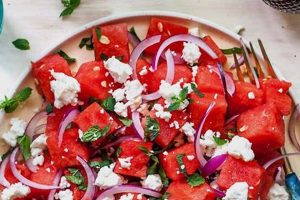
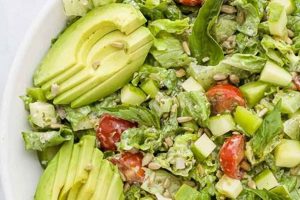
A festive dish typically served during the holiday season, this vibrant concoction combines the tartness of cranberries with a variety of complementary ingredients. Common additions include oranges, apples, nuts, and often a sweet element like marshmallows or whipped cream. Variations exist using different textures and flavors, such as adding jelled cranberry sauce, chopped celery, or a creamy dressing base.
This type of salad offers a refreshing counterpoint to richer holiday fare. The bright flavors and colors add a festive touch to the table, while the potential for diverse ingredients allows for customization to suit individual preferences and dietary needs. Historically, cranberries have been associated with celebrations in North America, eventually becoming a staple in winter holiday meals. Their combination with other seasonal fruits and nuts evolved into a refreshing salad, now a cherished tradition for many.
The following sections will explore various approaches to preparing this holiday classic, offering detailed recipes and helpful tips for achieving the perfect balance of flavors and textures. From traditional preparations to modern interpretations, there’s a variation to suit every palate and occasion.
Tips for a Perfect Cranberry Salad
Achieving the ideal balance of flavors and textures in a cranberry salad requires attention to detail. These tips offer guidance for creating a dish that is both visually appealing and delicious.
Tip 1: Balance Tartness and Sweetness: The natural tartness of cranberries benefits from a balancing sweetness. This can be achieved through sweeteners like sugar, honey, or maple syrup in the dressing, or through the inclusion of sweet fruits such as oranges, apples, or pineapple.
Tip 2: Consider Texture: A variety of textures enhances the overall experience. Combine the soft texture of cranberries with crunchy elements like chopped nuts (pecans, walnuts, or almonds) and crisp vegetables like celery or diced apples.
Tip 3: Fresh vs. Dried Cranberries: While fresh cranberries offer a burst of tartness, dried cranberries provide a chewier texture and concentrated flavor. Either, or a combination of both, can be used depending on the desired outcome.
Tip 4: Dressing Choices: A simple vinaigrette, a creamy mayonnaise-based dressing, or even a citrus glaze can complement the flavors of a cranberry salad. The dressing choice should complement the other ingredients and overall flavor profile.
Tip 5: Chill for Optimal Flavor: Allowing the salad to chill in the refrigerator for at least an hour before serving allows the flavors to meld and enhances the refreshing quality of the dish.
Tip 6: Garnish Thoughtfully: A simple garnish can elevate the presentation. Consider using orange zest, fresh mint leaves, or a sprinkle of chopped nuts to add visual appeal.
Tip 7: Adapt to Dietary Needs: Cranberry salads can be easily adapted for various dietary needs. Use sugar substitutes, vegan mayonnaise, or gluten-free ingredients as required.
By following these tips, one can create a cranberry salad that is not only a delicious addition to any holiday meal but also a beautiful centerpiece for the table.
The following section will provide specific recipe examples incorporating these tips, demonstrating the versatility and appeal of this holiday classic.
1. Cranberries (fresh or dried)

Cranberries, whether fresh or dried, form the cornerstone of a Christmas cranberry salad recipe. Their distinct tartness provides a crucial flavor counterpoint to the often richer elements of a holiday meal. This tartness also plays a vital role in balancing the sweetness of other salad components, such as added sugar in dressings or naturally sweet fruits like oranges or apples. The choice between fresh and dried cranberries influences both the texture and flavor profile of the salad. Fresh cranberries offer a burst of bright, tangy flavor and a firm texture, while dried cranberries contribute a chewier consistency and a more concentrated, sweeter-tart taste. Some recipes leverage both forms to achieve a complex interplay of textures and flavors. For instance, a salad featuring fresh cranberries might emphasize a lighter, brighter profile, whereas a salad with dried cranberries might lean towards a richer, sweeter taste and chewier mouthfeel. The quantity of cranberries used also impacts the overall balance of the dish. A higher cranberry ratio intensifies the tartness, while a lower ratio allows other flavors to take center stage.
The availability and preference for fresh versus dried cranberries often correlate with regional and cultural traditions. In regions where fresh cranberries are readily accessible during the holiday season, their use in salads is prevalent. Conversely, in areas where fresh cranberries are less common, dried cranberries serve as a convenient and equally flavorful alternative. This adaptability underscores the enduring appeal of cranberry salad across diverse culinary landscapes. Furthermore, the preparation method for fresh cranberries, such as chopping or leaving them whole, affects the distribution of tartness throughout the salad. Chopped cranberries release more of their juices, intensifying the tart flavor in the dressing and coating other ingredients, while whole berries offer pockets of concentrated tartness.
Understanding the nuances of using fresh or dried cranberries empowers one to tailor a Christmas cranberry salad recipe to specific preferences. This knowledge extends beyond simple ingredient selection to encompass the interplay of textures, the balance of sweetness and tartness, and the overall sensory experience of the dish. Successfully navigating these elements ensures a cranberry salad that is not only flavorful but also reflective of individual tastes and culinary traditions.
2. Sweetener (sugar, honey)

Sweeteners play a crucial role in a Christmas cranberry salad recipe, balancing the naturally tart flavor of cranberries. The choice and quantity of sweetener influence the overall flavor profile and can be tailored to individual preferences. This balance between tartness and sweetness is essential for a harmonious and palatable dish, preventing the cranberries from overpowering other ingredients.
- Granulated Sugar
Granulated sugar is a common choice due to its neutral flavor and ease of use. It dissolves readily into dressings, ensuring even distribution of sweetness. The amount used can be adjusted to achieve the desired level of sweetness, typically ranging from a subtle sweetness to a more pronounced sugary flavor. For example, a recipe aiming for a tangy profile might use less sugar, while a sweeter salad might incorporate a higher quantity.
- Honey
Honey offers a distinct flavor profile, adding floral or fruity notes depending on the variety used. It complements the tartness of cranberries while introducing complexity. Honey also contributes to the texture of the dressing, often resulting in a slightly thicker consistency. Recipes using honey might pair it with specific spices or flavorings to enhance the overall taste experience. For instance, a honey-sweetened cranberry salad might incorporate cinnamon or ginger for a warm, spiced flavor.
- Maple Syrup
Maple syrup provides a rich, caramel-like sweetness that pairs well with cranberries and other autumnal flavors. Its distinct taste can enhance the overall complexity of the salad. Similar to honey, maple syrup adds body to the dressing and influences the final texture. A cranberry salad sweetened with maple syrup might include pecans or walnuts for a complementary flavor profile. Maple syrup is often preferred in recipes that highlight seasonal ingredients and flavors.
- Alternative Sweeteners
Alternatives like agave nectar or stevia can be used for specific dietary needs. These options provide sweetness while reducing overall sugar content. However, their distinct flavors can subtly alter the taste profile of the salad. Agave, for example, imparts a mild, almost neutral sweetness, while stevia can have a slightly bitter aftertaste. Careful consideration of these flavor nuances is essential when substituting alternative sweeteners.
The careful selection of a sweetener is integral to a successful Christmas cranberry salad recipe. It contributes not only to the sweetness level but also to the overall flavor complexity and textural profile of the dish. By understanding the nuances of each sweetener, one can create a salad that perfectly balances tartness and sweetness, complementing the other ingredients and satisfying individual preferences. This balance ensures a festive and flavorful dish that enhances the holiday dining experience.
3. Citrus (orange, lemon)

Citrus fruits, particularly oranges and lemons, play a vital role in Christmas cranberry salad recipes, contributing both flavor and aroma. Their acidity provides a refreshing counterpoint to the sweetness of added sugars and the tartness of cranberries, creating a balanced flavor profile. The bright, zesty notes of citrus also enhance the overall sensory experience, adding a layer of complexity that complements the other ingredients. Beyond flavor, citrus components offer textural variety. Orange segments introduce juicy bursts, while lemon zest adds a subtle bitterness and pleasant aromatic oil. This interplay of textures further elevates the salad’s appeal.
The historical use of citrus fruits during winter months, particularly in the Northern Hemisphere, contributes to their association with holiday traditions. Oranges, readily available during the festive season, became a symbol of abundance and cheer. Their inclusion in cranberry salad reflects this cultural significance, adding a touch of festive brightness to the dish. Moreover, the vitamin C content in citrus fruits historically provided a nutritional boost during winter when fresh produce was scarce. This nutritional benefit, though less critical in modern times, further cemented citrus fruits as a staple in winter cuisine, including holiday salads. Specific examples of citrus integration include using orange segments or supremes for a juicy sweetness and textural contrast, or incorporating orange zest and lemon juice in the dressing for a bright, tangy flavor. Lemon juice can also macerate cranberries, softening their texture and intensifying their color.
Understanding the multifaceted role of citrus in Christmas cranberry salad allows for informed recipe development. Balancing the tartness of cranberries with the sweetness of oranges and the acidity of lemons creates a complex flavor profile that elevates this holiday staple. The historical and cultural context further underscores the significance of citrus in this festive dish. Appreciating these elements allows for a deeper understanding and appreciation of the culinary traditions surrounding Christmas cranberry salad, enabling both novice and experienced cooks to create a dish that is both flavorful and culturally resonant.
4. Nuts (pecans, walnuts)

Nuts, particularly pecans and walnuts, frequently complement Christmas cranberry salad recipes, contributing texture, flavor, and nutritional value. Their inclusion adds a satisfying crunch that contrasts with the softer textures of cranberries and other fruits. The distinct flavor profiles of pecans and walnuts enhance the overall complexity of the salad, offering a counterpoint to the tartness of cranberries and sweetness of other components. This combination of textural and flavor enhancements elevates the salad beyond a simple side dish, transforming it into a more substantial and satisfying culinary experience.
- Textural Contrast
The primary contribution of nuts lies in their textural contrast. The crisp, firm bite of pecans and walnuts provides a welcome counterpoint to the often softer textures of cranberries, fruits like oranges or apples, and the dressing. This contrast creates a more dynamic and engaging mouthfeel, enhancing the overall enjoyment of the salad. The size of the nut pieces also plays a role in textural variation. Coarsely chopped nuts offer a more substantial crunch, while finely chopped nuts provide a gentler textural contrast.
- Flavor Enhancement
Pecans and walnuts possess distinct flavor profiles that complement the other ingredients in a cranberry salad. Pecans offer a rich, buttery flavor with subtle sweetness, while walnuts contribute a slightly earthy and more robust taste. These flavors interact with the tartness of cranberries and the sweetness of other components, creating a more nuanced and balanced flavor profile. The toasting of nuts further intensifies their flavor and enhances their crunch. Toasted pecans develop a deeper, more pronounced nutty flavor, while toasted walnuts acquire a richer, slightly smoky taste.
- Nutritional Value
Beyond flavor and texture, nuts contribute nutritional value to the salad. Both pecans and walnuts are rich in healthy fats, fiber, and antioxidants. These nutrients align with the broader health-conscious trend of incorporating nutrient-rich ingredients into holiday meals. The inclusion of nuts elevates the nutritional profile of the salad, offering a more wholesome and balanced dish.
- Visual Appeal
Nuts also enhance the visual appeal of the salad. Their warm, earthy tones create visual interest, complementing the vibrant red of cranberries and other colorful ingredients. The visual contrast between the nuts and other components adds to the overall presentation of the dish, making it more attractive and appetizing. Different types of nuts offer varying visual textures. Whole pecan halves create a more substantial visual presence, while chopped walnuts provide a more dispersed visual texture.
The inclusion of nuts in a Christmas cranberry salad recipe demonstrates a thoughtful approach to flavor, texture, and nutritional balance. Pecans and walnuts, in particular, contribute significantly to the overall sensory experience, transforming the salad into a more complex and satisfying dish. Their presence elevates the salad from a simple side to a more substantial element of the holiday meal, showcasing the culinary potential of combining complementary ingredients.
5. Optional additions (celery, apple)

Optional additions, such as celery and apple, offer opportunities to customize Christmas cranberry salad recipes, enhancing both flavor and textural profiles. These additions introduce contrasting elements that complement the core ingredients. Celery contributes a crisp, refreshing bite, while apple provides sweetness and a contrasting textural element, depending on the variety used. These additions create a more dynamic sensory experience, moving beyond the traditional sweet and tart profile. For instance, the subtle bitterness of celery can balance the sweetness of added sugar or other fruits, while a tart apple variety like Granny Smith can intensify the overall tartness of the salad. Conversely, a sweeter apple like Fuji can enhance the sweetness and provide a softer textural element.
The choice of optional additions often reflects regional preferences and culinary traditions. In some regions, celery is a common inclusion, adding a familiar savory note. In others, apples are favored for their sweetness and seasonal availability. These variations demonstrate the adaptability of cranberry salad, allowing for personalization based on individual tastes and cultural influences. Beyond celery and apple, other additions, such as chopped nuts, dried fruits, or seeds, can further customize the salad. These additions create opportunities to explore different flavor and texture combinations, resulting in unique and personalized variations of the classic dish. For example, toasted walnuts can introduce a nutty depth, while dried cranberries can offer a chewier texture and concentrated sweetness.
Consideration of optional additions provides a pathway to crafting a Christmas cranberry salad that caters to specific preferences. Understanding the interplay of flavors and textures allows for strategic ingredient selection, ensuring a balanced and harmonious final product. This customization transforms the traditional cranberry salad into a versatile dish adaptable to diverse palates and culinary traditions. It allows for creative expression while maintaining the core elements that define this holiday classic.
6. Dressing (vinaigrette, creamy)
Dressing is a critical component of a Christmas cranberry salad recipe, binding the ingredients and contributing significantly to the overall flavor profile. The choice of dressingvinaigrette or creamyinfluences the salad’s character, impacting its taste, texture, and overall sensory experience. A well-chosen dressing complements the inherent tartness of cranberries and balances the sweetness of other components, creating a harmonious and flavorful dish. The dressing also coats the ingredients, distributing flavor evenly and enhancing the salad’s palatability. For example, a light vinaigrette enhances the bright, tart flavors of the salad, while a creamy dressing adds richness and mellows the tartness.
Vinaigrettes, typically made with oil and vinegar, offer a light and tangy counterpoint to the sweetness often found in cranberry salads. The acidity of the vinegar cuts through the richness of other ingredients, creating a refreshing balance. Citrus vinaigrettes, incorporating lemon or orange juice, are particularly popular, complementing the bright flavors of cranberry and other fruits. Herbs and spices can be added to vinaigrettes for further complexity. Conversely, creamy dressings, often mayonnaise-based, provide a richer, more decadent experience. They mellow the tartness of cranberries, creating a smoother, more rounded flavor profile. Creamy dressings often incorporate additional flavors like sour cream, yogurt, or cream cheese for added tang and texture. The choice between a vinaigrette and creamy dressing depends on the desired overall flavor profile and the other ingredients in the salad. A lighter, more refreshing salad might benefit from a vinaigrette, while a richer, more decadent salad might be better suited to a creamy dressing.
Careful consideration of dressing is essential for a successful Christmas cranberry salad. The interplay between the dressing and other ingredients determines the final flavor profile, influencing the overall balance of tartness, sweetness, and richness. Selecting a dressing that complements these elements ensures a harmonious and delicious final product. The choice between vinaigrette and creamy dressings allows for customization based on individual preferences and the desired characteristics of the salad, offering a range of possibilities within this classic holiday dish.
7. Chilling Time
Chilling time is a crucial element in Christmas cranberry salad recipes, significantly impacting the final flavor and texture. This period of refrigeration allows the flavors of the various ingredients to meld and harmonize, creating a more cohesive and balanced flavor profile. Chilling also firms the cranberries and other components, enhancing the salad’s textural appeal. Understanding the role of chilling time contributes to a more successful and enjoyable culinary outcome.
- Flavor Development
Chilling allows the diverse flavors within the saladthe tartness of cranberries, sweetness of added sugars or fruits, and any aromatics from citrus zest or spicesto blend and mature. This melding creates a more complex and nuanced flavor profile compared to a freshly made salad. The chilling process reduces the initial sharpness of individual ingredients, allowing a more balanced and harmonious flavor to emerge. For example, the tartness of cranberries mellows, integrating more seamlessly with the sweetness of oranges or the richness of a creamy dressing.
- Texture Enhancement
Chilling firms the texture of cranberries and other ingredients, particularly if fresh cranberries are used. This creates a more pleasant mouthfeel, enhancing the overall sensory experience. The chilling process also allows the dressing to further permeate the ingredients, ensuring a more even distribution of flavor and a more consistent texture throughout the salad. A chilled salad offers a more refreshing contrast to other, often richer, components of a holiday meal.
- Maceration and Absorption
The chilling period facilitates the maceration of cranberries, particularly if they are combined with citrus juices or other acidic ingredients. Maceration softens the cranberries and intensifies their color, enhancing both their visual appeal and flavor contribution. Chilling also allows the other ingredients to absorb the flavors of the dressing and any added spices or aromatics, further developing the complexity of the salad’s taste. This absorption creates a more unified flavor profile, where each ingredient contributes to the overall taste experience.
- Recommended Chilling Time
While the specific chilling time can vary depending on the recipe and individual preferences, a general guideline is to refrigerate the salad for at least one hour before serving. This duration allows sufficient time for flavor development and textural enhancement. For optimal results, chilling the salad overnight allows for even greater flavor melding and textural improvement. Extended chilling, however, may soften certain ingredients excessively, so finding the right balance is essential for achieving the desired outcome.
The chilling process is not merely a final step but an integral part of crafting a successful Christmas cranberry salad. Understanding the impact of chilling on flavor development, texture enhancement, and ingredient interaction allows for a more informed approach to recipe preparation. By incorporating appropriate chilling time, one ensures a more balanced, flavorful, and texturally appealing salad that enhances the holiday dining experience.
Frequently Asked Questions
This section addresses common inquiries regarding Christmas cranberry salad recipes, offering clarity and guidance for successful preparation.
Question 1: Can frozen cranberries be used in a Christmas cranberry salad?
Frozen cranberries can be used, but they should be thawed and drained thoroughly before incorporating them into the salad. Excess moisture from frozen cranberries can dilute the dressing and affect the salad’s overall texture. Thawing overnight in the refrigerator is recommended.
Question 2: How long can cranberry salad be stored in the refrigerator?
Cranberry salad can typically be stored in an airtight container in the refrigerator for up to five days. The texture may soften slightly over time, but the flavor profile often improves as the ingredients meld.
Question 3: Can cranberry salad be made ahead of time?
Making cranberry salad a day or two in advance is often recommended, as this allows the flavors to develop more fully. Store the salad in an airtight container in the refrigerator until ready to serve.
Question 4: What can be substituted for pecans or walnuts if nut allergies are a concern?
Sunflower seeds, pumpkin seeds, or chopped dried fruit can provide a similar textural element and complementary flavor in place of nuts.
Question 5: How can the sweetness of the salad be adjusted?
The amount of added sweetener, whether sugar, honey, or maple syrup, can be adjusted to suit individual preferences. Start with a smaller amount and gradually add more to achieve the desired sweetness. Tasting the salad before chilling allows for accurate adjustment.
Question 6: Can canned cranberry sauce be used in place of fresh or dried cranberries?
While canned cranberry sauce can be incorporated, it significantly alters the texture and flavor profile of a traditional cranberry salad. Whole berry or jellied cranberry sauce introduces a smoother, more processed element, potentially overwhelming the other ingredients. Adjusting the other components, such as reducing the amount of sweetener or adding more textural contrast with nuts or celery, may be necessary to achieve a balanced result.
Understanding these common points of inquiry empowers one to approach cranberry salad preparation with confidence, ensuring a successful and enjoyable culinary experience.
The following section offers a collection of curated recipes, showcasing the versatility and adaptability of the Christmas cranberry salad.
Christmas Cranberry Salad Recipe
Exploration of Christmas cranberry salad recipes reveals a dish adaptable to diverse tastes and culinary traditions. From the foundational balance of tart cranberries and sweetening agents to the nuanced inclusion of citrus, nuts, and optional additions, each component contributes to the final flavor profile. The choice of dressing, whether a light vinaigrette or a richer creamy base, further shapes the salad’s character. Finally, the crucial element of chilling time allows flavors to meld and textures to settle, resulting in a harmonious and refreshing dish. The versatility of this holiday staple allows for both classic interpretations and innovative variations, ensuring its enduring appeal across generations and culinary landscapes.
Careful consideration of these elements empowers culinary exploration and personalized adaptations. Christmas cranberry salad offers not just a festive dish but a canvas for creative expression within a cherished tradition. This understanding fosters an appreciation for the balance of flavors, textures, and culinary history inherent in this holiday classic, encouraging continued evolution and enjoyment.