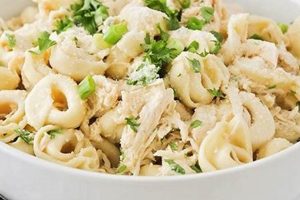
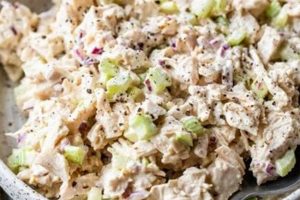
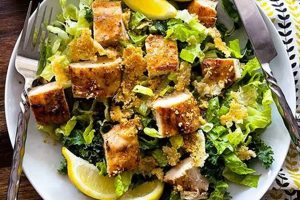
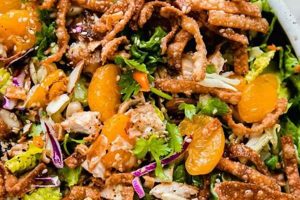
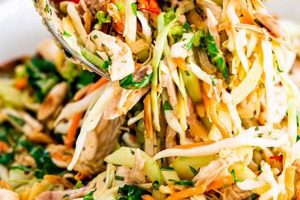
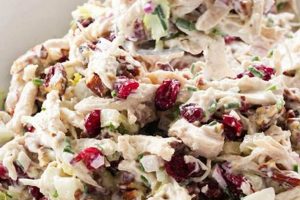
A lighter version of traditional chicken salad typically focuses on reducing fat and calories without sacrificing flavor. This can be achieved by using lean poultry, Greek yogurt or low-fat mayonnaise instead of full-fat versions, and incorporating plenty of fresh vegetables like celery, onions, and grapes. An example might include poached chicken breast, nonfat Greek yogurt, chopped celery, red onion, and a touch of Dijon mustard for flavor.
Health-conscious individuals often seek such recipes as a satisfying and protein-rich meal option that aligns with dietary goals. Substituting lighter ingredients allows for enjoyment of a classic dish while managing caloric intake and potentially improving nutritional value through increased vegetable consumption. This approach reflects broader culinary trends towards lighter, healthier versions of familiar favorites.
This discussion will further explore various methods for preparing this dish, including specific ingredient recommendations, variations to suit different palates, and tips for achieving optimal texture and taste.
Tips for Creating a Lighter Chicken Salad
Achieving a flavorful yet healthy chicken salad involves careful ingredient selection and preparation techniques. The following tips offer guidance on creating a satisfying dish while minimizing fat and calories.
Tip 1: Prioritize Lean Protein: Opt for chicken breast and remove skin before cooking. Poaching or grilling offer healthier cooking methods compared to frying.
Tip 2: Reimagine the Base: Instead of relying solely on mayonnaise, consider alternatives like nonfat Greek yogurt, light mayonnaise, or even mashed avocado for a creamy texture with added nutritional benefits.
Tip 3: Embrace Fresh Produce: Incorporate a variety of vegetables for added flavor, texture, and nutrients. Celery, red onion, bell peppers, and grapes contribute both crunch and sweetness.
Tip 4: Enhance Flavor Creatively: Fresh herbs like dill, parsley, or chives, along with spices like curry powder or paprika, offer flavorful alternatives to excess salt or fat.
Tip 5: Mindful Ingredient Ratios: Balance the ingredients to ensure optimal flavor and texture. Too much yogurt can make the salad watery, while insufficient binding agents can result in a dry mixture.
Tip 6: Proper Food Safety: Ensure chicken is cooked to a safe internal temperature. Refrigerate prepared salad promptly and consume within a few days.
By following these guidelines, one can create a chicken salad that is both delicious and health-conscious, offering a satisfying meal option that aligns with dietary preferences.
These tips provide a foundation for crafting a truly delicious and healthy chicken salad. Experimentation with different flavor combinations and ingredients will further personalize the recipe.
1. Lean Protein

Lean protein forms the foundation of a skinny chicken salad recipe, directly impacting its nutritional profile and overall health benefits. Understanding the role and selection of lean protein is crucial for recipe success.
- Sources of Lean Protein
Chicken breast is the most common choice, offering high protein with minimal fat. Other lean poultry options include turkey breast and skinless, boneless chicken thighs. Fish such as tuna or cod can also provide lean protein alternatives. Selecting lean protein sources ensures the salad remains low in calories and saturated fat, aligning with the “skinny” objective. For example, opting for chicken breast over dark meat significantly reduces fat content.
- Preparation Methods
Cooking methods influence the fat content of the final product. Poaching, grilling, baking, or boiling are preferred over frying, as they minimize added fats. Proper preparation preserves the protein content and ensures a healthy final dish. Grilling chicken, for instance, allows excess fat to drip away, further reducing the overall calorie count.
- Impact on Satiety
Lean protein promotes satiety, helping to control appetite and prevent overeating. This is crucial for weight management, a key consideration in skinny recipes. The high protein content contributes to feeling fuller for longer, reducing the likelihood of snacking between meals. This effect supports dietary goals often associated with choosing lighter meal options.
- Nutritional Benefits
Beyond calorie control, lean protein provides essential amino acids necessary for muscle building, repair, and overall health. Including lean protein in a skinny chicken salad enhances its nutritional value beyond simply reducing calories. A protein-rich salad supports various bodily functions, making it a healthier choice than less nutritious alternatives.
The careful selection and preparation of lean protein are essential for a truly skinny chicken salad. Prioritizing these aspects ensures the recipe delivers on its promise of a healthier, lighter meal option while retaining flavor and satisfaction.
2. Reduced-fat base

The “reduced-fat base” represents a pivotal element in achieving the “skinny” designation in chicken salad. Traditional recipes often rely heavily on mayonnaise, which contributes significantly to overall fat and calorie content. A reduced-fat approach involves substituting or supplementing mayonnaise with lower-fat alternatives, directly impacting the nutritional profile of the final dish. This substitution constitutes a defining characteristic of a skinny chicken salad, distinguishing it from its full-fat counterpart. For example, replacing mayonnaise entirely with nonfat Greek yogurt dramatically reduces fat and calories while adding protein and creating a tangy flavor profile. Alternatively, combining a smaller amount of light mayonnaise with Greek yogurt offers a compromise, retaining some of the classic mayonnaise flavor while still achieving a significant reduction in fat.
The choice of reduced-fat base influences not only the nutritional content but also the texture and flavor of the salad. Greek yogurt provides a tangier, slightly less creamy texture compared to mayonnaise. Other alternatives, such as mashed avocado, offer a distinct flavor and creaminess. Careful consideration of these factors is necessary to achieve a desirable balance of taste, texture, and dietary goals. The selection impacts palatability; a base that complements the other ingredients without overpowering them is key. A salad intended for sandwiches, for instance, might benefit from a slightly thicker base than one served as a standalone dish. Understanding these nuances allows for informed decisions aligned with individual preferences and desired outcomes.
Successfully implementing a reduced-fat base requires an understanding of ingredient interactions and potential adjustments to maintain desired consistency and flavor. Certain alternatives, like Greek yogurt, can introduce more moisture to the salad. Addressing this may involve incorporating additional ingredients to absorb excess liquid or adjusting the quantities of other components. The ultimate goal remains a balanced and flavorful salad that aligns with the principles of reduced fat and calories. Overcoming these challenges highlights the practical significance of understanding ingredient properties and their interplay within the recipe. This knowledge empowers individuals to adapt and refine recipes to meet specific dietary needs and taste preferences.
3. Fresh Ingredients
Fresh ingredients play a vital role in achieving both flavor and nutritional balance in a skinny chicken salad recipe. These components contribute significantly to the overall sensory experience and health benefits, differentiating a truly “skinny” version from less healthy variations. Fresh ingredients typically include vegetables like celery, onions, and bell peppers, as well as fruits such as grapes or apples. These additions provide texture, flavor complexity, and essential vitamins and minerals, aligning with the health-conscious nature of the recipe. For example, the crispness of celery complements the creaminess of the base, while grapes offer a touch of sweetness and contribute antioxidants.
The choice of fresh ingredients can impact not only flavor and nutrition but also the overall caloric profile of the dish. Water-rich vegetables, like celery and cucumbers, add volume and texture without contributing significant calories, supporting the “skinny” aspect. Incorporating these ingredients allows for a more substantial and satisfying salad without increasing the calorie density. This effect is crucial for individuals seeking to manage calorie intake without sacrificing meal enjoyment. Furthermore, the inherent flavors of fresh produce often reduce the need for excessive salt or other high-calorie seasonings, further contributing to the healthfulness of the recipe.
Prioritizing fresh, high-quality ingredients elevates a skinny chicken salad from a simple diet food to a flavorful and nutritious meal. Selecting ripe, vibrant produce ensures optimal taste and maximizes the nutritional benefits. Proper storage and handling maintain freshness and prevent spoilage, optimizing the quality of the final dish. This attention to detail ultimately differentiates a thoughtfully prepared skinny chicken salad from a less appealing, potentially less healthy version. The emphasis on fresh ingredients reinforces the core concept of a “skinny” disha balanced and flavorful meal that supports health-conscious goals without compromising taste or satisfaction.
4. Flavorful Enhancements

Flavorful enhancements are essential in skinny chicken salad recipes, compensating for reduced fat and calories without compromising palatability. These enhancements elevate the dish beyond a simple dietary staple, transforming it into a satisfying and enjoyable meal. The strategic use of herbs, spices, and other flavor-boosting ingredients allows for complexity and depth of taste while adhering to the low-fat, low-calorie parameters. For example, fresh herbs like dill, parsley, or chives introduce brightness and freshness, while spices such as curry powder or paprika add warmth and depth. A squeeze of lemon juice contributes a tangy note that balances the richness of the chicken and other ingredients. Such additions ensure the “skinny” attribute doesn’t translate to blandness, a common concern with reduced-fat recipes.
The careful selection and application of flavorful enhancements distinguish a well-crafted skinny chicken salad from a merely adequate one. Understanding the interplay of flavors and how they complement the other ingredients is crucial. A balanced approach prevents any single flavor from overpowering the others, ensuring a harmonious and nuanced taste profile. Over-reliance on a single enhancement, such as an excessive amount of lemon juice, can mask the other flavors and create an unbalanced dish. Conversely, a judicious blend of complementary flavors elevates the overall sensory experience. Freshly ground black pepper adds a subtle bite, while a touch of Dijon mustard contributes complexity and depth. These nuances demonstrate the practical significance of thoughtful flavor layering in achieving a delicious and satisfying skinny chicken salad.
Flavorful enhancements, therefore, play a crucial role in the success of a skinny chicken salad recipe. They bridge the gap between dietary restrictions and culinary satisfaction, ensuring that reducing fat and calories doesn’t necessitate sacrificing flavor. The careful balance of herbs, spices, and other flavor-boosting components elevates the dish from a simple diet food to a truly enjoyable meal, demonstrating that healthy eating can be both delicious and satisfying. This principle highlights the importance of creative flavor development in achieving culinary excellence, even within the constraints of dietary guidelines. Addressing this challenge directly contributes to the broader goal of making healthy eating sustainable and enjoyable.
5. Balanced Ratios

Balanced ratios within a skinny chicken salad recipe directly influence texture, flavor, and overall palatability. The proportional relationship between the chicken, base (e.g., Greek yogurt, light mayonnaise), and additional ingredients (e.g., vegetables, fruits, herbs) determines the final consistency and taste. An excess of base can result in a watery salad lacking textural integrity, while insufficient base can lead to a dry, crumbly mixture. Similarly, an overabundance of any single ingredient, such as celery or grapes, can overwhelm the other flavors and compromise the overall balance. For example, a recipe with a 1:1 ratio of chicken to base and a measured inclusion of vegetables will likely achieve a desirable balance, whereas a recipe with a 1:2 ratio of chicken to base may be overly creamy and dilute the chicken flavor. The proper balance ensures each component contributes appropriately to the final product, creating a harmonious blend of flavors and textures.
Achieving optimal ratios requires consideration of the specific ingredients chosen and their individual characteristics. Water content in vegetables influences the final moisture level of the salad, requiring adjustments in the amount of base used. Ingredient densities also play a role; denser ingredients, like chicken, contribute more weight than lighter ingredients, such as chopped celery. Therefore, balancing ratios involves not only considering volume but also accounting for the density and moisture content of each component. A recipe calling for a specific weight of chicken and a volume of chopped celery acknowledges these differences and guides towards achieving the desired balance. This nuanced understanding allows for informed ingredient adjustments based on specific recipe requirements and ingredient properties.
Mastering balanced ratios in a skinny chicken salad recipe ensures a satisfying culinary experience that aligns with dietary goals. The correct proportions prevent any single element from dominating, allowing the flavors of the chicken, the base, and the additional ingredients to harmonize effectively. This balance enhances the overall palatability and contributes to the perception of the dish as a complete and enjoyable meal, rather than simply a dietary compromise. Achieving this balance reinforces the core principle of a successful “skinny” recipe: demonstrating that healthier food choices do not necessitate sacrifices in flavor or satisfaction. The emphasis on balanced ratios underscores the importance of precision and thoughtful ingredient selection in creating a culinary experience that is both healthy and enjoyable.
6. Proper Food Safety
Proper food safety practices are paramount in preparing a skinny chicken salad recipe, directly impacting consumer health and aligning with the health-conscious goals often associated with such recipes. Chicken, a primary ingredient, is susceptible to bacterial contamination, notably Salmonella and Campylobacter. These pathogens can cause foodborne illnesses, negating the intended health benefits of opting for a lighter meal option. Thorough cooking to an internal temperature of 165F (74C) eliminates these risks. Improper handling, such as cross-contamination between raw chicken and ready-to-eat ingredients, poses a significant hazard. Using separate cutting boards and utensils mitigates this risk. A case of salmonellosis traced back to improperly handled chicken salad at a social gathering exemplifies the real-world consequences of neglecting food safety protocols.
Maintaining the cold chain is crucial in preventing bacterial growth. Refrigerating the cooked chicken promptly and maintaining the salad at or below 40F (4C) inhibits bacterial proliferation. Leaving the salad at room temperature for extended periods, especially during warm weather, creates an environment conducive to rapid bacterial growth, increasing the risk of foodborne illness. A recall of commercially produced chicken salad due to inadequate refrigeration exemplifies the importance of temperature control throughout the supply chain and in home preparation. Consuming chicken salad beyond its recommended shelf life, even if refrigerated, also presents risks as bacterial growth may occur despite temperature control. Adhering to recommended storage times and promptly discarding spoiled or questionable product minimizes these risks.
Proper food safety, therefore, is integral to the concept of a skinny chicken salad recipe. It ensures the health benefits associated with lighter eating are not undermined by foodborne illness. Implementing safe handling practices, including thorough cooking, preventing cross-contamination, and maintaining the cold chain, safeguards consumer well-being and reinforces the health-conscious intention behind the recipe. Neglecting these practices not only compromises health but also undermines the primary objective of choosing a lighter meal option. This understanding emphasizes the practical significance of integrating food safety principles into every step of food preparation, from ingredient selection to storage and consumption.
7. Calorie Consciousness
Calorie consciousness is intrinsically linked to the concept of a “skinny chicken salad recipe.” It represents a deliberate effort to minimize caloric intake without sacrificing flavor or satisfaction. This principle underlies ingredient selection, preparation methods, and portion control. A “skinny” recipe prioritizes lower-calorie alternatives while maintaining the desired taste and textural profile, appealing to individuals seeking healthier meal options. Calorie consciousness, therefore, drives the recipe’s development and distinguishes it from traditional, higher-calorie versions.
- Ingredient Selection
Calorie consciousness influences ingredient choices throughout the recipe. Lean protein sources, such as skinless chicken breast, minimize fat and calories. Substituting Greek yogurt or light mayonnaise for full-fat versions significantly reduces caloric density without compromising creaminess. Opting for water-rich vegetables like celery and cucumbers adds bulk and texture with minimal caloric impact. For instance, replacing one cup of regular mayonnaise (approximately 1440 calories) with one cup of nonfat Greek yogurt (approximately 240 calories) represents a substantial calorie reduction.
- Preparation Methods
Calorie-conscious preparation methods further contribute to the overall reduction in caloric content. Grilling or poaching chicken allows excess fat to render away, minimizing caloric intake compared to frying. Avoiding the addition of excessive oil or butter during cooking aligns with this principle. A comparison of pan-frying chicken breast in oil (adding approximately 120 calories per tablespoon of oil) versus grilling it without added fat highlights the caloric impact of different cooking techniques.
- Portion Control
Calorie consciousness extends beyond ingredient selection and preparation to encompass portion control. Consuming appropriate serving sizes helps manage overall calorie intake, regardless of the recipe’s inherent caloric density. A smaller serving of a “skinny” chicken salad may contain fewer calories than a larger serving of a traditional chicken salad, despite the “skinny” version’s inherently lower calorie content per unit volume. Understanding appropriate serving sizes is essential for maximizing the dietary benefits associated with a “skinny” recipe.
- Recipe Modifications
Calorie consciousness encourages recipe modifications and ingredient substitutions to further reduce caloric content. Using a reduced-fat cheese or omitting croutons entirely exemplifies this approach. These adjustments cater to individual dietary needs and preferences without compromising the overall enjoyment of the dish. Replacing a high-calorie ingredient, such as bacon bits (approximately 140 calories per two tablespoons), with a lower-calorie alternative, like chopped walnuts (approximately 90 calories per two tablespoons), demonstrates a calorie-conscious modification without significant flavor sacrifice.
Calorie consciousness, therefore, functions as a guiding principle in the creation and consumption of a skinny chicken salad recipe. It informs ingredient choices, preparation techniques, portion control, and recipe modifications, culminating in a dish that aligns with health-conscious dietary goals without sacrificing flavor or satisfaction. This comprehensive approach distinguishes a truly “skinny” recipe from simply a lower-fat version and reinforces the importance of mindful eating practices in achieving overall health and wellness.
Frequently Asked Questions
This section addresses common inquiries regarding the preparation and consumption of skinny chicken salad, clarifying potential uncertainties and providing practical guidance.
Question 1: How does one ensure a skinny chicken salad remains flavorful despite reduced fat and calories?
Flavorful enhancements, such as fresh herbs, spices, and citrus juices, compensate for reduced fat. Strategic use of these ingredients adds depth and complexity without increasing caloric content. Careful balancing of these flavors ensures a satisfying taste profile.
Question 2: What are suitable alternatives to mayonnaise in a skinny chicken salad recipe?
Nonfat Greek yogurt, light mayonnaise, or mashed avocado provide creamy texture with reduced fat and added nutritional benefits. The choice depends on desired flavor profiles and consistency preferences.
Question 3: Can skinny chicken salad support weight management goals?
The reduced fat and calorie content, combined with high protein from lean chicken and potentially added protein from Greek yogurt, can promote satiety and support weight management as part of a balanced diet. This satiety helps control appetite and manage calorie intake.
Question 4: How long can skinny chicken salad be safely stored in the refrigerator?
Properly stored in an airtight container at or below 40F (4C), skinny chicken salad typically remains safe for consumption for three to five days. Spoilage indicators, such as off-odors or changes in texture, necessitate discarding the product regardless of storage time.
Question 5: Are there specific nutritional advantages to using Greek yogurt as a base?
Greek yogurt offers added protein and calcium compared to mayonnaise, enhancing the nutritional value of the salad. It also provides a tangy flavor that complements many other ingredients. This increased nutritional content contributes to the overall health benefits of the dish.
Question 6: How can one adapt a skinny chicken salad recipe to accommodate specific dietary restrictions, such as gluten-free or dairy-free?
Gluten-free adaptations involve ensuring all added ingredients, such as seasonings or bread for serving, are certified gluten-free. Dairy-free versions require substituting the base with dairy-free alternatives, such as vegan mayonnaise or avocado. Careful ingredient selection addresses specific dietary needs.
Addressing these common inquiries provides a more comprehensive understanding of skinny chicken salad preparation and its role in a health-conscious diet. Careful consideration of these points ensures successful recipe implementation and maximizes the intended health benefits.
This information serves as a foundation for creating and enjoying skinny chicken salad as a healthy and flavorful meal option. The following section will explore variations and recipe ideas to further personalize the dish.
Conclusion
Skinny chicken salad recipes offer a compelling approach to enjoying a classic dish while prioritizing health-conscious principles. Exploration of this recipe type reveals the significance of ingredient selection, preparation methods, and mindful flavor balancing in achieving a satisfying and nutritious meal. Lean protein sources, reduced-fat bases, fresh produce, and judicious flavor enhancements contribute to a balanced nutritional profile and a palatable culinary experience. Proper food safety practices and portion control further support the health-conscious objectives associated with such recipes. The adaptability of skinny chicken salad recipes allows for customization to accommodate various dietary needs and preferences, broadening its appeal and demonstrating its versatility.
The continued evolution of culinary trends towards healthier options suggests an ongoing interest in recipes like skinny chicken salad. Emphasis on fresh, whole ingredients and mindful preparation techniques reflects broader societal awareness of the connection between diet and well-being. Exploration and adaptation of these recipes empower individuals to make informed food choices that align with personal health goals without compromising culinary enjoyment. This approach underscores the potential of culinary creativity to contribute positively to individual and collective well-being.