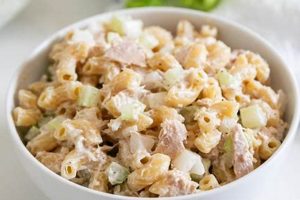
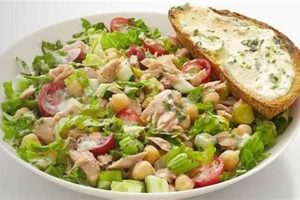
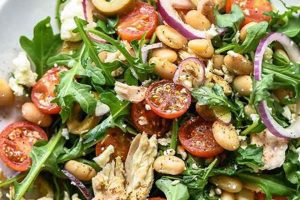
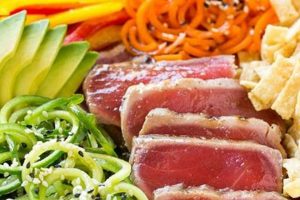
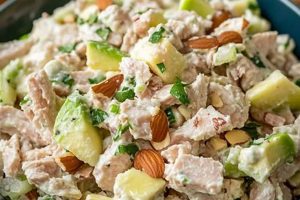
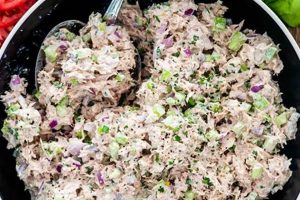
A meal featuring tuna as the primary ingredient, prepared with specific considerations for individuals managing diabetes, typically emphasizes low-carbohydrate, high-protein content, and healthy fats. This often involves substituting traditional mayonnaise with healthier alternatives like Greek yogurt or avocado, and incorporating plenty of non-starchy vegetables such as celery, onions, and bell peppers. An example might include canned tuna in water, chopped celery, red onion, Greek yogurt, lemon juice, and seasonings.
Managing blood sugar levels is crucial for individuals with diabetes. Meals designed with this in mind, such as this type of salad, offer a nutritious and satisfying way to control carbohydrate intake while providing essential protein and healthy fats. This approach can assist in weight management, improve insulin sensitivity, and reduce the risk of diabetes-related complications. While traditional versions often include high-glycemic ingredients, modifications tailored to diabetic needs have gained popularity as awareness of dietary impact on blood sugar control has increased.
The following sections will delve into specific ingredient choices, preparation methods, nutritional information, and variations to create delicious and diabetes-friendly tuna salads.
Tips for Creating a Diabetes-Friendly Tuna Salad
Creating a flavorful and healthy tuna salad while managing diabetes requires careful ingredient selection and preparation. These tips offer guidance on making informed choices to maximize nutritional value and minimize impact on blood sugar levels.
Tip 1: Opt for Tuna Packed in Water: Select tuna packed in water rather than oil to reduce overall fat and calorie content. This helps manage weight and improve cardiovascular health, important factors in diabetes management.
Tip 2: Choose Low-Glycemic Vegetables: Incorporate non-starchy vegetables like celery, red onion, bell peppers, and cucumbers. These add flavor, texture, and fiber without significantly impacting blood sugar.
Tip 3: Replace Mayonnaise with Healthier Alternatives: Instead of traditional mayonnaise, use plain Greek yogurt, mashed avocado, or a light vinaigrette. These options offer lower fat and carbohydrate content while providing healthy fats and creaminess.
Tip 4: Season with Flavorful Herbs and Spices: Enhance the flavor profile with herbs like dill, parsley, or chives, and spices like black pepper, garlic powder, or paprika. These add depth without the need for excess salt or sugar.
Tip 5: Portion Control is Key: Be mindful of serving sizes to manage carbohydrate and calorie intake effectively. Use measuring cups and a food scale for accurate portioning.
Tip 6: Consider Adding Healthy Fats: Incorporate a small amount of healthy fats from sources like avocado, chopped nuts, or flaxseeds. These contribute to satiety and provide essential fatty acids.
Tip 7: Serve on Low-Carb Options: Enjoy the salad on lettuce wraps, cucumber slices, or whole-grain crackers for a complete and balanced meal. Avoid white bread or croissants due to their high glycemic index.
By following these tips, individuals can create a delicious and nutritious tuna salad that aligns with the dietary needs of diabetes management. These strategies support balanced blood sugar control, weight management, and overall well-being.
In conclusion, a carefully crafted tuna salad can be a valuable addition to a diabetes-friendly diet. The following section will provide a sample recipe incorporating these principles.
1. Ingredient Selection
Ingredient selection is paramount in crafting a diabetes-friendly tuna salad. Careful choices directly impact nutritional value, glycemic control, and overall health outcomes. This section explores key facets of ingredient selection within this context.
- Tuna Choice
Opting for tuna packed in water, rather than oil, significantly reduces fat and calorie content, contributing to weight management and cardiovascular health. This is crucial for individuals with diabetes, who are at increased risk for these conditions. Draining the tuna thoroughly further minimizes excess liquid and sodium.
- Mayonnaise Alternatives
Traditional mayonnaise, high in saturated fat and calories, is unsuitable for a diabetic-friendly approach. Healthier substitutes include plain Greek yogurt, mashed avocado, or a light vinaigrette. These options offer lower fat and carbohydrate content while providing creaminess and flavor. Greek yogurt, in particular, adds protein. Avocado contributes healthy fats and fiber. A light vinaigrette offers a tangy, low-calorie alternative.
- Vegetable Selection
Non-starchy vegetables play a vital role. Celery, red onion, bell peppers, and cucumbers add flavor, texture, and essential vitamins and fiber without significantly impacting blood sugar levels. These choices provide bulk and nutrients without contributing to the carbohydrate load, crucial for managing blood glucose.
- Flavor Enhancers
Herbs and spices, such as dill, parsley, chives, black pepper, garlic powder, and paprika, elevate flavor without resorting to excess salt or sugar. Fresh lemon juice adds brightness and acidity, balancing the richness of the tuna and other ingredients. These elements create a satisfying and flavorful dish while adhering to dietary restrictions.
Thoughtful ingredient selection forms the foundation of a successful diabetic tuna salad recipe. By prioritizing lean protein, healthy fats, low-glycemic vegetables, and flavorful additions, individuals can create a satisfying and nutritious meal that supports their health goals.
2. Carbohydrate Control
Carbohydrate control forms a cornerstone of dietary management for individuals with diabetes. The body converts carbohydrates into glucose, directly impacting blood sugar levels. Uncontrolled blood sugar fluctuations can lead to various health complications. Therefore, a diabetic tuna salad recipe prioritizes minimizing carbohydrate content to mitigate these risks. This approach distinguishes it from traditional tuna salad recipes, which often incorporate higher-carbohydrate ingredients like sweetened relish or excessive amounts of mayonnaise. For instance, substituting traditional mayonnaise with plain Greek yogurt or mashed avocado significantly reduces carbohydrate content while maintaining creaminess and flavor. Similarly, opting for whole-grain crackers instead of white bread provides a lower-carbohydrate base.
The practical significance of carbohydrate control within a diabetic tuna salad recipe becomes evident in its ability to help individuals maintain stable blood sugar levels after meals. This stability reduces the likelihood of hyperglycemia (high blood sugar) and its associated symptoms, including fatigue, increased thirst, and frequent urination. Furthermore, consistent carbohydrate control contributes to improved long-term health outcomes by reducing the risk of diabetes-related complications such as nerve damage, kidney disease, and cardiovascular issues. For example, a meal featuring a diabetic tuna salad on a bed of lettuce, paired with a serving of non-starchy vegetables, exemplifies a balanced, low-carbohydrate meal conducive to blood sugar management.
In summary, carbohydrate control constitutes a critical aspect of a diabetic tuna salad recipe. By minimizing carbohydrate sources and incorporating low-glycemic alternatives, these recipes offer a nutritious and satisfying meal option that supports blood sugar management and overall well-being. Adherence to these principles empowers individuals with diabetes to make informed food choices that positively impact their health.
3. Healthy Fats

The inclusion of healthy fats in a diabetic tuna salad recipe plays a crucial role in overall health and well-being, particularly for individuals managing diabetes. Unlike saturated and trans fats, which can negatively impact cholesterol levels and increase the risk of cardiovascular disease, healthy fats offer several benefits. These include improved insulin sensitivity, better blood sugar control, and increased satiety, which can aid in weight managementa crucial aspect of diabetes management. Sources of healthy fats suitable for a diabetic tuna salad include avocados, which offer monounsaturated fats and fiber, and nuts and seeds, such as walnuts or flaxseeds, which provide polyunsaturated fats, including omega-3 fatty acids. These fats contribute to a feeling of fullness, reducing the likelihood of overeating and promoting stable blood sugar levels.
For example, incorporating a quarter of an avocado into a diabetic tuna salad not only adds a creamy texture but also contributes healthy fats and fiber. A tablespoon of chopped walnuts provides a satisfying crunch and a dose of omega-3s. These additions enhance the nutritional profile of the salad while aligning with the principles of a diabetes-friendly diet. The impact of these healthy fats extends beyond satiety. They contribute to improved cardiovascular health by reducing LDL cholesterol (often referred to as “bad” cholesterol) and increasing HDL cholesterol (“good” cholesterol). This is particularly relevant for individuals with diabetes, who are at an elevated risk of heart disease.
Incorporating healthy fats into a diabetic tuna salad recipe represents a strategic approach to managing diabetes through dietary choices. It underscores the importance of not just limiting unhealthy components but also actively including beneficial nutrients. The strategic use of healthy fats not only contributes to better blood sugar control and weight management but also supports long-term cardiovascular health. This holistic approach emphasizes the interconnectedness of dietary components and their impact on overall well-being for individuals with diabetes. Choosing appropriate fats and understanding their function empowers individuals to make informed dietary choices that support their health goals.
4. Portion Management
Portion management constitutes a critical element of a diabetic tuna salad recipe and overall diabetes management. Consuming appropriate portions directly influences blood sugar control and weight management, two key factors in mitigating diabetes-related complications. Overconsumption, even of healthy foods, can lead to elevated blood glucose levels and hinder weight loss or maintenance efforts. The calorie density of tuna salad, even when prepared with diabetes-friendly ingredients, necessitates careful portioning. For example, a serving size of one-half cup aligns with recommended dietary guidelines for individuals managing diabetes. Exceeding this amount, even if the recipe itself is low in carbohydrates and high in protein, can still contribute to unwanted caloric intake and impact blood sugar levels.
Practical application of portion control involves utilizing measuring cups or a food scale to ensure accurate serving sizes. Meal planning and prepping tuna salad in advance can facilitate portion control. Pre-portioned containers provide a visual cue and prevent overconsumption during meals. Integrating portion-controlled tuna salad into a balanced meal plan further enhances its effectiveness. For instance, pairing a half-cup serving of diabetic tuna salad with a large portion of non-starchy vegetables, such as a mixed green salad, creates a filling and nutritious meal without excessive carbohydrates or calories. This balanced approach supports both blood sugar management and weight control goals.
In summary, portion management is integral to the effectiveness of a diabetic tuna salad recipe. It directly impacts blood glucose control, weight management, and overall success in mitigating diabetes-related health risks. Practical strategies like measuring portions, meal prepping, and incorporating the salad into balanced meals empower individuals to incorporate this nutritious and diabetes-friendly food into their dietary plan effectively. Careful attention to portion size amplifies the benefits of the recipe’s healthful ingredients, contributing to sustained well-being for individuals with diabetes.
5. Flavor Enhancement
Flavor enhancement plays a vital role in the palatability and enjoyment of a diabetic tuna salad recipe. While dietary restrictions often necessitate ingredient substitutions and limitations, flavor enhancement ensures the resulting dish remains appealing and satisfying. This is crucial for adherence to a diabetic meal plan, as a consistently enjoyable dietary experience promotes long-term compliance. This section explores key facets of flavor enhancement within the context of a diabetic tuna salad recipe.
- Herbs and Spices
Fresh and dried herbs, such as dill, parsley, chives, and cilantro, contribute vibrant, aromatic notes without adding carbohydrates or sodium. Spices like black pepper, garlic powder, paprika, and cumin offer warmth and complexity. These ingredients elevate the flavor profile beyond the basic tuna and vegetable components, creating a more satisfying sensory experience. For example, fresh dill complements the natural flavors of tuna, while a dash of paprika adds a smoky warmth.
- Acidity
Acidity provides brightness and balance, cutting through the richness of the tuna and other ingredients. Lemon juice, lime juice, or a splash of apple cider vinegar introduce a tangy counterpoint that enhances the overall flavor profile. Acidity also acts as a natural preservative, extending the shelf life of the prepared salad. The judicious use of acid prevents the salad from tasting bland and adds a refreshing element.
- Textural Variety
Textural contrast adds another dimension to flavor perception. Incorporating crunchy elements like chopped celery, water chestnuts, or chopped walnuts provides a satisfying counterpoint to the softness of the tuna and other ingredients. This variety keeps the palate engaged and enhances the overall eating experience. The interplay of textures creates a more dynamic and enjoyable meal.
- Aromatics
Aromatics like finely diced red onion or a small amount of minced garlic contribute depth and complexity to the flavor profile. These pungent ingredients, used sparingly, add a savory dimension without overpowering the delicate flavor of the tuna. The aromatic notes enhance the overall sensory experience, making the salad more appealing.
Strategic flavor enhancement transforms a diabetic tuna salad recipe from a simple, restrictive meal into a culinary experience. By thoughtfully incorporating herbs, spices, acidity, textural variety, and aromatics, individuals can enjoy a delicious and satisfying meal that aligns with their dietary needs. This approach demonstrates that healthy eating does not necessitate sacrificing flavor, promoting long-term adherence to a diabetes-friendly diet.
6. Recipe Variations
Recipe variations offer individuals flexibility and variety within the context of a diabetic tuna salad recipe, ensuring long-term dietary adherence. Adapting the core recipe to individual preferences prevents mealtime monotony and encourages continued commitment to a diabetes-friendly eating pattern. Variations must, however, maintain the fundamental principles of carbohydrate control, healthy fat incorporation, and portion management. This section explores various facets of recipe variation within these parameters.
- Incorporating Different Vegetables
Expanding beyond the standard celery and onion allows for diverse flavor profiles and nutrient intake. Chopped bell peppers, shredded carrots, diced cucumbers, or chopped spinach introduce different textures, colors, and vitamins. For example, red bell peppers contribute vitamin C and a sweet crunch, while spinach offers a boost of vitamin K and folate. These variations maintain the low-carbohydrate focus while broadening the nutritional spectrum.
- Adding Fruits and Nuts
Introducing small amounts of fruits or nuts adds flavor and textural complexity. Chopped apples, grapes, or berries offer a touch of sweetness and antioxidants. A sprinkle of chopped walnuts, pecans, or almonds provides healthy fats, fiber, and protein. Portion control remains essential, as even nutrient-rich additions can contribute to excess carbohydrates or calories if consumed in large quantities. A small handful of berries or a tablespoon of chopped nuts aligns with portion recommendations.
- Exploring Different Flavor Profiles
Experimenting with different herbs, spices, and acidic elements creates varied culinary experiences. Curry powder, cumin, and ginger create an Indian-inspired flavor profile. Chopped cilantro, lime juice, and a pinch of chili powder evoke Mexican cuisine. These variations keep meals interesting and prevent taste fatigue, which can hinder dietary adherence. They demonstrate that dietary restrictions do not necessitate sacrificing flavor exploration.
- Serving Options
Beyond traditional lettuce wraps, utilizing various serving options expands meal versatility. Scooping tuna salad into bell pepper halves or tomato shells provides visually appealing and nutrient-rich vessels. Serving it atop cucumber slices or baked whole-grain crackers offers different textural experiences. These variations maintain portion control while adding an element of creativity to meal presentation. They demonstrate that healthy eating can be both appealing and enjoyable.
Recipe variations enhance the long-term sustainability of a diabetic tuna salad as a dietary staple. By incorporating diverse vegetables, fruits, nuts, flavor profiles, and serving options, individuals can maintain dietary adherence while enjoying a wide range of flavors and textures. This flexibility is crucial for creating a sustainable and enjoyable eating pattern that supports the management of diabetes and promotes overall well-being.
Frequently Asked Questions
This section addresses common inquiries regarding the preparation and consumption of tuna salad within the context of a diabetic diet. Clear and concise responses aim to provide practical guidance for individuals seeking to incorporate this dish into a healthy eating plan.
Question 1: What makes a tuna salad recipe suitable for individuals with diabetes?
Recipes tailored for diabetes prioritize low-carbohydrate content, healthy fats, and portion control. This typically involves using tuna packed in water, substituting traditional mayonnaise with alternatives like Greek yogurt or avocado, incorporating plenty of non-starchy vegetables, and limiting added sugars.
Question 2: Can canned tuna be included in a diabetic diet?
Canned tuna, particularly when packed in water, offers a convenient and affordable source of lean protein. It aligns with diabetic dietary guidelines due to its low carbohydrate content and minimal impact on blood sugar levels. Draining the tuna thoroughly reduces sodium content.
Question 3: What are the best mayonnaise substitutes for a diabetic tuna salad?
Plain Greek yogurt, mashed avocado, or a light vinaigrette offer healthier alternatives to traditional mayonnaise, reducing fat and carbohydrate intake while maintaining a creamy texture. These options contribute beneficial nutrients and enhance the flavor profile.
Question 4: How can portion size impact blood sugar levels when consuming tuna salad?
Even with diabetes-friendly ingredients, excessive portions can elevate blood sugar and hinder weight management. Adhering to recommended serving sizes, typically one-half cup, helps regulate calorie and carbohydrate intake, promoting stable blood glucose levels.
Question 5: What are suitable accompaniments for diabetic tuna salad?
Serving tuna salad on lettuce wraps, cucumber slices, or with a side of non-starchy vegetables like a mixed green salad creates a balanced, low-carbohydrate meal. Avoiding high-glycemic options like white bread or crackers helps maintain stable blood sugar.
Question 6: Can individuals with diabetes eat tuna salad every day?
While diabetic tuna salad offers a healthy meal option, dietary variety is essential for optimal nutrient intake. Incorporating other lean proteins, vegetables, and whole grains ensures a balanced and sustainable eating pattern.
Careful attention to ingredient selection, portion control, and accompaniments allows individuals with diabetes to enjoy tuna salad as part of a healthy and balanced meal plan.
The following section will provide a sample diabetic tuna salad recipe incorporating the principles discussed throughout this article.
Diabetic Tuna Salad Recipe
Exploration of recipes tailored for diabetic needs reveals the importance of mindful ingredient selection, portion control, and the strategic incorporation of healthy fats. Substituting traditional mayonnaise with healthier alternatives like Greek yogurt or avocado, prioritizing tuna packed in water, and emphasizing non-starchy vegetables like celery and bell peppers contribute to a nutritionally balanced meal that supports blood glucose management. Furthermore, careful portioning and the inclusion of flavor-enhancing herbs and spices ensure both dietary adherence and culinary satisfaction.
Dietary modifications, such as embracing the principles of a diabetic tuna salad recipe, empower individuals to manage their condition effectively. Prioritizing nutrient-dense, low-glycemic ingredients contributes not only to immediate blood sugar control but also to long-term health outcomes and overall well-being. Continued exploration and implementation of such dietary strategies remain crucial for individuals seeking to navigate the complexities of diabetes management through informed food choices.