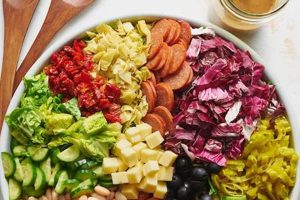
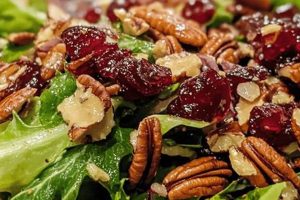
Southwestern-inspired salads featuring grilled or blackened chicken or steak, corn, black beans, avocado, tomatoes, tortilla strips, and often a creamy cilantro-lime dressing exemplify this culinary category. Variations might include different proteins like shrimp or tofu, alternative beans such as pinto or kidney, and diverse vegetables like bell peppers or roasted corn. A spicy element, like jalapeos or chipotle peppers, frequently contributes to the flavor profile.
These salads offer a flavorful and nutritious meal option, combining lean proteins, healthy fats, and fiber-rich vegetables. Their popularity stems from the vibrant blend of textures and tastes, offering a refreshing contrast to heavier salads. The adaptability of the ingredients contributes to its widespread appeal, catering to diverse dietary preferences and regional variations. Originating in the southwestern United States, these salads reflect the region’s culinary heritage, drawing inspiration from Mexican and Native American cuisine.
This article will delve into various preparations, exploring the nuances of different dressings, protein choices, and ingredient combinations. Guidance on selecting the freshest produce and achieving optimal flavor balances will also be provided.
Tips for Crafting Exceptional Southwestern Salads
Achieving optimal flavor and texture requires careful consideration of ingredient selection and preparation techniques. The following tips offer guidance for elevating these salads from simple to extraordinary.
Tip 1: Grill the Protein for Enhanced Flavor: Grilling chicken, steak, or shrimp imparts a smoky char that complements the other ingredients. Marinating the protein beforehand further enhances its taste.
Tip 2: Roast the Corn for Added Sweetness: Roasting corn intensifies its natural sweetness and adds a subtle smoky note. Alternatively, using fresh, sweet corn off the cob provides a crisp, refreshing element.
Tip 3: Balance the Spice Level: Jalapeos or chipotle peppers add a welcome kick, but careful moderation is key. Taste and adjust the spice level according to preference.
Tip 4: Use Fresh, Ripe Ingredients: The quality of the produce directly impacts the salad’s overall flavor. Opt for ripe avocados, juicy tomatoes, and crisp lettuce.
Tip 5: Make Your Own Dressing: While bottled dressings offer convenience, a homemade cilantro-lime dressing provides superior flavor and control over ingredients.
Tip 6: Don’t Overcrowd the Salad: Maintain a balance of ingredients, ensuring each element contributes without overwhelming the others.
Tip 7: Consider Texture Variety: The interplay of textures, from crunchy tortilla strips to creamy avocado, enhances the dining experience. Explore adding toasted pepitas or crumbled cotija cheese for added crunch.
By following these suggestions, one can create vibrant, flavorful salads that showcase the essence of Southwestern cuisine. Attention to detail and quality ingredients ensure a satisfying and memorable culinary experience.
These tips provide a foundation for crafting exceptional salads, allowing for further exploration of individual preferences and variations.
1. Fresh, High-Quality Ingredients
The foundation of any exceptional Santa Fe salad lies in the selection of fresh, high-quality ingredients. Ingredient quality directly impacts the overall flavor, texture, and nutritional value of the dish. Utilizing peak-season produce and properly handled proteins elevates this Southwestern staple from ordinary to extraordinary.
- Produce Selection
Ripe, flavorful produce is paramount. Tomatoes should be juicy and sweet, not mealy or bland. Avocados should yield to gentle pressure, indicating optimal ripeness. Crisp lettuce, such as romaine or butter lettuce, provides a refreshing counterpoint to the richer ingredients. The use of in-season produce maximizes flavor and nutritional content.
- Protein Quality
Whether opting for chicken, steak, shrimp, or a plant-based alternative like tofu, the protein quality significantly influences the salad’s overall taste and nutritional profile. Fresh, properly handled proteins ensure optimal flavor and texture. Grilling or blackening enhances the protein’s inherent flavors and adds a smoky dimension to the salad.
- Herbs and Spices
Fresh cilantro and lime juice are essential components of the characteristic bright, zesty flavor profile. Dried spices, such as cumin and chili powder, should be fresh and aromatic. Using high-quality herbs and spices elevates the overall complexity and authenticity of the salad.
- Supporting Ingredients
Other elements, such as corn, black beans, and tortilla strips, contribute to the texture and flavor profile. Fresh or roasted corn offers sweetness and a satisfying crunch. Tender, flavorful black beans complement the other ingredients. Crispy tortilla strips provide a textural contrast and a subtle corn flavor.
The synergy of these fresh, high-quality ingredients contributes to a vibrant and flavorful Santa Fe salad. Careful attention to ingredient selection ensures a balanced and satisfying culinary experience that showcases the best of Southwestern cuisine.
2. Balance of Flavors and Textures

A successful Santa Fe salad hinges on the harmonious interplay of flavors and textures. The dish thrives on contrasting elements: the cool creaminess of avocado against the spicy kick of jalapeos, the crisp freshness of lettuce against the hearty chewiness of beans, and the crunchy tortilla strips against the tender grilled chicken or steak. This balance prevents any single flavor or texture from dominating, creating a complex and satisfying sensory experience. For example, the richness of a creamy cilantro-lime dressing is offset by the bright acidity of lime juice and the herbaceous notes of cilantro. The interplay of sweet corn, savory beans, and smoky grilled protein further contributes to this dynamic balance. Without this careful consideration, the salad could become overly spicy, excessively rich, or texturally monotonous.
Achieving this balance requires thoughtful ingredient selection and preparation. Roasting corn, for instance, intensifies its sweetness and adds a subtle smoky char, complementing the grilled protein. Using fresh, ripe tomatoes provides a burst of juicy acidity that balances the richness of the dressing. The crispness of tortilla strips offers a welcome contrast to the softer textures of the other components. Even the choice of protein contributes to the textural balance grilled chicken offers a firm bite, while flaky fish provides a delicate contrast. Understanding these nuances allows for informed decisions regarding ingredient combinations and preparation methods.
Ultimately, the balance of flavors and textures elevates the Santa Fe salad from a simple combination of ingredients to a well-composed dish that engages the palate on multiple levels. This careful orchestration of contrasting elements is essential for capturing the true essence of Southwestern cuisine, delivering a culinary experience that is both refreshing and satisfying. The ability to recognize and manipulate these contrasting elements allows for creative variations while maintaining the fundamental principles of balance and harmony.
3. Authentic Southwestern Spices

Authentic Southwestern spices are integral to Santa Fe salad recipes, providing the distinctive flavor profile that sets them apart. These spices, often a blend of chili powders, cumin, oregano, and garlic, contribute not only heat but also earthy, smoky, and savory notes that complement the fresh ingredients. Understanding their unique characteristics and how they interact is crucial for creating a truly authentic and flavorful salad.
- Chili Powders: The Foundation of Southwestern Flavor
Chili powders form the base of most Southwestern spice blends. These are not simply ground chili peppers, but complex mixtures that may include dried chilies, cumin, oregano, garlic powder, and other spices. Ancho chili powder offers a mild, sweet heat with raisin-like undertones, while chipotle powder delivers a smoky, earthy heat. The choice of chili powder significantly impacts the final flavor profile of the salad.
- Cumin: Earthy and Aromatic
Cumin’s distinctive earthy, warm aroma is another hallmark of Southwestern cuisine. It adds a depth of flavor that complements the chili powders and other spices. Toasting cumin seeds before grinding enhances their flavor, bringing a nuttier, more intense aroma to the salad.
- Oregano: A Touch of Herbal Complexity
Mexican oregano, a variety distinct from Mediterranean oregano, contributes a subtle, earthy flavor with hints of citrus and pine. It adds a layer of complexity to the spice blend, balancing the heat of the chilies and the earthiness of the cumin.
- Garlic: Pungent and Savory
Garlic, whether fresh or powdered, adds a pungent, savory note to the salad. It enhances the other spices and contributes to the overall depth of flavor. Roasting garlic mellows its sharpness and brings out a sweeter, more nuanced flavor.
The careful combination of these authentic Southwestern spices creates a complex and layered flavor profile that defines Santa Fe salad recipes. Their combined effect enhances the fresh ingredients, creating a symphony of flavors that embody the essence of Southwestern cuisine. The specific blend and proportions of these spices allow for endless variations, each offering a unique taste experience while staying true to the regional culinary traditions.
4. Grilled or Blackened Protein

Grilled or blackened protein forms a cornerstone of Santa Fe salad recipes, contributing significantly to their characteristic flavor profile and overall appeal. The high-heat cooking methods impart a desirable smoky char and enhance the inherent flavors of the protein, whether it be chicken, steak, fish, or tofu. This Maillard reaction, the browning that occurs when amino acids and reducing sugars are heated, creates complex flavors that complement the other salad components. The choice between grilling and blackening offers subtle nuances in flavor and texture. Grilling typically involves direct heat, resulting in distinct grill marks and a slightly smoky flavor. Blackening, on the other hand, relies on a spice rub that chars quickly in a hot pan, creating a deeply savory crust. For example, blackened chicken breast offers a bolder, spicier flavor, while grilled chicken provides a more subtle smokiness.
The inclusion of grilled or blackened protein elevates the salad beyond a vegetarian option, providing a substantial source of protein and contributing to a more satisfying meal. The smoky, charred flavors contrast beautifully with the fresh vegetables, creamy avocado, and tangy dressing, creating a multi-dimensional culinary experience. Consider a salad with blackened salmon: the rich, smoky fish pairs perfectly with the bright flavors of a cilantro-lime dressing and the sweetness of roasted corn. Alternatively, grilled steak offers a hearty, savory element that complements the earthiness of black beans and the spice of jalapeos. The choice of protein and cooking method allows for customization based on individual preferences and dietary needs.
The preparation of the grilled or blackened protein plays a crucial role in the overall success of the salad. Proper marinades enhance flavor and tenderness, while careful cooking ensures the protein is cooked through without being dry or overcooked. Achieving the right balance of char and tenderness is essential for maximizing the protein’s contribution to the salad. Overcooked, dry protein detracts from the overall experience, while undercooked protein presents food safety concerns. Understanding these nuances allows for precise execution and consistent results, ensuring a delicious and satisfying Santa Fe salad every time. The inclusion of well-prepared grilled or blackened protein solidifies its role as a key component in these Southwestern-inspired salads.
5. Vibrant, Flavorful Dressings

Vibrant, flavorful dressings are essential to Santa Fe salad recipes, acting as a unifying element that ties the diverse ingredients together. The dressing not only adds moisture and flavor but also contributes to the overall balance of the dish, complementing the smoky protein, fresh vegetables, and Southwestern spices. The right dressing enhances the other components without overpowering them, creating a harmonious and satisfying culinary experience.
- Creamy Cilantro-Lime Dressing: The Classic Choice
The quintessential Santa Fe salad dressing features the bright, tangy flavors of lime juice and the fresh, herbaceous notes of cilantro. Often incorporating sour cream, mayonnaise, or Greek yogurt for creaminess, this dressing provides a cooling counterpoint to the spicier elements of the salad. Variations might include the addition of jalapeo, cumin, or garlic for added depth of flavor. This creamy dressing clings beautifully to the salad ingredients, ensuring every bite is infused with flavor.
- Vinaigrettes: A Lighter Alternative
For those seeking a lighter option, a vinaigrette offers a refreshing alternative. A simple lime vinaigrette, made with lime juice, olive oil, and a touch of honey or agave, provides a bright, acidic counterpoint to the richness of the other ingredients. Variations might include the addition of chili powder, cumin, or oregano for a more pronounced Southwestern flavor. Vinaigrettes offer a cleaner, brighter flavor profile, allowing the individual ingredients to shine.
- Avocado-Based Dressings: Rich and Creamy
Avocado-based dressings provide a rich, creamy texture and a healthy dose of monounsaturated fats. Blending ripe avocado with lime juice, cilantro, and a touch of water or buttermilk creates a vibrant green dressing with a smooth, velvety texture. This dressing adds a luxurious element to the salad while complementing the existing avocado in the salad itself.
- Spicy Variations: Adding a Kick
For those who enjoy a bit of heat, incorporating chili peppers or spicy adobo sauce into the dressing adds a fiery dimension to the salad. A chipotle-lime dressing, for instance, offers a smoky heat that complements the grilled or blackened protein. Jalapeo-lime dressings provide a fresh, vibrant spiciness. The level of heat can be adjusted to suit individual preferences, adding a customizable layer of complexity.
The choice of dressing plays a pivotal role in defining the overall character of a Santa Fe salad. Whether creamy or light, spicy or mild, the dressing should complement and enhance the other ingredients, contributing to a balanced and flavorful culinary creation. The versatility of these dressings allows for endless customization, ensuring a Santa Fe salad to suit every palate.
Frequently Asked Questions about Santa Fe Salads
This section addresses common inquiries regarding the preparation and enjoyment of Santa Fe salads, providing clarity and guidance for both novice and experienced cooks.
Question 1: What is the difference between a Santa Fe salad and a taco salad?
While both salads feature Southwestern flavors, a Santa Fe salad typically emphasizes grilled or blackened protein, a creamy cilantro-lime dressing, and often includes black beans and corn. Taco salads, conversely, often use ground beef, a vinaigrette-style dressing, and are served in a fried tortilla bowl.
Question 2: Can the protein be omitted for a vegetarian version?
Absolutely. Omitting the protein creates a satisfying vegetarian option. Tofu, seasoned and grilled or pan-fried, can also be substituted for a plant-based protein source.
Question 3: How can spice levels be adjusted?
Spice levels are easily adjusted. Omitting jalapeos or chipotle peppers creates a milder salad. Adding a pinch of cayenne pepper or a few dashes of hot sauce increases the heat. Adjusting the amount of chili powder in the dressing also influences the overall spiciness.
Question 4: What are the best lettuce choices for this salad?
Crisp lettuces, such as romaine, butter lettuce, or iceberg, work well. These provide a refreshing contrast to the richer ingredients without wilting under the weight of the dressing and toppings. Avoid delicate greens like spinach or arugula, which may become soggy.
Question 5: Can the dressing be made ahead of time?
Yes, most dressings can be prepared a day or two in advance. Storing the dressing in an airtight container in the refrigerator allows the flavors to meld. This also simplifies the salad assembly process.
Question 6: What are some suitable side dishes?
Complementary side dishes include Spanish rice, grilled corn on the cob, or a simple avocado salsa. These options enhance the Southwestern theme and provide additional flavors and textures.
Understanding these common points of inquiry empowers individuals to create and enjoy Santa Fe salads tailored to their specific preferences and dietary needs.
Further exploration of specific recipe variations and ingredient combinations is encouraged to fully appreciate the culinary versatility of this Southwestern classic.
Santa Fe Salad Recipes
Exploration of this Southwestern culinary staple reveals a dish rich in flavor, texture, and cultural heritage. From the careful selection of fresh ingredients to the nuanced balance of spices and the skillful preparation of grilled or blackened proteins, crafting an exceptional salad requires attention to detail. The versatility of these recipes allows for creative variations while adhering to core principles of balance and freshness. Understanding the interplay of creamy dressings, crunchy tortilla strips, vibrant vegetables, and flavorful proteins unlocks the potential for a truly satisfying culinary experience.
The enduring popularity of these recipes speaks to their adaptability and inherent appeal. Continued exploration of ingredient combinations, spice blends, and dressing variations promises further culinary discoveries. Ultimately, the Santa Fe salad represents more than just a meal; it embodies a culinary tradition that celebrates fresh, vibrant flavors and the rich tapestry of Southwestern cuisine.