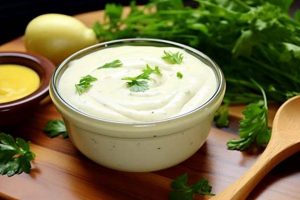
A vibrant and flavorful variation on the classic picnic side dish, this preparation involves combining cooked potatoes with other ingredients, bound together by a tangy Italian-style dressing. This dressing typically includes oil, vinegar, herbs, and spices, offering a lighter and zestier alternative to mayonnaise-based versions. A typical recipe might include additions such as celery, onion, bell peppers, and hard-boiled eggs, contributing textural and flavor complexity.
The advantage of this approach lies in its versatility and adaptability. The Italian dressing infuses the potatoes and other components with a bright, herbaceous flavor profile, suitable for warm-weather gatherings or as a refreshing complement to grilled meats. Its lighter character makes it a popular choice for those seeking a less heavy side dish. Furthermore, the recipe allows for a degree of customization, as the specific herbs, spices, and vegetables included can be adjusted to personal preference. This style of potato salad has gained popularity in recent decades as culinary trends embrace lighter, brighter flavors.
This exploration will delve into specific recipe variations, offering guidance on ingredient selection, preparation techniques, and serving suggestions. Detailed instructions and tips will be provided to ensure successful outcomes, from perfectly cooked potatoes to a well-balanced and flavorful dressing.
Tips for an Exceptional Italian-Dressed Potato Salad
Achieving a truly delicious potato salad with Italian dressing hinges on attention to detail throughout the preparation process. The following tips offer guidance on optimizing flavor, texture, and overall quality.
Tip 1: Potato Selection and Cooking: Opt for waxy potatoes, such as red or Yukon Gold, as they hold their shape well during cooking. Avoid overcooking, as this can result in a mushy texture. Potatoes should be tender but firm.
Tip 2: Dressing Preparation and Timing: Prepare the dressing in advance to allow the flavors to meld. Whisk together the oil, vinegar, herbs, and spices thoroughly. Adding a touch of Dijon mustard can help emulsify the dressing.
Tip 3: Incorporating the Dressing: Dress the potatoes while they are still slightly warm. This allows for better absorption of the dressing’s flavors. Gently toss to coat evenly.
Tip 4: Ingredient Balance: Achieve a balanced flavor profile by thoughtfully combining ingredients. Consider the flavors of the vegetables and other additions, ensuring they complement the Italian dressing.
Tip 5: Chilling and Serving: Allow the salad to chill for at least an hour before serving. This allows the flavors to fully develop and the salad to reach an optimal temperature.
Tip 6: Customization and Creativity: Don’t be afraid to experiment with different herbs, spices, and vegetables. Personalized touches can elevate the dish and cater to individual preferences.
Tip 7: Presentation: Enhance the visual appeal by garnishing with fresh herbs or a sprinkle of Parmesan cheese. Serve chilled in an attractive bowl.
By adhering to these tips, one can create a potato salad that stands out for its vibrant flavor, pleasing texture, and overall appeal. The result is a dish that is both refreshing and satisfying.
These practical insights provide a foundation for mastering the art of creating a truly memorable Italian-dressed potato salad. The following section will offer concluding thoughts and suggestions for further exploration.
1. Waxy potato varieties

Waxy potato varieties play a crucial role in the success of a potato salad made with Italian dressing. Their inherent characteristics contribute significantly to the texture and overall quality of the final dish. Understanding these properties is essential for achieving optimal results.
- Texture and Density:
Waxy potatoes possess a dense, firm flesh that holds its shape well during cooking. This is in contrast to starchy potatoes, which tend to become crumbly when boiled. The firm texture of waxy potatoes prevents them from disintegrating when mixed with the other ingredients and the dressing, resulting in a salad with distinct, intact potato pieces.
- Moisture Content:
Waxy potatoes have a lower starch content and higher moisture content compared to starchy varieties. This lower starch content contributes to their creamy texture and prevents them from becoming overly dry or mealy. The moisture content ensures the potatoes remain succulent even after being chilled in the salad.
- Flavor Absorption:
The dense texture and lower starch content of waxy potatoes allow them to absorb the flavors of the Italian dressing more effectively. This results in a more flavorful and well-seasoned potato salad. The dressing penetrates the potato pieces, enhancing their taste and contributing to the overall balance of the dish.
- Visual Appeal:
Because they maintain their shape during cooking, waxy potatoes contribute to a visually appealing potato salad. The distinct, intact potato pieces create a more attractive presentation compared to a salad made with crumbly, broken-down potatoes. The vibrant colors of varieties like red potatoes further enhance the aesthetic appeal.
The selection of waxy potatoes, therefore, offers significant advantages in creating a potato salad with Italian dressing. Their textural integrity, moisture retention, ability to absorb flavors, and visual appeal all contribute to a superior culinary experience. Choosing appropriate potato varieties lays the foundation for a successful and satisfying dish.
2. Balanced Italian Dressing

Balanced Italian dressing plays a pivotal role in a successful potato salad. The dressing acts as the unifying element, binding the various components and imparting a cohesive flavor profile. A well-balanced dressing avoids extremes in acidity, sweetness, or oiliness. Excessive vinegar can overpower the other flavors, while too much oil can create a greasy texture. An ideal balance allows the inherent flavors of the potatoes and other ingredients to shine through while contributing a bright, herbaceous note. For example, a dressing featuring a balanced ratio of olive oil, red wine vinegar, garlic, oregano, and a touch of sweetness from honey complements the earthy potatoes and other vegetables without dominating the overall taste.
The practical significance of this balance lies in its impact on the final dish. A harmonious dressing elevates the potato salad from a simple side to a flavorful centerpiece. The interplay of acidity, sweetness, and herbaceous notes enhances the overall sensory experience. Consider a scenario where the dressing is overly acidic. The sharp vinegar taste would mask the subtle flavors of the potatoes and other ingredients, resulting in a less enjoyable dish. Conversely, a bland dressing lacking acidity would fail to provide the necessary brightness and depth of flavor. Careful consideration of the dressing’s components and their proportions is crucial for achieving the desired result.
Achieving balance requires an understanding of flavor profiles and the interplay of ingredients. A well-crafted Italian dressing enhances the natural flavors of the potatoes and other components, creating a harmonious and satisfying dish. The delicate balance prevents any single element from dominating the flavor profile, ensuring a well-rounded and enjoyable culinary experience. Attention to this detail distinguishes a truly exceptional potato salad from a mediocre one. This principle underscores the importance of considering the dressing not as a mere addition, but as an integral component that significantly influences the overall success of the dish.
3. Complementary Ingredients

Complementary ingredients are essential for elevating a potato salad with Italian dressing beyond the basic combination of potatoes and dressing. These additions contribute not only to the flavor profile but also to the texture, visual appeal, and overall culinary experience. Strategic selection of complementary ingredients allows for a wide range of flavor combinations, catering to individual preferences and creating a truly memorable dish.
- Aromatic Vegetables:
Aromatic vegetables, such as onions, celery, and bell peppers, introduce layers of flavor and textural complexity. The sharp bite of raw red onion, the subtle celery notes, and the sweetness of bell peppers create a dynamic interplay with the tangy Italian dressing and the creamy potatoes. Finely diced red onion adds a pungent kick, while thinly sliced celery provides a refreshing crunch. Chopped bell peppers, particularly red or yellow for their sweetness, offer bursts of color and flavor.
- Briny or Salty Elements:
Ingredients like olives, capers, or chopped pickles introduce a briny or salty counterpoint to the other flavors. Black olives provide a robust, earthy flavor, while green olives offer a milder, brinier taste. Capers deliver a sharp, piquant note, and chopped pickles contribute a tangy crunch. These elements create a more complex and balanced flavor profile.
- Fresh Herbs:
Fresh herbs such as parsley, oregano, or basil impart a vibrant, herbaceous aroma and flavor. Freshly chopped parsley adds a bright, clean taste, while oregano offers a slightly peppery, earthy note. Basil contributes a sweet, anise-like flavor. These herbs complement the herbs typically found in Italian dressing, creating a more nuanced and layered flavor profile.
- Protein Enhancements:
Adding protein, such as hard-boiled eggs, chickpeas, or crumbled bacon, transforms the potato salad into a more substantial and satisfying dish. Hard-boiled eggs provide a creamy texture and a mild flavor, while chickpeas offer a nutty taste and a firmer texture. Crumbled bacon introduces a smoky, savory element. These additions enhance the overall nutritional value and contribute to a more complete and balanced meal.
The careful selection and incorporation of complementary ingredients are crucial for creating a well-rounded and delicious potato salad with Italian dressing. The interplay of flavors, textures, and colors elevates the dish beyond a simple side, transforming it into a culinary experience that engages the senses and satisfies the palate. By considering the individual contributions of each ingredient, one can craft a potato salad that is both flavorful and visually appealing. The right combination of complementary ingredients enhances the inherent qualities of the potatoes and dressing, creating a harmonious and memorable dish.
4. Proper Chilling Time
Proper chilling time is a crucial element in a successful potato salad recipe using Italian dressing. It directly influences flavor development and overall palatability. Chilling allows the potatoes to absorb the flavors of the Italian dressing fully. The initially distinct flavors of the oil, vinegar, herbs, and spices meld and harmonize over time, permeating the potatoes and other ingredients. This integration of flavors results in a more cohesive and balanced taste profile. Without sufficient chilling, the flavors remain disjointed, and the salad may taste underdeveloped. For instance, a freshly made potato salad might exhibit a sharp vinegar taste initially. After chilling, the vinegar mellows, and the other flavors become more pronounced, creating a more nuanced and enjoyable experience.
Furthermore, chilling enhances the textural aspects of the potato salad. The cooling process firms the potatoes, contributing to a more desirable texture. A warm potato salad can have a softer, less appealing consistency. Chilling helps maintain the structural integrity of the potatoes and other ingredients, preventing them from becoming mushy or overly saturated with the dressing. The result is a salad with a pleasant, firm texture that complements the vibrant flavors of the Italian dressing. This effect is particularly noticeable with waxy potato varieties, which retain their shape and firmness well during chilling.
In conclusion, adequate chilling time is an essential step that significantly improves the sensory experience of consuming potato salad made with Italian dressing. The flavor intensification and textural improvement achieved through chilling contribute to a more refined and satisfying culinary outcome. Neglecting this step can result in a less flavorful and texturally compromised dish. Understanding the importance of chilling time enables one to optimize the recipe and create a potato salad that showcases the full potential of the combined ingredients. This knowledge contributes to a more nuanced understanding of the interplay of time, temperature, and flavor in culinary arts.
5. Flavorful Customization

Flavorful customization represents a significant advantage within the context of potato salad prepared with Italian dressing. This adaptability allows the dish to cater to a broad range of palates and dietary preferences. The inherent versatility of Italian dressing, combined with the neutral canvas of potatoes, provides a foundation for diverse flavor explorations. One can adjust the herbs and spices within the dressing itself, opting for a classic oregano-basil combination or incorporating more pungent flavors like rosemary or thyme. This flexibility extends beyond herbs, encompassing variations in the type of vinegar used, from red wine vinegar’s robust tang to the delicate brightness of white wine vinegar or the subtle fruitiness of apple cider vinegar. The degree of sweetness can also be modulated, with the addition of honey, maple syrup, or a pinch of sugar. For example, a preference for bolder flavors might lead to incorporating crushed red pepper flakes or a dash of hot sauce into the dressing, while a desire for earthier notes could suggest the inclusion of roasted garlic or smoked paprika.
Beyond the dressing, the customization extends to the choice of complementary ingredients. Incorporating vegetables such as roasted red peppers, marinated artichoke hearts, or sun-dried tomatoes introduces distinct Mediterranean influences. Alternatively, adding chopped pickles, celery, and hard-boiled eggs offers a more traditional, picnic-style profile. Further personalization can be achieved through the incorporation of proteins like grilled chicken or shrimp, crumbled bacon, or chickpeas. These additions not only contribute to the flavor profile but also enhance the nutritional value and textural complexity of the salad. For instance, adding grilled halloumi cheese introduces a salty, savory dimension and a satisfying chewiness, while incorporating toasted pine nuts offers a nutty flavor and a delicate crunch. The potential for variation is vast, allowing for the creation of a potato salad uniquely suited to the occasion and individual preferences.
Ultimately, the ability to customize flavors allows for a deeply personalized culinary experience. This adaptability ensures that potato salad with Italian dressing remains a versatile dish, suitable for a wide range of occasions and palates. From simple adjustments to the dressing to more elaborate additions of complementary ingredients, the possibilities for customization offer a creative outlet for culinary exploration. This inherent flexibility distinguishes this type of potato salad, transforming it from a standard side dish into a culinary canvas upon which individual preferences can be expressed. The practical significance of this lies in the ability to create a dish that not only tastes delicious but also reflects individual tastes and dietary considerations, enhancing the overall dining experience.
Frequently Asked Questions
This section addresses common inquiries regarding the preparation and enjoyment of potato salad made with Italian dressing.
Question 1: What type of potatoes is best suited for this style of potato salad?
Waxy potatoes, such as red or Yukon Gold, are recommended. Their firm texture holds up well during cooking and prevents the salad from becoming mushy.
Question 2: Can the dressing be made in advance?
Preparing the dressing in advance is beneficial. This allows the flavors to meld and intensify, resulting in a more balanced and flavorful salad.
Question 3: Should the potatoes be hot or cold when the dressing is added?
Slightly warm potatoes absorb the dressing more effectively, enhancing flavor penetration. Avoid adding the dressing to hot potatoes, as this can cause them to become overly soft.
Question 4: How long should the potato salad be chilled before serving?
Chilling for at least one hour allows the flavors to fully develop and the salad to reach an optimal serving temperature. Longer chilling times, up to several hours, can further enhance the flavor profile.
Question 5: What are some suitable additions to enhance the flavor profile?
Complementary ingredients such as chopped celery, bell peppers, red onion, olives, hard-boiled eggs, and fresh herbs contribute both flavor and textural complexity.
Question 6: How long can the potato salad be stored in the refrigerator?
Properly stored in an airtight container, this type of potato salad can typically be refrigerated for up to three days. However, it’s best consumed within the first two days for optimal quality.
Understanding these key points ensures successful preparation and optimal enjoyment of this flavorful and versatile dish.
The following section will provide a complete recipe, offering step-by-step instructions for creating a delicious Italian-dressed potato salad.
Potato Salad Recipe Using Italian Dressing
Exploration of this potato salad variation reveals the interplay of key elements contributing to its distinctive character. Waxy potatoes provide textural integrity, while a balanced Italian dressing delivers a vibrant flavor profile. Complementary ingredients, ranging from aromatic vegetables to briny accents and fresh herbs, further enhance the sensory experience. Proper chilling allows flavors to meld and mature, resulting in a harmonious blend. The adaptability of this recipe, with its potential for flavorful customization, positions it as a versatile culinary creation suitable for diverse palates and occasions. From ingredient selection to preparation techniques, attention to detail ensures a successful outcome.
This culinary approach underscores the potential for transforming simple ingredients into a dish that is both refreshing and satisfying. The synthesis of textures, flavors, and aromas achieved through careful consideration of each component elevates this potato salad beyond a mere side dish, presenting it as a testament to the art of culinary balance and creativity. Further exploration and experimentation within this framework promise continued culinary discovery and enjoyment.