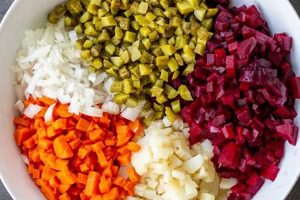
Meals centered around fresh produce, lean proteins, and healthy fats are crucial for managing blood sugar levels. These dishes offer a way to enjoy a satisfying and flavorful meal while prioritizing nutritional balance. For example, a spinach salad with grilled chicken, avocado, and a vinaigrette dressing made with olive oil and apple cider vinegar provides fiber, protein, and healthy fats, all contributing to stable glucose responses.
Incorporating such meals into a diabetic diet offers several advantages. The high fiber content in vegetables promotes satiety and aids in regulating digestion, which can help prevent blood sugar spikes. Lean protein sources further contribute to satiety and provide essential amino acids for maintaining muscle mass. Healthy fats play a role in improving insulin sensitivity and overall metabolic health. Historically, dietary management has been a cornerstone of diabetes care, and the emphasis on whole, unprocessed foods like those found in these meals reflects a continued understanding of nutrition’s role in managing the condition.
The following sections will explore various ingredient combinations and preparation methods suitable for creating these beneficial meals, including considerations for portion sizes, carbohydrate counting, and glycemic index.
Tips for Creating Diabetes-Friendly Salads
These tips offer guidance for constructing salads that support blood sugar management and overall well-being. Careful ingredient selection and portion control are key components of a successful approach.
Tip 1: Prioritize Non-Starchy Vegetables: Leafy greens, such as spinach, kale, and romaine lettuce, form an excellent base. Cruciferous vegetables like broccoli, cauliflower, and Brussels sprouts add further nutritional value. These choices contribute fiber and essential nutrients without significantly impacting blood sugar.
Tip 2: Choose Lean Protein Sources: Grilled chicken breast, fish, tofu, or beans offer protein to promote satiety and support muscle mass. Avoid processed meats high in sodium and unhealthy fats.
Tip 3: Incorporate Healthy Fats: Avocado, nuts, and seeds provide healthy fats that improve insulin sensitivity and contribute to overall metabolic health. Use these ingredients in moderation due to their caloric density.
Tip 4: Be Mindful of Carbohydrates: Limit starchy vegetables like corn and potatoes. Portion control is vital to manage carbohydrate intake effectively.
Tip 5: Select Low-Glycemic Index Fruits: Berries, apples, and pears offer sweetness and antioxidants without causing rapid blood sugar spikes. Consume these fruits in moderation.
Tip 6: Opt for Healthy Dressings: Vinaigrettes made with olive oil, vinegar, and herbs offer flavor without added sugars or unhealthy fats. Avoid creamy dressings that often contain high amounts of saturated fat and sugar.
Tip 7: Monitor Portion Sizes: Even healthy ingredients can contribute to elevated blood sugar if consumed in large quantities. Pay attention to portion sizes for all ingredients, including healthy fats and fruits.
By following these tips, individuals can create delicious and nutritious salads that support blood sugar management, promote satiety, and contribute to overall health and well-being.
The information presented here provides a foundation for incorporating healthful salad choices into a diabetes management plan. Further consultation with a healthcare professional or registered dietitian can provide personalized guidance and support.
1. Nutrient-Dense Ingredients

Nutrient density plays a vital role in formulating salads suitable for individuals managing diabetes. Foods rich in vitamins, minerals, and fiber while being relatively low in calories and carbohydrates contribute to blood sugar control and overall health. Prioritizing these ingredients allows for the creation of satisfying meals that support dietary goals without compromising flavor or satiety. For instance, leafy greens like spinach and kale offer abundant vitamins A and K, alongside fiber, which aids in regulating digestion and blood glucose levels. Cruciferous vegetables such as broccoli and cauliflower provide additional vitamins and minerals with a low glycemic impact. These choices form a strong foundation for nutrient-rich salads.
The strategic inclusion of nutrient-dense ingredients offers multiple benefits. Adequate fiber intake promotes satiety, reducing the likelihood of overeating and subsequent blood sugar spikes. Essential vitamins and minerals support overall health and well-being, addressing potential nutrient deficiencies sometimes associated with restrictive diets. Furthermore, the emphasis on whole, unprocessed foods aligns with the principles of a balanced dietary approach for diabetes management. Choosing lean protein sources like grilled chicken or fish adds further nutritional value without contributing excessive calories or unhealthy fats. Incorporating sources of healthy fats, such as avocados or nuts, provides essential fatty acids while enhancing flavor and promoting satiety, further supporting blood sugar control.
Effective diabetes management requires a holistic approach to dietary choices. Focusing on nutrient-dense ingredients in salad preparation offers a practical and palatable way to achieve nutritional goals while enjoying flavorful meals. This approach supports stable blood sugar levels, contributes to overall health, and aligns with long-term dietary strategies for individuals with diabetes. However, careful consideration of portion sizes and overall carbohydrate intake remains essential, even with nutrient-rich choices. Consulting a registered dietitian or healthcare professional can provide personalized guidance for incorporating these principles into an individual’s meal plan.
2. Portion Control

Portion control plays a critical role in managing blood sugar levels for individuals with diabetes. Even with nutrient-rich salads, excessive consumption can lead to unwanted blood glucose fluctuations. Understanding and implementing effective portion control strategies is essential for maximizing the benefits of healthy salad choices within a diabetes management plan.
- Vegetable Servings:
Non-starchy vegetables, while generally lower in carbohydrates, should still be consumed in appropriate portions. A practical guideline suggests filling half the plate with non-starchy vegetables. Overconsumption, even of healthy vegetables, can contribute to increased carbohydrate intake. For example, a large salad consisting primarily of spinach and other leafy greens is generally well-tolerated, but adding excessive amounts of higher-carbohydrate vegetables like carrots or beets requires careful consideration.
- Protein Management:
Lean protein is crucial for satiety and blood sugar regulation, but portion sizes remain important. A serving of protein, roughly the size of a deck of cards, generally suffices. Consuming excessive amounts of protein, even lean sources, can contribute to increased calorie intake. For instance, while grilled chicken is a healthy protein option, consuming a large chicken breast may exceed recommended portion sizes.
- Healthy Fat Moderation:
Healthy fats, though beneficial, are calorie-dense. Portion control is crucial to avoid excess calorie consumption. A serving of healthy fats, such as a tablespoon of nuts or a quarter of an avocado, typically provides the desired benefits without adding excessive calories. For example, while avocados offer healthy fats and fiber, consuming an entire avocado in a single salad may contribute significantly to overall calorie intake.
- Carbohydrate Awareness:
Careful monitoring of carbohydrate intake is fundamental to diabetes management. Even in salads, seemingly healthy ingredients can contribute significantly to carbohydrate totals. For example, adding dried cranberries or other dried fruits, while offering certain nutritional benefits, can quickly increase the carbohydrate content of a salad. Mindful portioning of these ingredients is essential for managing overall carbohydrate intake.
By understanding and applying these portion control principles, individuals with diabetes can create and enjoy salads that support blood sugar management while providing essential nutrients. These strategies contribute to a balanced and sustainable dietary approach, facilitating long-term health and well-being. Consulting a registered dietitian or healthcare professional can offer personalized guidance on portion sizes and appropriate food choices within a comprehensive diabetes management plan.
3. Low-Glycemic Vegetables

Low-glycemic vegetables play a crucial role in salad recipes designed for individuals managing diabetes. These vegetables, characterized by their minimal impact on blood glucose levels, offer a foundation for creating meals that support stable blood sugar control. The glycemic index (GI) ranks foods based on how quickly they raise blood glucose levels. Low-GI foods cause a slower, more gradual rise, preventing spikes and subsequent crashes. Incorporating these vegetables into salads allows for greater dietary flexibility and contributes to overall glycemic management.
Leafy greens such as spinach, kale, and romaine lettuce, along with cruciferous vegetables like broccoli, cauliflower, and Brussels sprouts, exemplify low-GI choices ideal for diabetic-friendly salads. These options provide essential vitamins, minerals, and fiber, contributing to satiety and promoting digestive health without significantly impacting blood glucose. For instance, a salad featuring spinach, grilled chicken, and a light vinaigrette dressing offers a balanced meal with minimal glycemic impact. Conversely, incorporating high-GI vegetables like potatoes or corn, even in moderate quantities, could lead to more pronounced blood sugar increases. Understanding these distinctions allows for informed choices that align with dietary goals for diabetes management.
Prioritizing low-glycemic vegetables in salad preparation offers significant practical advantages for individuals with diabetes. These choices facilitate better blood sugar control, reducing the risk of hyperglycemia and its associated complications. The emphasis on nutrient-dense, low-GI vegetables contributes to a balanced and sustainable dietary approach, empowering individuals to manage their condition effectively. Furthermore, the versatility of these vegetables allows for diverse and flavorful salad combinations, promoting dietary adherence and long-term health outcomes. However, it remains essential to consider overall carbohydrate intake and portion sizes, even with low-GI vegetables, for optimal blood glucose management. Consulting a registered dietitian or healthcare professional can provide personalized guidance and support in creating meal plans that incorporate these principles.
4. Lean Protein Sources

Lean protein sources represent a crucial component of salad recipes designed for individuals managing diabetes. Protein plays a vital role in blood sugar regulation by slowing digestion and promoting satiety, thus mitigating rapid glucose spikes after meals. This effect is particularly important for individuals with diabetes, who often experience challenges in maintaining stable blood glucose levels. Incorporating lean protein into salads contributes significantly to achieving this goal. For example, a salad containing grilled chicken breast, mixed greens, and a light vinaigrette provides a balanced meal where the protein content helps regulate the absorption of carbohydrates from the vegetables, preventing sharp rises in blood sugar. Conversely, a salad lacking a substantial protein source may lead to more rapid carbohydrate digestion and subsequent blood glucose fluctuations.
The selection of appropriate lean protein sources is equally important. Processed meats, while technically protein sources, often contain high levels of sodium and unhealthy fats, which can negatively impact cardiovascular health, a key concern for individuals with diabetes. Preferred choices include grilled or baked chicken breast, fish, tofu, beans, lentils, and hard-boiled eggs. These options offer high-quality protein without the detrimental additions found in processed meats. For instance, a salad featuring grilled salmon, quinoa, and assorted vegetables not only provides lean protein but also incorporates healthy omega-3 fatty acids, further contributing to overall well-being. This strategic selection of protein sources amplifies the benefits of the salad within a diabetes-focused dietary plan.
The integration of lean protein sources into diabetes-friendly salad recipes offers significant practical benefits. Enhanced satiety helps manage calorie intake and prevent overeating, contributing to weight management, another crucial aspect of diabetes care. Furthermore, the sustained release of glucose into the bloodstream promotes stable energy levels and reduces the risk of hypoglycemia. These combined effects demonstrate the importance of considering lean protein as a cornerstone of effective salad design for individuals with diabetes. Careful consideration of protein choices and portion sizes, in conjunction with overall dietary guidelines, is essential for maximizing these benefits and achieving optimal glycemic control.
5. Healthy Fat Choices

Dietary fat, once demonized, now holds a recognized place in balanced nutrition, especially for individuals managing diabetes. Healthy fats play a crucial role in blood sugar regulation, satiety, and overall metabolic health, making informed fat choices essential in crafting diabetes-friendly salads. Incorporating these fats not only enhances flavor and palatability but also contributes significantly to long-term health outcomes.
- Monounsaturated Fats
Found in avocados, nuts, and olive oil, monounsaturated fats contribute to improved insulin sensitivity and cardiovascular health. Adding sliced avocado to a chicken salad or incorporating a vinaigrette dressing based on olive oil provides these beneficial fats while enhancing flavor and texture. These fats also promote satiety, reducing the likelihood of overeating and subsequent blood sugar spikes.
- Polyunsaturated Fats
Sources like walnuts, flaxseeds, and chia seeds offer polyunsaturated fats, including omega-3 fatty acids known for their anti-inflammatory properties and potential benefits for cardiovascular health. Sprinkling a salad with chopped walnuts or adding a tablespoon of flaxseed meal boosts its nutritional profile while contributing to blood sugar management. These fats also play a role in maintaining healthy cell membranes and supporting overall metabolic function.
- Portion Control
While essential, healthy fats are calorie-dense. Moderation is key to prevent excessive calorie intake. A serving of avocado, a small handful of nuts, or a tablespoon of oil typically provides the desired health benefits without contributing significantly to overall caloric load. Overconsumption can negate the positive effects, impacting weight management and potentially influencing blood glucose control. Careful portioning ensures that the benefits of these fats are maximized within the context of a balanced diabetic diet.
- Fat Choices to Avoid
Saturated and trans fats, commonly found in processed foods and some dressings, should be limited due to their potential negative impact on cardiovascular health. Creamy salad dressings, fried toppings, and processed meats often contain these less desirable fats. Opting for vinaigrette-based dressings, lean protein sources, and avoiding fried additions contribute to a healthier salad that aligns with the dietary needs of individuals managing diabetes.
Strategic incorporation of healthy fats into salad recipes represents a significant step towards achieving balanced nutrition and effective diabetes management. Choosing the right types of fats and practicing portion control allows individuals to reap the benefits of these essential nutrients while minimizing potential risks. This approach not only enhances the flavor and enjoyment of salads but also contributes significantly to long-term health and well-being for individuals with diabetes.
6. Limited Added Sugars
Added sugars pose a significant challenge for individuals managing diabetes, contributing to rapid blood glucose spikes and hindering long-term glycemic control. Within the context of salad recipes for diabetics, minimizing added sugars is paramount for maintaining stable blood glucose levels and supporting overall health. Careful ingredient selection and preparation methods are crucial for achieving this objective. This section explores key facets of limiting added sugars in diabetes-friendly salads.
- Dressings and Marinades
Commercially prepared salad dressings and marinades often contain significant amounts of added sugars, often hidden under various names like high-fructose corn syrup or dextrose. These additions can quickly elevate a salad’s sugar content, negating the benefits of otherwise healthy ingredients. Opting for homemade vinaigrettes using olive oil, vinegar, and herbs allows for complete control over ingredients and eliminates unnecessary added sugars. For example, a simple lemon-herb vinaigrette provides flavor without contributing to blood glucose fluctuations, unlike a store-bought honey-mustard dressing that might contain substantial added sugars.
- Dried Fruits and Candied Nuts
While offering certain nutrients and textural appeal, dried fruits and candied nuts often harbor hidden added sugars. These additions can significantly impact blood glucose levels, especially when consumed in larger quantities. Choosing fresh fruits or unsalted, uncandied nuts provides similar nutritional benefits without the added sugar burden. For instance, adding fresh berries to a salad offers antioxidants and sweetness without the glycemic impact of candied cranberries or dried apricots.
- Hidden Sugars in Other Ingredients
Certain seemingly innocuous salad ingredients can also contribute to added sugar intake. Pre-made croutons, flavored yogurt toppings, and some packaged salad mixes may contain added sugars for flavor enhancement or preservation. Carefully reviewing ingredient lists or opting for homemade alternatives minimizes exposure to these hidden sugars. Making croutons from whole-grain bread or using plain Greek yogurt with fresh herbs provides flavor and texture without the added sugars found in processed alternatives.
- Impact on Glycemic Control
Limiting added sugars in salads directly supports effective diabetes management. By minimizing rapid blood glucose spikes, individuals can maintain better glycemic control, reducing the risk of long-term complications associated with poorly managed diabetes. Consistent attention to added sugars in salad preparation contributes to a more stable and predictable blood glucose response, supporting overall health and well-being.
By addressing these facets of added sugar consumption within the context of salad preparation, individuals with diabetes can make informed choices that support their dietary goals and overall health. Minimizing added sugars through careful ingredient selection and preparation methods contributes significantly to maintaining stable blood glucose levels and mitigating the risks associated with poorly controlled diabetes. This mindful approach to salad design empowers individuals to enjoy flavorful and nutritious meals while effectively managing their condition.
Frequently Asked Questions
This section addresses common inquiries regarding salad consumption for individuals managing diabetes.
Question 1: Can salads truly contribute to managing blood sugar levels?
Salads, when composed mindfully, can significantly contribute to blood sugar management. Non-starchy vegetables, lean proteins, and healthy fats provide essential nutrients without causing rapid glucose spikes. Portion control remains crucial, even with healthy ingredients.
Question 2: What vegetables are most suitable for diabetic-friendly salads?
Leafy greens (spinach, kale, romaine), cruciferous vegetables (broccoli, cauliflower, Brussels sprouts), and other non-starchy options form an ideal base. These choices are rich in fiber, vitamins, and minerals while being relatively low in carbohydrates.
Question 3: Which salad dressings align with diabetes management principles?
Vinaigrettes made with olive oil, vinegar, and herbs are generally preferred. They provide flavor without added sugars or unhealthy fats often found in creamy dressings. Careful attention to portion size remains important even with healthy dressings.
Question 4: How can protein be incorporated effectively into diabetic-friendly salads?
Lean protein sources like grilled chicken, fish, tofu, beans, and lentils contribute to satiety and blood sugar regulation. Portion size is crucial, as excessive protein can contribute to increased calorie intake.
Question 5: Do carbohydrates in salads need to be meticulously tracked?
Carbohydrate counting is an essential aspect of diabetes management. Even healthy carbohydrates from vegetables and fruits contribute to overall carbohydrate intake and should be accounted for within a meal plan.
Question 6: How frequently can salads be incorporated into a diabetic diet?
Salads can be a regular part of a diabetic diet. Frequency depends on individual needs and preferences, as well as overall meal planning considerations. Consulting a dietitian can provide personalized guidance on meal frequency and composition.
Mindful ingredient selection and portion control are key to reaping the benefits of salads for diabetes management. Consulting a healthcare professional or registered dietitian can provide further personalized guidance.
The information provided here offers general guidance. Individual dietary needs vary, and consulting a healthcare professional or registered dietitian is recommended for personalized advice.
Conclusion
Careful meal planning is essential for managing diabetes, and salads offer a versatile platform for creating nutrient-rich, blood-sugar-friendly meals. Prioritizing non-starchy vegetables, lean proteins, and healthy fats, while limiting added sugars and practicing portion control, allows individuals to create salads that support their health goals. Understanding the glycemic index and load of various ingredients further empowers informed decision-making.
Effective diabetes management requires a multifaceted approach. Dietary strategies, including the incorporation of thoughtfully constructed salads, play a significant role in achieving long-term health and well-being. Continued education and collaboration with healthcare professionals empower individuals to make informed choices that support their overall health and diabetes management journey.