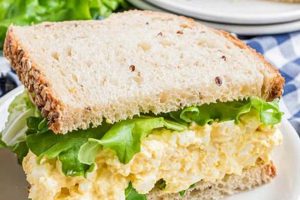
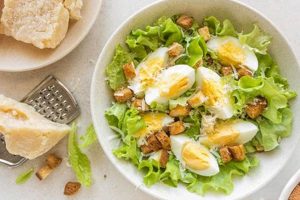
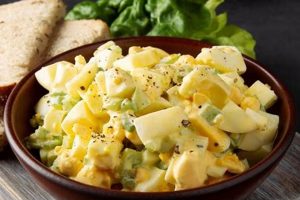
A superior egg salad prioritizes both flavor and nutritional value. This involves careful ingredient selection, such as fresh, high-quality eggs, and incorporating healthful additions like Greek yogurt, avocado, or Dijon mustard, while minimizing less healthy components like mayonnaise. An exemplary version might feature chopped hard-boiled eggs blended with Greek yogurt, Dijon mustard, chopped celery, red onion, and fresh dill, seasoned with salt and pepper.
Creating a nutritious and flavorful egg salad offers numerous advantages. It provides a good source of protein and essential nutrients, while allowing for creative variations to suit individual dietary needs and preferences. Healthier versions can contribute to weight management by reducing fat and calorie intake compared to traditional mayonnaise-heavy recipes. Egg salad has long been a popular dish, evolving from simple combinations to more complex and health-conscious variations reflecting contemporary dietary trends.
The following sections will delve into specific strategies for crafting a wholesome and delicious egg salad, covering ingredient selection, preparation techniques, and creative variations to inspire culinary exploration.
Tips for Creating a Nutritious and Delicious Egg Salad
Optimizing egg salad involves strategic choices regarding ingredients and preparation methods. The following tips guide the creation of a dish that balances flavor, texture, and nutritional value.
Tip 1: Prioritize Egg Quality: Opt for fresh, high-quality eggs for optimal flavor and texture. Farm-fresh or organic eggs often offer richer flavor profiles.
Tip 2: Reimagine the Binder: Instead of relying solely on mayonnaise, explore healthier alternatives such as Greek yogurt, mashed avocado, or a combination of both. These options contribute creaminess while reducing fat and boosting nutritional content.
Tip 3: Embrace Flavorful Additions: Elevate the taste profile by incorporating ingredients like Dijon mustard, chopped fresh herbs (dill, chives, parsley), finely diced red onion, or celery for added crunch.
Tip 4: Seasoning is Key: Don’t underestimate the power of proper seasoning. Sea salt, freshly cracked black pepper, and a pinch of paprika can significantly enhance the overall flavor.
Tip 5: Mindful Ingredient Proportions: Balance the ratio of eggs to other ingredients to achieve the desired texture and flavor. Too much binder can result in a bland and overly creamy salad.
Tip 6: Perfect Hard-Boiled Eggs: Achieving perfectly cooked hard-boiled eggs is crucial. Overcooked yolks can become dry and crumbly. Aim for a firm yet moist yolk by carefully controlling cooking time and using an ice bath to stop the cooking process.
Tip 7: Consider Texture: Chop eggs to a consistent size for a uniform texture. Some prefer a finely chopped salad, while others enjoy a coarser chop.
By following these guidelines, one can create an egg salad that is not only healthy and flavorful but also visually appealing and satisfying.
These tips offer a foundation for crafting an exceptional egg salad. Experimentation with different ingredient combinations and flavor profiles allows for personalized variations to suit individual palates and dietary preferences.
1. Fresh, High-Quality Eggs

The foundation of an exceptional and healthy egg salad rests upon the quality of the eggs themselves. Fresh, high-quality eggs contribute significantly to both the flavor and nutritional profile of the final dish. Understanding the nuances of egg quality allows for informed choices that elevate the overall culinary experience.
- Flavor Enhancement
Fresh eggs possess a richer, more pronounced flavor compared to older eggs. This inherent flavor translates directly to the finished egg salad, resulting in a more satisfying and palatable dish. The yolk, in particular, plays a crucial role in delivering a full-bodied taste experience.
- Textural Integrity
Fresh eggs hold their shape better during the cooking process. This is essential for achieving the desired texture in an egg salad, where distinct pieces of egg white and yolk contribute to a pleasant mouthfeel. Older eggs tend to become watery and less defined when cooked.
- Nutritional Value
While the nutritional differences between fresh and older eggs may be subtle, some studies suggest that fresher eggs retain higher levels of certain vitamins and antioxidants. Choosing fresh eggs aligns with a health-conscious approach to preparing nutritious meals.
- Visual Appeal
The appearance of the finished egg salad is also influenced by egg freshness. Freshly cooked eggs exhibit vibrant yolk color and a firm, appealing texture, enhancing the overall presentation of the dish.
By prioritizing fresh, high-quality eggs, one ensures that the resulting egg salad not only tastes better but also offers a more satisfying culinary experience from a textural and nutritional standpoint. This attention to ingredient quality is a key differentiator between a standard egg salad and a truly exceptional one.
2. Reduced-Fat Mayonnaise
Reduced-fat mayonnaise plays a crucial role in creating a healthier egg salad without compromising the creamy texture often associated with this classic dish. Substituting full-fat mayonnaise with a reduced-fat version significantly impacts the overall nutritional profile, contributing to a recipe aligned with health-conscious dietary choices. Exploring the specific benefits and implications of this substitution provides valuable insights for crafting a truly “best healthy egg salad recipe.”
- Calorie and Fat Reduction
Reduced-fat mayonnaise contains significantly fewer calories and less fat than its full-fat counterpart. This reduction directly contributes to a lower overall calorie count in the egg salad, making it a more suitable option for those managing weight or adhering to a low-fat diet. For example, substituting one tablespoon of full-fat mayonnaise (approximately 90 calories and 10 grams of fat) with a reduced-fat version (around 35 calories and 4 grams of fat) can make a substantial difference when multiplied across a whole recipe.
- Maintaining Creamy Texture
While reducing fat content, reduced-fat mayonnaise still provides the creamy texture essential for a palatable egg salad. This allows for a satisfying sensory experience without the excess fat. Formulations often utilize ingredients like modified starches or gums to maintain the desired consistency and mouthfeel. Careful selection of a high-quality reduced-fat mayonnaise ensures optimal texture and flavor.
- Enhanced Nutritional Profile
Using reduced-fat mayonnaise contributes to a more balanced nutritional profile by decreasing saturated fat intake, a key factor in maintaining heart health. This substitution aligns with dietary guidelines that recommend limiting saturated fat consumption. Furthermore, some reduced-fat mayonnaise options may be fortified with additional nutrients, further enhancing the overall nutritional value of the egg salad.
- Flavor Considerations
The flavor profile of reduced-fat mayonnaise can differ slightly from full-fat versions. Some individuals may perceive a subtle difference in taste or richness. However, high-quality reduced-fat mayonnaise options often minimize this difference, offering a comparable flavor experience. Additionally, incorporating flavorful additions to the egg salad, such as herbs, spices, or Dijon mustard, can further enhance the overall taste and compensate for any perceived difference in mayonnaise flavor.
By strategically incorporating reduced-fat mayonnaise, one creates an egg salad that aligns with healthy eating principles without sacrificing the desired creamy texture or overall enjoyment. This mindful ingredient substitution directly contributes to a recipe deserving of the title “best healthy egg salad recipe,” offering a guilt-free indulgence packed with flavor and nutrition.
3. Nutrient-Rich Additions
Nutrient-rich additions elevate egg salad from a simple dish to a powerhouse of flavor and nutritional value, directly contributing to a recipe worthy of being considered the “best healthy egg salad recipe.” These additions not only enhance the sensory experience but also boost the overall health benefits, aligning with contemporary dietary trends that emphasize nutrient density.
- Vegetables: Enhanced Fiber and Micronutrients
Incorporating finely chopped vegetables like celery, red onion, bell peppers, or carrots introduces dietary fiber, vitamins, and minerals. Celery adds a satisfying crunch and contributes vitamin K, while red onion provides antioxidants and a pungent flavor. These additions increase the salad’s volume and nutrient content without significantly impacting caloric intake.
- Herbs: Flavor and Antioxidant Boost
Fresh herbs such as dill, chives, parsley, or tarragon infuse the egg salad with vibrant flavors and aromatic complexity. Beyond their culinary contributions, herbs offer antioxidant properties and potential health benefits. Dill, for example, is known for its potential anti-inflammatory properties, while chives offer a source of vitamin K. The choice of herbs can significantly influence the final flavor profile, offering opportunities for customization.
- Avocado: Healthy Fats and Creamy Texture
Adding mashed avocado introduces healthy monounsaturated fats, contributing to satiety and providing essential fatty acids. Avocado also enhances the creamy texture of the salad while minimizing the need for excessive mayonnaise. Its mild flavor complements the eggs and other ingredients, creating a harmonious blend of taste and texture.
- Spices and Seeds: Flavor Complexity and Nutritional Benefits
Spices like paprika, curry powder, or a pinch of cayenne pepper add depth and complexity to the flavor profile. Incorporating seeds, such as chia or flax seeds, provides a boost of omega-3 fatty acids and fiber. These additions, even in small quantities, can significantly impact the overall nutritional value and sensory experience of the egg salad.
Strategic incorporation of these nutrient-rich additions transforms a basic egg salad into a culinary creation that prioritizes both flavor and nutritional excellence. By combining fresh, high-quality ingredients with mindful additions, one achieves a recipe that truly embodies the concept of a “best healthy egg salad recipe,” offering a satisfying and nutritious meal option.
4. Creative Flavor Combinations
Flavor innovation significantly elevates an egg salad from standard fare to a culinary experience deserving of “best healthy egg salad recipe” status. Strategic flavor pairings enhance palatability, encourage broader appeal, and offer opportunities to explore diverse culinary traditions. A thoughtfully crafted flavor profile transforms a simple egg salad into a memorable dish.
The interplay of complementary and contrasting flavors creates a dynamic sensory experience. Consider the bright, tangy notes of Dijon mustard paired with the subtle sweetness of caramelized onions, or the earthiness of curry powder balanced by the fresh acidity of chopped cilantro. These combinations not only stimulate the palate but also demonstrate a culinary sophistication that sets a recipe apart. A classic example is the addition of smoked paprika and a touch of cayenne pepper to create a smoky, subtly spicy egg salad, demonstrating how seemingly simple additions can dramatically elevate the flavor profile.
Furthermore, creative flavor combinations offer a pathway to integrating diverse culinary influences. Incorporating ingredients like wasabi and pickled ginger creates an Asian-inspired twist, while the addition of sun-dried tomatoes and pesto evokes Mediterranean flavors. This culinary fusion expands the possibilities of egg salad beyond traditional boundaries, offering a wider range of flavor experiences and appealing to a broader audience. Understanding the principles of flavor pairing allows for endless experimentation and personalization, leading to unique and exciting variations on a classic dish.
The practical significance of this understanding lies in its ability to transform a simple, often overlooked dish into a culinary highlight. Creative flavor combinations not only enhance the enjoyment of egg salad but also encourage exploration of different ingredients and culinary traditions. By embracing flavor innovation, one unlocks the true potential of egg salad, elevating it from a basic staple to a dish deserving of recognition as the “best healthy egg salad recipe.”
5. Proper Seasoning
Proper seasoning is paramount in achieving a “best healthy egg salad recipe.” It elevates the inherent flavors of the ingredients, transforming a bland mixture into a vibrant and satisfying culinary experience. Seasoning is not merely an afterthought; it’s an integral component that dictates the overall success of the dish. The delicate balance of salt, pepper, and other spices unlocks the full potential of the egg salad, creating a harmonious blend of flavors that tantalize the taste buds. A properly seasoned egg salad exhibits a depth of flavor that goes beyond the individual components, showcasing the synergistic effect of carefully chosen spices.
Consider the transformative effect of a pinch of sea salt. It enhances the natural sweetness of the eggs and other ingredients, creating a balanced flavor profile. Freshly cracked black pepper adds a subtle bite, while a dash of paprika contributes a warm, smoky undertone. The interplay of these seemingly simple seasonings creates a complex flavor profile that elevates the egg salad to a new level of culinary excellence. For example, the addition of a small amount of Dijon mustard not only adds a tangy dimension but also complements the other seasonings, creating a cohesive and balanced flavor experience.
The practical significance of proper seasoning lies in its ability to transform a simple egg salad into a culinary delight. It highlights the importance of mindful ingredient selection and the transformative power of spices. A properly seasoned egg salad exemplifies culinary expertise, demonstrating an understanding of flavor balance and the synergistic interplay of ingredients. The absence of proper seasoning, conversely, results in a lackluster dish that fails to capture the full potential of its components. Therefore, mastering the art of seasoning is crucial for achieving a “best healthy egg salad recipe” that embodies both nutritional value and culinary excellence.
Frequently Asked Questions
This section addresses common inquiries regarding the creation of a superior, health-conscious egg salad.
Question 1: What is the best way to prevent hard-boiled eggs from becoming overcooked and rubbery?
An ice bath immediately following the boiling process halts cooking and promotes easier peeling. Precise cooking times are also crucial; aim for 8-10 minutes for a firm yet moist yolk.
Question 2: Beyond mayonnaise and Greek yogurt, what other healthy binder options exist?
Mashed avocado offers a creamy texture with healthy fats, while hummus introduces a unique flavor profile and plant-based protein. Pureed cottage cheese can also contribute a creamy consistency with a lower fat content.
Question 3: How can one ensure food safety when preparing egg salad?
Refrigerate eggs promptly after cooking and maintain the egg salad at a temperature of 40F (4C) or below. Consume within three to five days for optimal freshness and safety.
Question 4: Can egg salad be frozen?
Freezing is not recommended, as it can negatively impact the texture of both the eggs and the binder, leading to a watery and less palatable result upon thawing.
Question 5: What are some creative ways to serve healthy egg salad?
Beyond traditional bread or crackers, consider serving egg salad in lettuce cups, bell pepper halves, or as a filling for tomatoes or avocados. It can also be enjoyed as a topping for salads or baked potatoes.
Question 6: How can one adapt egg salad recipes for specific dietary needs, such as vegan or dairy-free?
Vegan egg salad can be created using plant-based egg substitutes, such as tofu or chickpeas. For dairy-free versions, ensure the chosen binder and any additional ingredients do not contain dairy products.
Understanding these key aspects of egg salad preparation ensures a safe, flavorful, and nutritious culinary experience. Mindful ingredient selection and proper handling techniques contribute significantly to achieving a truly exceptional result.
The following section provides a sample recipe that incorporates the principles and insights discussed throughout this article.
Best Healthy Egg Salad Recipe
Crafting a truly exceptional and healthy egg salad requires a nuanced understanding of ingredient selection, preparation techniques, and flavor composition. Prioritizing fresh, high-quality eggs forms the foundation of a superior recipe. Utilizing reduced-fat mayonnaise, or alternatives like Greek yogurt or avocado, contributes to a healthier nutritional profile without sacrificing the desired creamy texture. Incorporating nutrient-rich additions, such as fresh vegetables, herbs, and spices, elevates both the flavor and nutritional value. Creative flavor combinations, achieved through thoughtful pairings of spices, herbs, and other ingredients, further distinguish a truly exceptional egg salad. Finally, proper seasoning with salt, pepper, and other complementary spices harmonizes the diverse flavors, ensuring a balanced and satisfying culinary experience.
The pursuit of the best healthy egg salad recipe represents a commitment to both culinary excellence and nutritional well-being. This exploration encourages a deeper appreciation for the potential of simple ingredients and the transformative power of culinary technique. By embracing these principles, individuals can elevate a classic dish to new heights of flavor and nutrition, ensuring a satisfying and healthful culinary experience.