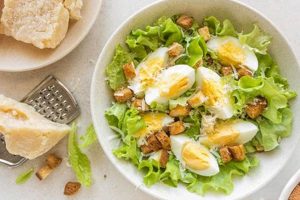
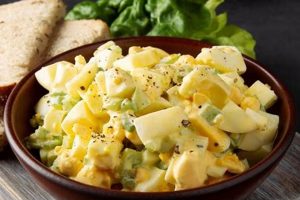
A combination of chopped hard-boiled eggs, mayonnaise, and seasonings served between slices of bread constitutes a classic lunchtime staple. Variations often include additions such as mustard, celery, onion, relish, or spices like paprika and black pepper. These additions can significantly alter the flavor profile, offering a range of customizable options.
This simple yet satisfying meal offers a good source of protein and essential nutrients. Its affordability and ease of preparation make it a popular choice for quick lunches, picnics, and potlucks. Historically, variations of egg-based salads can be traced back centuries, evolving alongside culinary techniques and ingredient availability. The modern iteration, featuring mayonnaise, became popular in the 20th century with the rise of commercially produced mayonnaise.
The following sections will delve into specific ingredient choices, step-by-step preparation instructions, tips for optimal flavor and texture, and suggestions for variations and serving options.
Tips for Perfect Egg Salad Sandwiches
Achieving optimal flavor and texture in egg salad sandwiches relies on attention to detail throughout the preparation process. These tips offer guidance for creating a superior culinary experience.
Tip 1: Egg Cooking Technique: Perfectly cooked eggs are crucial. Overcooked yolks can become dry and crumbly, while undercooked whites can result in an unpleasant texture. Aim for a firm, yet moist yolk by simmering eggs for approximately 10-12 minutes, followed by an immediate ice bath to stop the cooking process.
Tip 2: Mayonnaise Selection: The quality of mayonnaise significantly impacts the overall flavor. Consider using a full-fat mayonnaise for a richer, creamier texture. Alternatively, Greek yogurt or avocado can be incorporated for a healthier alternative, albeit with a slightly different flavor profile.
Tip 3: Ingredient Ratios: Finding the right balance of ingredients is key. Too much mayonnaise can result in a runny filling, while too little can make it dry. Start with a conservative amount of mayonnaise and add more gradually until the desired consistency is achieved.
Tip 4: Seasoning Strategies: Seasoning beyond salt and pepper can elevate the flavor profile. Consider incorporating Dijon mustard, paprika, dill, or chives for added depth and complexity. Taste and adjust seasonings incrementally to achieve the desired balance.
Tip 5: Freshness and Storage: Egg salad is best enjoyed fresh. However, if storing, ensure it is kept in an airtight container refrigerated for no more than 3-4 days. Adding a layer of plastic wrap directly onto the surface of the salad can help prevent it from drying out.
Tip 6: Bread Selection: The choice of bread plays an important role in the overall experience. Hearty breads like sourdough or whole wheat offer a robust foundation, while softer breads like brioche or challah provide a delicate contrast to the creamy filling. Toasting the bread can add texture and prevent sogginess.
Tip 7: Creative Additions: Explore beyond traditional ingredients. Incorporating finely diced celery, red onion, or pickles can add a delightful crunch and complexity. Consider experimenting with different herbs, spices, and even a touch of hot sauce for unique flavor combinations.
By following these guidelines, consistently delicious and satisfying egg salad sandwiches can be achieved. Careful attention to each step, from egg preparation to ingredient selection, contributes to a superior final product.
This discussion on preparation techniques and tips sets the stage for exploring variations and creative adaptations of this versatile classic.
1. Ingredients

Ingredient selection significantly impacts the flavor, texture, and overall quality of egg salad sandwiches. The interplay of core componentseggs, mayonnaise, and seasoningsforms the foundation of the recipe. Fresh, high-quality eggs contribute to a superior taste and texture. Mayonnaise acts as a binding agent and adds richness, while seasonings enhance and balance the flavors. The specific type of mayonnaise influences the overall richness and tanginess. For example, using a full-fat mayonnaise results in a creamier texture compared to a low-fat alternative. Similarly, the choice of seasonings, such as Dijon mustard, paprika, or fresh herbs, introduces nuanced flavor dimensions.
Beyond the core ingredients, additions such as celery, red onion, pickles, or relish introduce textural and flavor complexity. These supplementary ingredients offer opportunities for customization and creativity. For instance, the crispness of celery contrasts with the creamy egg mixture, while the sharp bite of red onion adds a pungent note. Careful consideration of these additions allows for tailoring the recipe to individual preferences. Furthermore, the quality and freshness of these supplementary components directly affect the final product’s overall appeal.
Understanding the role and impact of each ingredient is crucial for crafting a successful egg salad sandwich. This knowledge allows for informed decisions regarding ingredient selection, proportions, and combinations. A well-balanced combination of high-quality ingredients elevates this simple dish from basic sustenance to a culinary delight. Ultimately, the careful selection and preparation of ingredients contribute directly to the overall enjoyment and satisfaction derived from the final product.
2. Preparation
Preparation methods significantly influence the final quality of egg salad sandwiches. Proper techniques ensure optimal texture, flavor development, and food safety. This section details crucial steps in the preparation process, highlighting their impact on the overall outcome.
- Egg Cooking:
Precise egg cooking is paramount. Overcooked yolks become dry and crumbly, while undercooked whites present textural issues. Simmering eggs for 10-12 minutes followed by an immediate ice bath yields firm yet moist yolks and fully cooked whites. This method prevents overcooking and ensures a pleasant texture in the final product. Variations in cooking time can be adjusted based on individual preferences for yolk firmness.
- Chopping Techniques:
Consistent chopping ensures even distribution of ingredients and a harmonious texture. Coarsely chopped eggs create a chunky salad, while finely chopped eggs yield a smoother consistency. Uniformity in size promotes even flavor distribution and enhances the overall eating experience. Using a sharp knife prevents the egg whites from becoming ragged and maintains a clean, appealing appearance.
- Ingredient Incorporation:
The method of incorporating ingredients impacts flavor development and texture. Gently folding in the mayonnaise and other seasonings prevents overmixing, which can lead to a dense, paste-like consistency. Gradual addition of mayonnaise allows for better control over the final texture, ensuring the desired creaminess. Thorough but gentle mixing ensures even distribution of flavors throughout the salad.
- Chilling and Resting:
Allowing the prepared egg salad to chill in the refrigerator for at least 30 minutes allows the flavors to meld and enhances the overall taste. Chilling also firms the mixture, making it easier to spread on bread. This resting period contributes to a more cohesive and flavorful final product.
These preparation steps, executed with precision, contribute significantly to a superior egg salad sandwich. Attention to detail in each stage, from egg cooking to chilling, elevates the final outcome. Mastering these techniques allows for consistent creation of flavorful and texturally pleasing egg salad sandwiches.
3. Proportions
Achieving a well-balanced and palatable egg salad sandwich hinges on the correct proportions of its ingredients. The ratio of eggs to mayonnaise, along with the measured inclusion of other components, dictates the final texture, flavor, and overall enjoyment. This section explores the crucial role proportions play in crafting a successful recipe.
- Egg-to-Mayonnaise Ratio:
The foundation of egg salad lies in the balance between eggs and mayonnaise. Too much mayonnaise creates a runny, overly rich filling, while too little results in a dry, crumbly mixture. A general guideline suggests approximately cup of mayonnaise per 2 large eggs, but this can be adjusted based on personal preference. Achieving the right consistency is keythe mixture should be creamy and spreadable, yet hold its shape on bread.
- Seasoning Amounts:
Seasonings, while used in smaller quantities, significantly impact the overall flavor profile. Over-seasoning can overwhelm the delicate egg flavor, while under-seasoning results in a bland, unappealing salad. Starting with small amounts of salt, pepper, and other spices, then tasting and adjusting incrementally, ensures a well-balanced flavor. A pinch of salt and a few cracks of black pepper are standard, while other spices should be added judiciously.
- Inclusion of Add-ins:
Additional ingredients like celery, onion, or relish contribute texture and flavor complexity, but their proportions must be carefully considered. Too many add-ins can dilute the core egg flavor and create an overly busy texture. A general rule suggests using these ingredients sparingly, ensuring the egg remains the dominant flavor. For instance, a couple of tablespoons of finely diced celery or a teaspoon of finely chopped red onion per two eggs provides a pleasant accent without overpowering the salad.
- Bread-to-Filling Ratio:
Even the proportion of filling to bread plays a role in the overall experience. Too much filling can lead to a messy sandwich, while too little results in a dry, unsatisfying bite. A balanced ratio ensures each bite contains a harmonious blend of bread and filling. Visual appeal is also a factorthe filling should be generously portioned but contained within the bread slices.
Careful consideration of these proportions ensures a harmonious blend of flavors and textures, elevating the egg salad sandwich from simple fare to a satisfying culinary experience. Mastering these ratios allows for consistent creation of delicious and well-balanced sandwiches tailored to individual preferences. The interplay of these proportions directly contributes to the overall enjoyment and satisfaction derived from this classic dish.
4. Variations
The fundamental egg salad sandwich recipe provides a versatile base for numerous adaptations. Variations introduce diverse flavors and textures, expanding culinary possibilities and catering to individual preferences. Exploring these variations offers a deeper understanding of the recipe’s adaptability and potential.
- Classic Additions:
Traditional additions such as finely diced celery, red onion, and sweet pickle relish offer familiar flavor profiles and textural contrasts. Celery provides a refreshing crunch, red onion introduces a subtle sharpness, and sweet pickle relish adds a tangy sweetness. These classic additions maintain the traditional essence of the sandwich while enhancing its complexity.
- Spicy Infusions:
Incorporating spices like paprika, cayenne pepper, or a dash of hot sauce introduces a fiery dimension to the egg salad. Smoked paprika adds a smoky depth, while cayenne pepper or hot sauce delivers a direct heat. These variations cater to those who prefer a bolder, more intense flavor profile.
- Herbaceous Accents:
Fresh herbs such as dill, chives, parsley, or tarragon introduce aromatic complexity and freshness. Dill offers a bright, slightly tangy flavor, chives contribute a mild onion taste, parsley provides a clean, herbaceous note, and tarragon lends a subtle anise flavor. These herbaceous additions elevate the sandwich with nuanced flavor profiles.
- Textural Contrasts:
Incorporating ingredients with varying textures creates a more dynamic and engaging eating experience. Chopped walnuts or pecans add a satisfying crunch, crumbled bacon introduces a smoky, savory element, and avocado provides a creamy richness. These textural variations complement the creamy egg salad base and offer diverse sensory experiences.
These variations demonstrate the adaptability of the basic egg salad sandwich recipe. By incorporating diverse ingredients and flavor profiles, the classic sandwich transforms into a canvas for culinary creativity. Understanding these variations allows for personalized adaptations, catering to individual tastes and preferences. This exploration of variations highlights the enduring appeal and versatility of the egg salad sandwich.
5. Presentation
Presentation elevates the egg salad sandwich from a simple meal to a visually appealing and enjoyable dining experience. While taste remains paramount, the visual aspect significantly influences perception and enjoyment. Consideration of plating, bread choice, and accompanying elements enhances the overall appeal and perceived value.
- Bread Selection:
Bread serves as the foundation, impacting both visual appeal and structural integrity. Classic white bread offers a neutral backdrop, while whole wheat or rye adds rustic charm and nutritional value. Croissants or brioche introduce a touch of elegance. The bread’s shape, texture, and color contribute to the overall presentation. A sturdy bread prevents sogginess and provides a visually appealing contrast to the creamy filling.
- Plating Techniques:
Thoughtful plating elevates the simplest sandwich. Slicing the sandwich diagonally creates visually appealing triangles, while open-faced presentations showcase the filling. Garnishing with fresh herbs or a sprinkle of paprika adds a touch of elegance. Even the choice of plate or serving platter contributes to the overall aesthetic. A simple white plate provides a clean backdrop, while a rustic wooden board adds a touch of warmth.
- Accompaniments:
Carefully chosen accompaniments enhance the dining experience and complement the sandwich’s flavors. A side salad adds freshness and visual contrast, while potato chips or pickles offer textural variety. A cup of soup or a fruit salad creates a more complete and satisfying meal. These additions contribute to a well-rounded and visually appealing presentation.
- Contextual Considerations:
Presentation adapts to the dining context. A casual picnic calls for simple, practical presentation, while a formal luncheon necessitates more elaborate plating. Presentation should align with the occasion, whether a quick lunch, a family gathering, or a catered event. Adapting the presentation to the context demonstrates attention to detail and enhances the overall dining experience.
Consideration of these presentational aspects elevates the egg salad sandwich beyond basic sustenance, transforming it into a visually appealing and more enjoyable culinary experience. The interplay of these elements contributes significantly to perceived quality and overall satisfaction, demonstrating that presentation plays a crucial role in the enjoyment of even the simplest dishes.
Frequently Asked Questions
This section addresses common inquiries regarding egg salad sandwich preparation, storage, and variations. Clarification on these points aims to provide a comprehensive understanding and facilitate successful culinary endeavors.
Question 1: How can dry egg salad be remedied?
Dry egg salad often results from insufficient mayonnaise or overcooked eggs. Adding a small amount of mayonnaise, a teaspoon at a time, can improve moisture content. Alternatively, incorporating a dollop of plain yogurt or sour cream can introduce moisture and tang. Mashed avocado also provides creaminess and moisture.
Question 2: What is the optimal egg cooking method for egg salad?
Simmering eggs for 10-12 minutes, followed by an immediate ice bath, yields perfectly cooked eggs for egg salad. This method ensures firm whites and yolks that are moist, not dry or crumbly. Overcooking results in dry, chalky yolks, negatively impacting texture and flavor.
Question 3: How long can egg salad be safely stored?
Egg salad should be stored in an airtight container in the refrigerator for no more than 3-4 days. Beyond this timeframe, the risk of bacterial growth increases significantly. Proper storage is crucial for maintaining food safety and preventing spoilage.
Question 4: Can egg salad be frozen?
Freezing egg salad is generally not recommended. Freezing alters the texture of the mayonnaise, resulting in a watery consistency upon thawing. This negatively impacts the overall quality and palatability of the sandwich.
Question 5: What are some healthy alternatives to traditional mayonnaise?
Greek yogurt, mashed avocado, or hummus offer healthier alternatives to mayonnaise, reducing fat content while maintaining creamy texture. These substitutions impart distinct flavor profiles, offering variations on the classic recipe. Experimentation with these alternatives can yield unique and healthful outcomes.
Question 6: How can one prevent soggy egg salad sandwiches?
Preventing soggy sandwiches involves selecting appropriate bread and employing barrier methods. Using denser breads like sourdough or whole wheat offers greater resistance to moisture absorption. Lightly toasting the bread before adding the filling further reduces sogginess. Alternatively, adding a layer of lettuce or tomato between the bread and filling creates a barrier, preventing moisture from seeping into the bread.
Understanding these frequently asked questions equips individuals with the knowledge necessary for successful egg salad preparation and enjoyment. This information promotes culinary confidence and empowers individuals to explore variations and personalize the classic recipe.
This FAQ section concludes the comprehensive exploration of egg salad sandwiches. The information provided offers a strong foundation for creating and enjoying this versatile dish.
Egg Salad Sandwiches Recipe
Exploration of the egg salad sandwich recipe reveals a deceptively simple dish offering significant culinary potential. From ingredient selection and preparation techniques to proportional balance and presentational nuances, each element contributes to the final outcome. Understanding the interplay of these factors allows for consistent creation of high-quality sandwiches tailored to individual preferences. Variations incorporating diverse ingredients and flavor profiles further expand the recipe’s versatility, demonstrating its adaptability to a wide range of tastes and occasions.
Mastery of the egg salad sandwich recipe empowers culinary exploration and personal expression. This seemingly humble dish provides a foundation for creativity, allowing for continuous refinement and adaptation. The enduring popularity of the egg salad sandwich underscores its timeless appeal and its potential to remain a culinary staple for generations to come. Continued experimentation and appreciation for the nuances of this classic recipe promise ongoing culinary satisfaction.