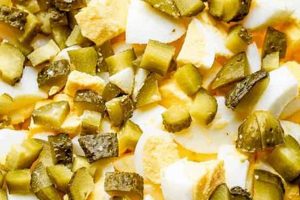
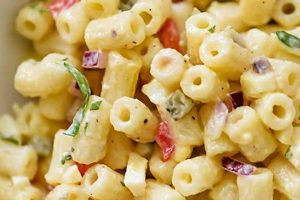
Classic egg salad typically features hard-boiled eggs, mayonnaise, mustard, and seasonings like celery salt, black pepper, and paprika. Simple additions such as chopped celery, onion, or sweet pickle relish contribute texture and flavor complexity. These salads are often served on bread, crackers, or lettuce cups, making them a versatile and convenient dish.
These simple recipes represent a culinary tradition, offering a comforting and familiar taste. Their enduring appeal lies in the affordability and ease of preparation, relying on readily available ingredients. Historically, egg salad emerged as a popular way to utilize leftover hard-boiled eggs, showcasing resourcefulness and practicality in the kitchen. Its adaptability allows for variations to suit individual preferences, from the creamy texture of extra mayonnaise to the zesty kick of Dijon mustard.
This exploration will delve into variations on this timeless dish, offering tips for achieving perfectly cooked eggs, exploring flavorful additions, and presenting serving suggestions for any occasion.
Tips for Classic Egg Salad
Achieving a flavorful and well-balanced egg salad involves attention to detail. These tips offer guidance for creating a superior version of this classic dish.
Tip 1: Perfect Hard-Boiled Eggs: Avoid overcooking eggs, which can lead to a rubbery texture and a greenish ring around the yolk. Gently simmer eggs for 8-10 minutes, then immediately transfer them to an ice bath to halt the cooking process.
Tip 2: Mayonnaise Matters: The quality of mayonnaise significantly impacts the overall flavor. Experiment with different brands or consider making homemade mayonnaise for a richer, more nuanced taste.
Tip 3: Balancing Flavors: Mustard provides a necessary counterpoint to the richness of mayonnaise. Dijon mustard adds a tangy complexity, while yellow mustard offers a milder flavor profile.
Tip 4: Seasoning with Care: Celery salt, black pepper, and paprika are classic seasonings. A touch of smoked paprika can add depth, while fresh dill or chives offer a bright, herbaceous note. Avoid over-salting, tasting and adjusting as needed.
Tip 5: Texture and Crunch: Finely chopped celery and red onion add a satisfying crunch and subtle flavor. Sweet pickle relish offers a touch of sweetness and acidity.
Tip 6: Proper Chilling: Allow the egg salad to chill thoroughly in the refrigerator for at least 30 minutes before serving. Chilling enhances the flavors and allows the ingredients to meld.
Tip 7: Versatile Serving Options: Classic egg salad is delicious served on toasted bread, crackers, or lettuce cups. It can also be used as a filling for deviled eggs or a topping for salads.
By following these tips, one can elevate a simple egg salad from ordinary to extraordinary, ensuring a delicious and satisfying culinary experience.
These guidelines offer a foundation for exploring individual preferences and creating personalized versions of this timeless classic.
1. Hard-boiled Eggs

Hard-boiled eggs form the cornerstone of old-fashioned egg salad recipes. Their preparation and quality significantly influence the final dish’s texture, flavor, and overall appeal. Understanding the nuances of cooking and incorporating hard-boiled eggs is essential for achieving a successful outcome.
- Cooking Technique
Proper cooking prevents rubbery textures and unpleasant sulfurous odors. A gentle simmer, rather than a rolling boil, ensures even cooking and tender whites. An ice bath immediately after cooking halts the process, preventing overcooking and facilitating easy peeling.
- Freshness
Fresh eggs are crucial for optimal flavor and texture. Older eggs can be more challenging to peel and may possess a less desirable flavor profile. Checking the egg’s buoyancy in water can indicate freshness fresher eggs sink, while older eggs float.
- Yolk Consistency
The yolk’s consistency contributes significantly to the egg salad’s texture and appearance. Overcooked yolks become dry and crumbly, while perfectly cooked yolks are moist and vibrant. This moisture contributes to the creaminess of the final product.
- Chopping Technique
The size and consistency of the chopped eggs impact the egg salad’s texture. Coarsely chopped eggs create a chunkier salad, while finely chopped eggs result in a smoother, more uniform texture. The chosen technique depends on individual preference.
The interplay of these facets determines the overall quality of the hard-boiled eggs and, consequently, the final egg salad. Attention to these details ensures a delicious and visually appealing dish that honors the tradition of old-fashioned egg salad recipes.
2. Mayonnaise

Mayonnaise plays a crucial role in old-fashioned egg salad recipes, contributing richness, creaminess, and binding the other ingredients. Its quality and type significantly influence the final product’s flavor profile and overall sensory experience. Understanding the various facets of mayonnaise selection and incorporation is essential for creating an authentic and flavorful egg salad.
- Type
Traditional egg salad recipes often utilize full-fat mayonnaise for its rich flavor and creamy texture. Lower-fat alternatives can compromise the salad’s overall richness and mouthfeel. Homemade mayonnaise offers greater control over ingredients and allows for customized flavor profiles.
- Quantity
The amount of mayonnaise used directly impacts the egg salad’s consistency and richness. Too little mayonnaise can result in a dry, crumbly salad, while excessive mayonnaise can create an overly rich and heavy dish. The desired consistency often depends on personal preference.
- Flavor Profile
Mayonnaise brands vary in their flavor profiles, influenced by factors such as the type of oil and vinegar used. Some mayonnaises possess a tangier flavor, while others are sweeter or more neutral. The chosen mayonnaise should complement the other ingredients in the salad.
- Incorporation Technique
Gently folding the mayonnaise into the chopped eggs ensures even distribution and prevents the eggs from becoming overly mashed. This maintains a desirable texture and prevents the salad from becoming too dense.
The careful selection and incorporation of mayonnaise significantly impact the final product’s flavor, texture, and overall appeal. Consideration of these facets ensures a well-balanced and delicious egg salad true to the spirit of old-fashioned recipes.
3. Mustard

Mustard serves as a crucial balancing element in old-fashioned egg salad recipes, providing a sharp counterpoint to the richness of mayonnaise and hard-boiled eggs. Its acidic nature brightens the overall flavor profile, preventing the salad from becoming overly heavy or bland. The specific type of mustard employed influences the final taste significantly. For instance, yellow mustard imparts a mild, slightly sweet flavor, while Dijon mustard offers a more pronounced tang and complexity. Stone-ground or whole-grain mustards contribute both flavor and textural interest. The quantity of mustard used also impacts the final product; a judicious amount enhances the other ingredients, whereas an excessive amount can overpower them.
Historically, mustard’s inclusion in egg salad likely stemmed from its readily available nature and its preservative qualities. Prior to refrigeration, mustard helped extend the shelf life of perishable foods. This practical application evolved into a culinary tradition, with mustard becoming an integral component of the flavor profile. Modern recipes often specify a particular type of mustard or offer variations based on individual preferences. Some recipes even incorporate multiple types of mustard to achieve a more nuanced flavor profile. For example, a combination of yellow mustard and Dijon mustard might be used to balance both sweetness and tang.
Understanding mustard’s role in old-fashioned egg salad recipes allows for informed choices regarding type and quantity, ultimately influencing the final product’s flavor profile. The interplay between mustard, mayonnaise, and seasonings dictates the overall balance and complexity of the dish. A carefully considered selection of mustard elevates egg salad from a simple combination of ingredients to a nuanced and flavorful culinary creation.
4. Seasoning
Seasoning plays a vital role in elevating old-fashioned egg salad recipes from simple to exceptional. The judicious use of spices and herbs enhances the inherent flavors of the core ingredients, creating depth and complexity. Understanding the nuances of traditional seasoning choices provides insight into the historical context of these recipes and allows for informed adaptations to suit modern palates.
- Salt and Pepper
Salt and freshly ground black pepper are fundamental seasonings in virtually all egg salad variations. Salt enhances the flavors of the other ingredients, while pepper adds a subtle bite. The balance between these two seasonings is crucial; too much salt can overpower the dish, while insufficient pepper can leave it tasting bland.
- Celery Salt
Celery salt contributes a distinctive savory note that complements the creamy base of the egg salad. Its unique flavor profile, derived from ground celery seeds and salt, adds a subtle vegetal undertone that enhances the overall complexity of the dish. While not strictly necessary, celery salt is a hallmark of many traditional recipes.
- Paprika
Paprika offers both flavor and visual appeal. Sweet paprika adds a mild, slightly sweet note, while smoked paprika contributes a deeper, more complex flavor profile. A sprinkle of paprika over the finished egg salad provides a pop of color and enhances the overall presentation.
- Fresh Herbs
Fresh herbs, such as dill, chives, or parsley, can provide a bright, herbaceous counterpoint to the richness of the egg salad. These additions offer a nuanced flavor dimension and contribute a fresh element to the overall profile. The choice of herbs can be tailored to individual preferences and complement other additions, such as chopped onions or pickles.
The interplay of these seasonings defines the character of an old-fashioned egg salad. While adhering to traditional choices provides a connection to culinary history, experimentation with different spices and herbs allows for personalized interpretations and exciting flavor combinations. The ultimate goal is to achieve a harmonious balance that enhances the core ingredients and creates a truly satisfying culinary experience.
5. Additions
Additions represent a defining characteristic of old-fashioned egg salad recipes, distinguishing individual variations and contributing significantly to texture, flavor, and overall appeal. These additions, ranging from finely diced vegetables to chopped pickles and olives, elevate the dish beyond its fundamental components of eggs, mayonnaise, and seasonings. The strategic incorporation of additions provides textural contrast, balancing the creamy base with crisp or crunchy elements. Flavor profiles expand through the introduction of sweet, sour, or savory notes, complementing or contrasting with the existing flavors. For example, the subtle sweetness of finely chopped sweet pickles offsets the richness of mayonnaise, while the piquant bite of red onion adds a sharp contrast. Chopped celery contributes a refreshing crunch and a subtle vegetal flavor, enhancing the overall complexity of the dish.
Historically, additions to egg salad likely reflected readily available ingredients and seasonal produce. Resourcefulness and practicality dictated the incorporation of garden vegetables or preserved items, creating unique flavor combinations based on regional and seasonal availability. This historical context underscores the adaptability of egg salad recipes and their capacity to incorporate diverse ingredients. Modern interpretations often draw inspiration from these traditional additions while also exploring new possibilities. The incorporation of capers, chopped olives, or roasted red peppers exemplifies this evolution, showcasing the versatility and adaptability of egg salad as a culinary canvas.
Understanding the role and impact of additions in old-fashioned egg salad recipes empowers culinary exploration and personalized interpretations. The considered selection and incorporation of these supplementary ingredients elevate the dish from a simple staple to a nuanced and flavorful creation. Whether adhering to classic combinations or embracing innovative additions, the careful balancing of flavors and textures remains paramount. This understanding allows for the creation of egg salad variations that reflect both tradition and individual culinary preferences, ensuring a satisfying and memorable dining experience.
Frequently Asked Questions
This section addresses common inquiries regarding classic egg salad preparation, offering concise and informative responses to facilitate a deeper understanding.
Question 1: How can rubbery texture in hard-boiled eggs be avoided?
Overcooking causes rubbery texture. Simmer eggs gently for 8-10 minutes, then immediately transfer them to an ice bath to halt the cooking process.
Question 2: What is the significance of mayonnaise quality in egg salad?
Mayonnaise significantly impacts the overall flavor. Higher-quality mayonnaise or homemade versions contribute richer, more nuanced flavor profiles.
Question 3: Why is mustard typically included in egg salad recipes?
Mustard provides a necessary acidic counterpoint to the richness of mayonnaise, balancing the overall flavor profile and adding complexity.
Question 4: What seasonings are traditionally used in classic egg salad?
Classic seasonings include celery salt, black pepper, and paprika. Fresh dill or chives can also be incorporated for added brightness.
Question 5: How can textural interest be added to egg salad?
Finely chopped celery and red onion provide satisfying crunch. Sweet pickle relish contributes textural variation and a touch of sweetness and acidity.
Question 6: How long should egg salad be chilled before serving?
Chilling for at least 30 minutes enhances flavor development and allows the ingredients to meld, creating a more cohesive final product.
Addressing these common queries provides a comprehensive understanding of essential aspects related to classic egg salad preparation. Careful attention to these details ensures a flavorful and enjoyable culinary experience.
The following section will explore variations on the classic egg salad recipe, offering creative twists on this timeless dish.
Old Fashioned Egg Salad Recipes
Classic egg salad recipes represent a timeless culinary tradition, offering a versatile and satisfying dish composed of simple, readily available ingredients. This exploration has delved into the core components of these recipes, emphasizing the importance of perfectly cooked hard-boiled eggs, the nuanced role of mayonnaise and mustard, the impact of traditional seasonings, and the potential of textural and flavorful additions. From achieving optimal yolk consistency to balancing flavors and incorporating fresh herbs, each element contributes to the overall quality and enjoyment of the final product. Understanding these fundamental principles allows for both adherence to classic preparations and creative interpretations tailored to individual preferences.
The enduring appeal of classic egg salad lies in its adaptability and potential for personalized expression. While honoring the historical context of these recipes, culinary exploration and innovation remain essential for ensuring their continued relevance in the modern kitchen. By embracing the foundational principles outlined herein, one can elevate this simple dish to new heights, experiencing the enduring satisfaction of a timeless classic.