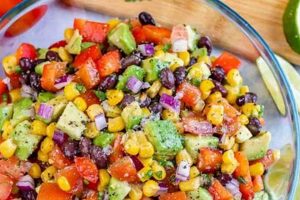
Combinations of fresh greens, other fruits, vegetables, cheeses, nuts, and proteins complemented by pear slices create a wide array of dishes. For example, a simple combination might involve baby spinach, crumbled blue cheese, candied pecans, thinly sliced pears, and a light vinaigrette. More complex variations could include roasted vegetables, grilled chicken or fish, and diverse dressings.
The incorporation of this fruit offers nutritional benefits, providing fiber, vitamins, and antioxidants. Historically, pears have been cultivated and enjoyed for their delicate sweetness and versatility, readily lending themselves to both sweet and savory preparations. Their inclusion in salads adds a refreshing textural element, balancing crisp greens with soft, juicy fruit. The subtle sweetness of pears complements various ingredients, from pungent cheeses to earthy nuts.
Exploring specific recipes further reveals the culinary possibilities offered by this versatile fruit, including considerations for pear variety selection, preparation techniques, and complementary ingredient pairings.
Tips for Pear Salad Preparation
Achieving optimal flavor and texture in salads incorporating pears requires attention to detail. The following tips offer guidance for successful preparation.
Tip 1: Select the Right Pear Variety: Firm varieties like Bosc or Anjou hold their shape well, while ripe Bartlett pears offer a softer, sweeter addition.
Tip 2: Prevent Browning: Tossing sliced pears with a bit of lemon juice inhibits enzymatic browning and maintains an appealing appearance.
Tip 3: Consider Ripeness: Slightly underripe pears offer a crisp texture, while riper pears contribute a sweeter flavor and softer texture. The desired ripeness depends on the specific recipe and individual preference.
Tip 4: Balance Flavors: The gentle sweetness of pears pairs well with contrasting flavors. Consider incorporating salty cheeses like gorgonzola or sharp cheddar, bitter greens such as arugula, or crunchy nuts like walnuts or pecans.
Tip 5: Explore Textures: Combining different textures enhances the sensory experience. Pair soft pear slices with crunchy greens, toasted nuts, or crumbled cheese.
Tip 6: Dress Strategically: Vinaigrettes with light, complementary flavors best showcase the delicate pear taste. Consider using balsamic, citrus, or walnut oil-based dressings. Avoid heavy, creamy dressings that can mask the pear’s subtlety.
Tip 7: Timing is Key: Add the pears to the salad close to serving time to prevent them from becoming soggy or overly soft.
By following these guidelines, one can consistently create flavorful and visually appealing salads showcasing the versatility of pears.
With these foundational tips in place, exploring specific recipes allows for further refinement and experimentation.
1. Pear Variety

Pear variety significantly influences the final character of a pear salad. Distinct characteristics of each cultivar, including texture, sweetness, and acidity, interact with other salad components. For instance, the dense, slightly gritty texture and mild sweetness of a Bosc pear provide a robust counterpoint to soft cheeses and bitter greens. Conversely, the smooth, buttery texture and pronounced sweetness of a ripe Bartlett pear complement stronger cheeses, like blue cheese, and candied nuts. Choosing the appropriate pear ensures a balanced and harmonious flavor profile.
Specific pear characteristics lend themselves to particular salad preparations. Firm pears, such as Anjou or Concorde, hold their shape well when sliced or diced, making them suitable for salads with heartier components like grilled meats or roasted vegetables. These varieties also withstand more robust dressings. Delicate varieties, like Comice, require careful handling and lighter dressings to prevent bruising and maintain their delicate flavor. Understanding these nuances allows for intentional ingredient pairings and preparation methods.
Selecting the correct pear variety elevates salads from simple combinations to nuanced culinary experiences. Recognizing the interplay between pear characteristics, other ingredients, and preparation methods allows for deliberate flavor and texture combinations. This knowledge empowers informed choices, resulting in well-balanced, flavorful salads suited to a variety of tastes and occasions. Experimentation with different pear varieties opens a spectrum of culinary possibilities.
2. Complementary Ingredients

Ingredient pairings significantly impact the overall balance and complexity of pear salads. Careful consideration of complementary flavors and textures elevates these salads beyond simple combinations, creating harmonious and nuanced culinary experiences. The following facets explore key categories of complementary ingredients and their roles within pear salad recipes.
- Cheeses
Cheese selection provides an opportunity to introduce contrasting or supporting flavors and textures. Sharp, salty cheeses, such as blue cheese or Roquefort, offer a pungent counterpoint to the sweetness of pears. Creamy cheeses, like goat cheese or brie, provide a textural contrast and a milder flavor that complements the pear’s delicate sweetness. Hard cheeses, such as Parmesan or Pecorino Romano, contribute a salty, savory element and a firm texture. The choice of cheese significantly influences the overall flavor profile of the salad.
- Nuts
Nuts contribute both flavor and textural complexity to pear salads. Walnuts and pecans offer a rich, buttery flavor that complements the pear’s sweetness. Almonds and hazelnuts provide a slightly sweeter, nuttier flavor. Toasted nuts enhance their inherent flavors and add a satisfying crunch. Candied nuts introduce a contrasting sweetness and textural element. The choice of nut variety depends on the desired flavor and textural profile.
- Greens
The choice of greens establishes the foundation of the salad, influencing both flavor and texture. Arugula’s peppery bite provides a contrast to the pear’s sweetness. Spinach offers a mild flavor and soft texture. Butter lettuce contributes a delicate, buttery flavor. Heartier greens, such as kale or romaine, provide a robust texture and a slightly bitter flavor that balances the pear’s sweetness. Selecting appropriate greens establishes a balanced flavor profile and textural complexity.
- Other Fruits and Vegetables
Incorporating other fruits and vegetables adds depth and complexity to pear salads. Dried cranberries or cherries provide a tart and chewy counterpoint to the pear’s sweetness. Grapes offer a juicy burst of sweetness. Roasted vegetables, such as butternut squash or beets, introduce earthy, caramelized flavors. The addition of other fruits and vegetables expands the flavor profile and provides textural variety, enhancing the overall sensory experience.
The interplay between these complementary ingredients ultimately defines the character of the pear salad. Successful recipes rely on a careful balance of flavors and textures, leveraging the unique characteristics of each component to create a harmonious and satisfying culinary experience. Thoughtful ingredient selection transforms a simple pear salad into a complex and memorable dish.
3. Dressing Selection

Dressing selection plays a crucial role in pear salad recipes, significantly influencing the final flavor profile and overall balance. The delicate sweetness of pears requires careful consideration of dressing components, as overly assertive flavors can easily mask the fruit’s subtle nuances. A successful dressing enhances the pear’s inherent qualities without overpowering them. For example, a light vinaigrette with a base of walnut oil and a touch of balsamic vinegar complements the pear’s sweetness without masking its delicate flavor. Conversely, a heavy, creamy dressing might overwhelm the pear’s subtlety.
The interplay between dressing acidity, sweetness, and texture further impacts the overall salad experience. Acidity provides a necessary counterpoint to the pear’s sweetness, creating a balanced flavor profile. A vinaigrette with lemon juice or apple cider vinegar offers a bright, refreshing acidity that enhances the pear’s flavor. The sweetness level of the dressing should complement, not compete with, the pear’s natural sugars. A touch of honey or maple syrup in the dressing can enhance the overall sweetness without being cloying. The texture of the dressing also contributes to the sensory experience. A light, emulsified vinaigrette coats the salad ingredients evenly, allowing the pear’s flavor to shine through. A thicker dressing, while potentially flavorful, might mask the pear’s texture and delicate flavor.
Ultimately, successful dressing selection relies on understanding the interplay between dressing components and the pear’s inherent characteristics. A well-chosen dressing elevates the pear’s delicate sweetness and complements the other salad ingredients, creating a harmonious and balanced culinary experience. Careful consideration of acidity, sweetness, and texture ensures the dressing enhances, rather than overshadows, the pear’s unique qualities. This awareness allows for informed decision-making, leading to a more refined and satisfying salad.
4. Preparation Techniques

Preparation techniques significantly influence the final quality and presentation of salads incorporating pears. Proper handling ensures optimal texture, prevents enzymatic browning, and maximizes flavor. These techniques, ranging from slicing methods to pre-treatment strategies, contribute directly to the overall sensory experience and visual appeal of the finished dish. Understanding and implementing these techniques elevates the salad from a simple combination of ingredients to a carefully crafted culinary creation.
- Slicing and Dicing
Precise cutting techniques ensure uniform piece size, promoting even distribution of flavor and contributing to an aesthetically pleasing presentation. Thinly slicing pears allows for easy incorporation into the salad and facilitates even coating with the dressing. Dicing pears into small, uniform pieces creates a consistent textural element throughout the salad. The chosen cutting technique depends on the specific recipe and desired presentation.
- Preventing Browning
Enzymatic browning, a natural oxidation process, can detract from the visual appeal of pear slices. Submerging cut pears in a solution of acidulated water (water with lemon juice or ascorbic acid) inhibits browning and maintains the fruit’s fresh appearance. This pretreatment ensures the salad remains visually appealing, enhancing the overall dining experience. Promptly incorporating the treated pear slices into the salad further minimizes exposure to air and maintains their optimal appearance.
- Ripeness Considerations
Pear ripeness directly impacts texture and flavor, influencing the salad’s final character. Slightly underripe pears offer a crisp texture suitable for salads with robust components. Ripe pears contribute a softer texture and a more pronounced sweetness, complementing delicate greens and milder cheeses. Selecting pears at the appropriate ripeness stage ensures the desired texture and flavor profile, contributing to a balanced and harmonious salad.
- Ingredient Incorporation Timing
The timing of pear incorporation into the salad affects both texture and flavor. Adding pear slices too early can lead to sogginess and a loss of textural contrast. Incorporating pears closer to serving time maintains their crispness or desired softness, depending on ripeness, and prevents the release of excess moisture into the salad. Proper timing preserves the integrity of the pear and other salad components, ensuring a fresh and appealing final product.
Mastery of these preparation techniques contributes significantly to the success of pear-centric salads. Precise cutting, browning prevention, ripeness consideration, and strategic ingredient incorporation ensure optimal texture, flavor, and presentation. By applying these techniques, one transforms simple ingredients into a refined culinary composition, maximizing the sensory experience and showcasing the versatility of pears in salad preparations.
5. Seasonal Considerations
Seasonality significantly impacts the flavor profile and quality of pears used in salads. Peak pear season typically falls within autumn, offering optimal ripeness and flavor complexity. Utilizing pears during their peak season ensures maximum sweetness, balanced acidity, and ideal texture. For instance, a late-summer Bartlett pear offers a juicy sweetness perfectly suited for a salad with lighter greens and creamy cheese, while an autumnal Anjou pear provides a firm texture and nuanced flavor that complements roasted vegetables and bolder cheeses. Ignoring seasonal availability may result in pears lacking the desired flavor characteristics or possessing suboptimal textures, compromising the overall salad quality.
Adapting salad recipes to reflect seasonal pear availability allows for greater culinary creativity and flavor optimization. During the peak season, abundant, high-quality pears allow for experimentation with various varieties and flavor combinations. In the off-season, incorporating preserved pear forms, such as dried or canned pears, offers alternative approaches to integrating pear flavors into salads. However, recognizing the inherent flavor and texture differences between fresh and preserved pears remains crucial for recipe adjustments and ingredient pairings. For example, dried pears contribute a concentrated sweetness and chewy texture, requiring different pairings than fresh pears. Understanding these nuances enables adaptation of recipes throughout the year, maximizing flavor potential regardless of season.
In conclusion, seasonal considerations play a crucial role in optimizing pear salad recipes. Prioritizing peak-season pears guarantees optimal flavor and texture. Adapting recipes to incorporate preserved pear forms extends the availability of pear-centric salads throughout the year. Recognizing the distinct characteristics of different pear varieties and preservation methods allows for informed ingredient pairings and flavor balancing, ensuring flavorful and satisfying salads regardless of season. This awareness empowers culinary exploration and enhances appreciation for the dynamic interplay between seasonality and ingredient selection.
Frequently Asked Questions
This section addresses common inquiries regarding the utilization of pears in salad preparations.
Question 1: How can enzymatic browning in pears be prevented after slicing?
Submerging pear slices in a solution of acidulated water (water with lemon juice or ascorbic acid) inhibits browning by slowing the oxidation process. This preserves the fruit’s fresh appearance.
Question 2: Which pear varieties are best suited for salads?
Firm varieties like Bosc and Anjou hold their shape well, while ripe Bartlett pears offer a softer, sweeter addition. The ideal choice depends on the desired texture and flavor profile.
Question 3: What dressings complement pear salads?
Light vinaigrettes with complementary flavors, such as balsamic, citrus, or walnut oil-based dressings, best showcase the delicate pear taste. Avoid heavy, creamy dressings that might mask the pear’s subtle flavor.
Question 4: What ingredients pair well with pears in salads?
Complementary ingredients include cheeses (blue cheese, gorgonzola, goat cheese), nuts (walnuts, pecans, candied nuts), and greens (arugula, spinach, butter lettuce). Consider incorporating contrasting textures and flavors for a balanced experience.
Question 5: When should pears be added to the salad?
Add pear slices close to serving time to prevent them from becoming soggy or overly soft, preserving their texture and preventing excess moisture release into the salad.
Question 6: How can one incorporate pears into salads during the off-season?
Preserved pear forms, such as dried or canned pears, offer alternatives during the off-season. Adjust recipes to accommodate the distinct flavor and texture profiles of these preserved options.
Understanding these aspects facilitates successful pear salad preparation, maximizing flavor and visual appeal. Proper handling and ingredient pairings elevate the culinary experience.
Culinary exploration through recipe experimentation expands the understanding and enjoyment of pear salads.
Salad Recipes Using Pears
Exploration of salads incorporating pears reveals the versatility of this fruit in culinary applications. Careful consideration of pear variety, complementary ingredients, dressing selection, preparation techniques, and seasonality allows for the creation of well-balanced, flavorful salads. From the crispness of a Bosc pear paired with pungent blue cheese to the sweetness of a Bartlett pear complementing candied nuts, the possibilities are diverse and adaptable to various palates. Proper handling, including preventing enzymatic browning and strategic ingredient incorporation, ensures optimal texture and flavor. Understanding the interplay of these elements elevates pear salads from simple combinations to nuanced culinary experiences.
The incorporation of pears into salads offers a pathway to both nutritional and culinary enrichment. Continued exploration of flavor profiles, textures, and seasonal variations promises further development and refinement within this culinary domain. The adaptability of pears across diverse flavor profiles and textures positions them as a valuable ingredient for innovative salad creations, encouraging ongoing experimentation and culinary discovery.