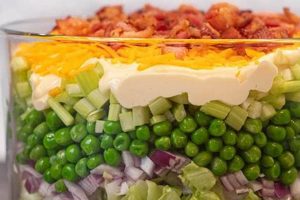
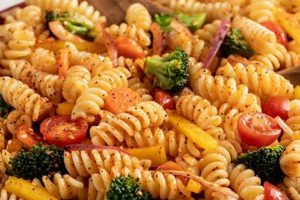
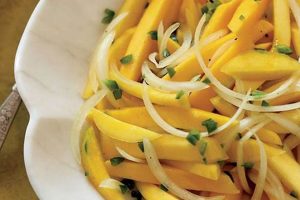
Salads designed for individuals managing diabetes prioritize fresh, non-starchy vegetables, lean proteins, and healthy fats while minimizing or eliminating added sugars and refined carbohydrates. A typical example might include leafy greens, grilled chicken or fish, avocado, nuts, and a vinaigrette dressing made with olive oil and vinegar.
These meal options offer significant health advantages for those with diabetes. They contribute to improved blood sugar control, weight management, and overall cardiovascular health due to their high fiber and nutrient content, low glycemic index, and reduced calorie density. Historically, dietary management has played a crucial role in diabetes care, and the emphasis on whole, unprocessed foods like those found in these salads reflects a modern understanding of nutrition’s impact on this condition.
This article will further explore the key principles of creating diabetes-friendly salads, including ingredient selection, portion control, and suitable dressing choices. Specific recipes and meal planning suggestions will also be provided to facilitate practical implementation of these dietary guidelines.
Tips for Creating Diabetes-Friendly Salads
The following tips offer guidance on constructing salads that align with the dietary needs of individuals managing diabetes.
Tip 1: Prioritize Non-Starchy Vegetables: The foundation of any diabetes-friendly salad should be non-starchy vegetables. Examples include leafy greens like spinach, kale, and romaine lettuce, as well as cucumbers, bell peppers, and broccoli. These vegetables are low in carbohydrates and calories, contributing to better blood sugar control.
Tip 2: Include Lean Protein: Adding lean protein to a salad increases satiety and helps stabilize blood sugar levels. Grilled chicken breast, fish, tofu, or hard-boiled eggs are excellent choices.
Tip 3: Incorporate Healthy Fats: Healthy fats are essential for overall health and can improve blood sugar regulation. Avocados, nuts, seeds, and olive oil are good sources and add flavor and texture.
Tip 4: Choose Low-Glycemic Fruits Sparingly: While fruits offer valuable nutrients, some can significantly impact blood sugar. Berries, such as strawberries and blueberries, are lower in carbohydrates than tropical fruits and can be included in moderation.
Tip 5: Be Mindful of Dressings: Store-bought dressings often contain added sugars and unhealthy fats. Opt for homemade vinaigrettes using olive oil, vinegar, and herbs, or choose low-sugar, low-fat options.
Tip 6: Control Portions: Even healthy foods can contribute to weight gain if consumed in large quantities. Monitoring portion sizes, particularly of higher-calorie ingredients like nuts and avocados, is essential.
Tip 7: Limit Refined Carbohydrates: Croutons, tortilla strips, and other refined carbohydrates should be avoided or used sparingly due to their high glycemic index.
By following these guidelines, individuals can create delicious and nutritious salads that support their diabetes management goals and contribute to overall well-being.
These tips provide a starting point for incorporating diabetes-friendly salads into a balanced meal plan. Further exploration of specific recipes and meal planning strategies can enhance practical application of these dietary principles.
1. Fresh, Non-Starchy Vegetables

Fresh, non-starchy vegetables form the cornerstone of easy diabetic salad recipes. Their low carbohydrate content, high fiber, and rich micronutrient profile make them ideal for managing blood sugar levels and promoting overall health. Understanding their role and variety allows for the creation of diverse and satisfying salads suitable for individuals with diabetes.
- Nutrient Density and Blood Sugar Control
Non-starchy vegetables offer a wealth of vitamins, minerals, and antioxidants with minimal impact on blood sugar. This nutritional profile supports overall well-being while aiding in diabetes management. Leafy greens, such as spinach and kale, are excellent examples, providing vital nutrients without elevating glucose levels.
- Fiber and Satiety
The high fiber content in non-starchy vegetables contributes to satiety, reducing the likelihood of overeating and promoting healthy weight management, a crucial factor in diabetes care. Cruciferous vegetables like broccoli and cauliflower are particularly good sources of fiber, contributing to feelings of fullness.
- Versatility and Flavor
The wide array of available non-starchy vegetablesfrom bell peppers and cucumbers to zucchini and asparagusallows for endless variety in salad creation. This versatility ensures flavorful and appealing meals, promoting long-term dietary adherence. Incorporating a mix of textures and colors enhances the sensory experience.
- Accessibility and Preparation
Most non-starchy vegetables are readily available and require minimal preparation, making them a convenient and practical choice for individuals seeking easy meal solutions. Simply washing and chopping are often sufficient, facilitating quick and healthy meal preparation.
The strategic inclusion of fresh, non-starchy vegetables ensures that diabetic-friendly salads are not only nutritionally sound but also appealing and sustainable within a long-term dietary plan. Their versatility, combined with their positive impact on blood sugar and overall health, positions them as an essential component of effective diabetes management through dietary choices.
2. Lean Protein Sources

Lean protein sources play a crucial role in easy diabetic salad recipes, contributing to satiety, blood sugar regulation, and overall nutritional balance. Protein slows digestion, preventing rapid blood sugar spikes after meals, a critical aspect of diabetes management. Furthermore, protein helps maintain and build muscle mass, supporting metabolic health. Examples of suitable lean proteins for these salads include grilled chicken breast, fish (such as salmon or tuna), hard-boiled eggs, tofu, and beans.
Incorporating lean protein transforms a simple salad into a more complete and satisfying meal. For example, a salad consisting solely of lettuce and vegetables might provide fiber and vitamins but lacks the staying power of a salad that also includes grilled chicken or fish. This addition promotes satiety, reducing the urge to snack between meals and aiding in weight management, a significant concern for many individuals with diabetes. Furthermore, the amino acids provided by protein are essential for tissue repair and overall bodily functions.
Understanding the importance of lean protein in diabetic-friendly salads empowers individuals to make informed dietary choices. Prioritizing these protein sources alongside non-starchy vegetables and healthy fats creates a balanced and effective approach to meal planning for diabetes management. This knowledge facilitates the creation of meals that are not only nutritious and supportive of blood sugar control but also enjoyable and sustainable within a long-term dietary framework. Challenges may arise in ensuring adequate protein intake while managing overall calorie intake; however, careful portioning and selection of lower-fat protein options can address this concern.
3. Healthy Fats

Healthy fats are essential components of easy diabetic salad recipes, contributing to satiety, nutrient absorption, and blood sugar regulation. Unlike unhealthy fats that can negatively impact insulin sensitivity and cardiovascular health, healthy fats offer numerous benefits for individuals managing diabetes. Their inclusion contributes to a more balanced and effective approach to meal planning and overall dietary management.
- Improved Blood Sugar Control
Healthy fats help stabilize blood sugar levels by slowing digestion and reducing the rate at which glucose enters the bloodstream. This effect is crucial for individuals with diabetes, as it helps prevent spikes and crashes in blood glucose. Monounsaturated and polyunsaturated fats, found in foods like avocados, nuts, and olive oil, are particularly beneficial in this regard.
- Enhanced Nutrient Absorption
Many vitamins, such as vitamins A, D, E, and K, are fat-soluble, meaning they require dietary fat for proper absorption. Including healthy fats in salads ensures these essential nutrients are effectively utilized by the body, supporting overall health and well-being. A salad with a simple vinaigrette containing olive oil, for instance, can enhance the absorption of vitamins from the vegetables.
- Increased Satiety and Weight Management
Healthy fats contribute to feelings of fullness and satisfaction after a meal, reducing the likelihood of overeating and supporting weight management efforts. This is particularly important for individuals with diabetes, as maintaining a healthy weight is crucial for managing the condition. Adding a source of healthy fat like avocado or a handful of nuts to a salad can significantly increase satiety.
- Cardiovascular Health Benefits
Certain healthy fats, particularly omega-3 fatty acids found in foods like flaxseeds and walnuts, offer cardiovascular benefits by reducing inflammation and improving cholesterol levels. Given the increased risk of cardiovascular disease in individuals with diabetes, incorporating these fats into the diet is particularly advantageous. They contribute to overall health while supporting specific needs related to diabetes management.
The strategic inclusion of healthy fats in easy diabetic salad recipes not only enhances flavor and texture but also provides significant physiological benefits, supporting blood sugar control, nutrient absorption, and cardiovascular health. By understanding the role and impact of these fats, individuals with diabetes can make informed choices to create meals that are both enjoyable and effective in managing their condition. However, moderation is key, as even healthy fats are calorie-dense. Careful portioning ensures that the benefits of these fats are realized without contributing to unwanted weight gain.
4. Portion Control
Portion control plays a vital role in managing blood sugar levels and weight, both critical aspects of diabetes management. Even with nutrient-rich, diabetes-friendly ingredients, consuming excessive quantities can lead to unwanted calorie intake and elevated blood glucose. Understanding portion sizes and incorporating appropriate strategies is essential for creating easy diabetic salad recipes that effectively support health goals.
- Calorie Awareness
While focusing on nutrient-dense foods is crucial, calorie awareness remains essential for weight management. Portion control helps manage overall calorie intake, even with healthy ingredients like avocados and nuts, which are calorie-dense. Using measuring cups and food scales can provide objective assessments of portion sizes, promoting accurate calorie tracking.
- Blood Sugar Regulation
Consuming large portions, even of healthy foods, can lead to elevated blood glucose levels. Portion control helps regulate carbohydrate intake, minimizing the impact on blood sugar. This is particularly important for individuals with diabetes, as consistent blood sugar management is essential for preventing complications. Visual cues, such as using smaller plates, can assist in managing portions.
- Nutrient Balance
Portion control promotes a balanced nutrient intake by ensuring appropriate amounts of various food groups are consumed. This balance contributes to overall health and well-being. While vegetables are encouraged, excessive consumption of a single type could limit the variety of nutrients obtained. Meal planning and pre-portioning salads can help maintain this balance.
- Practical Application and Sustainability
Implementing portion control promotes long-term dietary adherence. Realistic portions are more sustainable than overly restrictive diets, increasing the likelihood of long-term success in managing diabetes through dietary choices. Using meal prep containers and pre-portioned snacks can facilitate consistent portion control throughout the week.
In the context of easy diabetic salad recipes, portion control becomes a crucial factor in balancing nutritional benefits with the need to manage blood glucose and weight. By understanding and applying portion control strategies, individuals can create salads that are both enjoyable and effective in supporting their diabetes management goals. This mindful approach to eating empowers individuals to make informed choices that contribute to long-term health and well-being.
5. Low-Glycemic Index

The glycemic index (GI) measures how quickly a food raises blood sugar levels. Low-GI foods cause a slower, more gradual rise compared to high-GI foods. In the context of easy diabetic salad recipes, prioritizing low-GI ingredients is crucial for managing blood sugar fluctuations and promoting overall metabolic health. Understanding the GI of various components allows for the creation of salads that support stable glucose levels and contribute to effective diabetes management.
- Non-Starchy Vegetables
Non-starchy vegetables, such as leafy greens, cucumbers, and broccoli, typically have a low GI. Their high fiber content further slows digestion and glucose absorption. Incorporating these vegetables as the foundation of a diabetic-friendly salad helps minimize blood sugar spikes after meals. For instance, a salad primarily composed of spinach, bell peppers, and tomatoes will have a considerably lower GI than one containing croutons or a large serving of high-GI fruits.
- Lean Protein and Healthy Fats
Lean protein sources, like grilled chicken or fish, and healthy fats, such as avocados and nuts, have minimal impact on blood sugar levels. Adding these components to a salad not only enhances satiety but also contributes to more stable post-meal glucose responses. The presence of protein and fat slows the digestion of any carbohydrates present, further reducing the overall GI of the meal. A salad with grilled salmon, avocado, and mixed greens will elicit a gentler blood sugar response than a salad with just lettuce and high-GI fruits.
- Impact of Food Combinations
The overall GI of a salad is affected by the combination of ingredients. Pairing high-fiber, low-GI vegetables with protein and healthy fats further mitigates blood sugar spikes. Conversely, adding high-GI ingredients like croutons or sugary dressings can significantly increase the meal’s overall GI. Consider a salad with quinoa, chickpeas, and roasted vegetables. While quinoa and chickpeas have a moderate GI, the combination of fiber from the vegetables and fat from the dressing helps to lower the overall impact on blood sugar.
- Emphasis on Whole Foods
Easy diabetic salad recipes emphasize whole, unprocessed foods. These foods tend to have a lower GI than processed foods, which often contain refined carbohydrates and added sugars. Choosing whole grains like quinoa or barley over refined grains like croutons exemplifies this principle. Focus on whole foods contributes to more stable blood sugar control and aligns with overall dietary recommendations for diabetes management.
By prioritizing low-GI ingredients and understanding how food combinations influence the overall glycemic impact, individuals can create easy diabetic salad recipes that support stable blood sugar levels, promote satiety, and contribute to effective, long-term diabetes management. This mindful approach to ingredient selection empowers informed choices that align with both nutritional needs and blood glucose control objectives.
6. Minimal Added Sugars
Added sugars pose a significant challenge for individuals managing diabetes, contributing to hyperglycemia and increasing the risk of long-term complications. In the context of easy diabetic salad recipes, minimizing added sugars is paramount. This approach supports stable blood glucose levels and aligns with broader dietary guidelines for diabetes management. Understanding the impact of added sugars and implementing strategies to reduce their consumption within salad preparation is crucial for creating meals that effectively support health goals.
- Hidden Sugars in Dressings and Marinades
Commercially prepared salad dressings and marinades often contain significant amounts of added sugar. These hidden sugars can contribute substantially to elevated blood glucose levels. Opting for homemade dressings using ingredients like olive oil, vinegar, and herbs allows for complete control over sugar content. Alternatively, carefully examining labels and selecting low-sugar or sugar-free options is crucial when choosing store-bought products. For example, a seemingly healthy vinaigrette might contain high-fructose corn syrup, significantly impacting blood sugar.
- Dried Fruits and Candied Nuts
While dried fruits and candied nuts can add flavor and texture to salads, they often contain added sugars. These additions contribute to increased carbohydrate load and can negatively affect blood glucose control. Choosing unsalted, uncandied nuts and limiting the use of dried fruits or opting for no-sugar-added varieties is essential for maintaining minimal added sugar content. For instance, a handful of candied pecans can contain as much added sugar as a small cookie.
- Impact on Glycemic Load
Added sugars significantly contribute to the overall glycemic load of a meal, impacting post-meal blood glucose levels. Minimizing added sugars helps maintain a lower glycemic load, promoting more stable blood sugar responses. This is particularly important for individuals with diabetes, as minimizing glucose fluctuations is key to managing the condition. Adding a sugary dressing to a salad, for instance, can negate the benefits of the low-GI vegetables.
- Long-Term Health Implications
Consistent consumption of added sugars is associated with various health concerns, including weight gain, insulin resistance, and increased risk of cardiovascular disease. Minimizing added sugars within easy diabetic salad recipes contributes not only to better blood sugar control but also to improved overall health outcomes. This is especially important for individuals with diabetes, who are already at increased risk for these complications. Making informed choices regarding added sugars in salads supports a more comprehensive approach to long-term health management.
By focusing on fresh, whole ingredients and minimizing added sugars in dressings, toppings, and other components, easy diabetic salad recipes effectively support blood glucose management and contribute to overall health and well-being. This attention to detail empowers individuals with diabetes to make informed dietary choices that align with their health goals and promote long-term metabolic control.
7. Simple Preparation
Simple preparation is a defining characteristic of easy diabetic salad recipes. Time constraints and culinary expertise should not be barriers to healthy eating. Streamlined preparation methods ensure accessibility and encourage consistent adherence to dietary guidelines, crucial for individuals managing diabetes. The following facets highlight the significance of simple preparation in this context.
- Time Efficiency
Quick and easy preparation methods are essential for individuals with busy schedules. Diabetes management requires consistent dietary adherence, and time-consuming meal preparation can hinder this. Simple salad recipes, utilizing pre-washed greens, pre-cut vegetables, and readily available protein sources, minimize preparation time. For example, a salad using pre-grilled chicken, bagged spinach, and chopped bell peppers can be assembled in minutes.
- Accessibility and Convenience
Simple recipes utilize readily available ingredients and require minimal specialized equipment. This accessibility promotes dietary adherence by removing barriers related to ingredient sourcing and culinary skills. A salad utilizing canned beans, frozen corn, and pre-cooked shrimp requires minimal preparation and can be easily assembled with common pantry staples.
- Focus on Fresh, Whole Ingredients
Simple preparation often aligns with an emphasis on fresh, whole ingredients. Minimally processed foods require less preparation and are generally healthier, aligning with diabetes management principles. Washing and chopping fresh vegetables, grilling a piece of fish, or hard-boiling eggs are simple tasks that prioritize whole foods over highly processed alternatives.
- Meal Prepping and Batch Cooking
Simple preparation lends itself well to meal prepping and batch cooking. Preparing components like grilled chicken or roasted vegetables in advance streamlines daily meal assembly. Storing pre-washed and chopped vegetables in airtight containers facilitates quick salad creation throughout the week. This approach minimizes daily effort and promotes consistent healthy eating habits.
Simple preparation methods empower individuals to prioritize healthy eating without significant time investment or culinary expertise. This accessibility is crucial for individuals with diabetes, who benefit from consistent adherence to dietary guidelines. By focusing on readily available ingredients, minimizing cooking steps, and utilizing meal prepping strategies, easy diabetic salad recipes become a practical and sustainable element of a long-term diabetes management plan.
Frequently Asked Questions
This section addresses common inquiries regarding the creation and incorporation of salads into a diabetes-friendly diet. Clear and concise answers provide practical guidance for individuals seeking to implement these dietary strategies.
Question 1: How can salads contribute to diabetes management?
Salads rich in non-starchy vegetables, lean protein, and healthy fats offer numerous benefits for individuals with diabetes. These include improved blood sugar control, increased satiety, and better weight management. The high fiber content and low glycemic index of these salads contribute to stable glucose levels, while the nutrient density supports overall health.
Question 2: What vegetables are best suited for diabetic-friendly salads?
Non-starchy vegetables like leafy greens (spinach, kale, romaine lettuce), cucumbers, bell peppers, broccoli, and cauliflower are ideal choices. These vegetables are low in carbohydrates and calories while providing essential vitamins, minerals, and fiber.
Question 3: What protein sources should be included?
Lean protein sources such as grilled chicken breast, fish, tofu, hard-boiled eggs, beans, and lentils are excellent additions. Protein helps stabilize blood sugar levels, promotes satiety, and supports muscle mass maintenance.
Question 4: What are suitable salad dressings for individuals with diabetes?
Vinaigrettes made with olive oil, vinegar, and herbs are ideal. Store-bought dressings should be chosen carefully, opting for low-sugar, low-fat varieties. Always check labels for added sugars and unhealthy fats.
Question 5: Can fruits be included in diabetic-friendly salads?
Fruits can be included in moderation, prioritizing low-glycemic options like berries (strawberries, blueberries, raspberries). Portion control is essential due to the natural sugar content of fruits. Tropical fruits and dried fruits should be used sparingly due to their higher carbohydrate content.
Question 6: How can portion sizes be managed effectively?
Using measuring cups, food scales, and smaller plates can assist in managing portion sizes. Pre-portioning salads into individual containers for meals and snacks facilitates consistent portion control and promotes healthy eating habits.
Careful attention to ingredient selection, portion control, and preparation methods empowers individuals with diabetes to create salads that support their health goals. These FAQs offer practical guidance for incorporating these dietary strategies into a balanced meal plan.
The following section will explore specific easy diabetic salad recipes, providing practical examples of how to implement these principles.
Conclusion
Easy diabetic salad recipes offer a practical and effective approach to dietary management for individuals with diabetes. Prioritizing fresh, non-starchy vegetables, lean proteins, and healthy fats, while minimizing added sugars and refined carbohydrates, supports blood sugar control, weight management, and overall health. Portion control and an understanding of the glycemic index further enhance the efficacy of these recipes. Simple preparation methods promote accessibility and encourage consistent dietary adherence.
Dietary strategies play a crucial role in diabetes management. Integrating easy diabetic salad recipes into a balanced meal plan empowers individuals to take control of their nutritional intake and support long-term health outcomes. Continued exploration of diverse recipes and mindful ingredient selection can further enhance the effectiveness and enjoyment of this dietary approach.