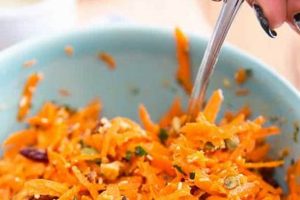
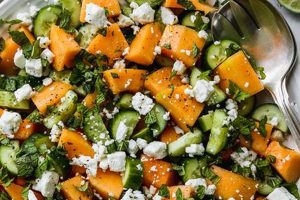
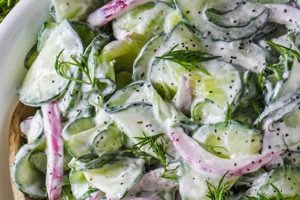
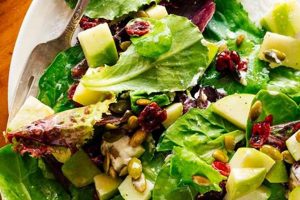
Dishes featuring prepared bamboo shoots combined with other ingredients, often vegetables, proteins, and a flavorful dressing, constitute a versatile culinary category. A typical example might include blanched bamboo shoots, julienned carrots, sliced red onion, fresh cilantro, and a dressing of sesame oil, rice vinegar, soy sauce, and chili flakes. Variations can incorporate ingredients like peanuts, dried shrimp, or other vegetables, depending on regional influences and personal preferences.
These salads offer a unique textural experience with the crisp crunch of bamboo shoots complementing softer elements. From a nutritional standpoint, bamboo shoots are a good source of fiber and offer various vitamins and minerals. Historically, they have played a significant role in Asian cuisines, particularly in regions where bamboo grows abundantly. The practice of preparing and incorporating bamboo shoots into dishes reflects both culinary ingenuity and resourcefulness.
This article will further explore various aspects of this culinary tradition, covering topics such as the selection and preparation of bamboo shoots, regional variations in salad recipes, and the nutritional benefits of including this versatile ingredient in one’s diet.
Tips for Preparing Dishes with Bamboo Shoots
Achieving optimal flavor and texture when incorporating bamboo shoots into salads requires attention to several key details. The following tips offer guidance for successful preparation.
Tip 1: Proper Selection: Choose fresh bamboo shoots that are firm and pale yellow. Canned or vacuum-packed varieties are also suitable, though fresh shoots offer superior flavor and texture.
Tip 2: Pre-Boiling: Fresh bamboo shoots contain natural toxins that must be removed through boiling. Boil sliced or chopped shoots in salted water for 20-30 minutes, then drain and rinse thoroughly.
Tip 3: Slicing Techniques: Consider the desired texture when slicing. Thin juliennes provide a delicate crunch, while thicker slices offer a more substantial bite. Dicing is suitable for salads with smaller components.
Tip 4: Balancing Flavors: Bamboo shoots possess a subtly sweet and earthy flavor. Balance this with contrasting elements such as tangy dressings, spicy chili flakes, or the umami richness of soy sauce or fish sauce.
Tip 5: Ingredient Pairing: Consider complementary ingredients like carrots, cucumbers, bell peppers, bean sprouts, or proteins like grilled chicken or shrimp. Fresh herbs, such as cilantro and mint, can enhance the overall freshness.
Tip 6: Dressing Considerations: A well-balanced dressing is essential. Experiment with combinations of rice vinegar, sesame oil, soy sauce, ginger, garlic, and chili. Adjust the sweetness and acidity according to personal preference.
Tip 7: Marinating (Optional): For enhanced flavor, marinate the bamboo shoots in a portion of the dressing for 15-20 minutes before combining with other salad ingredients.
By adhering to these guidelines, one can ensure that the distinct flavor and texture of bamboo shoots are showcased effectively, resulting in a delicious and satisfying culinary experience.
This information provides a solid foundation for exploring specific recipes and further refining culinary techniques related to bamboo shoot preparation.
1. Fresh Bamboo Shoots

Fresh bamboo shoots hold a central position in numerous culinary traditions, particularly within bamboo shoot salad recipes. Their distinct flavor and texture contribute significantly to the overall sensory experience of these dishes. Understanding the nuances of selecting, preparing, and incorporating fresh bamboo shoots is crucial for achieving optimal results.
- Selection and Availability
Selecting fresh bamboo shoots involves looking for firm, pale yellow specimens, free from blemishes or discoloration. Availability can vary depending on the region and season. Specialty Asian markets are often reliable sources. Choosing high-quality, fresh shoots directly impacts the final flavor and texture of the salad.
- Preparation and Detoxification
Fresh bamboo shoots contain naturally occurring toxins that necessitate proper preparation before consumption. Boiling the shoots in salted water for 20-30 minutes effectively removes these toxins. This crucial step ensures both safety and palatability, as the boiling process also softens the shoots while retaining their desirable crispness.
- Flavor Profile and Texture
Fresh bamboo shoots possess a unique flavor profile, subtly sweet and earthy, with a distinct vegetal note. Their texture offers a satisfying crunch, which contrasts pleasantly with other salad components. This distinct combination of flavor and texture elevates the overall sensory experience of the salad.
- Nutritional Contribution
Beyond flavor and texture, fresh bamboo shoots offer nutritional value, contributing fiber and various vitamins and minerals to the dish. This nutritional aspect further enhances the appeal of incorporating fresh bamboo shoots into salads, promoting both culinary enjoyment and dietary well-being.
The careful consideration of these facets contributes significantly to a successful bamboo shoot salad. By prioritizing freshness, employing proper preparation techniques, and understanding the inherent flavor profile and nutritional benefits, culinary enthusiasts can elevate their salads to new heights of gastronomic enjoyment.
2. Preparation Techniques

Preparation techniques significantly influence the final outcome of a bamboo shoot salad recipe. Proper handling of bamboo shoots ensures palatability, optimizes texture, and maximizes nutritional value. These techniques, ranging from initial selection to final integration with other ingredients, contribute directly to the overall culinary experience.
- Cleaning and Trimming
Thorough cleaning and trimming constitute the foundational steps. Removing the outer layers and fibrous parts ensures a tender and palatable final product. The fibrous sheath and any tough or discolored portions are discarded, leaving only the tender core. This process significantly affects the texture and mouthfeel of the salad, preventing stringiness and off-flavors.
- Boiling and Blanching
Boiling or blanching fresh bamboo shoots serves a dual purpose: detoxification and texture enhancement. Boiling for 20-30 minutes neutralizes naturally occurring toxins. Blanching quickly immerses the shoots in boiling water, then in ice water, preserving crispness and color. These steps ensure both safety and optimal textural attributes in the final salad.
- Slicing and Shaping
Slicing and shaping influence both the aesthetic presentation and the integration of bamboo shoots within the salad. Thinly slicing creates delicate strands, while thicker slices offer a heartier bite. Dicing facilitates even distribution throughout the salad. The chosen technique should complement the other ingredients and the overall desired texture.
- Marinating and Seasoning
Marinating bamboo shoots prior to incorporation into the salad can enhance flavor complexity. Marinades might include soy sauce, rice vinegar, sesame oil, or other flavoring agents. This step allows the shoots to absorb flavors, contributing depth to the final dish and complementing the other salad components.
These preparation techniques contribute directly to the quality and enjoyment of a bamboo shoot salad. Mastery of these techniques allows for greater control over flavor, texture, and overall presentation, ultimately resulting in a more refined and satisfying culinary creation.
3. Complementary Ingredients

Complementary ingredients play a crucial role in bamboo shoot salad recipes, enhancing the inherent qualities of bamboo shoots while contributing to a balanced and flavorful dish. Careful selection of these ingredients elevates the salad beyond a simple combination of components, transforming it into a cohesive and satisfying culinary experience. The interplay of flavors, textures, and colors creates a harmonious and multi-dimensional composition.
- Textural Variety
Ingredients offering contrasting textures create a more dynamic and engaging sensory experience. Crunchy elements like peanuts, toasted sesame seeds, or crispy fried onions complement the tender-crisp nature of bamboo shoots. Soft elements such as cooked noodles, shredded chicken, or sliced avocado provide a textural counterpoint. This interplay prevents monotony and enhances the overall enjoyment of the salad.
- Flavor Balancing
Balancing the subtly sweet and earthy flavor of bamboo shoots requires ingredients that provide contrasting flavor notes. Tangy lime juice, spicy chilies, savory soy sauce, or pungent fish sauce contribute complexity and depth. The interplay of these flavors creates a more nuanced and satisfying profile, preventing any single flavor from dominating.
- Aromatic Herbs and Spices
Fresh herbs and spices introduce aromatic complexity and enhance the overall sensory experience. Cilantro, mint, Thai basil, or lemongrass contribute bright, fresh notes. Ground spices like cumin, coriander, or ginger add warmth and depth. These aromatic elements create a more layered and fragrant salad, elevating it beyond simple flavors.
- Protein and Nutrient Enrichment
Incorporating protein sources transforms the salad into a more substantial and nutritious meal. Grilled chicken, shrimp, tofu, or edamame provide essential protein and contribute textural variety. These additions enhance the nutritional value of the salad and provide a satisfying element that complements the bamboo shoots.
The strategic combination of complementary ingredients elevates bamboo shoot salad recipes from simple to sophisticated. By considering the interplay of textures, flavors, aromas, and nutritional components, culinary practitioners can create balanced, flavorful, and visually appealing salads that offer a truly satisfying dining experience.
4. Flavor Balancing

Flavor balancing stands as a critical component in crafting successful bamboo shoot salad recipes. The inherent flavor profile of bamboo shoots, characterized by subtle sweetness and earthiness, necessitates careful consideration of complementary and contrasting flavors to achieve a harmonious and palatable result. A well-balanced flavor profile elevates the dish beyond a simple combination of ingredients, creating a more complex and satisfying culinary experience.
- Acidity
Acidity plays a crucial role in cutting through the richness and earthiness of bamboo shoots. Ingredients like rice vinegar, lime juice, or lemon juice introduce a bright, tart counterpoint, preventing the salad from feeling heavy or overly rich. The sharpness of these acidic components also enhances the perception of other flavors, creating a more dynamic and vibrant taste experience. For example, a Southeast Asian-inspired salad might utilize lime juice to balance the earthiness of bamboo shoots and the richness of coconut milk.
- Spice
Spice elements introduce warmth and complexity, adding another dimension to the flavor profile. Chili peppers, fresh ginger, or dried spices like chili flakes or gochugaru contribute a piquant heat that complements the subtle sweetness of bamboo shoots. The level of spice can be adjusted to suit individual preferences, ranging from a mild warmth to a more intense heat. A Sichuan-style salad might incorporate chili oil and Sichuan peppercorns for a distinctive, numbing spice.
- Saltiness/Umami
Saltiness and umami enhance the overall savoriness of the salad and provide a foundational flavor dimension. Soy sauce, fish sauce, or salt itself contribute essential saltiness, while ingredients like dried mushrooms, seaweed, or fermented black beans introduce umami richness. These elements deepen the flavor profile and create a more satisfying and complete taste experience. A Japanese-inspired salad might utilize soy sauce and a touch of mirin for a balanced salty-sweet flavor profile.
- Sweetness
A touch of sweetness can round out the flavor profile and create a more balanced composition. Ingredients like a small amount of sugar, a drizzle of honey, or the natural sweetness of fruits like mango or pineapple can complement the other flavors and enhance the overall palatability. This sweetness should be subtle, serving to harmonize the other flavor components rather than dominating the taste. A Thai-inspired salad might include a touch of palm sugar to balance the lime juice and chili.
The interplay of these flavor componentsacidity, spice, saltiness/umami, and sweetnessdefines the success of a bamboo shoot salad recipe. By carefully balancing these elements, culinary practitioners can create a harmonious and nuanced flavor profile that elevates the dish beyond its individual components, resulting in a more complex and satisfying culinary experience.
5. Textural Contrast

Textural contrast forms a cornerstone of successful bamboo shoot salad recipes. The inherent crispness of bamboo shoots provides a foundation upon which to build a multi-dimensional sensory experience. Strategic incorporation of ingredients with varying textures elevates the dish beyond simple flavor combinations, creating a more engaging and satisfying culinary experience.
- Crispness of Bamboo Shoots
The defining textural characteristic of bamboo shoots, their crispness, offers a satisfying bite and acts as a focal point for textural interplay. Proper preparation, including blanching or quick stir-frying, preserves this crucial attribute. This inherent crispness sets the stage for the introduction of contrasting textures.
- Soft and Yielding Elements
Incorporating soft and yielding ingredients provides a counterpoint to the crisp bamboo shoots. Elements such as cooked noodles, silken tofu, or avocado offer a contrasting mouthfeel, creating a more dynamic textural profile. For example, adding thin rice noodles to a bamboo shoot salad offers a delicate contrast to the crunchy bamboo shoots and other crisp vegetables.
- Crunchy and Brittle Additions
Further enhancing textural complexity can be achieved through crunchy and brittle additions. Toasted nuts, sesame seeds, or crispy fried shallots contribute an additional layer of crispness, distinct from that of the bamboo shoots. This layering of textures creates a more engaging and multi-faceted sensory experience. Roasted peanuts, for instance, introduce a satisfying crunch that complements the bamboo shoots without overshadowing their textural presence.
- Integration with Dressings and Sauces
The texture of the dressing or sauce also plays a significant role in the overall textural experience. A light and vinaigrette-style dressing allows the individual textures of the salad components to shine through, while a richer, creamier dressing can coat the ingredients, creating a smoother, more cohesive mouthfeel. This interplay between the dressing and the salad components further contributes to the overall textural complexity.
The interplay of these varying texturesthe inherent crispness of bamboo shoots contrasted with soft, crunchy, and yielding elements, all integrated with an appropriate dressingcreates a dynamic and satisfying sensory experience. This attention to textural contrast elevates the bamboo shoot salad beyond a simple combination of ingredients, transforming it into a more complex and engaging culinary creation.
6. Cultural Influences

Cultural influences significantly shape the diverse landscape of bamboo shoot salad recipes. Culinary traditions, regional preferences, and historical practices all contribute to the unique characteristics of these dishes across various cultures. Examining these influences provides insight into the evolution and adaptation of bamboo shoot salads within different culinary contexts.
- East Asian Culinary Traditions
Bamboo shoots feature prominently in numerous East Asian cuisines, including Chinese, Japanese, and Korean. In China, bamboo shoots are incorporated into stir-fries, soups, and salads, often showcasing regional variations in flavor profiles and preparation techniques. Japanese cuisine utilizes bamboo shoots in dishes like kinpira renkon (lotus root and bamboo shoot stir-fry) and takenoko gohan (bamboo rice). Korean cuisine incorporates bamboo shoots in japchae (glass noodles with vegetables and meat) and various banchan (side dishes). These diverse applications reflect the long-standing culinary significance of bamboo shoots in East Asia.
- Southeast Asian Influences
Southeast Asian cuisines, particularly Thai and Vietnamese, showcase distinct approaches to bamboo shoot salads. Thai salads often incorporate spicy chili, fish sauce, lime juice, and fresh herbs, creating vibrant and flavorful combinations. Vietnamese salads might feature a lighter, more nuanced flavor profile, incorporating fresh herbs, pickled vegetables, and a delicate dressing. These variations reflect the unique culinary traditions and flavor preferences of the region.
- Himalayan Region
In the Himalayan region, including Nepal, Bhutan, and parts of India, bamboo shoots are a staple ingredient in various dishes. Salads and curries often feature fermented bamboo shoots, adding a unique tangy and slightly sour flavor. These preparations reflect the resourcefulness and adaptability of Himalayan cuisine, utilizing locally available ingredients in creative and flavorful ways. The use of fermented bamboo shoots highlights the importance of preservation techniques in these mountainous regions.
- Modern Adaptations and Fusion Cuisine
Contemporary culinary trends have led to the adaptation and fusion of traditional bamboo shoot salad recipes. Chefs and home cooks alike experiment with new flavor combinations, incorporating ingredients and techniques from different culinary traditions. This cross-cultural exchange results in innovative and exciting interpretations of classic dishes, showcasing the versatility of bamboo shoots in a modern context. The increasing globalization of food culture continues to drive these creative adaptations.
Understanding these cultural influences provides a richer appreciation for the diverse world of bamboo shoot salad recipes. From traditional preparations to modern interpretations, these dishes reflect the unique culinary heritage and regional preferences of cultures around the globe, showcasing the versatility and enduring appeal of bamboo shoots as a culinary ingredient.
7. Nutritional Value

Nutritional value represents a significant aspect of bamboo shoot salad recipes, extending beyond mere culinary enjoyment. Bamboo shoots offer a range of dietary benefits, contributing to the overall healthfulness of these dishes. Their low calorie content makes them suitable for calorie-conscious diets. Furthermore, they provide a good source of dietary fiber, which aids digestion and promotes satiety. The presence of vitamins and minerals, such as potassium, vitamin B6, and copper, further enhances their nutritional profile. For example, a salad featuring bamboo shoots alongside other nutrient-rich vegetables and a lean protein source constitutes a balanced and healthful meal.
The nutritional composition of bamboo shoots synergizes with other salad components to create a dish rich in both flavor and dietary benefits. When combined with colorful vegetables like bell peppers, carrots, and leafy greens, the salad’s vitamin and mineral content increases significantly. Adding a protein source, such as grilled chicken or fish, enhances the protein content, contributing to muscle growth and repair. Furthermore, healthy fats from sources like avocado or nuts and seeds provide essential fatty acids. This combination of nutrients contributes to a well-rounded and nourishing meal, supporting various bodily functions and promoting overall well-being. A specific example might be a bamboo shoot salad with grilled salmon, avocado, mixed greens, and a light vinaigrette, offering a balance of protein, healthy fats, fiber, vitamins, and minerals.
Incorporating bamboo shoot salads into a regular diet offers several practical advantages. The ease of preparation makes them a convenient option for quick and healthful meals. Their versatility allows for adaptation to various dietary preferences and restrictions. Individuals seeking to increase their fiber intake or manage their weight can benefit from including these salads in their meal plans. However, individuals with certain health conditions, such as kidney stones, should exercise caution due to the oxalate content of bamboo shoots. Consulting with a healthcare professional or registered dietitian is always recommended for personalized dietary advice. Overall, understanding the nutritional contribution of bamboo shoots in salads empowers individuals to make informed choices that support their health and dietary goals.
Frequently Asked Questions
This section addresses common inquiries regarding bamboo shoot salad recipes, providing concise and informative responses.
Question 1: How are fresh bamboo shoots prepared for salads to remove toxins?
Fresh bamboo shoots contain natural toxins that require removal before consumption. Boiling sliced or chopped shoots in salted water for 20-30 minutes effectively neutralizes these toxins. Discarding the boiling water is essential.
Question 2: What are suitable alternatives for individuals unable to find fresh bamboo shoots?
Canned or vacuum-packed bamboo shoots offer convenient alternatives. Rinsing canned bamboo shoots thoroughly before use removes excess salt or preservatives. While fresh bamboo shoots offer superior texture, canned or vacuum-packed varieties provide acceptable substitutes.
Question 3: How can one minimize the sometimes “tinny” taste associated with canned bamboo shoots?
Thorough rinsing and briefly boiling canned bamboo shoots can help mitigate any metallic or “tinny” taste. Marination in flavorful sauces or dressings can further mask any residual off-flavors.
Question 4: Are there specific health considerations or potential allergies associated with bamboo shoots?
While generally safe, bamboo shoots contain oxalates. Individuals with a history of kidney stones should consume bamboo shoots in moderation. Those with known food allergies should exercise caution when trying bamboo shoots for the first time. Consultation with a healthcare professional is advisable for specific dietary concerns.
Question 5: How should bamboo shoots be stored for optimal freshness?
Fresh bamboo shoots should be stored in the refrigerator, ideally submerged in water, and consumed within a few days. Canned bamboo shoots, once opened, should be transferred to an airtight container and refrigerated; they typically last for several days.
Question 6: What are some key flavor profiles that complement the natural taste of bamboo shoots in salads?
Bamboo shoots pair well with a variety of flavors. Asian-inspired dressings featuring soy sauce, sesame oil, rice vinegar, ginger, garlic, and chili complement the earthy notes of bamboo shoots. Citrus flavors, such as lime or lemon juice, provide a refreshing counterpoint. Experimentation with various herbs and spices allows for diverse and personalized flavor combinations.
Addressing these common inquiries offers clarity and guidance for incorporating bamboo shoots into salads successfully. Understanding preparation techniques, storage methods, and potential health considerations ensures a safe and enjoyable culinary experience.
The following section will delve into specific recipe variations, showcasing the versatility of bamboo shoots across different culinary traditions.
Conclusion
Exploration of dishes centered around bamboo shoot salad recipes reveals a rich culinary landscape encompassing diverse preparation methods, flavor profiles, cultural influences, and nutritional benefits. From the importance of proper preparation techniques for fresh bamboo shoots to the nuanced interplay of complementary ingredients, achieving a balanced and flavorful outcome requires careful consideration of several factors. The versatility of bamboo shoots allows for integration into various culinary traditions, ranging from East Asian classics to modern fusion creations. Understanding the nutritional contributions further enhances appreciation for the role of these dishes in promoting healthful eating habits.
The culinary journey with bamboo shoots offers continuous opportunities for exploration and discovery. Further investigation into regional variations, innovative flavor combinations, and the development of novel recipes promises to expand the appreciation for this versatile ingredient. Continued culinary experimentation ensures the enduring presence of bamboo shoot salads in kitchens worldwide.