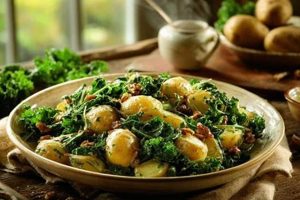
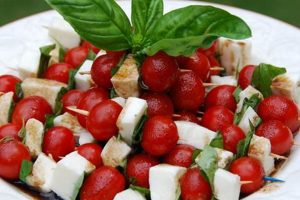
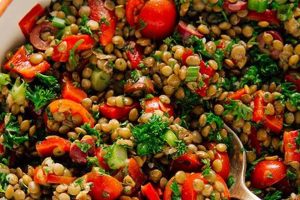
A vibrant and refreshing dish featuring tender, young leafy greens harvested in the spring, often combined with other seasonal vegetables, fruits, nuts, cheeses, and a light vinaigrette. Examples of these delicate greens include spinach, arugula, mache, watercress, and dandelion greens. Such a salad exemplifies the seasonality of fresh produce and offers a delightful contrast in textures and flavors.
These salads provide an excellent source of vitamins, minerals, and antioxidants, contributing to a healthy diet. Historically, consuming the first greens of spring was a welcome change after winter’s limited fresh produce, symbolizing renewal and offering vital nutrients. This culinary tradition continues to be valued for its nutritional benefits and the celebration of seasonal eating.
Further exploration will cover selecting the freshest ingredients, preparing the greens, creating complementary dressings, and presenting these salads for optimal enjoyment. Variations using different greens, additions, and dressings will also be discussed.
Tips for Creating Exceptional Spring Greens Salads
Creating a truly delicious salad with delicate spring greens requires attention to detail. These tips ensure optimal flavor, texture, and presentation.
Tip 1: Select the freshest greens. Look for vibrant, crisp leaves without signs of wilting or damage. Locally sourced greens from farmers’ markets often offer peak flavor and freshness.
Tip 2: Properly clean and dry the greens. Rinse greens thoroughly under cold water and use a salad spinner or gently pat them dry with a clean kitchen towel. Excess water dilutes the dressing and makes the salad soggy.
Tip 3: Balance flavors and textures. Combine the mild flavor of spring greens with contrasting elements. Consider adding crunchy nuts, creamy cheeses, sweet fruits, or savory vegetables.
Tip 4: Choose a complementary dressing. Light vinaigrettes with citrus or herbs enhance the delicate flavors of spring greens. Avoid heavy, creamy dressings that can overwhelm the salad.
Tip 5: Dress the salad just before serving. This prevents the greens from wilting and maintains their crisp texture.
Tip 6: Consider adding edible flowers. Pansies, nasturtiums, and violas add a touch of elegance and a subtle peppery or sweet flavor.
Tip 7: Don’t overcrowd the salad bowl. Gently toss the ingredients together, allowing the greens to breathe and the flavors to meld.
By following these guidelines, one can elevate a simple spring greens salad into a culinary masterpiece. These practices maximize the nutritional benefits and enhance the overall dining experience.
This guidance provides a strong foundation for crafting exquisite salads. The following section will explore specific recipe variations and further enhance culinary creativity.
1. Fresh, Seasonal Greens

Fresh, seasonal greens constitute the essence of a spring greens salad recipe. The availability of tender, young greens defines the very concept of the dish. Utilizing produce at its peak season ensures optimal flavor, texture, and nutritional value. This connection between ingredient and preparation is fundamental to achieving the desired culinary outcome. For example, young spinach leaves, harvested in spring, possess a sweetness and tenderness absent in mature spinach available at other times of the year. Similarly, the peppery bite of fresh arugula is most pronounced during its spring growing season. Selecting greens based on seasonal availability demonstrably impacts the overall quality and character of the salad.
This reliance on fresh, seasonal ingredients underscores the importance of supporting local farmers’ markets and understanding growing cycles. Such awareness allows for the creation of salads that showcase the unique flavors each season offers. Beyond flavor, the nutritional content of produce is often highest at peak ripeness. Choosing seasonal greens maximizes the intake of vitamins, minerals, and antioxidants. The practical application of this knowledge empowers individuals to make informed decisions regarding ingredient selection, thereby enhancing both the taste and health benefits of their salads.
In summary, the inherent link between fresh, seasonal greens and a successful spring greens salad recipe is undeniable. Prioritizing seasonal produce elevates flavor, texture, and nutritional content. This awareness facilitates informed choices that benefit both individual well-being and the support of sustainable agricultural practices. Embracing seasonality provides a pathway to creating exceptional salads that celebrate the bounty of nature. This principle extends beyond spring greens to encompass a wider approach to mindful eating and culinary creativity.
2. Complementary Ingredients
Complementary ingredients are essential for elevating a spring greens salad recipe beyond a simple collection of leaves. These additions provide textural contrast, introduce diverse flavor profiles, and enhance the overall nutritional value. The careful selection and balance of complementary ingredients distinguish an ordinary salad from an exceptional culinary creation. The interplay between the delicate greens and thoughtfully chosen additions creates a synergistic effect, where the whole becomes greater than the sum of its parts. For instance, the subtle bitterness of dandelion greens can be balanced by the sweetness of strawberries, while the peppery bite of arugula finds harmony with the creamy richness of goat cheese. Toasted pecans or walnuts introduce a satisfying crunch, contrasting with the tender greens. Understanding these relationships allows for the creation of a multi-sensory dining experience.
The practical application of this understanding requires consideration of flavor affinities and textural interplay. Adding ingredients that share complementary flavor profiles, such as pairing citrus fruits with herbs like mint or basil, enhances the overall balance and complexity. Simultaneously, incorporating a variety of textures, such as crunchy vegetables, creamy cheeses, or toasted nuts, creates a more engaging and satisfying culinary experience. Consider a salad combining baby spinach, sliced oranges, crumbled feta cheese, and toasted pine nuts. The sweetness of the oranges complements the spinach, while the salty feta provides a contrasting savory note. The toasted pine nuts add a welcome crunch. This example demonstrates how complementary ingredients enhance both the nutritional value and the sensory appeal of the salad.
In conclusion, the strategic incorporation of complementary ingredients significantly contributes to the success of a spring greens salad recipe. Careful consideration of flavor pairings and textural contrasts elevates the dish from a simple assortment of greens to a complex and satisfying culinary experience. This principle underscores the importance of viewing each ingredient not in isolation, but as a contributing element within a larger, harmonious composition. Mastering this aspect of salad creation unlocks a world of culinary possibilities, enabling the development of recipes that are both nutritious and aesthetically pleasing.
3. Balanced Flavor Profiles

Balanced flavor profiles are fundamental to a successful spring greens salad recipe. The inherent delicacy of spring greens necessitates a thoughtful approach to flavor pairings, ensuring that no single element overwhelms the others. A harmonious blend of sweet, sour, salty, bitter, and umami notes elevates the salad from a simple dish to a complex culinary experience. The interplay of these flavors creates a synergistic effect, enhancing the overall enjoyment and palatability. For example, the slight bitterness of dandelion greens can be offset by the sweetness of dried cranberries, while the peppery notes of arugula find balance with the creamy, salty tang of feta cheese. The careful orchestration of these flavors ensures that each bite offers a nuanced and satisfying experience.
Achieving a balanced flavor profile requires a nuanced understanding of ingredient interactions. The acidity of a vinaigrette, for instance, can brighten the flavors of the greens and other components while also providing a counterpoint to richer elements like cheese or nuts. A touch of sweetness, whether from fruit, honey, or maple syrup, can temper bitterness or acidity, contributing to a more rounded flavor profile. The addition of umami-rich ingredients, such as toasted nuts or crumbled Parmesan cheese, adds depth and complexity. Consider a salad combining spinach, sliced pears, crumbled blue cheese, and candied pecans. The sweetness of the pears complements the spinach and pecans, while the pungent blue cheese provides a contrasting savory note. This example illustrates how diverse flavor profiles can be harmoniously integrated within a single dish.
In summary, a balanced flavor profile is paramount in a spring greens salad recipe. The delicate nature of spring greens demands careful consideration of flavor pairings, ensuring that no single element dominates. A well-balanced salad offers a complex interplay of tastes, enhancing both enjoyment and palatability. This principle extends beyond individual recipes, representing a fundamental concept in culinary arts the pursuit of harmony and balance in flavor composition. Mastering this principle allows for the creation of dishes that are not only delicious but also offer a nuanced and satisfying sensory experience.
4. Proper Preparation Techniques

Proper preparation techniques are integral to a successful spring greens salad recipe. The delicate nature of spring greens requires careful handling to maintain their optimal texture and flavor. Improper techniques can result in bruised, wilted, or soggy greens, significantly diminishing the overall quality of the salad. Conversely, meticulous attention to preparation ensures that the greens remain crisp, vibrant, and contribute fully to the intended sensory experience. For instance, washing greens gently and thoroughly removes any soil or debris while minimizing damage to the delicate leaves. Proper drying, whether using a salad spinner or gently patting with a clean towel, prevents excess moisture from diluting the dressing and compromising the salad’s texture. These seemingly simple steps have a profound impact on the final result.
The practical significance of these techniques extends beyond mere aesthetics. Proper washing removes potential contaminants, ensuring food safety. Thorough drying prevents the dressing from becoming watery and clinging unevenly to the greens. Furthermore, techniques like tearing larger leaves into bite-sized pieces not only improves the salad’s presentation but also enhances the eating experience. Consider the difference between a salad composed of wet, limp greens and one featuring crisp, dry leaves dressed evenly with a flavorful vinaigrette. The former is unappetizing and texturally unpleasant, while the latter offers a refreshing and satisfying culinary experience. This contrast underscores the crucial role of proper preparation in achieving the desired outcome.
In conclusion, proper preparation techniques are essential for maximizing the quality and enjoyment of a spring greens salad recipe. These techniques preserve the delicate texture and flavor of the greens, contributing to a more satisfying sensory experience. Furthermore, they enhance food safety and ensure the even distribution of dressing. Mastering these fundamental techniques elevates the salad from a simple assembly of ingredients to a carefully crafted culinary creation, demonstrating a respect for the ingredients and a commitment to culinary excellence. This attention to detail distinguishes a truly exceptional salad from a mediocre one.
5. Creative Presentation

Creative presentation elevates a spring greens salad recipe from mere sustenance to a visually appealing and engaging culinary experience. Thoughtful plating enhances the perceived value and enjoyment of the dish, stimulating appetite and creating a sense of occasion. While flavor and texture remain paramount, visual appeal plays a significant role in the overall dining experience. The way a salad is presented influences perception of freshness, quality, and ultimately, enjoyment. This exploration delves into key facets of creative presentation for spring greens salads.
- Color Harmony and Contrast
Color plays a crucial role in food presentation. A spring greens salad offers a natural canvas of vibrant greens, providing a foundation for incorporating contrasting and complementary colors. Utilizing ingredients with diverse hues, such as red berries, orange segments, yellow bell peppers, or purple radicchio, creates visual interest and highlights the freshness of the components. Consider a salad featuring spinach, strawberries, and crumbled goat cheese: the red of the berries contrasts beautifully with the green spinach and white cheese, creating a visually appealing composition. This interplay of colors enhances the dining experience, making the salad more enticing.
- Textural Variation and Height
Creating textural variation adds another dimension to salad presentation. Incorporating elements like crunchy nuts, toasted seeds, crumbled cheese, or crispy vegetables provides contrasting textures that enhance the sensory experience. Building height within the salad also adds visual appeal. Rather than simply tossing all ingredients together, consider layering or strategically placing elements to create a more dynamic presentation. A salad featuring mixed greens, roasted chickpeas, crumbled feta, and thinly sliced cucumbers could be arranged with the chickpeas and feta layered on top of the greens to create height and textural contrast. This approach adds visual depth and makes the salad more appealing.
- Plating and Garnishing
The choice of serving vessel and the use of garnishes significantly influence the presentation. A simple white plate can provide a clean backdrop that allows the vibrant colors of the salad to stand out. Alternatively, a rustic wooden bowl can create a more informal and natural aesthetic. Garnishes, such as edible flowers, fresh herbs, or a sprinkle of spice, add a finishing touch that enhances both visual appeal and flavor. A light dusting of paprika on a salad with roasted vegetables adds color and a hint of smokiness. Similarly, a few sprigs of fresh dill can complement a salad featuring cucumber and feta. These small details elevate the presentation and demonstrate attention to detail.
- White Space and Simplicity
While incorporating various elements can enhance visual appeal, it’s equally important to avoid overcrowding the plate. Leaving some white space allows the individual components to stand out and prevents the salad from appearing cluttered. Embracing simplicity can often be the most effective approach. A carefully composed salad with a few well-chosen ingredients, artfully arranged, can be more visually appealing than a salad overloaded with elements. A salad featuring baby spinach, sliced strawberries, and a sprinkle of toasted almonds, plated with ample white space, showcases the beauty of each ingredient without appearing cluttered. This minimalist approach allows the natural colors and textures to shine.
In conclusion, creative presentation elevates a spring greens salad recipe from a simple dish to a visually captivating culinary experience. By considering color harmony, textural variation, plating, garnishing, and the use of white space, one can create salads that are as visually appealing as they are delicious. These techniques demonstrate a respect for the ingredients and an understanding of the significant role presentation plays in the overall dining experience. Ultimately, thoughtful presentation enhances enjoyment and transforms a simple salad into a work of culinary art.
Frequently Asked Questions
This section addresses common inquiries regarding spring greens salad recipes, providing concise and informative responses.
Question 1: What are the best spring greens to use?
Optimal choices include tender, young greens such as spinach, arugula, watercress, mache, and dandelion greens. Farmers’ markets often offer a wider selection of unique varieties.
Question 2: How can wilting be prevented?
Thoroughly drying greens after washing and dressing the salad immediately before serving helps prevent wilting. Storing greens in a breathable container with a damp paper towel also extends freshness.
Question 3: What dressings complement spring greens?
Light vinaigrettes with citrus or herb bases complement the delicate flavors of spring greens. Heavy, creamy dressings can overwhelm these subtle flavors.
Question 4: Can spring greens salads be made ahead of time?
While components can be prepared in advance, it is recommended to combine and dress the salad just before serving to maintain optimal texture and prevent wilting. Storing components separately maximizes freshness.
Question 5: How can nutritional value be maximized?
Nutritional value is maximized by selecting fresh, seasonal greens and incorporating a variety of colorful vegetables, fruits, nuts, and seeds. Limiting the use of high-fat cheeses and dressings further contributes to a healthy profile.
Question 6: How can one elevate a simple spring greens salad?
Adding unique ingredients, such as edible flowers, toasted nuts, artisanal cheeses, or homemade croutons, elevates the salad’s complexity and visual appeal. Experimentation with different flavor combinations expands culinary horizons.
Understanding these frequently asked questions empowers individuals to confidently create delicious and nutritious spring greens salads. Careful attention to ingredient selection, preparation, and presentation enhances both the culinary and sensory experience.
The next section will offer a collection of curated spring greens salad recipes, providing practical examples of these principles in action.
Conclusion
Exploration of spring greens salad recipes reveals the interplay of fresh, seasonal ingredients, balanced flavor profiles, proper preparation techniques, and creative presentation. Emphasis on utilizing peak-season produce underscores the importance of both flavor and nutritional value. Careful consideration of complementary ingredients, including textural contrasts and harmonious flavor pairings, elevates these salads beyond simple assemblages of greens. Proper handling and preparation techniques maintain the delicate nature of the ingredients, while thoughtful presentation enhances the overall dining experience. A well-composed spring greens salad offers a refreshing and flavorful culinary experience, showcasing the essence of spring’s bounty.
Culinary exploration of spring greens salad recipes offers an opportunity to embrace seasonal eating, celebrate fresh produce, and elevate simple ingredients into culinary masterpieces. Continued experimentation with diverse flavor combinations and presentation styles further enriches this culinary tradition. The inherent versatility of these recipes allows for continuous adaptation and personalization, reflecting individual preferences and culinary creativity. Ultimately, a deep understanding of these core principles empowers individuals to create exceptional salads that nourish both body and spirit.