Dishes featuring shredded or grated carrots combined with various other ingredients, dressed in a non-mayonnaise based sauce, offer a lighter, often tangier alternative to traditional carrot salads. These variations can include vinaigrettes based on oil and vinegar, citrus juices, yogurt, or even honey-based dressings. An example might include grated carrots, raisins, chopped walnuts, and a dressing of apple cider vinegar, olive oil, and maple syrup.
Such recipes cater to individuals seeking lower-fat options, those avoiding eggs or dairy due to allergies or dietary restrictions, and those simply preferring brighter, less creamy flavors. Historically, mayonnaise-based salads became popular with the increased availability of commercial mayonnaise. Before this, vegetable salads were more commonly dressed with simple oil and vinegar mixtures or other lighter dressings, reflecting the recipes now regaining popularity. This resurgence underscores the growing emphasis on fresh, wholesome ingredients and lighter eating habits.
Exploring these variations provides opportunities to discover diverse flavor profiles and incorporate seasonal ingredients. Different preparations, dressing options, and complementary components will be examined further.
Tips for Crafting Delicious Mayonnaise-Free Carrot Salads
Creating a vibrant and flavorful carrot salad without mayonnaise requires attention to a few key details. These tips ensure optimal texture and a balanced flavor profile.
Tip 1: Grate carrots uniformly. Consistent size ensures even coating with the dressing and contributes to a pleasant mouthfeel. A box grater or food processor with a grating attachment yields the best results.
Tip 2: Balance sweetness and acidity. Dressings often benefit from a combination of sweet and acidic elements. Consider pairings such as apple cider vinegar with maple syrup or lemon juice with honey.
Tip 3: Incorporate textural variety. Nuts, seeds, dried fruits, or shredded coconut add satisfying crunch and complexity. Toasted nuts and seeds offer enhanced flavor.
Tip 4: Dress the salad shortly before serving. This prevents the carrots from becoming soggy and maintains their crispness.
Tip 5: Explore different flavor profiles. Experiment with spices like cumin, coriander, or ginger for global inspiration. Fresh herbs such as mint, cilantro, or parsley add brightness.
Tip 6: Consider the carrot variety. While standard orange carrots work well, consider adding other varieties like purple or yellow carrots for visual appeal and nuanced flavor.
Tip 7: Adjust seasonings to taste. Salt and freshly ground black pepper are essential, but consider adding a pinch of red pepper flakes for a hint of heat.
By following these tips, one can achieve a carrot salad that is not only healthy and flavorful but also visually appealing and texturally satisfying.
These guidelines provide a foundation for creating a wide array of delicious and healthful carrot salads tailored to individual preferences.
1. Fresh Ingredients

The emphasis on fresh ingredients in carrot salad recipes without mayonnaise is paramount. The absence of mayonnaise allows the natural flavors of the components to shine, requiring high-quality, seasonal produce for optimal results. This focus on freshness not only elevates the taste but also maximizes nutritional value.
- High-Quality Carrots
Carrots should be firm, brightly colored, and free from blemishes. Different varieties, such as Nantes or Imperator, offer subtle variations in sweetness and texture. Freshly grated carrots provide the best flavor and texture compared to pre-shredded options, which can be dry or less flavorful.
- Supporting Produce
Other fresh ingredients contribute complexity and textural contrast. Examples include crisp apples, juicy oranges, or vibrant bell peppers. Seasonal additions, such as summer berries or autumnal squash, further enhance the salad’s flavor profile and nutritional content. Selecting produce at its peak ripeness ensures optimal flavor and nutritional value.
- Fresh Herbs and Spices
Fresh herbs, like parsley, cilantro, or mint, add brightness and aromatic depth. Spices, such as ginger, cumin, or coriander, offer intriguing flavor dimensions. These elements should be added judiciously to complement the carrots’ natural sweetness without overpowering the overall flavor profile. Freshly ground spices are preferred for their superior aroma and flavor.
- Dressing Components
Freshly squeezed citrus juices, high-quality oils, and flavorful vinegars contribute significantly to a vibrant dressing. Ingredients like freshly grated ginger or minced garlic further enhance the dressing’s complexity. Avoiding bottled dressings, which often contain preservatives and added sugars, allows for complete control over flavor and quality.
Prioritizing fresh, high-quality ingredients elevates carrot salads from simple side dishes to vibrant, flavorful centerpieces. The absence of mayonnaise allows these individual components to shine, creating a dish that is both nutritious and satisfying. The careful selection and combination of these fresh elements ultimately determine the overall success of the salad.
2. Variety in Textures

Texture plays a crucial role in the enjoyment of carrot salad recipes without mayonnaise. The absence of a creamy, unifying element like mayonnaise necessitates a deliberate focus on incorporating contrasting textures to create a more engaging and satisfying culinary experience. This variety prevents the salad from feeling monotonous and adds depth to each bite.
- Crunchy Elements
Nuts, such as toasted almonds, walnuts, or pecans, provide a satisfying crunch. Seeds, like sunflower or pumpkin seeds, offer a similar textural contrast. These additions not only enhance the mouthfeel but also contribute healthy fats and protein. The toasting process intensifies the nutty flavor, further enriching the overall sensory experience.
- Chewy Components
Dried fruits, like raisins, cranberries, or chopped apricots, introduce a chewy texture that complements the crispness of the carrots. These ingredients also contribute a touch of sweetness and enhance the flavor profile. Opting for naturally dried fruits without added sugars aligns with the health-conscious nature of mayonnaise-free recipes.
- Crisp Vegetables
Incorporating other crisp vegetables, such as shredded cabbage, diced bell peppers, or thinly sliced red onion, adds another layer of textural complexity. These additions also contribute vitamins, minerals, and distinct flavors, further diversifying the salad’s nutritional and sensory profile.
- Tender Carrots
The carrots themselves contribute a tender-crisp texture, especially when freshly grated. Proper grating technique ensures a consistent texture and prevents the carrots from becoming too mushy. Maintaining this delicate balance is crucial for the overall enjoyment of the salad.
The strategic combination of these varying textures creates a dynamic and satisfying sensory experience in carrot salads without mayonnaise. This interplay of crunchy, chewy, and crisp elements elevates the dish beyond a simple salad and contributes to a more complex and enjoyable culinary experience. Careful consideration of texture, alongside flavor, ensures a well-rounded and appealing dish.
3. Balanced Flavor Profiles

Balanced flavor profiles are essential for successful carrot salad recipes without mayonnaise. The absence of mayonnaise, which often contributes a rich, creamy flavor and texture, necessitates a more nuanced approach to flavor building. Careful consideration of sweet, sour, salty, bitter, and umami elements ensures a complex and satisfying taste experience. A harmonious blend of these flavor components prevents any single element from dominating, resulting in a well-rounded and palatable dish.
- Sweetness
Natural sweetness from the carrots themselves can be enhanced or balanced by incorporating ingredients like raisins, dried cranberries, or a touch of maple syrup or honey in the dressing. Overly sweet salads can be cloying, so moderation is key. The level of sweetness should complement, not overwhelm, the other flavors.
- Acidity
Acidity provides brightness and cuts through the sweetness of the carrots and other ingredients. Vinegars, such as apple cider, white wine, or rice vinegar, are commonly used. Citrus juices, like lemon or orange, offer a different dimension of acidity. Balancing acidity with sweetness is crucial for a harmonious flavor profile.
- Saltiness
Salt enhances the flavors of all the ingredients and is essential for a well-rounded taste. Sea salt or kosher salt are preferred for their clean flavor. However, over-salting can easily ruin a salad, so it’s important to season gradually and taste as you go. The amount of salt needed also depends on the other ingredients and the dressing used.
- Umami and Other Savory Notes
Umami, the savory fifth taste, adds depth and complexity. Ingredients like toasted nuts, grated Parmesan cheese (if not adhering to a vegan diet), or a splash of soy sauce can contribute umami notes. Spices, such as cumin, coriander, or ginger, offer additional savory nuances. These elements contribute to a more sophisticated and satisfying flavor experience.
Achieving a balanced flavor profile in carrot salads without mayonnaise involves the thoughtful interplay of these key taste elements. Harmonizing these components ensures a vibrant and complex salad that is both refreshing and satisfying. This careful orchestration of flavors elevates the simple carrot salad to a more sophisticated and enjoyable dish.
4. Healthier Alternatives

Carrot salad recipes without mayonnaise represent a shift towards healthier eating habits, offering a lighter alternative to traditional mayonnaise-based versions. This shift aligns with broader dietary trends emphasizing reduced fat and calorie intake, as well as accommodating various dietary restrictions. Exploring this connection reveals the multiple facets of health benefits associated with these recipes.
- Reduced Fat and Calories
Mayonnaise is calorie-dense and high in saturated fat. Eliminating it significantly reduces the overall fat and calorie content of carrot salad, making it a more diet-friendly option. This reduction allows for greater consumption of essential nutrients from other salad components, like vegetables, fruits, and nuts, without excessive caloric intake. The difference can be substantial, particularly for those monitoring their weight or fat intake.
- Increased Nutrient Density
Replacing mayonnaise with lighter dressings based on vinegar, citrus juice, or yogurt allows the nutritional value of the carrots and other vegetables to take center stage. These dressings often contribute additional vitamins, antioxidants, and probiotics, further enhancing the salad’s nutritional profile. This focus on nutrient-dense ingredients contributes to overall health and well-being.
- Allergy and Dietary Accommodation
Mayonnaise contains eggs, making it unsuitable for individuals with egg allergies. Mayonnaise-free carrot salad recipes provide a safe and delicious alternative for these individuals. Furthermore, substituting mayonnaise with plant-based alternatives like vegan yogurt or tahini-based dressings caters to vegan and dairy-free diets, expanding accessibility and inclusivity.
- Improved Gut Health (With Certain Dressings)
Using yogurt or other fermented ingredients in the dressing introduces probiotics, which are beneficial bacteria that support gut health. A healthy gut microbiome plays a vital role in digestion, immunity, and overall well-being. This added benefit further distinguishes mayonnaise-free carrot salads as a health-conscious choice. However, it’s important to choose yogurts with live and active cultures for optimal probiotic benefits.
The connection between healthier alternatives and carrot salad recipes without mayonnaise is multifaceted, encompassing reduced calorie and fat intake, increased nutrient density, accommodation of dietary restrictions, and potential gut health benefits. This approach to salad preparation reflects a broader awareness of nutrition and well-being, offering a delicious and accessible way to incorporate more vegetables and healthy ingredients into one’s diet. By understanding these benefits, individuals can make informed choices that align with their health goals and dietary needs.
5. Creative Dressing Options

Creative dressing options are central to the appeal of carrot salad recipes without mayonnaise. Liberated from the constraints of traditional mayonnaise-based dressings, these recipes offer a canvas for culinary exploration. The absence of mayonnaise necessitates innovative approaches to flavor and texture, resulting in a diverse range of possibilities that cater to various palates and dietary preferences. Exploring these options reveals the transformative potential of dressings in elevating the humble carrot salad to new culinary heights.
- Citrus Vinaigrettes
Citrus fruits, such as oranges, lemons, limes, and grapefruits, provide a bright and tangy base for vinaigrettes. Their acidity cuts through the sweetness of the carrots, creating a refreshing and balanced flavor profile. A simple orange vinaigrette, for example, can be made with freshly squeezed orange juice, olive oil, Dijon mustard, and a touch of honey. These vinaigrettes offer a light and zesty alternative to heavier, creamier dressings, aligning with health-conscious preferences while adding a vibrant dimension to the salad.
- Yogurt-Based Dressings
Yogurt-based dressings offer a creamy texture reminiscent of mayonnaise but with a tangier, lighter flavor. Greek yogurt, in particular, provides a good base due to its thicker consistency. Flavor variations can be achieved by incorporating herbs, spices, or roasted garlic. A lemon-herb yogurt dressing, for instance, can combine Greek yogurt, lemon juice, chopped fresh dill, and a pinch of salt and pepper. These dressings offer a healthier alternative to mayonnaise while contributing probiotics beneficial for gut health. They also provide a versatile foundation for incorporating a wide array of flavors.
- Asian-Inspired Dressings
Drawing inspiration from Asian cuisines opens up a world of flavor possibilities. Sesame oil, rice vinegar, soy sauce, ginger, and garlic can be combined to create complex and umami-rich dressings. A sesame-ginger dressing, for example, might include sesame oil, rice vinegar, soy sauce, grated ginger, minced garlic, and a touch of maple syrup. These dressings introduce unique flavor profiles that complement the sweetness of carrots while offering a departure from traditional Western flavors.
- Tahini-Based Dressings
Tahini, a paste made from sesame seeds, offers a nutty and slightly bitter flavor that pairs well with carrots. Combined with lemon juice, garlic, and water, it creates a creamy and flavorful dressing. Variations can include maple syrup for sweetness or spices like cumin and coriander for added depth. These dressings provide a plant-based, vegan alternative to mayonnaise, catering to specific dietary needs while adding a distinctive flavor profile to the salad.
The versatility of carrot salad recipes without mayonnaise is significantly enhanced by the array of creative dressing options available. From light and zesty citrus vinaigrettes to creamy yogurt and tahini-based dressings, and the complex profiles of Asian-inspired options, these dressings transform the simple carrot salad into a culinary canvas. By exploring these diverse flavor profiles, individuals can discover new and exciting ways to enjoy this versatile vegetable while adhering to various dietary preferences and health goals. The absence of mayonnaise becomes an opportunity for innovation, allowing for a greater depth of flavor and a more personalized culinary experience.
6. Versatile Adaptations

The adaptability of carrot salad recipes without mayonnaise contributes significantly to their appeal. This versatility stems from the inherent flexibility of the core ingredients and the wide range of complementary flavors and textures that can be incorporated. This adaptability allows for customization based on seasonal availability, dietary preferences, and desired flavor profiles, making these recipes relevant in diverse culinary contexts.
- Seasonal Variations
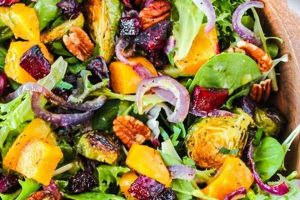
Carrot salads easily adapt to seasonal ingredients. Spring variations might include fresh peas and mint, while summer versions could incorporate grilled corn and peaches. Autumnal adaptations could feature roasted butternut squash and cranberries, while winter salads might include pomegranate seeds and toasted pecans. This adaptability ensures year-round enjoyment and maximizes the use of fresh, seasonal produce, aligning with both health-conscious and environmentally conscious approaches to cooking.
- Dietary Modifications
The inherent adaptability of these recipes allows for easy modification to meet various dietary needs. Vegan versions can utilize plant-based yogurts or tahini-based dressings, while gluten-free adaptations simply require attention to ingredient selection in dressings and add-ins. Adjustments for specific food sensitivities or intolerances further broaden accessibility, ensuring inclusivity and catering to diverse dietary requirements. This flexibility makes carrot salads a welcome addition to a wide range of dietary plans.
- Cultural Adaptations
Carrot salad can be adapted to reflect different culinary traditions. Incorporating spices like cumin, coriander, and turmeric creates an Indian-inspired flavor profile, while adding ginger, soy sauce, and sesame oil results in an Asian-inspired dish. These adaptations demonstrate the global potential of the basic carrot salad template, highlighting its versatility and cross-cultural appeal. By incorporating regional flavors and ingredients, the basic recipe can be transformed to suit diverse palates and culinary traditions.
- Meal Integration
Carrot salad’s adaptability extends to its role within a meal. It can serve as a light lunch on its own, a refreshing side dish to grilled meats or fish, or a vibrant component of a larger buffet or potluck spread. This versatility allows for seamless integration into diverse meal plans and occasions, further solidifying its place as a practical and adaptable culinary staple. Its adaptable nature makes it suitable for casual meals, festive gatherings, or as a component within a more complex menu.
The versatility of carrot salad recipes without mayonnaise allows for a dynamic range of adaptations, from incorporating seasonal ingredients and accommodating dietary restrictions to reflecting diverse cultural influences and seamlessly integrating into various meal structures. This adaptability elevates the basic recipe to a versatile culinary platform, offering a foundation for creative expression and personalized culinary experiences.
Frequently Asked Questions
This section addresses common inquiries regarding carrot salad recipes without mayonnaise, providing concise and informative responses.
Question 1: What are the primary advantages of omitting mayonnaise in carrot salad?
Omitting mayonnaise reduces calorie and fat content, highlights the natural sweetness of carrots, and allows for greater flexibility in flavor profiles. It also caters to individuals with egg allergies or those following vegan or specific dietary restrictions.
Question 2: How can sogginess be prevented in non-mayonnaise based carrot salads?
Sogginess can be prevented by dressing the salad shortly before serving. If preparing in advance, store the dressing separately and combine just before serving to maintain the carrots’ crisp texture.
Question 3: What are suitable replacements for mayonnaise in terms of achieving a creamy texture?
Greek yogurt, blended silken tofu, avocado, or tahini can provide a creamy texture without the richness of mayonnaise. These alternatives also offer different flavor profiles and nutritional benefits.
Question 4: Can pre-shredded carrots be used in these recipes?
While pre-shredded carrots offer convenience, freshly grated carrots are recommended for optimal flavor and texture. Pre-shredded carrots can sometimes be drier and less flavorful.
Question 5: How long can carrot salad without mayonnaise be stored?
Storage time depends on the specific ingredients. Generally, carrot salad without mayonnaise can be stored in an airtight container in the refrigerator for up to 3 days. However, it is best consumed within 24 hours for optimal flavor and texture. The addition of certain ingredients, such as fruits or herbs, may shorten the storage life.
Question 6: How can flavor be enhanced in the absence of mayonnaise’s richness?
Flavor can be enhanced through the strategic use of herbs, spices, citrus zest, toasted nuts and seeds, and a variety of acidic and sweet components in the dressing. Balancing these elements creates a complex and satisfying flavor profile.
By addressing these frequently asked questions, a clearer understanding of the nuances and advantages of mayonnaise-free carrot salad recipes is provided. This knowledge empowers individuals to confidently explore the diverse flavors and textures achievable through this versatile culinary approach.
Further exploration of specific recipes and variations will be presented in the following sections.
Conclusion
Exploration of carrot salad recipes without mayonnaise reveals a versatile culinary landscape emphasizing fresh ingredients, balanced flavor profiles, and textural variety. Absence of mayonnaise allows for reduced fat and calorie content, accommodation of dietary restrictions, and expanded creative opportunities in dressing formulation. The adaptability of these recipes to seasonal ingredients, cultural influences, and individual preferences further underscores their value in diverse culinary contexts. From simple vinaigrettes to complex yogurt and tahini-based dressings, the potential for flavor exploration is vast.
The shift away from traditional mayonnaise-based salads reflects a broader culinary movement toward lighter, healthier options without sacrificing flavor or satisfaction. Carrot salad recipes without mayonnaise provide a compelling example of this evolution, offering a pathway to explore the diverse and delicious possibilities of plant-forward cuisine. This approach invites culinary experimentation and a deeper appreciation for the natural flavors and textures inherent in fresh produce.