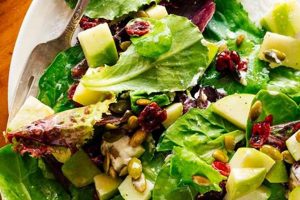
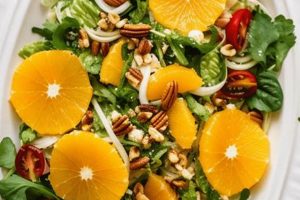
Traditional Irish cuisine often features simple, hearty dishes emphasizing fresh, local ingredients. Salads, while not historically a cornerstone of Irish meals, have evolved to incorporate these principles. Modern Irish salads showcase seasonal produce, often including ingredients like foraged greens, fresh cheeses, and smoked salmon. For example, a salad might feature organic greens tossed with crumbled Cashel blue cheese, candied walnuts, and a light vinaigrette.
The increasing popularity of lighter, healthier eating habits has contributed to the rise of innovative salad creations within Irish culinary culture. These dishes offer a refreshing counterpoint to richer traditional fare and highlight the country’s diverse agricultural offerings. Using locally sourced ingredients supports regional economies and often results in vibrant flavors reflective of the Irish terroir. Furthermore, the adaptability of salads allows chefs to incorporate both traditional elements and modern culinary techniques, creating a unique and evolving culinary landscape.
This exploration delves into the diverse world of modern Irish salads, examining regional variations, seasonal ingredients, and innovative preparations that showcase the best of Irish cuisine.
Tips for Crafting Delicious Irish-Inspired Salads
Elevating simple salads to showcase the best of Irish flavors involves thoughtful ingredient selection and preparation.
Tip 1: Embrace Seasonality: Opt for produce at its peak. Springtime salads might feature wild garlic or asparagus, while summer calls for ripe tomatoes and berries. Autumn brings root vegetables like beets and parsnips, and winter offers sturdy greens like kale and cabbage.
Tip 2: Explore Irish Cheeses: Incorporate artisanal cheeses like Gubbeen, Coolea, or Durrus. Their distinct flavors add depth and complexity.
Tip 3: Utilize Fresh Herbs: Dill, parsley, and chives, readily available in Ireland, can brighten a salad’s flavor profile. Foraged seaweeds, such as dulse and sea spaghetti, offer unique salty notes.
Tip 4: Consider Smoked Fish: Smoked salmon, mackerel, or trout offer a quintessential Irish touch. These can be flaked and added directly or incorporated into a flavorful dressing.
Tip 5: Experiment with Grains: Barley, oats, and spelt add texture and heartiness. Toasting these grains before adding them to the salad enhances their nutty flavor.
Tip 6: Don’t Overlook Nuts and Seeds: Toasted hazelnuts, walnuts, or pumpkin seeds provide satisfying crunch and healthy fats.
Tip 7: Create Balanced Dressings: A simple vinaigrette with Irish cider vinegar or a dressing featuring creamy buttermilk offers a refreshing counterpoint to richer salad components.
By focusing on fresh, high-quality ingredients and thoughtful flavor combinations, one can create salads that truly capture the essence of Irish cuisine.
These tips offer a starting point for exploring the vibrant possibilities of Irish-inspired salads. Further experimentation will undoubtedly yield delicious and satisfying results.
1. Fresh, Seasonal Produce

The emphasis on fresh, seasonal produce is integral to contemporary Irish salad recipes. Ireland’s temperate climate and fertile land yield a diverse array of ingredients throughout the year. This seasonality influences salad composition, dictating flavor profiles and highlighting the best of local agriculture. For example, spring salads might showcase tender asparagus or wild garlic, while summer offerings feature ripe tomatoes and berries. Autumn brings root vegetables like beets and parsnips, while winter provides sturdy greens such as kale and cabbage. This reliance on seasonal produce not only ensures optimal flavor and nutritional value but also supports local farmers and reduces environmental impact through decreased transportation needs.
The connection between fresh produce and Irish salad recipes extends beyond mere ingredient selection. It represents a culinary philosophy that prioritizes quality, sustainability, and a deep appreciation for the natural world. Chefs often collaborate directly with local growers, ensuring access to the freshest ingredients and fostering a sense of community. This emphasis on provenance translates to vibrant, flavorful salads that reflect the unique terroir of Ireland. A salad composed of foraged sea beans, locally grown organic lettuce, and freshly caught Dublin Bay prawns exemplifies this commitment to local, seasonal ingredients.
Understanding the importance of seasonality in Irish salads allows for a deeper appreciation of the cuisine’s connection to the land. While challenges such as limited availability of certain ingredients during specific times of the year exist, this constraint also fosters creativity and encourages culinary innovation. By embracing the natural ebb and flow of seasonal produce, Irish salad recipes offer a dynamic and flavorful culinary experience that celebrates the best of Ireland’s agricultural bounty.
2. Artisan Irish Cheeses

Artisan Irish cheeses play a crucial role in elevating salads from simple accompaniments to complex, flavorful dishes. Their diverse textures and distinct flavor profiles contribute significantly to the overall sensory experience, reflecting Ireland’s rich dairy heritage and the ingenuity of its cheesemakers. These cheeses often serve as a centerpiece, adding depth and complexity to otherwise straightforward salads.
- Diversity of Milk Sources
Cow, sheep, and goat milk each contribute unique characteristics to Irish cheeses. Cow’s milk cheeses, like Coolea, offer nutty, buttery notes. Sheep’s milk cheeses, such as Cashel Blue, provide a tangy, slightly salty flavor. Goat’s milk cheeses, exemplified by Crozier Blue, possess a distinctive earthy tang. This variety allows for diverse flavor pairings within salads, complementing various vegetables, fruits, and dressings.
- Texture and Consistency
From the creamy, spreadable texture of Gubbeen to the crumbly nature of Cashel Blue and the firm bite of Coolea, Irish cheeses offer a wide range of textures. These variations enhance the mouthfeel of salads, providing contrasting or complementary sensations alongside crisp greens and other ingredients. A salad featuring soft goat cheese alongside crunchy toasted walnuts demonstrates this textural interplay.
- Regional Variations and Terroir
Ireland’s diverse landscape and regional microclimates influence the flavor profiles of its cheeses. Cheeses produced in coastal regions, like Durrus, often possess subtle salty notes, while those from inland areas, such as Ardrahan, might exhibit earthier characteristics. These regional variations contribute to the uniqueness of Irish salads, offering a taste of place and reflecting the specific terroir.
- Pairing with Complementary Ingredients
Artisan Irish cheeses pair well with a variety of salad ingredients. The sharpness of a blue cheese complements the sweetness of dried figs or pears, while the mildness of a fresh goat cheese enhances the flavor of roasted vegetables. Understanding these pairings is crucial for creating balanced and flavorful salads. For example, a salad featuring smoked salmon, dill, and a creamy cow’s milk cheese creates a harmonious blend of flavors.
The incorporation of artisan Irish cheeses elevates salads beyond basic vegetable combinations. These cheeses act as a focal point, contributing distinct flavors, textures, and a connection to the Irish landscape. By carefully selecting cheeses that complement other ingredients, chefs and home cooks alike can create salads that showcase the best of Irish culinary tradition and innovation.
3. Locally Sourced Ingredients
The increasing emphasis on locally sourced ingredients within Irish salad recipes reflects a growing awareness of the benefits of supporting regional economies and promoting sustainable agricultural practices. This focus also contributes to the distinct character of these salads, showcasing the unique flavors of Ireland’s terroir. Utilizing ingredients grown or produced nearby reduces transportation costs and environmental impact while ensuring optimal freshness and flavor.
- Reduced Environmental Impact
Minimizing food miles through local sourcing significantly reduces the carbon footprint associated with transportation. This commitment to sustainability aligns with growing consumer demand for environmentally conscious food choices and contributes to a more resilient local food system. Choosing ingredients from nearby farms reduces reliance on long-distance shipping, lessening pollution and promoting ecological balance.
- Support for Local Economies
Prioritizing local producers directly benefits regional economies by creating jobs and supporting independent businesses. This strengthens communities and preserves traditional farming practices, contributing to a more vibrant and diverse agricultural landscape. Purchasing ingredients from local farmers markets or directly from farms invests in the local community and fosters a sense of connection between consumers and producers.
- Enhanced Freshness and Flavor
Ingredients harvested at their peak ripeness and consumed shortly after picking retain optimal flavor and nutritional value. This emphasis on freshness translates to more vibrant and flavorful salads, highlighting the natural taste of Ireland’s produce. A salad composed of freshly picked greens, ripe tomatoes from a nearby farm, and locally produced cheese exemplifies this commitment to quality and flavor.
- Connection to Terroir
Locally sourced ingredients reflect the specific environmental conditions of a region, including soil type, climate, and traditional farming methods. This connection to terroir imbues Irish salads with unique flavors and characteristics, showcasing the diverse culinary landscape across the country. Incorporating ingredients like foraged seaweeds or locally grown varieties of apples reflects a deep appreciation for the unique flavors of Ireland’s natural environment.
The emphasis on locally sourced ingredients within Irish salad recipes represents a multifaceted approach to culinary excellence. It prioritizes not only flavor and freshness but also environmental sustainability, economic vitality, and a deeper connection to the land. By showcasing the bounty of local produce, these salads offer a taste of Ireland’s unique terroir and reflect a growing commitment to responsible and sustainable food practices. This approach transforms a simple salad into a celebration of local flavor and community.
4. Creative Dressings

Creative dressings play a pivotal role in elevating Irish salad recipes beyond basic combinations of ingredients. They provide an opportunity to showcase the diversity of Irish flavors, complementing fresh, local produce and artisan cheeses. These dressings move beyond standard vinaigrettes, incorporating ingredients like Irish whiskey, apple cider vinegar, honey, and herbs to create unique and complex flavor profiles. The interplay between the dressing and the other salad components is crucial, creating a balanced and harmonious dish. For example, a salad featuring smoked salmon and dill might benefit from a creamy dressing incorporating horseradish and Irish whiskey, while a salad showcasing fresh goat cheese and berries might be enhanced by a light vinaigrette infused with elderflower or honey.
The creativity in Irish salad dressings often stems from a deep understanding of traditional Irish flavors and a willingness to experiment with modern culinary techniques. Incorporating foraged ingredients, such as wild garlic or seaweeds, adds a unique dimension to dressings, reflecting a connection to the Irish landscape. Furthermore, the use of high-quality Irish dairy products, like buttermilk or crme frache, provides a rich base for creamy dressings, showcasing the country’s renowned dairy heritage. These dressings can act as a bridge, connecting traditional ingredients with innovative preparations, resulting in salads that are both familiar and exciting. A salad showcasing roasted root vegetables and crumbled blue cheese could be paired with a dressing featuring toasted hazelnuts and apple cider vinegar, highlighting the earthy flavors of the vegetables while providing a contrasting acidity.
The significance of creative dressings in Irish salad recipes lies in their ability to transform simple dishes into culinary experiences. They contribute not only to the overall flavor profile but also to the texture and visual appeal of the salad. The careful balance of acidity, sweetness, and savory notes in a well-crafted dressing can elevate the flavors of the other ingredients, creating a cohesive and satisfying dish. Challenges might include sourcing unique or seasonal ingredients for dressings, but this limitation can also spur further innovation and creativity. Ultimately, the focus on creative dressings reflects a broader trend in Irish cuisine: a commitment to using fresh, high-quality ingredients and innovative techniques to create dishes that are both delicious and reflective of Ireland’s rich culinary heritage.
5. Smoked Fish, Meats

Smoked fish and meats contribute a distinctive dimension to Ireland salad recipes, reflecting both traditional preservation methods and evolving culinary preferences. Historically, smoking served as a crucial technique for preserving food, particularly in coastal communities. This practice has left a lasting impact on Irish cuisine, with smoked salmon, mackerel, and trout featuring prominently in contemporary salads. These ingredients provide a rich, smoky flavor that complements the fresh, often bright flavors of seasonal produce and cheeses. For example, a salad featuring smoked salmon alongside watercress, cucumber, and a lemon-dill dressing showcases the balanced interplay between smoky and fresh elements. Similarly, incorporating smoked duck or bacon adds a savory depth to salads featuring earthy ingredients like roasted beets or lentils.
The inclusion of smoked fish or meats in Irish salads offers not only a flavor enhancement but also a textural counterpoint. The flaky texture of smoked fish contrasts with crisp greens and creamy cheeses, while the chewiness of smoked meats adds a satisfying heartiness. Furthermore, these ingredients align with the broader trend of incorporating high-quality, locally sourced proteins into lighter dishes. A salad composed of locally smoked trout, foraged greens, and crumbled goat cheese exemplifies this approach. The increasing availability of artisanally smoked products from small producers further enriches the diversity and quality of ingredients available for Irish salad creations. This focus on provenance and craftmanship elevates the overall dining experience, connecting consumers to the origins of their food.
Integrating smoked fish and meats into Irish salads demonstrates the adaptability of traditional techniques within modern culinary practices. While challenges such as balancing strong smoky flavors with delicate greens and cheeses exist, this integration expands the flavor profiles and textural possibilities within the realm of Irish salads. It represents a dynamic interplay between tradition and innovation, offering both a nod to culinary history and a path towards exciting new flavor combinations.
6. Unique Textural Elements
The incorporation of unique textural elements distinguishes contemporary Irish salads, elevating them beyond simple combinations of ingredients. These elements contribute significantly to the overall sensory experience, providing contrasting or complementary sensations that enhance enjoyment. Texture plays a crucial role in how a salad is perceived, impacting not only taste but also mouthfeel and satisfaction.
- Toasted Nuts and Seeds
Toasted nuts and seeds, such as hazelnuts, walnuts, or pumpkin seeds, introduce a satisfying crunch and nutty flavor. Their contrasting texture against softer elements like leafy greens or creamy cheeses creates a dynamic eating experience. The toasting process intensifies their flavor, adding depth to the salad.
- Crispy Croutons or Breadcrumbs
Crispy croutons or breadcrumbs offer a contrasting textural element, providing a satisfying crunch. These can be made from traditional Irish soda bread or other rustic loaves, adding a distinctly Irish touch. Their ability to absorb dressings also contributes to flavor distribution throughout the salad.
- Seaweeds and Foraged Greens
Seaweeds, such as dulse or sea spaghetti, introduce a unique salty note and a slightly chewy texture. Foraged greens, including wild garlic or wood sorrel, add a delicate texture and subtle earthy flavors. These ingredients reflect a connection to Ireland’s coastal and rural landscapes.
- Roasted or Pickled Vegetables
Roasted root vegetables, like beets or parsnips, offer a tender, caramelized texture and a subtly sweet flavor. Pickled vegetables, such as onions or cucumbers, provide a sharp, acidic contrast and a crisp texture. These preparations showcase the versatility of seasonal produce and add depth to the salad.
The strategic use of textural elements significantly enhances the complexity and enjoyment of Irish salads. These additions transform simple salads into multi-sensory experiences, offering a diverse range of textures that complement the fresh, local flavors of Ireland. The interplay of textures creates a dynamic and satisfying culinary experience, demonstrating the thoughtfulness and creativity within contemporary Irish cuisine.
Frequently Asked Questions about Irish Salads
This section addresses common inquiries regarding the preparation and enjoyment of authentic Irish salads, clarifying potential misconceptions and offering practical guidance.
Question 1: Are salads a traditional part of Irish cuisine?
While historically not a centerpiece, salads have evolved within Irish cuisine to embrace fresh, local ingredients and lighter eating habits. Contemporary Irish salads showcase seasonal produce and innovative preparations.
Question 2: What distinguishes an Irish salad from salads of other cuisines?
Irish salads often feature locally sourced ingredients, such as artisan cheeses, foraged greens, and smoked fish. Emphasis on seasonality and regional variations further distinguishes these salads.
Question 3: Where can one find authentic Irish salad recipes?
Cookbooks specializing in Irish cuisine, reputable online culinary resources, and local Irish restaurants offer authentic recipes. Farmers markets and specialty food stores also provide inspiration and access to high-quality ingredients.
Question 4: Can traditional Irish ingredients be incorporated into modern salad preparations?
Absolutely. Ingredients like smoked salmon, Irish cheeses, and locally grown vegetables can be incorporated into diverse salad preparations, demonstrating the versatility of Irish cuisine.
Question 5: What are some key considerations for creating a balanced and flavorful Irish salad?
Balance fresh, seasonal produce with flavorful cheeses, proteins, and a complementary dressing. Consider textural elements like toasted nuts or croutons for added complexity.
Question 6: How can one adapt Irish salad recipes to accommodate dietary restrictions?
Irish salad recipes offer inherent flexibility. Substitutions can easily be made to accommodate dietary needs. For example, plant-based cheeses can replace dairy, and legumes can provide protein in place of meat or fish.
Understanding the core principles of Irish saladsfreshness, seasonality, and regional flavorsallows for creative exploration and adaptation.
Exploring specific regional variations offers further insight into the diverse landscape of Irish salads. The following section examines regional specialties and traditional preparations.
A Culinary Journey Through Irish Salads
This exploration has highlighted the evolution and diversity within the realm of Irish salads. From the emphasis on fresh, seasonal produce to the incorporation of artisan cheeses, smoked fish, and creative dressings, contemporary Irish salads showcase a vibrant culinary landscape. The focus on locally sourced ingredients reflects a commitment to sustainability and regional economies, while the innovative use of textural elements elevates these dishes beyond simple combinations. By understanding the core principles of balance, flavor, and texture, one can appreciate the depth and complexity within this seemingly simple culinary category.
The adaptability of Irish salad recipes offers a platform for continued culinary innovation. As culinary preferences evolve and access to diverse ingredients expands, the potential for new and exciting flavor combinations within Irish salads remains vast. This ongoing exploration of taste and texture promises a bright future for this dynamic culinary tradition, ensuring its continued relevance within both Irish homes and the broader culinary world. Further exploration and experimentation with regional variations and seasonal ingredients will undoubtedly yield exciting new expressions of Irish culinary creativity.