A basic preparation of this dish typically involves cooked turkey, mayonnaise, and celery. Additions such as onion, grapes, or nuts can enhance the flavor profile and texture. A fundamental approach allows for quick meal preparation with readily available ingredients.
Such straightforward preparations offer versatility. They can serve as a light lunch, a sandwich filling, or a component within a larger meal. Historically, similar dishes emerged as a way to utilize leftover roasted meats, reflecting resourcefulness in cooking. The inherent adaptability of this dish continues to make it a practical and popular choice.
The following sections will delve into ingredient selection, variations, and tips for optimal preparation. Detailed instructions and nutritional information will also be provided.
Tips for Preparing Turkey Salad
Optimizing ingredient selection and preparation techniques enhances the final product. Consider these recommendations for a superior culinary experience.
Tip 1: Moisture Control: Excess moisture can dilute flavor and compromise texture. Thoroughly pat dry the cooked turkey before incorporating other ingredients. Similarly, drain any canned or jarred additions to prevent a watery consistency.
Tip 2: Turkey Selection: While leftover roasted turkey provides excellent flavor, other options such as smoked turkey or deli-sliced turkey breast offer convenience. Adjust seasonings as needed based on the inherent saltiness of the turkey.
Tip 3: Mayonnaise Selection: Mayonnaise serves as the binding agent and contributes significantly to flavor. High-quality mayonnaise provides a richer, creamier result. Consider experimenting with flavored mayonnaises for unique flavor profiles.
Tip 4: Texture Enhancement: Achieving desirable textural contrast elevates the dish. Finely diced celery and onion provide a crisp counterpoint to the softer turkey and mayonnaise. Toasted nuts introduce a satisfying crunch.
Tip 5: Seasoning Considerations: Freshly ground black pepper enhances the overall flavor profile. A touch of salt may be necessary, depending on the saltiness of the other ingredients. Explore additions such as Dijon mustard, lemon juice, or herbs for depth of flavor.
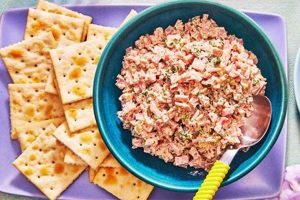
Tip 6: Chilling and Serving: Allowing the salad to chill for at least 30 minutes before serving enhances flavor development and cohesion. Serve on bread, crackers, lettuce cups, or as a stand-alone dish.
Tip 7: Storage: Store leftover turkey salad in an airtight container in the refrigerator for up to 3 days. Consume promptly for optimal quality.
Attention to these details elevates a basic turkey salad into a flavorful and satisfying dish. Experimentation with different ingredients and techniques allows for customization and culinary creativity.
By understanding these fundamental principles, one can consistently achieve excellent results. The following section will conclude with a summary of key takeaways.
1. Ingredients

Ingredient selection significantly impacts the final character of a simple turkey salad. This seemingly straightforward dish relies on a careful balance of components to achieve optimal flavor and texture. The primary ingredientscooked turkey, mayonnaise, and celeryform the foundation, while supplementary ingredients provide opportunities for customization and complexity. For instance, the type of turkey used, whether roasted, smoked, or deli-sliced, influences the baseline flavor profile. Similarly, the choice of mayonnaise, from classic to flavored varieties, contributes to richness and tang. Even celery, while seemingly simple, offers variations in tenderness and flavor depending on freshness and preparation.
Beyond the core components, additions such as onion, grapes, nuts, or dried cranberries introduce nuanced flavors and textures. Sweet grapes can offset the savory turkey and mayonnaise, while toasted pecans or walnuts provide a welcome crunch. The quantity of each ingredient also plays a crucial role. Too much mayonnaise can result in a bland and overly rich salad, while insufficient amounts of aromatics like onion or celery may diminish the overall complexity. Practical application of this understanding allows for adjustments based on individual preferences and dietary needs. For example, substituting Greek yogurt for a portion of the mayonnaise reduces fat content while adding a tangy note. Similarly, incorporating chopped apple instead of grapes provides a different type of sweetness and texture.
Understanding the interplay of ingredients in a simple turkey salad empowers informed choices that elevate the dish beyond the basic. Careful consideration of each component’s contribution to flavor, texture, and overall balance ensures a satisfying culinary experience. This knowledge allows for adaptation and experimentation, resulting in a dish tailored to individual preferences while retaining the essence of a classic simple turkey salad.
2. Preparation

Preparation methods significantly influence the quality and enjoyment of a simple turkey salad. Careful attention to each step, from ingredient handling to combining components, ensures optimal flavor, texture, and overall appeal. Consider the impact of chopping techniques on celery and onion. Uniformly diced pieces distribute flavor evenly throughout the salad and contribute to a pleasing texture. Conversely, roughly chopped pieces can result in an uneven distribution of flavor and a less refined mouthfeel. Similarly, the manner in which the turkey is handled impacts the final product. Shredding the turkey too finely can create a mushy texture, while large chunks may prove unwieldy. Striking a balance between these extremes ensures a pleasant and satisfying consistency. The order of ingredient incorporation also plays a role. Combining the drier ingredients, such as the turkey, celery, and onion, before adding the mayonnaise allows for better distribution of the binding agent and prevents clumping.
Practical examples illustrate the importance of proper preparation. Overmixing the salad can lead to a breakdown of the ingredients, resulting in a less appealing final product. Conversely, insufficient mixing may leave pockets of unseasoned turkey or clumps of mayonnaise. Consider the impact of adding salt and pepper. Seasoning the turkey directly before incorporating it into the salad ensures even distribution of flavor, while seasoning the entire mixture at once risks over-salting or uneven flavoring. These nuances demonstrate that even seemingly simple steps can significantly impact the final result. Understanding these principles allows for proactive adjustments and ensures consistent quality.
Precise preparation techniques elevate the simple turkey salad from a basic combination of ingredients to a carefully crafted dish. Attention to detail in each step, from knife skills to ingredient incorporation, ultimately determines the final quality. This understanding allows for consistent creation of a flavorful, texturally appealing, and satisfying culinary experience. Mastery of these techniques empowers individuals to consistently produce a superior turkey salad.
3. Flavor Balance

Flavor balance is paramount in a simple turkey salad recipe. It differentiates a bland mixture from a nuanced, enjoyable dish. Achieving this balance requires careful consideration of each ingredient’s contribution and how those flavors interact. This section explores the key facets of flavor balance in a simple turkey salad.
- Salt and Acid
Salt enhances inherent flavors while acid provides brightness and cuts through richness. In a turkey salad, the inherent saltiness of the turkey often requires only a light addition of salt. Acid, typically in the form of lemon juice or vinegar, balances the richness of the mayonnaise. For instance, a squeeze of lemon juice brightens the overall flavor profile, preventing the salad from tasting heavy or overly rich. The interplay of salt and acid is crucial for a well-rounded flavor profile.
- Richness and Freshness
Mayonnaise contributes richness and creamy texture, while fresh ingredients like celery and onion provide contrasting crispness and herbaceous notes. The interplay of these elements prevents the salad from becoming overly rich or one-dimensional. Consider the difference between a salad made solely with mayonnaise and turkey versus one that incorporates crunchy celery and pungent red onion. The fresh elements cut through the richness, creating a more complex and satisfying flavor experience.
- Sweetness and Savory
Incorporating sweet elements like grapes or dried cranberries complements the savory notes of the turkey and creates a balanced profile. This interplay offers complexity and prevents the salad from being solely savory. The sweetness of grapes, for example, contrasts with the savory turkey and tangy mayonnaise, creating a multi-dimensional flavor experience. This balance prevents any single flavor from dominating.
- Aromatic Complexity
Ingredients like onion, garlic, or herbs contribute aromatic depth. These elements enhance the overall flavor profile without overpowering the other components. Consider the subtle yet impactful addition of fresh dill or chives. These herbs provide a nuanced aromatic complexity without dominating the flavor profile. This adds depth and interest to the overall experience.
Understanding and applying these principles of flavor balance elevates a simple turkey salad from basic to exceptional. A well-balanced salad engages the palate with contrasting flavors and textures, offering a more satisfying and enjoyable culinary experience. By considering these elements, one can create a turkey salad that is more than the sum of its parts.
4. Texture

Texture plays a crucial role in the overall enjoyment of a simple turkey salad recipe. A successful salad offers a balance of textures, creating a more engaging and satisfying culinary experience. This section explores the various textural elements and their impact on the final product.
- The Foundation: Turkey
The turkey itself provides the textural base. Ideally, the turkey should be moist and tender, not dry or stringy. Achieving this desired texture depends on the cooking method and how the turkey is handled during preparation. Overcooked or improperly shredded turkey can negatively impact the final salad’s texture.
- The Binder: Mayonnaise
Mayonnaise contributes creaminess and binds the ingredients together. The amount of mayonnaise used directly influences the salad’s overall texture. Too much mayonnaise results in a gloppy, heavy texture, while too little can create a dry, crumbly salad. The type of mayonnaise also plays a role; for example, a thicker mayonnaise will yield a denser texture compared to a lighter variety.
- Crispness: Celery and other Vegetables
Celery provides essential crispness and contrasts with the softer textures of the turkey and mayonnaise. Other vegetables, such as diced bell peppers or red onion, can also contribute to textural variation. The size and uniformity of the chop influence the perceived crispness. Finely diced vegetables offer a delicate crunch, while larger pieces provide a more assertive bite.
- Contrasting Elements: Nuts and Seeds
Toasted nuts or seeds, such as pecans, walnuts, or sunflower seeds, introduce a satisfying crunch and textural contrast. These additions provide another layer of complexity, preventing the salad from becoming monotonous. The choice of nut or seed influences the specific type of crunch, from the delicate crunch of sunflower seeds to the more robust crunch of walnuts.
The interplay of these textural elements creates a dynamic and enjoyable eating experience. A well-executed simple turkey salad recipe offers a balance of creamy, crisp, and crunchy textures, ensuring a satisfying and memorable dish. Careful consideration of each ingredient’s textural contribution and how those textures interact is essential for creating a truly successful turkey salad.
5. Serving Options

Serving options significantly enhance the versatility of a simple turkey salad recipe. This adaptability contributes to the dish’s enduring popularity, transforming it from a basic preparation into a customizable meal component. Consider the classic presentation: served on bread as a sandwich or in a croissant for a more refined approach. These options provide a convenient and portable meal, ideal for lunches or quick dinners. Alternatively, using lettuce cups or endive leaves offers a lighter, lower-carbohydrate alternative, catering to dietary preferences. The malleable nature of turkey salad allows it to adapt to various serving vessels, expanding its utility.
Beyond sandwiches and wraps, turkey salad functions effectively as a salad topping or a filling for tomatoes or avocados. These variations introduce textural and flavor contrasts, enriching the dining experience. For instance, a bed of mixed greens topped with turkey salad offers a balanced meal with added nutritional value. Similarly, hollowed-out tomatoes or avocados provide visually appealing and flavorful serving vessels, adding a touch of elegance to a simple dish. These examples illustrate the adaptability of turkey salad, demonstrating its potential beyond traditional sandwich applications. The versatility inherent in this simple recipe allows it to be incorporated into a variety of meal formats.
Understanding the range of serving options maximizes the potential of a simple turkey salad recipe. This adaptability caters to diverse preferences and occasions, solidifying its place as a practical and versatile culinary staple. From casual sandwiches to elegant appetizers, turkey salad’s adaptability ensures its continued relevance in contemporary cuisine. Recognizing these options empowers individuals to incorporate this dish into a broader range of meal plans, increasing its utility and appeal. This understanding promotes culinary creativity and expands the practical applications of a simple, yet versatile, recipe.
Frequently Asked Questions
This section addresses common inquiries regarding the preparation and enjoyment of turkey salad.
Question 1: How long can turkey salad be stored safely?
Prepared turkey salad should be refrigerated in an airtight container and consumed within three to four days for optimal quality and safety.
Question 2: Can one freeze turkey salad?
Freezing is not recommended. Mayonnaise-based salads often separate and become watery upon thawing, compromising texture and flavor.
Question 3: What are suitable alternatives to mayonnaise?
Plain Greek yogurt or avocado can be substituted for a portion of the mayonnaise to reduce fat content or create a different flavor profile. These substitutions may alter the final texture.
Question 4: How can one prevent the salad from becoming watery?
Ensure all ingredients, including the turkey, are thoroughly dried before combining. Draining excess liquid from canned or jarred additions also helps maintain a desirable consistency.
Question 5: What can be added to enhance flavor complexity?
Fresh herbs such as dill, chives, or tarragon, along with spices like paprika or curry powder, can introduce depth of flavor. Incorporating ingredients like chopped apples, grapes, or cranberries introduces sweetness and textural variation.
Question 6: What are some healthy variations?
Substituting Greek yogurt for mayonnaise, increasing the quantity of vegetables, and incorporating lean protein sources like chickpeas or lentils enhance nutritional value. Using whole-grain bread or crackers for serving also contributes to a healthier meal.
Addressing these frequently asked questions provides clarity and facilitates successful turkey salad preparation and enjoyment.
This concludes the FAQ section. The following section will offer a collection of recipe variations.
Simple Turkey Salad Recipe
Exploration of the simple turkey salad recipe reveals a dish adaptable to various tastes and occasions. From ingredient selection and preparation techniques to flavor balancing and serving options, each component contributes to the final product. Understanding the interplay of these elements allows for customization and consistent results. Proper handling of ingredients, including moisture control and achieving textural diversity, ensures a satisfying culinary experience. The inherent versatility of this recipe extends beyond basic sandwiches, encompassing salads, wraps, and creative presentations. This adaptability underscores its continued relevance in modern cuisine.
The enduring appeal of the simple turkey salad recipe lies in its adaptability and potential for culinary creativity. Continued exploration of flavor profiles and ingredient combinations offers opportunities to elevate this classic dish. Attention to detail and a thorough understanding of fundamental principles ensure consistent preparation of a satisfying and enjoyable meal.