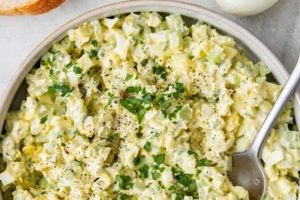
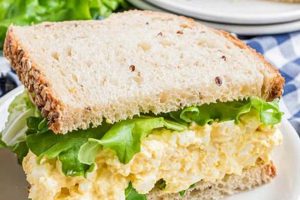
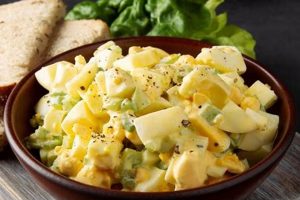
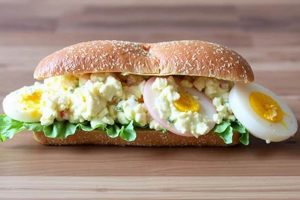
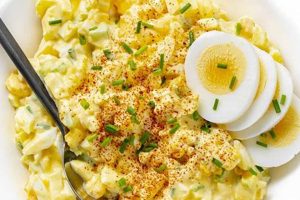
A combination of canned tuna, hard-boiled eggs, and mayonnaise forms the foundation of this classic dish. Often enhanced with celery, onion, relish, and seasonings like salt, pepper, and paprika, variations can include different herbs, spices, and other ingredients like mustard or lemon juice. It’s a versatile dish, served cold in sandwiches, on crackers, lettuce wraps, or as a salad topping.
This simple dish offers a convenient and affordable source of protein and omega-3 fatty acids from the tuna. Eggs contribute additional protein and essential nutrients. Its adaptability makes it a practical meal option for lunch, a light dinner, or a quick snack. Historically, canned tuna became popular in the early 20th century, and combining it with readily available ingredients like eggs and mayonnaise quickly established this dish as a household staple. Its enduring popularity stems from its ease of preparation, nutritional value, and customizable nature.
This exploration will delve further into variations of this dish, including specific recipes, nutritional information, tips for preparation, and creative serving suggestions.
Tips for Elevated Tuna Salad
Achieving optimal flavor and texture requires attention to detail. These tips offer guidance for creating a superior culinary experience.
Tip 1: Quality Ingredients Matter: Opt for high-quality canned tuna packed in water or oil, depending on preference. Freshly squeezed lemon juice enhances brightness, while farm-fresh eggs contribute richer flavor.
Tip 2: Mindful Tuna Preparation: Drain the tuna thoroughly to avoid excess liquid, but avoid over-squeezing, which can result in a dry texture. Flake the tuna into consistent pieces for even distribution.
Tip 3: Perfect Egg Cooking: Achieving perfectly cooked hard-boiled eggs is crucial. Overcooked yolks become dry and crumbly. Aim for a firm, yet creamy yolk by employing proper boiling techniques and immediate ice baths.
Tip 4: Balancing Flavors: The mayonnaise serves as the binder and primary flavor base. Experiment with different types of mayonnaise or incorporate plain Greek yogurt for a lighter, tangier twist. A touch of Dijon mustard adds complexity.
Tip 5: Enhancing Texture and Flavor: Finely diced celery and red onion offer a satisfying crunch and sharpness. Consider incorporating chopped pickles, capers, or fresh herbs like dill or parsley for additional depth of flavor.
Tip 6: Seasoning Strategically: Freshly ground black pepper, a pinch of paprika, and a touch of sea salt are essential seasonings. Exercise restraint to allow the natural flavors of the ingredients to shine. Adjust seasonings according to personal preference.
Tip 7: Chilling for Optimal Enjoyment: Allowing the prepared salad to chill in the refrigerator for at least 30 minutes allows the flavors to meld and enhances the overall experience.
By adhering to these guidelines, one can elevate a simple tuna salad to a truly satisfying culinary creation.
These preparation strategies provide a foundation for crafting a delightful and versatile dish. The following section offers serving suggestions and creative variations.
1. Ingredients
Ingredient selection significantly impacts the final flavor, texture, and nutritional value of tuna salad with egg. Understanding the role of each component allows for informed choices and recipe customization.
- Tuna:
The foundation of this dish, tuna contributes protein and omega-3 fatty acids. Options include tuna packed in water or oil, each offering distinct flavor profiles and textures. Water-packed tuna offers a leaner option, while oil-packed tuna provides a richer flavor. Sustainable sourcing is a key consideration for environmentally conscious consumers.
- Eggs:
Hard-boiled eggs provide protein, richness, and textural contrast. Proper cooking ensures a creamy yolk and firm white, avoiding dryness or rubberiness. Free-range or organic eggs may offer enhanced flavor and nutritional benefits.
- Mayonnaise:
This ingredient binds the salad and adds creaminess and tang. Different types of mayonnaise, such as those made with olive oil or avocado oil, offer flavor variations. Quantity adjustments control the overall richness and moisture content of the salad.
- Flavor Enhancers:
These ingredients contribute complexity and personalize the salad. Common additions include diced celery, red onion, chopped pickles, fresh herbs (dill, parsley), or spices (paprika, black pepper). These elements introduce textural nuances and aromatic dimensions. The choice of these additions can significantly alter the final taste profile, from a classic dill-infused salad to a spicy, paprika-forward version.
The interplay of these ingredients defines the character of the tuna salad. Careful selection and balanced proportions result in a harmonious blend of flavors and textures, showcasing the adaptability and potential of this classic dish.
2. Preparation Method
Preparation methods significantly influence the final quality of tuna salad with egg. Careful execution of each step ensures optimal flavor, texture, and food safety. The process involves several key stages.
Initial Steps: The process begins with ingredient preparation. Hard-boiled eggs require precise timing to achieve the desired yolk consistency. Overcooking results in dry, crumbly yolks, while undercooking leads to a runny texture. Draining the tuna effectively removes excess liquid, preventing a watery salad while retaining sufficient moisture for palatability. Chopping supplementary ingredients, such as celery and onion, into uniform pieces ensures even distribution and consistent texture throughout the salad. For instance, finely diced celery provides a delicate crunch, while larger pieces offer a more substantial bite.
Combining Ingredients: Gently folding the ingredients together prevents overmixing, which can break down the tuna and create a mushy texture. The order of addition can also impact the final result. Incorporating dry seasonings after the wet ingredients ensures even distribution and prevents clumping. For example, adding salt and pepper after combining the tuna, eggs, and mayonnaise prevents localized over-seasoning.
Chilling and Serving: Chilling the prepared salad allows the flavors to meld. A minimum of 30 minutes in the refrigerator enhances the overall experience. Serving the salad chilled maintains its freshness and optimizes flavor perception. Different serving methods, such as open-faced sandwiches or lettuce wraps, complement the salad’s texture and flavor profile.
Understanding the nuances of each preparation step, from ingredient handling to chilling and serving, allows for consistent creation of high-quality tuna salad with egg. These methodical approaches optimize both taste and texture, contributing to a more enjoyable culinary experience. Neglecting these details can result in suboptimal outcomes, highlighting the critical role of preparation in achieving desired results.
3. Flavor Balance

Flavor balance is paramount in a successful tuna salad recipe. It involves the harmonious interplay of savory, acidic, creamy, and textural elements. Achieving this balance elevates the dish from simple to exceptional.
- Savory Foundation:
The inherent savory notes of tuna form the base of the flavor profile. High-quality tuna, packed in oil or water, establishes this foundation. Additions like Dijon mustard or Worcestershire sauce can further enhance the savory dimension, adding depth and complexity. The type of tuna selected significantly impacts the overall savory character of the salad.
- Acidity as a Brightener:
Acidity plays a crucial role in cutting through the richness of the mayonnaise and enhancing the other flavors. Lemon juice or vinegar introduce brightness and prevent the salad from becoming overly heavy. A touch of pickle relish can also contribute acidity, while simultaneously adding a sweet and tangy element. The level of acidity should be carefully calibrated to complement, not overpower, the other components.
- Creamy Texture and Mouthfeel:
Mayonnaise contributes the creamy texture characteristic of tuna salad. The quality and type of mayonnaise influence the overall richness and mouthfeel. Greek yogurt offers a lighter alternative, providing creaminess with a tangy twist. Avocado can also be incorporated for a healthy dose of creaminess and a subtle, buttery flavor. The choice of creamy element directly affects the perceived richness and overall enjoyment of the salad.
- Textural Contrast:
Textural contrast adds another layer of complexity. Finely diced celery and red onion provide a refreshing crunch, while chopped nuts or seeds introduce a satisfying chewiness. These textural variations prevent the salad from becoming monotonous, creating a more engaging sensory experience. The interplay of creamy and crunchy elements elevates the overall enjoyment of the dish.
The careful balancing of these flavor and textural elements is essential in crafting a truly satisfying tuna salad. The interplay of savory, acidic, creamy, and crunchy components creates a harmonious whole, demonstrating the importance of flavor balance in this classic dish. Achieving this balance ensures that no single element dominates, allowing the full complexity of flavors to shine through.
4. Texture

Texture plays a critical role in the overall enjoyment of tuna salad with egg. It represents the interplay of various consistencies, contributing to a more engaging sensory experience. This aspect often distinguishes a mediocre rendition from a truly satisfying one.
Several factors influence the final texture. The coarseness of the tuna flakes contributes significantly. Over-processed tuna can result in a mushy consistency, while larger, intact flakes offer a more substantial bite. Similarly, the consistency of hard-boiled eggs, ranging from firm to crumbly, impacts the overall texture. Dry, overcooked yolks detract from the desired creaminess. Inclusions, such as diced celery, onion, or pickles, introduce contrasting crunchy elements. These additions provide textural variety, preventing a uniform, monotonous mouthfeel. The size of these inclusions further modulates the textural experience. Finely diced ingredients offer a delicate crunch, while larger pieces provide a more assertive bite. The quantity of mayonnaise or alternative binding agents also impacts texture. Excessive mayonnaise leads to a gloppy consistency, while insufficient amounts result in a dry, crumbly salad.
Consider the difference between a tuna salad composed of finely minced ingredients bound with an abundance of mayonnaise, resulting in a smooth, almost paste-like consistency, and one with coarsely chopped ingredients and a lighter hand with the mayonnaise, yielding a chunkier, more textured experience. These textural variations cater to different preferences, highlighting the importance of understanding how ingredient preparation and proportions affect the final product. Mastering textural balance elevates tuna salad from a simple dish to a more nuanced culinary creation. Achieving the desired texture requires careful consideration of ingredient characteristics, preparation methods, and proportional balance. This understanding enables the creation of tuna salad tailored to specific preferences, maximizing enjoyment and culinary satisfaction.
5. Serving Suggestions

Serving suggestions are integral to the overall appreciation of tuna salad with egg, extending beyond mere presentation to encompass flavor pairings, textural contrasts, and dining experience enhancement. The choice of serving method significantly influences how the flavors and textures of the salad are perceived. A classic presentation involves serving the tuna salad between slices of bread as a sandwich. The bread’s neutral flavor provides a backdrop for the salad, while its soft texture complements the creamy, often chunky filling. Crusty bread offers textural contrast, while softer varieties create a more harmonious blend. This familiar format offers convenience and portability.
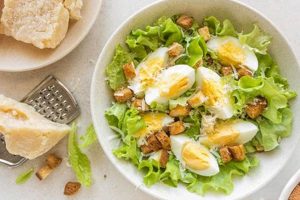
Beyond the traditional sandwich, numerous alternative serving suggestions exist. Serving the tuna salad atop a bed of crisp lettuce offers a lighter, refreshing alternative. The lettuce’s crispness contrasts with the creamy salad, adding a textural dimension. Crackers or crudits provide another option, their crunchy texture playing against the salad’s creaminess. For a more substantial meal, tuna salad can be incorporated into a larger salad composed of mixed greens, vegetables, and a vinaigrette. The salad provides a canvas for the tuna salad, its flavors integrating with the other components. Scooping tuna salad into avocado halves provides a visually appealing and nutritionally dense option. The avocado’s creamy texture and mild flavor complement the tuna salad. These examples demonstrate how serving suggestions transform tuna salad with egg from a simple mixture into a versatile component of various dishes, each offering a unique culinary experience.
Appropriate serving suggestions elevate the perceived value and enjoyment of this versatile dish. Consideration of flavor pairings, textural contrasts, and presentation aesthetics contributes significantly to a more satisfying culinary experience. From the simplicity of a sandwich to the elegance of an avocado-stuffed presentation, understanding the impact of serving suggestions unlocks the full potential of tuna salad with egg. This understanding allows adaptation to various dietary preferences and occasions, further enhancing the dish’s enduring appeal.
6. Nutritional Value
Nutritional value represents a significant aspect of recipes featuring tuna salad with egg. This dish offers a readily available source of protein, essential fatty acids, vitamins, and minerals. Protein content derives primarily from tuna and eggs, contributing to satiety and supporting muscle maintenance and growth. Tuna provides omega-3 fatty acids, specifically EPA and DHA, known for their cardiovascular and cognitive benefits. Eggs offer essential vitamins and minerals, including vitamin D, vitamin B12, and choline. However, variations in ingredient choices and preparation methods can influence the overall nutritional profile. For instance, mayonnaise, while contributing flavor and texture, also adds fat and calories. Using low-fat mayonnaise or plain Greek yogurt as alternatives can reduce overall fat and calorie content without sacrificing creaminess. Similarly, incorporating nutrient-rich additions, such as chopped vegetables like celery and bell peppers, enhances vitamin and mineral content, further boosting the nutritional value. Understanding these nutritional components allows for informed choices regarding ingredient selection and portion sizes, enabling alignment with individual dietary needs and health goals.
The nutritional density of tuna salad with egg makes it a suitable component of various dietary plans. Its protein content contributes to muscle building and repair, making it a viable option for those following higher-protein diets. The omega-3 fatty acids support cardiovascular health and cognitive function. Inclusion of vegetables adds dietary fiber, aiding digestion and promoting satiety. However, individuals managing sodium intake should be mindful of the sodium content in canned tuna, opting for low-sodium varieties when possible. Monitoring portion sizes helps manage overall calorie intake, aligning consumption with individual energy requirements. Considering these factors allows for informed integration of tuna salad with egg into diverse dietary strategies, maximizing its nutritional benefits while addressing individual dietary restrictions or preferences.
Nutritional awareness elevates the perception of tuna salad with egg from a simple convenience food to a nutritionally valuable meal component. Understanding its macronutrient and micronutrient composition allows for strategic ingredient choices and portion control, optimizing its health benefits. Recognizing potential variations in nutritional content based on preparation methods empowers individuals to tailor the recipe to specific dietary needs and health objectives. This informed approach transforms the consumption experience, emphasizing not only enjoyment but also nutritional value and its impact on overall well-being.
Frequently Asked Questions
This section addresses common inquiries regarding tuna salad with egg, offering concise and informative responses.
Question 1: What type of tuna is best suited for tuna salad?
Canned tuna packed in either water or oil is suitable. Water-packed tuna offers a leaner option, while oil-packed tuna provides a richer flavor. Albacore tuna generally has a milder flavor compared to skipjack or yellowfin.
Question 2: How can dryness be prevented in tuna salad?
Avoid over-draining the tuna. Retaining some of the packing liquid or adding a small amount of mayonnaise or plain yogurt helps maintain moisture. Overmixing can also contribute to dryness, so combine ingredients gently.
Question 3: What are healthy alternatives to mayonnaise?
Plain Greek yogurt or mashed avocado offer healthier alternatives to mayonnaise, reducing fat and calorie content while adding creaminess and flavor.
Question 4: How long can tuna salad be stored in the refrigerator?
Tuna salad should be stored in an airtight container in the refrigerator for no more than 3-5 days. Spoilage signs include a sour odor or discoloration.
Question 5: Can tuna salad be frozen?
Freezing tuna salad is not recommended. Freezing alters the texture of the mayonnaise and eggs, resulting in a less desirable consistency upon thawing.
Question 6: How can sodium content be reduced in tuna salad?
Opt for low-sodium canned tuna. Rinsing the tuna under cold water can also help reduce sodium content. Minimize added salt during preparation and rely on other seasonings for flavor.
Understanding these frequently asked questions empowers informed choices regarding ingredient selection, preparation methods, and storage, ultimately contributing to a safer and more satisfying culinary experience.
The following section provides a curated selection of tuna salad recipes, ranging from classic variations to innovative interpretations.
Conclusion
Exploration of tuna salad with egg reveals a dish offering both simplicity and culinary depth. Careful ingredient selection, precise preparation techniques, and attention to flavor balance elevate this classic combination beyond mere convenience food. From the selection of high-quality tuna and perfectly cooked eggs to the nuanced interplay of savory, acidic, and creamy elements, each component contributes to the final sensory experience. Textural considerations, ranging from the coarseness of tuna flakes to the crunch of added vegetables, further enhance enjoyment. Serving suggestions, extending beyond the traditional sandwich to encompass innovative presentations, showcase the dish’s versatility. Nutritional analysis highlights the dish’s protein content, essential fatty acids, vitamins, and minerals, while acknowledging variations based on ingredient choices and preparation methods.
Tuna salad with egg stands as a testament to the potential for culinary artistry within seemingly simple dishes. Its enduring popularity reflects its adaptability, nutritional value, and capacity for customization. Further exploration of flavor profiles, ingredient combinations, and presentation styles promises continued evolution and enjoyment of this timeless classic. Culinary experimentation and personalized adaptations ensure that tuna salad with egg remains a relevant and satisfying dish for generations to come.