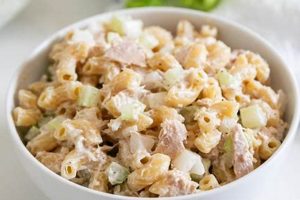
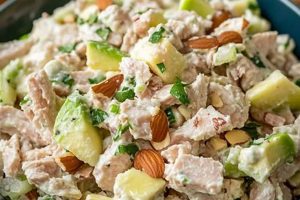
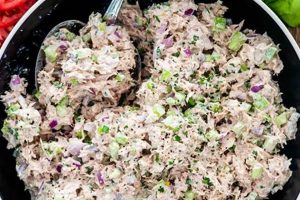
A classic dish found throughout the southeastern United States typically features canned tuna, mayonnaise, celery, onion, and sweet pickle relish. Variations often include hard-boiled eggs, pimentos, or Dijon mustard. It is served chilled, commonly as a sandwich filling, a salad plate component, or a cracker topping.
This simple yet satisfying dish represents an economical and accessible meal option. Its popularity stems from the affordability of canned tuna and the ease of preparation, making it a practical choice for quick lunches, picnics, and potlucks. Regional variations reflect local tastes and available ingredients, adding depth to the culinary landscape. The dish often evokes a sense of nostalgia, connecting individuals to family traditions and shared culinary experiences.
This exploration will delve further into regional variations, ingredient substitutions for dietary restrictions, and creative serving suggestions to elevate this staple dish beyond the ordinary.
Tips for an Elevated Tuna Salad
These tips offer guidance on enhancing the flavor and presentation of this classic dish.
Tip 1: Tuna Selection: Opt for high-quality, solid white albacore tuna packed in water for the best flavor and texture. Oil-packed tuna can be used, but its stronger flavor may overpower the other ingredients.
Tip 2: Mayonnaise Matters: Use a good quality mayonnaise. Experimenting with different brands can subtly alter the final taste. Adding a touch of Dijon mustard or a squeeze of lemon juice enhances the richness of the mayonnaise.
Tip 3: Fresh Ingredients: Finely dice celery and onion for a pleasing texture. Soaking the diced onion in ice water for a few minutes can mellow its sharpness.
Tip 4: Pickle Perfection: Sweet pickle relish provides the characteristic tang. Bread and butter pickles offer a sweeter alternative, while dill pickle relish adds a briny note.
Tip 5: Egg-cellent Addition: Hard-boiled eggs contribute richness and creaminess. Mashing the yolks separately and then incorporating them into the salad creates a smoother texture.
Tip 6: Seasoning Secrets: Salt and freshly ground black pepper are essential. A dash of paprika or cayenne pepper adds a touch of complexity.
Tip 7: Chilling Time: Allow the salad to chill for at least 30 minutes before serving. This allows the flavors to meld and the salad to firm up.
By employing these tips, one can transform a simple tuna salad into a truly memorable dish. Attention to detail, from ingredient selection to chilling time, elevates the final product.
The following section will explore various serving suggestions and recipe variations to inspire creativity in the kitchen.
1. Fresh Ingredients

The quality of a southern tuna salad hinges directly on the freshness of its components. While canned tuna forms the base, the supporting ingredients contribute significantly to the overall flavor and texture. Fresh celery provides a crisp counterpoint to the richness of the mayonnaise and tuna. Its subtle vegetal notes enhance the overall complexity. Likewise, a freshly diced onion, preferably a sweet variety like Vidalia, adds a pungent bite without overpowering the delicate balance. Wilted or aged produce detracts significantly, resulting in a bland and less appealing final product. The difference between a salad made with crisp, recently purchased ingredients and one made with older produce is readily discernible.
Consider the impact of fresh herbs. A sprinkle of chopped fresh dill or parsley elevates the salad, introducing bright, herbaceous notes. Similarly, freshly squeezed lemon juice adds a vibrant acidity that balances the richness of the mayonnaise and tuna. These nuances are lost when using dried herbs or bottled lemon juice. The emphasis on fresh ingredients underscores the importance of seasonality and mindful ingredient selection in achieving the desired flavor profile. Opting for locally sourced, in-season produce whenever possible maximizes flavor and supports regional agriculture.
Ultimately, the use of fresh ingredients elevates the southern tuna salad from a simple combination of pantry staples to a vibrant, flavorful dish. The crispness of the vegetables, the brightness of the herbs, and the tang of fresh citrus create a symphony of textures and tastes that highlight the quality of each component. This commitment to freshness distinguishes an exceptional tuna salad from a mediocre one. Neglecting this crucial aspect compromises the integrity and enjoyment of this classic southern dish.
2. Balanced Flavors
A defining characteristic of a successful southern tuna salad recipe lies in the careful balance of its flavors. This equilibrium prevents any single ingredient from dominating, resulting in a harmonious and nuanced taste experience. Achieving this balance requires attention to the interplay of savory, acidic, sweet, and textural elements.
- Savory Foundation:
The tuna itself provides the savory base. High-quality tuna, preferably packed in water, offers a clean flavor that allows other ingredients to shine. Overly oily tuna can overwhelm the delicate balance, making it difficult to achieve the desired complexity. The savory element establishes a foundation upon which the other flavors build, creating a cohesive overall taste.
- Acidity as a Brightener:
Acidity plays a crucial role in cutting through the richness of the mayonnaise and tuna. Ingredients like sweet pickle relish, dill pickle relish, or a squeeze of lemon juice contribute brightness and prevent the salad from becoming overly heavy. This acidity enhances the other flavors, making them more pronounced and preventing the salad from tasting bland. The precise type of acid used contributes to the overall flavor profile, whether it’s the tangy sweetness of pickle relish or the zesty brightness of lemon juice.
- Sweetness as a Complement:
A touch of sweetness balances the savory and acidic components. Sweet pickle relish typically provides this sweetness, but a finely diced red onion or a dash of sugar can also contribute. This subtle sweetness rounds out the flavor profile, adding depth and preventing the acidity from becoming too sharp. The level of sweetness needs careful consideration, as too much can make the salad cloying.
- Textural Contrast:
Texture contributes significantly to the overall enjoyment of the salad. The creamy mayonnaise provides a smooth base, while finely diced celery and onion offer a satisfying crunch. Hard-boiled eggs, if included, introduce a different textural element, further enhancing the eating experience. This interplay of textures prevents the salad from becoming monotonous, adding another layer of complexity and interest.
The interplay of these four elementssavory, acidic, sweet, and texturaldefines a well-balanced southern tuna salad. The careful orchestration of these flavors ensures a delicious and satisfying culinary experience. Each bite offers a complex yet harmonious blend of tastes and textures, making this simple dish a true southern classic.
3. Proper Chilling

Proper chilling is integral to a successful southern tuna salad recipe, impacting both food safety and flavor development. Chilling inhibits bacterial growth, a critical consideration with mayonnaise-based dishes. Beyond safety, chilling allows the flavors of the various ingredientstuna, mayonnaise, celery, onion, and seasoningsto meld and deepen. This fusion creates a more cohesive and complex flavor profile than a freshly made, unchilled salad can offer. For example, the sharpness of raw onion mellows during chilling, integrating more harmoniously with the other ingredients. The chilling process also firms the texture of the salad, making it easier to handle and spread for sandwiches or to shape for serving on crackers or lettuce cups.
The ideal chilling time for southern tuna salad is at least 30 minutes, preferably longer. This duration allows sufficient time for flavor development and ensures a safe serving temperature. While overnight chilling is acceptable, extending beyond 24 hours may lead to textural changes as the vegetables release moisture and the mayonnaise absorbs it. Practical applications of this understanding include preparing the salad the day before a picnic or potluck, allowing ample chilling time without compromising quality. It also emphasizes the importance of refrigerating leftovers promptly to maintain both flavor and safety.
In conclusion, proper chilling is not merely a procedural step but a critical element contributing to both the safety and the sensory experience of southern tuna salad. Balancing adequate chilling time with optimal texture preservation underscores the nuanced approach required for achieving the best possible outcome. Understanding this balance allows for informed decisions regarding preparation timing and storage practices, ultimately enhancing the enjoyment of this classic dish.
4. Creative Serving
Serving southern tuna salad creatively elevates this simple dish beyond its everyday status. Presentation contributes significantly to the dining experience, transforming a basic meal into something more visually appealing and engaging. Exploration of different serving methods demonstrates the versatility of this classic southern staple, offering fresh perspectives on its potential.
- Beyond the Sandwich:
While the tuna salad sandwich remains a beloved classic, venturing beyond sliced bread expands culinary horizons. Lettuce wraps provide a lighter, low-carb alternative. Utilizing crisp romaine or butter lettuce leaves adds a refreshing crunch and reduces the overall calorie count. Scooping the tuna salad into endive leaves or bell pepper halves offers another visually appealing and healthy option.
- Appetizer Elegance:
Tuna salad readily transforms into elegant appetizers. Served atop crackers, cucumber rounds, or miniature toasts, it becomes a sophisticated finger food suitable for parties or gatherings. Garnishing with fresh herbs, a sprinkle of paprika, or a drizzle of balsamic glaze elevates the presentation further.
- Salad Integration:
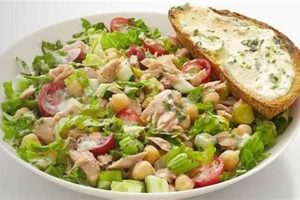
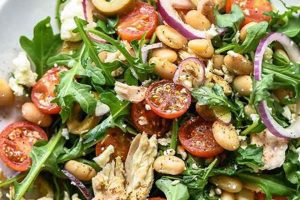
Incorporating tuna salad into a larger salad composition adds protein and flavor. A bed of mixed greens topped with tuna salad, cherry tomatoes, cucumbers, and a light vinaigrette creates a complete and satisfying meal. This approach offers a lighter and more nutrient-rich alternative to traditional sandwich presentations.
- Stuffed Delights:
Hollowed-out tomatoes or avocados provide edible vessels for tuna salad, creating visually striking and flavorful dishes. These stuffed creations can be served as a light lunch, a side dish, or a component of a larger buffet spread. The natural flavors of the tomato or avocado complement the tuna salad beautifully.
These creative serving suggestions demonstrate the adaptability of southern tuna salad. By moving beyond the traditional sandwich, the dish gains newfound versatility, suitable for various occasions and culinary preferences. Such innovative presentation not only enhances the visual appeal but also invites exploration of different flavor combinations and textures, ultimately enriching the dining experience.
5. Regional Variations
Regional variations within southern tuna salad recipes reflect diverse culinary traditions and locally available ingredients across the southeastern United States. These variations offer a glimpse into the unique cultural influences shaping this seemingly simple dish, transforming it from a basic staple into a reflection of local tastes. For example, coastal communities might incorporate shrimp or crab, reflecting the abundance of seafood. Inland areas may utilize pecans or walnuts, showcasing readily available nuts. The use of pimentos, a staple in some regions, adds a touch of sweetness and color, while the addition of hard-boiled eggs enriches the salad with protein and creaminess. These variations are not merely substitutions but intentional additions that speak to the specific culinary heritage of each locality.
Understanding these regional variations provides valuable insight into the dynamic nature of southern cuisine. A recipe from Louisiana might feature Creole mustard and a touch of cayenne pepper, reflecting the state’s rich culinary heritage. A North Carolina variation might include chopped apples or grapes, adding a contrasting sweetness and texture. These localized adaptations demonstrate the resourcefulness of southern cooks and their ability to incorporate seasonal ingredients. Studying these differences unveils a complex tapestry of culinary influences, reflecting the historical, geographical, and cultural nuances of each region. This understanding enriches the appreciation of southern cuisine as a whole, highlighting its adaptability and diversity.
Appreciating regional variations allows for a deeper understanding of southern tuna salad’s evolution and its continued relevance within the broader culinary landscape. It underscores the importance of local ingredients, cultural influences, and individual preferences in shaping culinary traditions. Recognizing these nuances allows one to move beyond a generic understanding of the dish and appreciate the rich tapestry of flavors and techniques that define southern cooking. This awareness enhances culinary experiences and promotes a deeper connection to the cultural heritage embodied in each regional variation.
Frequently Asked Questions
This section addresses common inquiries regarding southern tuna salad recipes, offering practical guidance and clarifying potential points of confusion.
Question 1: What type of tuna is best suited for southern tuna salad?
Solid white albacore tuna packed in water generally yields the best results, offering a clean flavor and firm texture. While tuna packed in oil is acceptable, its stronger flavor may overpower the other ingredients.
Question 2: How can the sharpness of raw onion be mitigated?
Soaking finely diced onion in ice water for 10-15 minutes mellows its pungency without sacrificing its textural contribution.
Question 3: What role does pickle relish play in southern tuna salad?
Sweet pickle relish contributes the characteristic tangy sweetness that balances the richness of the mayonnaise and tuna. Dill pickle relish offers a brinier alternative, while bread and butter pickles provide a sweeter profile.
Question 4: How long should tuna salad be chilled before serving?
Chilling for at least 30 minutes allows flavors to meld and enhances food safety. While overnight chilling is acceptable, exceeding 24 hours can negatively impact texture.
Question 5: Beyond sandwiches, what are some creative serving suggestions?
Tuna salad lends itself to various presentations, including lettuce wraps, stuffed tomatoes or avocados, cracker toppings, and additions to mixed green salads.
Question 6: What distinguishes southern tuna salad from other regional variations?
Southern tuna salad often incorporates ingredients like pimentos, hard-boiled eggs, and sweet pickle relish, reflecting regional preferences and culinary traditions. Variations also exist within the South itself, influenced by local ingredients and cultural influences.
Understanding these key aspects ensures successful preparation and enjoyment of this classic southern dish.
For further culinary exploration, the following section will delve into variations and adaptations of the classic recipe.
Conclusion
This exploration of the southern tuna salad recipe has delved into its essential components, highlighting the importance of fresh ingredients, balanced flavors, proper chilling techniques, and creative serving suggestions. Regional variations underscore the dish’s adaptability and cultural significance within the broader context of southern cuisine. From ingredient selection to presentation, each aspect contributes to the overall culinary experience.
The enduring appeal of this seemingly simple dish lies in its versatility and capacity for personalization. Whether enjoyed as a quick lunch, a picnic staple, or an elegant appetizer, the southern tuna salad recipe offers a timeless culinary canvas upon which individual creativity and regional traditions converge. Continued exploration of variations and adaptations promises to further enrich this enduring culinary legacy.