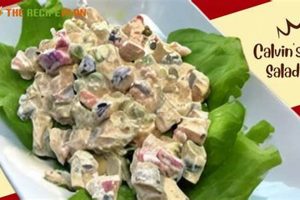
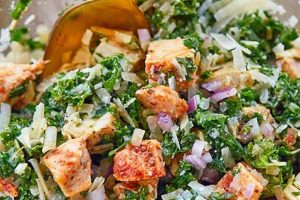
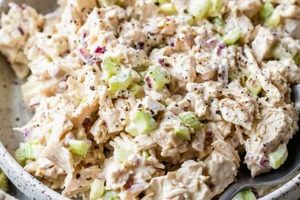
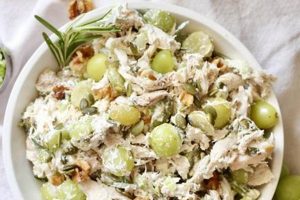
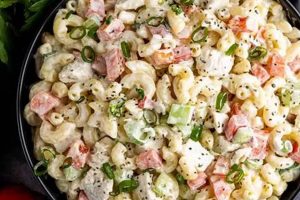
Chicken salad, a classic dish, can be adapted into a nutritious and satisfying meal that supports weight management goals. Variations emphasizing lean protein, healthy fats, and fresh produce offer a flavorful alternative to traditional mayonnaise-heavy recipes. For example, substituting Greek yogurt for mayonnaise, incorporating whole grains like quinoa or farro, and adding a variety of vegetables increases fiber and micronutrient content while keeping calories in check.
The focus on whole foods and controlled portions makes these recipes ideal for those seeking balanced nutrition while managing their weight. Historically, chicken salad has been a convenient and versatile dish, but modern adaptations prioritize health-conscious ingredients and preparation methods. This shift reflects a broader dietary trend towards lighter, nutrient-rich meals that support overall well-being.
Exploring specific ingredient combinations, preparation techniques, and portion control strategies can further enhance the efficacy of chicken salad as a component of a weight-loss plan. Considerations such as sodium content, added sugars, and the balance of macronutrients are also key factors in developing truly beneficial recipes.
Tips for Creating Healthy Chicken Salad for Weight Loss
The following tips offer guidance on preparing chicken salad that aligns with weight management goals. Each suggestion emphasizes nutritional value and portion control.
Tip 1: Prioritize lean protein. Opt for chicken breast and remove skin to minimize fat content. Grilling, baking, or poaching are preferable to frying.
Tip 2: Rethink the binder. Instead of relying solely on mayonnaise, consider alternatives like Greek yogurt, avocado, or hummus. These options contribute healthy fats and creaminess while reducing overall calories and saturated fat.
Tip 3: Embrace whole grains. Incorporate cooked quinoa, farro, or brown rice for added fiber and nutrients. This boosts satiety and provides sustained energy.
Tip 4: Maximize vegetable content. Chopped celery, bell peppers, onions, and leafy greens add volume, flavor, and essential vitamins and minerals without significantly increasing calories.
Tip 5: Control portions. Pre-portioning individual servings helps manage calorie intake effectively.
Tip 6: Season strategically. Fresh herbs, spices, and a touch of lemon juice or vinegar enhance flavor without the need for excessive salt or sugar.
Tip 7: Choose healthy fats. Nuts, seeds, and avocado provide healthy fats and add satisfying texture and flavor in moderation.
By following these guidelines, individuals can create a delicious and nutritious chicken salad that supports their weight-loss journey. These modifications offer a flavorful and satisfying alternative to traditional recipes while prioritizing nutritional value and portion control.
Incorporating these strategies into meal planning can contribute to long-term weight management success and overall well-being.
1. Lean Protein Source

Lean protein sources are fundamental to healthy chicken salad recipes designed for weight loss. Protein promotes satiety, helping individuals feel fuller for longer and reducing overall calorie intake. It also plays a crucial role in preserving lean muscle mass during periods of caloric restriction, which is essential for maintaining a healthy metabolism. Chicken breast, a quintessential lean protein, provides a substantial amount of protein with minimal fat and calories. This makes it an ideal base for weight-loss-friendly chicken salads. Replacing higher-fat protein sources, such as fried chicken or chicken thighs, with grilled or poached chicken breast significantly reduces the overall calorie and fat content of the salad, contributing directly to weight management efforts.
The impact of choosing a lean protein source extends beyond simple calorie reduction. Protein requires more energy to digest than carbohydrates or fats, leading to a higher thermic effect of food. This means the body burns more calories processing protein, further contributing to weight loss. Additionally, adequate protein intake supports muscle repair and growth, which is particularly important for individuals combining dietary changes with exercise as part of their weight-loss strategy. For instance, a chicken salad featuring grilled chicken breast, mixed greens, and a light vinaigrette offers a far more conducive nutritional profile for weight loss than a salad with fried chicken, creamy dressing, and croutons.
In summary, prioritizing lean protein sources, such as chicken breast, in chicken salad recipes is essential for successful weight management. The benefits include increased satiety, preservation of lean muscle mass, a higher thermic effect, and support for muscle repair and growth. Understanding the role of lean protein allows individuals to make informed choices when preparing meals that align with their weight-loss objectives. This focus on lean protein contributes significantly to the overall efficacy of a weight-loss dietary plan.
2. Reduced-Fat Ingredients
Reduced-fat ingredients play a crucial role in creating chicken salads conducive to weight loss. Calorie control is a fundamental aspect of weight management, and opting for lower-fat alternatives can significantly reduce the overall caloric density of a meal. Traditional chicken salad recipes often rely heavily on mayonnaise, which is high in saturated fat and calories. Substituting lower-fat options, such as Greek yogurt, plain nonfat yogurt, or avocado, can dramatically decrease the fat and calorie content without sacrificing flavor or creaminess. For example, replacing one cup of mayonnaise with one cup of plain nonfat Greek yogurt can save approximately 1,000 calories and 110 grams of fat. This substitution contributes directly to a calorie deficit, which is essential for weight loss. Furthermore, reducing saturated fat intake has positive implications for cardiovascular health.
The impact of reduced-fat ingredients extends beyond simple calorie reduction. Lower-fat versions of traditional ingredients often contain higher amounts of protein and beneficial nutrients. Greek yogurt, for instance, is a rich source of protein, calcium, and probiotics, which support gut health. Incorporating such ingredients adds nutritional value to the chicken salad, making it a more balanced and healthful meal. Furthermore, the lower fat content often allows for the inclusion of other beneficial ingredients, such as additional vegetables or fruits, without significantly increasing the overall calorie count. This versatility enables the creation of diverse and satisfying chicken salads that support weight loss goals without compromising on taste or nutrition. A chicken salad made with Greek yogurt, grapes, and walnuts offers a more balanced nutritional profile compared to one made with mayonnaise, bacon, and cheese.
In summary, utilizing reduced-fat ingredients in chicken salad represents a practical and effective strategy for weight management. This approach not only reduces overall calorie and saturated fat intake but also provides opportunities to enhance the nutritional value of the meal. Understanding the impact of these ingredient choices empowers individuals to create healthier versions of classic dishes that align with their weight-loss objectives. This focus on reduced-fat alternatives contributes significantly to a sustainable and healthful approach to weight loss, promoting both short-term and long-term well-being.
3. High Fiber Additions

High-fiber additions are integral to healthy chicken salad recipes designed for weight loss. Fiber, a type of carbohydrate that the body cannot digest, contributes significantly to satiety and digestive health. Increased fiber intake promotes feelings of fullness, reducing the likelihood of overeating and supporting calorie control efforts. This mechanism plays a crucial role in weight management by helping individuals maintain a calorie deficit. Additionally, fiber aids in regulating blood sugar levels, preventing spikes and crashes that can lead to increased hunger and cravings. This stabilizing effect further supports weight loss by reducing the urge to consume excess calories. Incorporating high-fiber ingredients into chicken salad adds bulk and texture without contributing significantly to the overall calorie count. Examples include chopped vegetables like celery, carrots, and bell peppers, as well as legumes like chickpeas or black beans. Adding a handful of chopped almonds or walnuts not only provides healthy fats but also contributes to the fiber content. These additions transform a simple chicken salad into a nutrient-rich meal that supports weight loss goals.
The impact of high-fiber additions extends beyond satiety and blood sugar regulation. Fiber promotes healthy digestion by adding bulk to the stool, preventing constipation and supporting regular bowel movements. A healthy digestive system contributes to overall well-being and can indirectly support weight management. Furthermore, certain types of fiber, such as soluble fiber found in oats and apples, can help lower cholesterol levels, contributing to cardiovascular health. This added benefit makes high-fiber chicken salad recipes even more advantageous for individuals seeking to improve their overall health while managing their weight. For instance, a chicken salad incorporating chopped apples, celery, and walnuts provides both soluble and insoluble fiber, maximizing the digestive and cardiovascular benefits. Comparing this to a chicken salad containing minimal fiber highlights the nutritional advantages of prioritizing high-fiber ingredients.
In summary, incorporating high-fiber additions into chicken salad recipes is a key strategy for effective weight management. The benefits extend from increased satiety and blood sugar regulation to improved digestive health and potential cholesterol-lowering effects. Understanding the role of fiber and strategically incorporating high-fiber ingredients into meals contributes significantly to a holistic and sustainable approach to weight loss. This focus on fiber not only supports immediate weight-loss goals but also fosters long-term health and well-being.
4. Controlled Portion Sizes
Controlled portion sizes are essential for leveraging the benefits of healthy chicken salad recipes within a weight-loss strategy. Even with nutritious ingredients, consuming excessive quantities can hinder progress. Weight management fundamentally depends on maintaining a calorie deficit; consuming fewer calories than expended. Portion control directly influences calorie intake, ensuring that even healthy meals contribute to this deficit. For example, a chicken salad made with lean chicken, Greek yogurt, and vegetables remains beneficial only when consumed in appropriate portions. Overconsumption, regardless of nutritional value, can lead to a caloric surplus, impeding weight loss. Practical application involves using measuring cups, food scales, or pre-portioned containers to manage serving sizes effectively. This disciplined approach ensures that the health benefits of the recipe translate into tangible weight management results.
The physiological impact of portion control extends beyond simple calorie management. Consuming large portions can overstretch the stomach, leading to discomfort and potentially disrupting satiety signals. Over time, this can desensitize individuals to internal cues of fullness, promoting overeating habits. Controlled portions, conversely, help maintain appropriate stomach capacity and reinforce natural hunger and fullness cues. This fosters a healthier relationship with food, contributing to long-term weight management success. Furthermore, portion control facilitates mindful eating, encouraging individuals to savor each bite and appreciate the flavors and textures of their meal. This mindful approach can enhance satisfaction and reduce the tendency to eat mindlessly, further supporting weight-loss efforts. For example, consciously choosing a smaller plate and focusing on the sensory experience of eating a balanced portion of chicken salad can lead to greater satisfaction and prevent overconsumption compared to mindlessly consuming a large, undefined quantity.
In summary, portion control is an indispensable element of integrating healthy chicken salad recipes into a weight-loss plan. It directly influences calorie intake, supports healthy digestion, and fosters a mindful approach to eating. Practical strategies, such as using measuring tools and pre-portioned containers, empower individuals to manage portion sizes effectively. This conscious control translates the nutritional benefits of healthy recipes into tangible weight management outcomes, supporting sustainable and long-term success. Challenges may arise from social contexts or ingrained eating habits, but consistent practice and mindful awareness can overcome these obstacles, reinforcing the crucial role of portion control in achieving and maintaining a healthy weight.
5. Flavorful, Healthy Seasonings
Flavorful, healthy seasonings are crucial for successful weight loss using chicken salad recipes. Palatability plays a significant role in adherence to dietary changes. Seasonings enhance the taste of otherwise bland, low-fat ingredients, making healthy choices more appealing and sustainable. This prevents reliance on high-calorie condiments and dressings that can hinder weight-loss progress. Strategic seasoning allows for flavor complexity without compromising nutritional goals. Understanding the impact of various herbs, spices, and flavor enhancers allows for the creation of delicious, weight-loss-friendly meals.
- Herbs and Spices
Fresh or dried herbs and spices offer potent flavor profiles without adding significant calories or sodium. Examples include dill, parsley, cilantro, chives, oregano, basil, paprika, cumin, and turmeric. These options add depth and complexity to chicken salad, reducing the need for excessive salt or high-calorie flavor enhancers. For instance, fresh dill and lemon juice can create a bright, refreshing flavor profile, while cumin and chili powder offer a more savory, Southwestern-inspired taste. The versatility of herbs and spices allows for customization based on individual preferences, contributing to long-term dietary adherence.
- Citrus and Vinegar
Citrus juices and vinegars provide acidity and brightness, enhancing the flavors of other ingredients while adding minimal calories. Lemon, lime, and orange juice impart distinct flavor notes and can tenderize chicken. Vinegars, such as apple cider vinegar, red wine vinegar, and balsamic vinegar, offer tangy complexity and can also contribute to satiety. A splash of lemon juice in chicken salad brightens the flavor profile, while a drizzle of balsamic vinegar adds a subtle sweetness and depth. These additions elevate the overall sensory experience without relying on calorie-dense dressings or sauces.
- Garlic and Onion
Garlic and onion, whether fresh, powdered, or granulated, provide savory depth and aromatic complexity. They contain compounds with potential health benefits, including antioxidant and anti-inflammatory properties. Adding minced garlic or chopped red onion to chicken salad creates a more robust flavor profile, reducing the need for excessive salt or other flavor enhancers. These pungent ingredients add a savory dimension that complements the other flavors in the salad.
- Salt and Pepper
Salt and pepper, while essential for basic seasoning, should be used judiciously in weight-loss-focused recipes. Excessive sodium intake can contribute to water retention and potential health issues. Freshly ground black pepper adds a subtle heat and enhances the overall flavor profile without adding sodium. Mindful use of salt and a generous application of black pepper ensure adequate seasoning while minimizing sodium intake. This balanced approach allows for flavor enhancement without compromising health goals.
Strategic use of flavorful, healthy seasonings contributes significantly to the success of weight-loss-oriented chicken salad recipes. By emphasizing fresh herbs, spices, citrus, vinegar, and judicious use of salt and pepper, individuals can create delicious and satisfying meals that support their weight-loss goals. This focus on flavor enhancement through healthy ingredients promotes long-term dietary adherence and ensures that weight management efforts are both effective and enjoyable.
Frequently Asked Questions
This section addresses common inquiries regarding the incorporation of healthy chicken salad recipes into a weight-loss plan. Clear and concise responses provide practical guidance for individuals seeking to utilize this versatile dish as part of a healthful dietary strategy.
Question 1: Can chicken salad genuinely support weight loss?
Chicken salad can indeed support weight loss when prepared with health-conscious ingredients and portion control. Prioritizing lean protein, low-fat binders, and high-fiber additions creates a nutrient-rich, calorie-controlled meal conducive to weight management.
Question 2: What are the key ingredients to avoid in chicken salad for weight loss?
Ingredients to avoid include high-fat mayonnaise, processed meats like bacon or ham, excessive amounts of cheese, and refined carbohydrates such as white bread or croutons. These ingredients contribute significantly to calorie density and saturated fat content, hindering weight-loss efforts.
Question 3: What are the best alternatives to mayonnaise in chicken salad for weight loss?
Healthier alternatives to mayonnaise include plain nonfat Greek yogurt, mashed avocado, hummus, or a combination of these. These options reduce calories and fat while adding nutritional value and creaminess.
Question 4: How can portion control be maintained when consuming chicken salad for weight loss?
Portion control can be maintained by using measuring cups, food scales, or pre-portioned containers. Planning meals and snacks ahead of time also facilitates mindful portioning, supporting weight management goals.
Question 5: Can chicken salad be incorporated into various meal types for weight loss?
Chicken salad offers versatility for weight-loss meal planning. It can be consumed as a sandwich filling on whole-grain bread, a salad topping over mixed greens, or as a standalone snack with whole-grain crackers or vegetables.
Question 6: How frequently can chicken salad be consumed as part of a weight-loss diet?
The frequency with which chicken salad can be consumed depends on individual caloric needs and dietary preferences. It can be a regular part of a balanced weight-loss diet when prepared with healthy ingredients and consumed in appropriate portions.
Understanding these common concerns facilitates the successful integration of healthy chicken salad recipes into a comprehensive weight-loss strategy. Informed choices regarding ingredients, portion sizes, and meal planning contribute to sustainable and healthful dietary changes.
Further exploration of specific recipes and meal planning strategies can enhance the efficacy of chicken salad as a weight-loss tool.
Healthy Chicken Salad Recipes for Weight Loss
Exploration of healthy chicken salad recipes for weight loss reveals the potential of this adaptable dish as a valuable component of a weight management strategy. Emphasis on lean protein sources, such as grilled or poached chicken breast, contributes to satiety and preserves lean muscle mass. Substituting traditional high-fat mayonnaise with Greek yogurt, avocado, or hummus significantly reduces caloric density and offers additional nutritional benefits. Incorporating high-fiber ingredients like quinoa, vegetables, and nuts further enhances satiety and promotes digestive health. Mindful portion control remains paramount, ensuring that even nutrient-rich meals align with calorie goals. Strategic use of flavorful seasonings, including herbs, spices, citrus, and vinegar, maximizes palatability without resorting to high-calorie additions.
Successful integration of these principles empowers individuals to create and enjoy delicious, satisfying chicken salads that actively support weight-loss objectives. This approach promotes a sustainable and health-conscious dietary pattern, fostering long-term well-being beyond immediate weight management goals. Continued exploration and experimentation with diverse ingredients and flavor profiles can further enhance the culinary experience and contribute to the ongoing success of this versatile dish in a weight-conscious lifestyle.