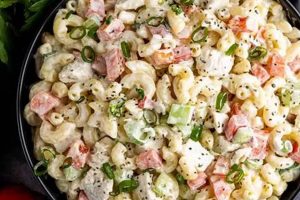
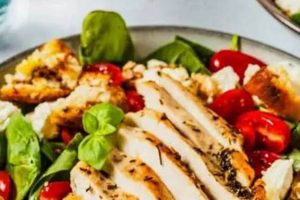
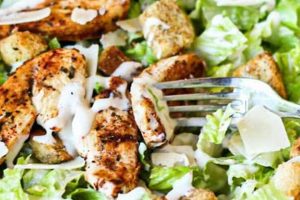
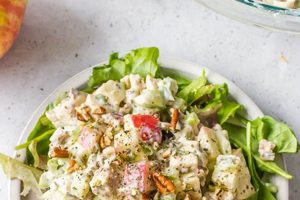
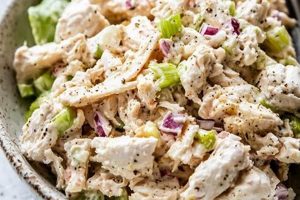
A combination of cooked chicken, mayonnaise, and often celery, onion, and seasonings forms the base of this classic dish. The addition of walnuts introduces a satisfying crunch and subtly bitter flavor, while sweet grapes offer a refreshing burst and textural contrast. Variations may include different types of mayonnaise, herbs, spices, or other fruits and nuts.
This blend of ingredients provides a balance of protein, healthy fats, and carbohydrates. The dish is versatile, suitable for sandwiches, wraps, salads, or as a standalone appetizer. Historically, chicken salad emerged as a way to utilize leftover cooked chicken, evolving from simple combinations to more complex recipes featuring diverse ingredients like those mentioned. Its adaptability and relatively quick preparation contribute to its enduring popularity.
Further exploration will delve into specific recipe variations, nutritional information, tips for ingredient selection and preparation, and creative serving suggestions.
Tips for an Exceptional Chicken Salad
Optimizing ingredient selection and preparation techniques elevates this classic dish from simple to extraordinary. Attention to detail ensures a balanced flavor profile and desirable texture.
Tip 1: Chicken Selection: Using high-quality, cooked chicken, whether roasted, poached, or grilled, forms the foundation of a flavorful salad. Avoid pre-shredded chicken for optimal texture.
Tip 2: Nut Toasting: Briefly toasting walnuts enhances their natural flavor and adds a desirable crunch. Avoid over-toasting, which can result in bitterness.
Tip 3: Grape Variety: Seedless red or green grapes provide a pleasant sweetness and visual appeal. Consider using a combination for varied flavor and color.
Tip 4: Mayonnaise Selection: High-quality mayonnaise contributes richness and creaminess. Experiment with different varieties, such as olive oil or avocado oil-based mayonnaise, for unique flavor profiles.
Tip 5: Fresh Herbs: Incorporating fresh herbs like dill, parsley, or chives adds brightness and complexity. Add herbs near the end of preparation to maintain their vibrancy.
Tip 6: Seasoning Balance: Seasoning with salt, pepper, and other spices should be done gradually and to taste. Consider a touch of Dijon mustard or lemon juice for added depth.
Tip 7: Chill Time: Allowing the salad to chill for at least 30 minutes before serving allows the flavors to meld and enhances the overall experience.
By focusing on these key details, one can achieve a chicken salad that is both delicious and satisfying. These refinements transform a simple dish into a culinary delight.
These preparation techniques contribute to a superior chicken salad experience. The following section will explore various serving suggestions and complementary pairings.
1. High-quality Chicken

High-quality chicken serves as the cornerstone of a successful chicken salad incorporating walnuts and grapes. The chicken’s flavor and texture significantly influence the overall dish. Tender, flavorful chicken enhances the combined taste of the other ingredients, while dry, bland chicken detracts from the intended balance. For instance, using roasted chicken from a reputable butcher, known for its careful sourcing and preparation, results in a noticeably superior salad compared to using pre-cooked, processed chicken. The inherent flavor of the higher-quality chicken provides a richer base, allowing the complementary flavors of the walnuts, grapes, and seasonings to shine.
The choice of chicken also affects the texture of the salad. Overcooked or poorly handled chicken can become stringy or dry, resulting in an unpleasant mouthfeel. Conversely, properly cooked, high-quality chicken contributes a desirable tenderness and moistness. This textural element plays a crucial role in the overall enjoyment of the dish, providing a pleasing contrast to the crunch of the walnuts and the juicy pop of the grapes. Consider the difference between using freshly roasted chicken breast versus using leftover chicken that has been reheated multiple times. The fresh chicken maintains its integrity, while the reheated chicken may become dry and lose its appeal.
Prioritizing high-quality chicken elevates the final product. While other ingredients contribute to the overall flavor profile and texture, the chicken remains the central component. Investing in superior chicken ensures a more satisfying and enjoyable culinary experience. The difference is discernible, impacting both the immediate taste and the lasting impression of the dish. Understanding this connection allows for informed decisions regarding ingredient selection and ultimately contributes to a more successful and flavorful chicken salad.
2. Fresh Grapes

Fresh grapes contribute a crucial dimension to chicken salad featuring walnuts and grapes, offering a counterpoint to the other ingredients. Their inclusion provides not only a distinct flavor profile but also textural complexity, impacting the overall culinary experience. Careful consideration of grape variety and quality is essential for achieving optimal results.
- Sweetness and Acidity
Grapes introduce a balanced sweetness and subtle tartness that complements the savory chicken and nutty walnuts. This contrasting flavor profile prevents the salad from becoming overly rich or monotonous. For example, the slight acidity of green grapes cuts through the richness of mayonnaise, while the sweetness of red grapes harmonizes with the savory notes of the chicken. This balance is essential for a well-rounded and enjoyable flavor experience.
- Textural Variation
The juicy, firm texture of fresh grapes provides a pleasing contrast to the tender chicken and crunchy walnuts. This interplay of textures elevates the salad beyond a simple combination of ingredients, creating a more dynamic and engaging mouthfeel. Imagine biting into a salad with uniformly soft ingredients; the addition of grapes introduces a burst of juiciness and a satisfying pop, enhancing the overall sensory experience.
- Visual Appeal
The vibrant color of fresh grapes, whether green, red, or a combination, adds visual interest to the salad. This aesthetic element enhances the presentation, making the dish more appealing and appetizing. A visually appealing salad is more enticing, stimulating the appetite and contributing to a more positive dining experience. The color contrast provided by the grapes against the backdrop of the chicken and walnuts adds a dimension of freshness and vibrancy.
- Nutritional Value
Grapes offer nutritional benefits, including antioxidants and vitamins, adding to the overall nutritional profile of the salad. While not the primary focus, the inclusion of nutrient-rich ingredients contributes to a healthier and more balanced meal. This nutritional aspect aligns with the increasing emphasis on incorporating wholesome ingredients into everyday meals. The presence of grapes contributes to a more nutritious and satisfying culinary experience.
The interplay of these facetsflavor, texture, visual appeal, and nutritional valuedemonstrates the integral role fresh grapes play in elevating chicken salad with walnuts and grapes from a simple dish to a more complex and satisfying culinary creation. The careful selection and incorporation of fresh grapes contributes significantly to the overall balance and enjoyment of this classic combination.
3. Toasted Walnuts
Toasted walnuts represent a key component within the “chicken salad recipe walnuts grapes” framework, contributing significantly to both flavor and texture. Their presence elevates the dish beyond a simple combination of ingredients, adding depth and complexity. Proper toasting technique is crucial for maximizing their contribution to the overall sensory experience.
- Enhanced Flavor
Toasting walnuts intensifies their inherent nutty flavor. The application of heat releases aromatic compounds, producing a richer, more pronounced taste compared to raw walnuts. This intensified flavor complements the savory chicken and sweet grapes, creating a more balanced and nuanced flavor profile. Consider the difference between a plain walnut and one that has been toasted; the toasted nut offers a deeper, more complex flavor that enhances the overall taste of the salad.
- Improved Texture
Toasting walnuts enhances their textural contribution to the salad. The heat removes excess moisture, resulting in a crisper, more satisfying crunch. This contrasts with the softer textures of the chicken and grapes, creating a more dynamic and enjoyable mouthfeel. Imagine biting into a salad with only soft ingredients; the addition of toasted walnuts introduces a welcome textural variation, enhancing the overall sensory experience. The interplay of textures contributes significantly to the enjoyment of the dish.
- Balancing Act
The slightly bitter notes developed during toasting provide a counterpoint to the sweetness of the grapes and the richness of the mayonnaise. This balancing effect prevents the salad from becoming overly sweet or cloying. The subtle bitterness adds depth and complexity, ensuring a well-rounded and balanced flavor profile. This interplay of flavors contributes to a more nuanced and satisfying culinary experience.
- Aromatic Complexity
The toasting process releases volatile aromatic compounds, contributing to the overall aroma of the salad. These aromas enhance the sensory experience, stimulating the appetite and adding another layer of enjoyment. The aroma of toasted walnuts blends with the other ingredients, creating a more complex and enticing olfactory profile. This heightened aromatic experience contributes to the overall perception of flavor and enjoyment of the dish.
The careful toasting of walnuts significantly impacts the “chicken salad recipe walnuts grapes” composition, elevating it from a simple mixture to a more sophisticated and flavorful dish. Their enhanced flavor, improved texture, balancing bitterness, and aromatic complexity contribute significantly to the overall sensory experience. The proper integration of toasted walnuts demonstrates a nuanced understanding of flavor and texture interplay within a culinary creation.
4. Balanced Seasonings

Balanced seasonings are essential for a successful chicken salad incorporating walnuts and grapes. Seasoning influences the overall flavor profile, enhancing the inherent qualities of the ingredients and creating a harmonious blend of tastes. Careful consideration of seasoning choices and proportions is crucial for achieving a well-rounded and palatable dish.
- Salt and Pepper Foundation
Salt and freshly ground black pepper form the foundational seasoning elements. Salt enhances the natural flavors of the chicken, while pepper adds a subtle bite and complexity. The proper balance of these two fundamental seasonings is crucial; too much salt can overpower the other flavors, while too little can result in a bland dish. Conversely, an excessive amount of pepper can create an unpleasant heat, masking the delicate flavors of the other ingredients. Achieving the correct balance allows the other seasonings and the inherent flavors of the chicken, walnuts, and grapes to shine through.
- Complementary Spices and Herbs
Beyond salt and pepper, additional spices and herbs can elevate the flavor profile. A touch of paprika adds a subtle smokiness, while onion powder or garlic powder contributes savory depth. Fresh herbs, such as dill, chives, or parsley, introduce a bright, fresh element. The selection and proportion of these additional seasonings should complement the existing flavors without overpowering them. For example, a hint of Dijon mustard adds a tangy complexity, while a squeeze of lemon juice introduces a refreshing acidity. The goal is to create a harmonious balance that enhances the overall taste experience.
- Acidity as a Balancing Agent
Acidity plays a crucial role in balancing the richness of the mayonnaise and the sweetness of the grapes. A touch of lemon juice, vinegar, or a pinch of citric acid brightens the flavor profile, preventing the salad from becoming overly heavy or cloying. The acidity also complements the savory notes of the chicken and the nutty nuances of the walnuts, creating a more well-rounded and refreshing taste. This balance is essential for a palatable and enjoyable salad.
- Seasoning Adjustments and Taste Testing
Seasoning adjustments and frequent taste testing throughout the preparation process are essential for achieving the desired flavor balance. Initial seasoning should be conservative, allowing for incremental additions until the optimal flavor profile is achieved. Taste testing helps gauge the balance of salt, pepper, spices, herbs, and acidity, ensuring a harmonious blend of flavors. This iterative approach allows for precise control over the final flavor outcome, resulting in a well-seasoned and enjoyable chicken salad.
The careful consideration and application of balanced seasonings significantly impact the overall quality and enjoyment of chicken salad with walnuts and grapes. A well-seasoned salad enhances the individual flavors of the ingredients, creating a cohesive and satisfying culinary experience. Attention to detail in seasoning ensures a balanced and delicious final product, demonstrating a nuanced understanding of flavor dynamics within the dish.
5. Creamy Mayonnaise
Creamy mayonnaise plays a crucial binding and flavor-enhancing role in chicken salad incorporating walnuts and grapes. Its presence contributes significantly to the overall texture, taste, and perceived quality of the dish. Mayonnaise acts as an emulsifying agent, holding the disparate ingredientschicken, fruit, and nutstogether in a cohesive mixture. Without a sufficient quantity of quality mayonnaise, the salad becomes dry, crumbly, and less palatable. The emulsification process, facilitated by the mayonnaise, creates a smooth, creamy texture that coats the other ingredients, enhancing their individual flavors and contributing to a more satisfying mouthfeel. A comparison between a chicken salad made with ample mayonnaise and one made with a scant amount reveals a stark contrast in both texture and perceived enjoyment; the former offers a creamy, cohesive experience, while the latter presents a dry, disjointed one.
Beyond its textural contributions, mayonnaise imparts a rich, tangy flavor that complements the other ingredients. The subtle acidity of mayonnaise balances the sweetness of the grapes and enhances the savory notes of the chicken. Furthermore, the creamy richness of mayonnaise provides a backdrop against which the other flavors can shine. High-quality mayonnaise, made with ingredients like egg yolks, oil, and vinegar or lemon juice, contributes a more complex and nuanced flavor compared to lower-quality alternatives. For instance, using a mayonnaise made with extra virgin olive oil adds a subtle fruity and peppery note, further enhancing the overall flavor profile. The choice of mayonnaise directly impacts the final taste and perceived quality of the chicken salad. Substituting plain yogurt or a low-fat mayonnaise alternative, while potentially offering certain health benefits, often results in a noticeable difference in flavor and texture, potentially detracting from the overall enjoyment of the dish.
The selection and application of mayonnaise are critical considerations in achieving a well-balanced and flavorful chicken salad featuring walnuts and grapes. Its role extends beyond simply binding ingredients; it contributes significantly to the texture, flavor, and overall sensory experience. Understanding the importance of creamy mayonnaise and selecting a high-quality product ensures a more satisfying and enjoyable culinary outcome. This careful attention to detail elevates the dish, demonstrating a nuanced appreciation for the interplay of ingredients and their contributions to a harmonious culinary creation.
6. Proper Chilling

Proper chilling is essential for optimizing the flavor and food safety of chicken salad containing walnuts and grapes. Chilling allows the flavors of the various componentschicken, mayonnaise, fruit, and nutsto meld and harmonize. This integration of flavors results in a more nuanced and balanced taste profile. Without adequate chilling, the individual flavors remain distinct and less cohesive, diminishing the overall enjoyment of the dish. Consider a freshly made salad versus one that has been chilled for several hours; the chilled salad offers a more unified and complex flavor experience, while the fresh salad presents a less developed taste.
Beyond flavor development, proper chilling is crucial for food safety. Chicken salad, containing perishable ingredients like chicken and mayonnaise, is susceptible to bacterial growth at room temperature. Chilling inhibits bacterial proliferation, minimizing the risk of foodborne illness. Maintaining a refrigerator temperature of 40F (4C) or below is crucial for ensuring food safety. Leaving the salad unrefrigerated for extended periods, especially in warmer environments, increases the likelihood of bacterial contamination and potential health risks. For example, bringing chicken salad to a picnic without proper refrigeration can lead to rapid bacterial growth, potentially causing illness if consumed. This highlights the practical importance of proper chilling practices for maintaining food safety and preventing health hazards.
Chilling also affects the texture and structural integrity of the salad. Cold temperatures solidify the mayonnaise, enhancing the salad’s overall structure and preventing it from becoming watery or runny. This improved texture contributes to a more pleasant mouthfeel. Furthermore, chilling helps maintain the crispness of the walnuts and the firmness of the grapes, preventing them from becoming soggy or losing their textural appeal. These textural enhancements further contribute to the overall enjoyment of the dish. Therefore, proper chilling is essential not only for flavor development and food safety but also for maintaining the desired texture and preventing undesirable changes in the ingredients’ physical properties. Understanding the multifaceted role of proper chilling in the context of chicken salad with walnuts and grapes allows for informed food handling practices that maximize both flavor and safety.
7. Creative presentation
Creative presentation elevates chicken salad with walnuts and grapes from a simple dish to a visually appealing and enticing culinary experience. Presentation encompasses plating, garnishing, and serving methods, impacting perceived value and enjoyment. Consideration of these elements enhances the overall dining experience, transforming a basic salad into a memorable meal.
- Plating Techniques
Thoughtful plating significantly influences visual appeal. Instead of simply placing the salad in a bowl, consider using individual serving dishes, such as small ramekins or scooped onto endive leaves. Alternatively, layering the salad on a bed of fresh greens adds color and texture. For example, serving the salad in a hollowed-out tomato or avocado adds an element of surprise and visual interest. The choice of plating contributes to the overall aesthetic and perceived sophistication of the dish.
- Garnishing Choices
Strategic garnishing enhances visual appeal and complements existing flavors. A sprinkle of chopped walnuts, a few fresh grapes, or a sprig of parsley adds a touch of elegance and reinforces the salad’s key ingredients. Other options include edible flowers, a drizzle of balsamic glaze, or a dusting of paprika. However, garnishes should be used judiciously and complement the existing flavors without overpowering them. Over-garnishing can detract from the presentation and create a cluttered appearance. A well-chosen garnish enhances the visual presentation while complementing the flavor profile.
- Serving Vessels and Accompaniments
Serving vessels and accompaniments contribute to the overall dining experience. Serving the salad in a chilled bowl maintains its optimal temperature and enhances its refreshing qualities. Accompaniments, such as crackers, crusty bread, or a side salad, provide textural contrast and complement the flavors of the chicken salad. For instance, serving the salad with croissants or mini phyllo cups adds a touch of elegance and provides a convenient vessel for individual portions. The choice of accompaniments should enhance the overall meal without overwhelming the main dish.
- Context and Occasion
Presentation should align with the context and occasion. A casual lunch might warrant a simple presentation in a bowl with crackers, while a more formal setting might call for a more elaborate plating with elegant garnishes and accompaniments. Consideration of the dining context ensures the presentation is appropriate and enhances the overall experience. For a buffet setting, individual portions in small cups or on endive leaves facilitate easy serving and consumption. Adapting the presentation to the specific context demonstrates attention to detail and enhances the overall dining experience.
Creative presentation elevates the enjoyment of chicken salad with walnuts and grapes. By considering plating, garnishing, serving vessels, and context, one can transform this simple dish into a visually appealing and memorable culinary creation. These elements demonstrate an understanding of the interplay between taste and presentation, contributing to a more satisfying and enjoyable dining experience.
Frequently Asked Questions
This section addresses common inquiries regarding chicken salad incorporating walnuts and grapes, offering practical guidance and clarifying potential uncertainties.
Question 1: What type of chicken is best suited for this salad?
Roasted, poached, or grilled chicken work well. Pre-shredded chicken is generally less desirable due to its texture.
Question 2: Should the walnuts be toasted?
Toasting walnuts enhances their flavor and texture. Brief toasting is recommended to avoid bitterness.
Question 3: Can other fruits be substituted for grapes?
While grapes offer a classic flavor profile, other fruits like apples, dried cranberries, or mandarin oranges can provide interesting variations.
Question 4: How long can chicken salad be stored safely?
Properly stored in an airtight container in a refrigerator at 40F (4C) or below, chicken salad typically remains safe for 3-5 days.
Question 5: What are suitable accompaniments for chicken salad?
Crackers, croissants, bread, lettuce cups, or sandwiches are common accompaniments. A side of fresh greens or fruit complements the meal.
Question 6: Can this salad be frozen?
Freezing is generally not recommended as it can negatively impact the texture and consistency of the mayonnaise, resulting in a less desirable final product upon thawing.
Understanding these aspects contributes to a more informed preparation process and a more satisfying culinary outcome. The subsequent section will explore recipe variations and adaptations.
The following section provides various recipe adaptations to cater to diverse preferences and dietary needs.
Chicken Salad Recipe
This exploration has examined the multifaceted nature of chicken salad featuring walnuts and grapes, emphasizing the importance of ingredient selection, preparation techniques, and presentation. High-quality chicken forms the foundation, complemented by the sweetness of fresh grapes and the textural complexity of toasted walnuts. Creamy mayonnaise binds these elements, while balanced seasonings enhance the overall flavor profile. Proper chilling ensures both food safety and optimal flavor development. Creative presentation elevates the dish, transforming it from a simple meal to a visually appealing culinary experience. The interplay of these elements contributes to a well-rounded and satisfying dish.
Careful consideration of each component within this classic combination yields a superior culinary outcome. An understanding of these principles empowers culinary enthusiasts to create a chicken salad that is not only delicious but also reflects a nuanced understanding of flavor, texture, and presentation. Further exploration and experimentation with ingredient variations and serving suggestions offer opportunities for personalized interpretations of this enduringly popular dish.