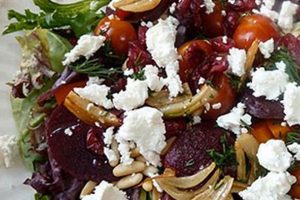
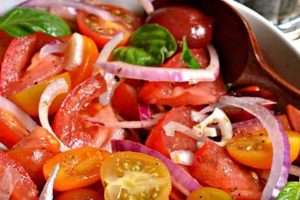
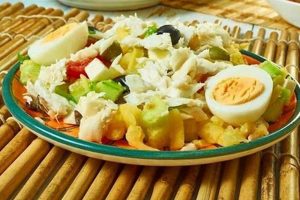
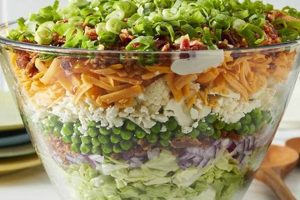
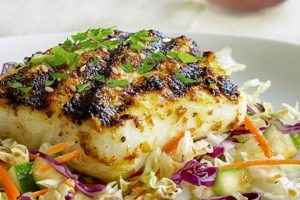
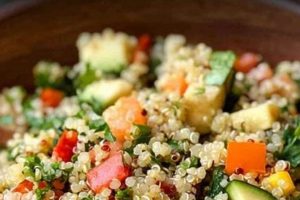
Low-carbohydrate, high-fat meal plans, such as the ketogenic diet, often restrict many traditional salad ingredients like croutons and high-sugar dressings. Dishes that combine leafy greens, non-starchy vegetables, healthy fats, and protein sources compliant with these dietary guidelines constitute a substantial and satisfying component of such meal plans. For instance, a combination of spinach, avocado, grilled chicken, and a vinaigrette made with olive oil and vinegar aligns with these principles.
Incorporating meals rich in healthy fats and low in carbohydrates supports the metabolic state of ketosis, the primary goal of the ketogenic diet. These meals can play a critical role in weight management and may offer other potential health benefits. Historically, variations of ketogenic approaches have been employed in managing specific medical conditions, and the current resurgence of interest centers around its potential for weight loss and metabolic health improvements.
This article will further explore constructing these types of meals, including ingredient selection, preparation methods, and variations to suit individual preferences and dietary needs. Specific recipes and nutritional information will be provided, along with practical tips for incorporating these meals into a balanced, sustainable ketogenic eating pattern.
Tips for Creating Keto-Compliant Salads
Constructing salads aligned with the principles of low-carbohydrate, high-fat diets requires careful consideration of ingredients and preparation methods. The following tips offer guidance for creating flavorful and nutritionally sound meals.
Tip 1: Prioritize Leafy Greens: Opt for nutrient-dense, low-carbohydrate bases such as spinach, romaine lettuce, kale, or arugula. Avoid iceberg lettuce due to its lower nutrient content.
Tip 2: Embrace Non-Starchy Vegetables: Incorporate vegetables like cucumbers, bell peppers, onions, broccoli, cauliflower, and mushrooms for added flavor, texture, and micronutrients. Limit or avoid higher-carbohydrate vegetables like carrots, beets, and corn.
Tip 3: Include Healthy Fats: Avocados, olives, nuts, and seeds provide essential fatty acids and contribute to satiety. Use these generously.
Tip 4: Select Appropriate Protein Sources: Grilled chicken, fish, shrimp, beef, or tofu offer substantial protein content. Ensure these are prepared without breading or sugary marinades.
Tip 5: Craft Keto-Friendly Dressings: Olive oil, avocado oil, and vinegar form the base of many compliant dressings. Enhance flavor with herbs, spices, and low-carbohydrate sweeteners, if desired. Avoid store-bought dressings containing added sugars or unhealthy fats.
Tip 6: Be Mindful of Portion Sizes: Even healthy ingredients can contribute to weight gain if consumed in excess. Monitor portion sizes to maintain caloric balance within dietary goals.
Tip 7: Enhance Flavor with Herbs and Spices: Fresh or dried herbs and spices contribute flavor complexity without adding carbohydrates. Experiment with different combinations to create variety.
By following these guidelines, individuals can create satisfying and nutritionally balanced salads that support the objectives of a ketogenic dietary approach. These meals contribute significantly to overall health and well-being by providing essential nutrients and promoting satiety.
This concludes the practical guidance on crafting compliant salads. The following section will offer specific recipe examples and additional resources for further exploration.
1. Low-Carb Vegetables

Low-carbohydrate vegetables form the foundation of a successful ketogenic salad. Their importance stems from the core principle of the ketogenic diet: minimizing carbohydrate intake to induce and maintain ketosis. Leafy greens such as spinach, kale, and romaine lettuce offer minimal carbohydrates while providing essential vitamins and minerals. Cruciferous vegetables like broccoli, cauliflower, and Brussels sprouts, while slightly higher in carbohydrates than leafy greens, still fit within ketogenic guidelines and contribute valuable fiber and nutrients. Choosing these vegetables over high-carbohydrate options like potatoes, corn, or peas allows individuals to maintain the necessary macronutrient ratios for ketosis. This foundational element ensures the salad contributes to, rather than hinders, the metabolic goals of the diet.
Consider a salad featuring grilled chicken, avocado, and a creamy dressing. Without a base of low-carbohydrate vegetables, the dish loses its ketogenic character. Replacing iceberg lettuce (minimal nutritional value) with spinach elevates both the nutrient density and the salad’s suitability within a ketogenic meal plan. Adding chopped broccoli or cauliflower further enhances the fiber content and provides textural variety. Incorporating non-starchy vegetables, like bell peppers or cucumbers, contributes additional vitamins, minerals, and flavor complexity. The practical significance lies in their ability to add volume and satiety to the salad without compromising the low-carbohydrate requirement. This ensures a satisfying meal that aligns with ketogenic principles.
Understanding the role of low-carbohydrate vegetables is crucial for anyone following a ketogenic diet. These vegetables provide the necessary bulk and nutrients for a balanced and sustainable eating pattern. While some individuals may find the limited selection initially challenging, the variety of available low-carbohydrate vegetables allows for diverse and flavorful salads. Exploring different preparation methods, such as roasting or grilling, further expands culinary possibilities. Ultimately, prioritizing low-carbohydrate vegetables in salad construction ensures adherence to dietary guidelines, supports satiety, and contributes to the overall success of the ketogenic lifestyle.
2. Healthy Fats

Healthy fats constitute a cornerstone of ketogenic salads and the ketogenic diet itself. The central premise of ketosis involves shifting the body’s primary fuel source from carbohydrates to fats. Incorporating adequate healthy fats in salads facilitates this metabolic shift and provides sustained energy. These fats not only contribute to satiety, crucial for managing hunger on a restrictive diet, but also provide essential fatty acids necessary for various bodily functions. For instance, a salad featuring avocado, a rich source of monounsaturated fats, offers both creamy texture and sustained energy release. Adding a dressing based on olive oil, another source of healthy monounsaturated fats, further enhances the fat content while providing anti-inflammatory benefits. Nuts and seeds, incorporated in moderation due to their carbohydrate content, offer additional healthy fats and micronutrients. The inclusion of these fats directly supports the metabolic goals of the ketogenic diet.
The careful selection of fat sources significantly impacts the nutritional value and overall success of a ketogenic salad. Prioritizing sources like avocados, olives, olive oil, nuts, and seeds offers a range of essential fatty acids and other beneficial nutrients. Avoiding unhealthy fats, such as trans fats and excessive amounts of saturated fats from processed foods, remains critical. Consider a salad with grilled salmon as the protein source. Salmon naturally contains healthy fats, specifically omega-3 fatty acids, which contribute to heart health. Supplementing this with a dressing made with avocado oil further boosts the healthy fat content. Practical applications include using a variety of oils, nuts, and seeds to diversify the nutrient profile and prevent reliance on a single fat source. This conscious incorporation of healthy fats ensures the salad contributes to overall well-being while adhering to ketogenic principles.
Understanding the crucial role of healthy fats within the context of a ketogenic salad is essential for achieving the metabolic goals of the diet. These fats not only serve as the primary energy source in ketosis but also contribute to satiety, provide essential fatty acids, and support various bodily functions. Challenges may arise in selecting appropriate fat sources and managing overall caloric intake from fats. Addressing these challenges through careful planning and portion control ensures that the inclusion of healthy fats in ketogenic salads contributes effectively to a balanced and sustainable ketogenic lifestyle.
3. Sufficient Protein

Adequate protein intake plays a vital role in the success of ketogenic salads and the ketogenic diet as a whole. Protein contributes significantly to satiety, reducing feelings of hunger and aiding in appetite control, a critical factor in adhering to a restrictive diet. Beyond satiety, protein supports the maintenance of muscle mass, particularly relevant during periods of caloric restriction or weight loss. In the context of a ketogenic salad, protein provides structural integrity, transforming a simple mix of vegetables and fats into a substantial, satisfying meal. For instance, adding grilled chicken or fish to a salad provides the necessary protein to make it a complete meal. A salad comprised solely of leafy greens, avocado, and a vinaigrette, while compliant with ketogenic macronutrient ratios, may lack the satiating power and nutritional completeness offered by the inclusion of sufficient protein.
The strategic selection and incorporation of protein sources elevate a ketogenic salad from a side dish to a complete, nutritionally balanced meal. Lean protein sources like poultry, fish, and seafood align seamlessly with ketogenic principles due to their minimal carbohydrate content. Incorporating plant-based proteins such as tofu or tempeh offers an alternative for those following vegetarian or vegan ketogenic approaches. The quantity of protein included should align with individual dietary needs and macronutrient targets. Consider a salad featuring seared tuna steak alongside mixed greens, avocado, and a lemon vinaigrette. The tuna provides high-quality protein and healthy fats, complementing the other ingredients to create a satisfying and nutrient-rich meal. Practical considerations include preparing protein in advance for convenient salad assembly and varying protein sources to prevent dietary monotony and ensure a broad spectrum of amino acids.
Understanding the essential role of sufficient protein in ketogenic salads is crucial for achieving the dietary goals of ketosis and overall well-being. Protein supports satiety, muscle mass maintenance, and the creation of a complete, satisfying meal. Challenges may arise in selecting appropriate protein sources and balancing protein intake with other macronutrient targets. Addressing these challenges through informed choices and mindful meal planning ensures that protein contributes effectively to a sustainable and successful ketogenic lifestyle. Neglecting this aspect can compromise adherence to the diet and hinder the achievement of desired outcomes.
4. Keto-Friendly Dressings

Keto-friendly dressings represent a critical component of successful ketogenic salad construction. The restrictive nature of the ketogenic diet, with its emphasis on minimizing carbohydrate intake, necessitates careful consideration of all ingredients, including dressings. Conventional salad dressings often contain added sugars, high-fructose corn syrup, and other carbohydrate-rich ingredients that can disrupt ketosis. Keto-friendly dressings, conversely, rely on healthy fats, such as olive oil and avocado oil, and low-carbohydrate flavor enhancers like vinegar, herbs, and spices. This distinction plays a significant role in maintaining the metabolic state of ketosis, the cornerstone of the ketogenic diet. For example, a salad featuring nutritious, low-carbohydrate vegetables and a lean protein source can be inadvertently rendered non-ketogenic by the addition of a high-sugar dressing. Conversely, a simple vinaigrette made with olive oil and vinegar enhances the flavor profile while maintaining adherence to ketogenic principles. This illustrates the direct cause-and-effect relationship between dressing choice and the overall ketogenic compatibility of the salad.
Practical application of this understanding translates to making informed choices when selecting or creating salad dressings. Reading labels meticulously to identify hidden sugars and high-carbohydrate ingredients becomes paramount. Opting for homemade dressings, where ingredient control is absolute, offers an effective strategy for ensuring ketogenic compliance. A simple blend of olive oil, apple cider vinegar, Dijon mustard, and herbs provides a flavorful, keto-friendly alternative to many commercially available dressings. Furthermore, incorporating ingredients like avocado oil, which offers a neutral flavor profile, allows for greater versatility in flavor combinations. Exploring various herbs, spices, and low-carbohydrate sweeteners, such as stevia or erythritol, expands the culinary possibilities while maintaining dietary adherence. Such awareness and proactive ingredient selection empower individuals to enhance the flavor and nutritional value of their ketogenic salads without compromising their dietary goals.
Keto-friendly dressings contribute significantly to both the palatability and the efficacy of ketogenic salads. The careful selection or creation of these dressings ensures that the overall meal aligns with the principles of the ketogenic diet. Challenges may arise in navigating the abundance of commercially available dressings and identifying truly keto-friendly options. However, a thorough understanding of ingredient composition and the readily available alternatives empowers individuals to overcome these challenges. Ultimately, the conscious incorporation of keto-friendly dressings elevates the ketogenic salad from a simple assemblage of ingredients to a supportive and flavorful component of a successful ketogenic lifestyle.
5. Portion Control

Portion control plays a crucial role in the success of ketogenic dietary adherence, even within the context of generally healthy choices like salads. While ketogenic meal plans emphasize healthy fats and proteins, caloric intake still matters for weight management. Understanding and implementing appropriate portion sizes directly impacts the efficacy of the ketogenic diet. Overconsumption, even of keto-compliant foods, can hinder weight loss or contribute to weight gain. This section explores the facets of portion control within the context of ketogenic salads.
- Calorie Awareness
Even with keto-friendly ingredients, excessive caloric intake can impede weight loss. While the ketogenic diet prioritizes macronutrient ratios (fat, protein, and carbohydrates), total caloric intake remains relevant, particularly for weight management objectives. Consuming large portions of high-calorie foods, such as nuts, avocados, or cheese, can contribute to a caloric surplus, even within a ketogenic framework. Accurately assessing portion sizes and understanding the caloric density of various ingredients allows for better control over total daily caloric intake. This awareness facilitates alignment with weight goals while adhering to ketogenic principles.
- Macronutrient Balance
Portion control influences the balance of macronutrients within a ketogenic salad. While adequate healthy fats are essential for ketosis, excessive fat intake can displace protein or non-starchy vegetables. Similarly, overconsumption of protein, though satiating, may contribute to excess calories. Careful portioning ensures the salad provides an appropriate balance of macronutrients to support both ketosis and overall nutritional needs. Maintaining this balance optimizes the metabolic benefits of the ketogenic diet and supports overall well-being.
- Satiety Management
Appropriate portion sizes contribute to satiety and prevent overeating. Consuming a large salad, even one composed of keto-compliant ingredients, can lead to discomfort and potentially exceed caloric goals. Conversely, an excessively small salad may leave an individual feeling unsatisfied, increasing the risk of subsequent snacking or overeating at later meals. Mindful portioning fosters a sense of satisfaction and fullness, promoting adherence to the ketogenic diet by mitigating feelings of deprivation or excessive restriction. This balance contributes to a sustainable and enjoyable eating pattern.
- Practical Implementation
Practical implementation of portion control involves measuring ingredients, using smaller plates and bowls, and practicing mindful eating techniques. Pre-portioning salad ingredients into individual containers facilitates convenient meal preparation and supports portion awareness. Visual cues, such as comparing portion sizes to common household items, can assist in estimating appropriate amounts. These practical strategies empower individuals to maintain control over their food intake, promoting adherence to the ketogenic diet and its associated health benefits.
Effective portion control supports the overall efficacy of the ketogenic diet by managing caloric intake, maintaining macronutrient balance, and promoting satiety. These factors contribute significantly to achieving and maintaining ketosis, facilitating weight management and overall well-being within a ketogenic lifestyle. A comprehensive understanding and practical application of portion control principles empowers individuals to maximize the benefits of ketogenic salads and contribute to a sustainable and successful dietary approach.
6. Flavor Enhancement

Flavor enhancement plays a pivotal role in the long-term success of adherence to ketogenic meal plans, specifically regarding salads. The restrictive nature of the ketogenic diet often necessitates eliminating or significantly reducing certain ingredients commonly used for flavor, such as high-sugar dressings or carbohydrate-rich croutons. This restriction can lead to perceptions of blandness or monotony, potentially hindering adherence. Strategic flavor enhancement addresses this challenge, transforming potentially unappealing meals into satisfying culinary experiences that support continued dietary compliance. This connection between flavor enhancement and ketogenic salad preparation is crucial for maintaining motivation and preventing diet fatigue. For example, a simple salad of mixed greens and grilled chicken might lack excitement. However, the addition of flavorful herbs like fresh basil or oregano, combined with spices such as cumin or paprika, and a squeeze of lemon juice can dramatically elevate the taste experience without compromising ketogenic principles. This illustrates the practical significance of flavor enhancement within the context of a ketogenic diet.
Various techniques and ingredients contribute to effective flavor enhancement within the ketogenic framework. Fresh herbs and spices, readily available and low in carbohydrates, provide an array of flavor profiles. Incorporating ingredients like garlic, ginger, and onions adds depth and complexity without disrupting ketosis. Acidic elements, such as lemon or lime juice and vinegar, brighten flavors and provide a counterpoint to richness from fats. Flavorful cheeses, used in moderation due to their caloric density, contribute both taste and texture. Consider a ketogenic Caesar salad. Traditional Caesar dressing often contains high-carbohydrate ingredients. A keto-friendly version utilizes a combination of mayonnaise, Parmesan cheese, garlic, lemon juice, and anchovy paste to replicate the classic flavor profile while remaining within ketogenic guidelines. This demonstrates the adaptability of flavor enhancement strategies within a restrictive dietary framework.
Successful flavor enhancement within the context of ketogenic salads requires careful consideration and creative application. The challenge lies in achieving robust flavor profiles while adhering to the dietary restrictions of ketosis. Overcoming this challenge necessitates a nuanced understanding of flavor combinations and ingredient interactions. The effective utilization of herbs, spices, acidic elements, and flavorful, keto-compliant additions elevates the sensory experience of the salad, promoting dietary adherence and long-term success. Neglecting this aspect can lead to dissatisfaction and ultimately compromise the sustainability of the ketogenic lifestyle. Prioritizing flavor enhancement transforms the ketogenic salad from a dietary obligation into a pleasurable culinary experience, contributing significantly to the overall success and sustainability of the ketogenic journey.
Frequently Asked Questions
This section addresses common inquiries regarding the creation and incorporation of salads into a ketogenic meal plan.
Question 1: How can leafy greens be made more palatable in a ketogenic salad?
Leafy greens, while nutritionally valuable, can sometimes be perceived as bland. Massaging the greens with olive oil or avocado oil can soften their texture and enhance their flavor. Adding flavorful herbs, spices, or a squeeze of lemon or lime juice can further elevate their palatability.
Question 2: What are some suitable protein sources beyond meat and poultry for ketogenic salads?
Seafood, such as salmon, tuna, or shrimp, provides excellent protein options. Plant-based sources like tofu, tempeh, or seitan can also be incorporated for vegetarian or vegan ketogenic meal plans. Cheese, in moderation, can also contribute protein, though its caloric density should be considered.
Question 3: How can store-bought dressings be evaluated for ketogenic suitability?
Careful label reading is essential. Look for dressings that are low in carbohydrates and free of added sugars, high-fructose corn syrup, and other undesirable ingredients. Prioritize dressings made with healthy fats, such as olive oil or avocado oil. Ingredient lists should be scrutinized to ensure compliance with ketogenic guidelines.
Question 4: What strategies can prevent ketogenic salads from becoming repetitive?
Varying the types of leafy greens, non-starchy vegetables, protein sources, and healthy fats prevents monotony. Exploring different herbs, spices, and flavor enhancers, such as garlic, ginger, or flavored vinegars, further expands the culinary possibilities. Rotating ingredients regularly maintains interest and prevents diet fatigue.
Question 5: How can portion sizes be effectively managed when preparing ketogenic salads?
Using measuring cups and a food scale ensures accurate portioning of ingredients. Pre-portioning salad components into individual containers facilitates convenient meal preparation and portion control. Visual cues, like comparing portion sizes to common household objects, can provide helpful estimations.
Question 6: Can ketogenic salads be incorporated into meal prepping strategies?
Ketogenic salads lend themselves well to meal prepping. Leafy greens, non-starchy vegetables, and protein sources can be prepared in advance and stored separately. Dressings should be added just before consumption to prevent the salad from becoming soggy. This approach facilitates convenient and efficient meal management throughout the week.
Understanding these common inquiries supports informed decision-making and successful integration of ketogenic salads into a sustainable and enjoyable dietary approach. Careful ingredient selection, mindful portion control, and creative flavor enhancement contribute significantly to long-term dietary adherence and the realization of desired health outcomes.
The following section provides practical ketogenic salad recipes for immediate application of the principles discussed.
Conclusion
Constructing meals like ketogenic salads requires a nuanced understanding of ingredient selection, macronutrient balance, and flavor optimization. Prioritizing low-carbohydrate vegetables forms the foundation, while the strategic inclusion of healthy fats and sufficient protein ensures nutritional completeness and satiety. Keto-compliant dressings, crafted with awareness of carbohydrate content, play a critical role in maintaining ketosis. Portion control and mindful flavor enhancement further contribute to the long-term success and sustainability of this dietary approach. These elements, when combined effectively, transform a simple salad into a powerful tool for achieving dietary goals within a ketogenic framework.
Adherence to a ketogenic dietary pattern presents both opportunities and challenges. Successful navigation requires informed decision-making, ongoing education, and a commitment to mindful eating practices. The potential benefits of ketosis extend beyond weight management, impacting various aspects of metabolic health. Further research continues to explore the long-term effects and optimal applications of this dietary approach. Individuals embarking on a ketogenic journey should prioritize informed choices, personalized planning, and a focus on sustainable lifestyle integration. Ultimately, the conscious construction of meals, such as the ketogenic salad explored herein, exemplifies the potential for both nutritional efficacy and culinary satisfaction within a restrictive dietary framework.