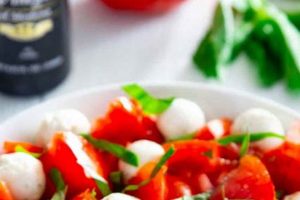
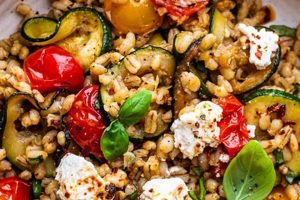
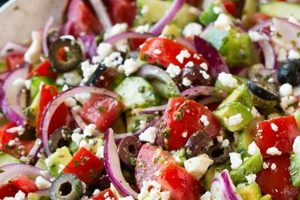
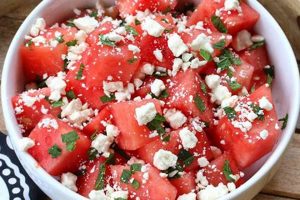
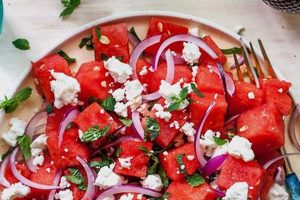
A preparation involving chicory, typically Belgian endive, as the primary ingredient, combined with other components like fruits, vegetables, cheeses, nuts, and a flavorful dressing. Variations range from simple combinations with vinaigrette to more elaborate creations incorporating roasted vegetables, cured meats, or poached eggs. A classic example might include sliced endive, crumbled blue cheese, walnuts, and a pear vinaigrette.
Dishes centered around this leafy vegetable offer a balance of bitterness and sweetness, contributing to a complex flavor profile. The nutritional value is significant, providing vitamins, minerals, and fiber. Historically, endive has been cultivated for its medicinal properties and culinary versatility, appearing in diverse cuisines across Europe and beyond. Its crisp texture and distinct taste make it a refreshing and healthful culinary choice.
The following sections will explore various aspects of creating these dishes, including selecting the right type of chicory, complementary ingredients, and diverse dressing options. Techniques for proper cleaning, preparation, and presentation will also be covered to maximize both flavor and visual appeal.
Tips for Preparing Endive Salads
Achieving optimal flavor and presentation requires attention to detail throughout the preparation process. The following tips offer guidance for creating exceptional dishes featuring this versatile green.
Tip 1: Selecting Endive: Choose heads that are firm, tightly packed, and free from blemishes or browning. Different varieties, such as Belgian endive, frise, and escarole, offer varying levels of bitterness and texture, allowing for diverse flavor profiles.
Tip 2: Proper Handling: Store unwashed endive in a perforated plastic bag in the refrigerator crisper drawer for up to a week. Wash just before use to maintain crispness.
Tip 3: Balancing Flavors: The inherent bitterness of endive pairs well with contrasting flavors. Sweet elements like fruits (pears, apples, oranges), dried cranberries, or honey can balance the bitterness effectively.
Tip 4: Complementary Ingredients: Consider incorporating ingredients that complement the endive’s texture and flavor. Nuts (walnuts, pecans), cheeses (blue cheese, goat cheese), and cured meats (prosciutto, pancetta) provide textural contrast and enhance the overall taste.
Tip 5: Dressing Selection: Vinaigrettes with a balance of acidity and sweetness are ideal. Citrus-based dressings, creamy dressings with yogurt or buttermilk, and even simple olive oil and lemon juice combinations can enhance the endive’s flavor.
Tip 6: Enhancing Visual Appeal: Consider the presentation. Sliced endive can be arranged on a platter or individual plates. Adding garnishes like chopped herbs, toasted nuts, or edible flowers enhances the visual appeal.
Tip 7: Timing is Key: Dress the salad just before serving to prevent the leaves from wilting. This ensures optimal texture and flavor.
By following these guidelines, one can consistently create salads that showcase the unique qualities of endive, resulting in a delightful culinary experience.
These insights offer a comprehensive understanding of creating delicious and visually appealing salads. The concluding section will recap key points and offer suggestions for further exploration.
1. Endive Variety

Endive variety constitutes a foundational element of any endive salad recipe, significantly influencing the final dish’s flavor profile, texture, and overall aesthetic. Selecting the appropriate variety is crucial for achieving a balanced and harmonious culinary outcome.
- Belgian Endive:
This variety, characterized by its elongated, tightly packed leaves, offers a delicate, slightly bitter flavor and a satisfying crunch. Its pale color and elegant shape make it suitable for both simple and sophisticated presentations. Its subtle bitterness pairs well with milder dressings and ingredients such as apples, pears, and walnuts.
- Frise:
Known for its frilly, curled leaves, frise presents a more pronounced bitterness compared to Belgian endive. Its texture provides a pleasant contrast to creamy dressings and richer ingredients like bacon, blue cheese, and roasted vegetables. Its vibrant green color adds visual interest to salads.
- Escarole:
With its broad, slightly curled leaves, escarole possesses a robust, earthy flavor and a slightly more bitter taste than frise. Its heart is more tender and less bitter, while the outer leaves offer a more intense flavor. It is often used in heartier salads and can stand up to bolder dressings and ingredients.
- Radicchio:
While technically not an endive, radicchio is often included in this family due to its similar appearance and bitter flavor profile. Its deep red color and slightly more bitter and peppery taste adds a dramatic flair and complexity to salads. It pairs well with citrus fruits, strong cheeses, and nuts.
Consideration of these distinct characteristics ensures the chosen endive variety complements the other salad components, contributing to a balanced and flavorful culinary creation. The interplay between the endive’s inherent qualities and the accompanying ingredients determines the overall success of the recipe.
2. Complementary Ingredients

Complementary ingredients are essential for a well-balanced endive salad recipe. The inherent bitterness of endive necessitates thoughtful ingredient pairings to create a harmonious flavor profile. The following facets explore key categories of complementary ingredients and their role in enhancing these salads.
- Fruits:
Sweet and acidic fruits provide a counterpoint to endive’s bitterness. Apples, pears, and oranges offer textural contrast and a refreshing sweetness. Dried fruits, such as cranberries or raisins, contribute concentrated sweetness and chewiness. The interplay of bitter and sweet creates a complex and satisfying flavor dynamic.
- Cheeses:
Cheese selections can amplify an endive salad’s richness and depth. Blue cheese, with its pungent and creamy notes, provides a robust counterpoint to the endive’s bitterness. Goat cheese offers a tangy and slightly earthy flavor that complements the endive’s vegetal notes. Feta cheese, with its salty and briny character, adds a Mediterranean touch.
- Nuts and Seeds:
Nuts and seeds contribute textural complexity and enhance the salad’s nutritional value. Walnuts and pecans offer a buttery richness and satisfying crunch. Toasted almonds and sunflower seeds provide a nutty flavor and crisp texture. These additions create a multi-dimensional sensory experience.
- Proteins:
Incorporating protein transforms an endive salad into a more substantial meal. Grilled chicken or fish provides lean protein and complements the endive’s delicate flavor. Crispy bacon or pancetta adds a smoky and salty dimension. These additions create a balanced and satisfying culinary composition.
Strategic selection of complementary ingredients elevates endive salad recipes beyond simple combinations of greens and dressing. The interplay of flavors, textures, and colors results in a dynamic and enjoyable culinary experience, demonstrating the versatility of endive as a culinary canvas.
3. Dressing Choice

Dressing choice significantly impacts the overall success of an endive salad recipe. The dressing acts as a unifying element, binding the diverse ingredients and influencing the final flavor profile. Careful consideration of the endive variety, complementary ingredients, and desired taste outcome informs the selection process. A mismatch between dressing and other components can result in a disharmonious flavor experience.
The inherent bitterness of endive necessitates dressings that either complement or contrast this characteristic. Vinaigrettes with a balance of acidity and sweetness are frequently employed. A classic vinaigrette, composed of olive oil, vinegar, and Dijon mustard, provides a simple yet effective counterpoint to the endive’s bitterness. Citrus-based dressings, featuring lemon, orange, or grapefruit juice, offer a bright and refreshing complement. Creamy dressings, incorporating yogurt, buttermilk, or sour cream, can mellow the bitterness while adding richness and texture. The intensity of the dressing should be proportionate to the endive’s bitterness and the other ingredients’ flavors.
For example, a salad featuring Belgian endive, pear, and walnuts might benefit from a light vinaigrette with a touch of honey or maple syrup. The sweetness of the dressing would harmonize with the pear and walnuts, while the acidity would cut through the endive’s subtle bitterness. Conversely, a salad featuring frise, blue cheese, and bacon might be better suited to a more robust dressing, such as a creamy blue cheese dressing or a balsamic vinaigrette. The intensity of these dressings would complement the strong flavors of the cheese and bacon, while also balancing the more pronounced bitterness of the frise. Understanding these nuances allows for a strategic approach to dressing selection, ensuring a harmonious and flavorful culinary result.
Effective dressing selection elevates the endive salad from a simple collection of ingredients to a cohesive and balanced dish. It provides a crucial layer of flavor and texture, enhancing the overall dining experience. A well-chosen dressing harmonizes the individual components, creating a symphony of flavors that complement and enhance one another. Neglecting this crucial element can undermine the salad’s potential, resulting in a less satisfying culinary outcome.
4. Preparation Technique

Preparation technique plays a pivotal role in the final quality and enjoyment of an endive salad recipe. Proper techniques ensure optimal texture, prevent premature wilting, and maximize flavor. Overlooking these crucial steps can compromise the dish, resulting in a less satisfying culinary experience.
- Cleaning and Drying:
Endive leaves require gentle handling to avoid bruising. Washing individual leaves under cold running water and thoroughly drying them prevents wilting and ensures a crisp texture. Residual moisture dilutes the dressing and compromises the salad’s overall quality.
- Slicing and Chopping:
The method of cutting endive influences both texture and presentation. Slicing endive crosswise creates attractive rounds, while tearing leaves into bite-sized pieces offers a more rustic aesthetic. Uniformity in size ensures even distribution of dressing and a balanced flavor experience. Improper cutting can result in unevenly dressed leaves and a less appealing presentation.
- Ingredient Combination:
The order in which ingredients are combined impacts the final dish. Delicate components, such as fresh herbs or soft cheeses, should be added just before serving to prevent bruising or wilting. Heartier ingredients can be combined earlier. Improper sequencing can lead to a less appealing presentation and compromised flavor.
- Dressing Application:
Dressing the salad immediately before serving prevents the leaves from becoming soggy. Tossing the ingredients gently with the dressing ensures even coating and optimal flavor distribution. Overdressing can overwhelm the delicate flavors of the endive and other ingredients. Conversely, underdressing results in a dry and less flavorful salad.
Mastery of these fundamental preparation techniques elevates the endive salad experience. Attention to detail, from washing and drying to slicing, combining, and dressing, ensures optimal texture, flavor, and presentation. Neglecting these steps can compromise the quality of the final dish, underscoring the crucial link between preparation technique and a successful endive salad recipe.
5. Presentation
Presentation constitutes a critical element of endive salad recipes, significantly impacting diner perception and overall enjoyment. While flavor remains paramount, visual appeal elevates the dining experience, transforming a simple salad into a culinary statement. A thoughtfully presented salad entices the appetite and enhances the perceived value of the dish. Conversely, a carelessly plated salad, even if expertly prepared, can diminish the dining experience. Presentation encompasses plating techniques, color balance, and the interplay of textures and shapes.
Plating techniques range from simple arrangements to more elaborate compositions. A classic approach involves arranging endive leaves in a circular pattern on a plate, creating a visually appealing base for other ingredients. Alternatively, endive boats can be filled with complementary ingredients, offering individual portions and a touch of elegance. Color balance plays a vital role in visual appeal. The pale hues of Belgian endive provide a neutral backdrop for vibrant ingredients like red radicchio, orange segments, or deep green herbs. A considered use of color creates visual interest and stimulates the appetite. Furthermore, the interplay of textures and shapes enhances the sensory experience. The smooth, crisp texture of endive leaves contrasts beautifully with crunchy nuts, creamy cheeses, or juicy fruits. Varying the shapes and sizes of ingredients adds visual depth and complexity to the presentation.
Consider a salad composed of Belgian endive, sliced pear, crumbled blue cheese, and candied walnuts. A simple yet effective presentation might involve arranging the endive leaves in a circular pattern, topping them with alternating slices of pear and crumbles of blue cheese, and finishing with a sprinkle of candied walnuts. The contrast in colorspale endive, golden pear, creamy blue cheese, and rich brown walnutscreates visual interest, while the varying textures provide a delightful sensory experience. This thoughtful presentation elevates the dish beyond a mere combination of ingredients, transforming it into a visually appealing and appetizing culinary creation. Effective presentation enhances the perceived quality of the dish, underscoring the connection between visual appeal and culinary enjoyment. It demonstrates an attention to detail and a respect for the ingredients, contributing to a more satisfying and memorable dining experience.
Frequently Asked Questions
The following addresses common inquiries regarding the preparation and enjoyment of endive salads, offering practical guidance and clarifying potential misconceptions.
Question 1: How can the inherent bitterness of endive be mitigated in salads?
Balancing the bitterness of endive involves incorporating contrasting flavors. Sweet elements, such as fruits (pears, apples, oranges), dried cranberries, or a touch of honey in the dressing, can effectively counteract the bitterness. Creamy dressings also help mellow the flavor.
Question 2: What are the best storage practices for endive to maintain its freshness?
Unwashed endive should be stored in a perforated plastic bag within the refrigerator’s crisper drawer. This method helps maintain optimal moisture levels and prevents premature wilting. Endive stored this way can last up to a week.
Question 3: Beyond the classic Belgian endive, what other varieties can be utilized in salads?
Frise and escarole, while technically chicories, are often used similarly to endive in salad recipes. Frise offers a more pronounced bitterness and curlier texture, while escarole provides broad leaves and a slightly more robust flavor. Radicchio, although not a true endive, adds color and a slightly peppery note.
Question 4: What dressings best complement the flavor profile of endive?
Vinaigrettes with a balance of acidity and sweetness often pair well with endive. Citrus-based dressings, creamy dressings with yogurt or buttermilk, and even simple olive oil and lemon juice combinations can enhance the endive’s flavor while balancing its bitterness.
Question 5: How can one prevent endive salads from becoming watery or wilted?
Thoroughly drying the endive leaves after washing is crucial. Additionally, dressing the salad immediately before serving prevents the leaves from wilting due to prolonged contact with the dressing. These steps ensure the salad remains crisp and fresh.
Question 6: What protein sources complement endive salads for a complete meal?
Grilled chicken or fish offer lean protein options that complement the endive’s delicate flavor. For a richer option, crispy bacon or pancetta adds a savory contrast. These additions enhance the salad’s nutritional value while creating a more substantial meal.
These responses offer practical insights for preparing and enjoying endive salads successfully. A clear understanding of these points allows for a greater appreciation of this versatile vegetable.
The following section will provide a selection of endive salad recipes for practical application of the concepts discussed.
Endive Salad Recipe
Exploration of endive salad recipes reveals a versatile culinary landscape. From the delicate bitterness of Belgian endive to the robust flavor of frise, the choice of endive variety significantly influences the final dish. Careful consideration of complementary ingredientsfruits, cheeses, nuts, and proteinsenhances the complexity and balance of flavors. Dressing selection plays a crucial role, with vinaigrettes, citrus-based options, and creamy dressings each offering distinct advantages. Proper preparation techniques, including washing, drying, and slicing, ensure optimal texture and prevent premature wilting. Finally, thoughtful presentation elevates the dining experience, transforming a simple salad into a visually appealing culinary creation.
Successful endive salad recipes depend on a nuanced understanding of these interconnected elements. The interplay of flavors, textures, and colors creates a dynamic and enjoyable culinary experience. Further exploration of endive varieties, complementary pairings, and creative presentations promises continued culinary discovery.