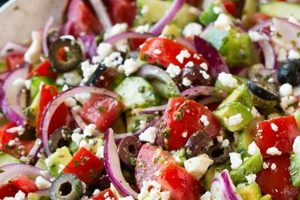
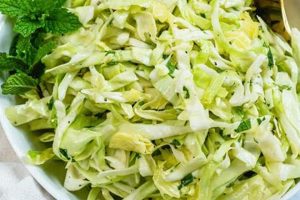
Combinations of cooked barley with various other ingredients, such as vegetables, herbs, proteins, and dressings, constitute a versatile and nutritious dish. A simple example includes cooked pearl barley tossed with chopped cucumbers, tomatoes, red onion, parsley, and a lemon vinaigrette. The possibilities, however, are extensive, ranging from Mediterranean-inspired combinations with olives and feta to Asian-influenced versions with edamame and ginger dressings.
These dishes offer a good source of fiber, contributing to digestive health and promoting satiety. Barley also provides essential vitamins and minerals. Historically, barley has been a staple grain in many cultures for millennia, prized for its nutritional value and adaptability. Its inclusion in salads offers a hearty and flavorful alternative to other grains like rice or pasta, adding textural complexity. The adaptability of this grain allows for diverse flavor profiles catering to various palates and dietary needs.
This exploration will delve into specific ingredient combinations, preparation techniques, and nutritional information related to barley-based salads, offering readers a comprehensive guide to creating and enjoying these wholesome meals.
Tips for Preparing Barley Salads
Achieving optimal flavor and texture in a barley salad requires attention to several key aspects of preparation. The following tips offer guidance for creating successful and satisfying barley-based salads.
Tip 1: Cook Barley Properly: Barley should be cooked until tender but still slightly chewy, retaining a desirable texture. Overcooked barley can become mushy and less appealing in a salad. Rinsing the barley before cooking removes excess starch and helps prevent stickiness.
Tip 2: Select Complementary Ingredients: The versatility of barley allows it to pair well with a wide range of ingredients. Consider flavor combinations and textures when selecting vegetables, proteins, and dressings. Roasted vegetables, grilled chicken or fish, and fresh herbs can enhance the overall flavor profile.
Tip 3: Balance Flavors: A well-balanced salad incorporates a variety of tastes, including sweet, sour, salty, and bitter elements. A bright vinaigrette can cut through the richness of added proteins or cheeses, while a touch of sweetness can complement the earthiness of the barley.
Tip 4: Dress the Salad Appropriately: The dressing should complement the other ingredients without overpowering them. A light vinaigrette is often a good choice, but heavier dressings can also be used depending on the other components of the salad. Adding the dressing just before serving prevents the salad from becoming soggy.
Tip 5: Add Texture: Incorporating ingredients with varying textures creates a more interesting and enjoyable culinary experience. Toasted nuts, seeds, or croutons can provide a satisfying crunch, while dried fruits or fresh herbs can add contrasting textures.
Tip 6: Seasoning is Key: Don’t neglect the importance of proper seasoning. Salt and freshly ground black pepper are essential, but other spices and herbs can also enhance the flavor profile of the salad. Taste and adjust seasonings throughout the preparation process.
Tip 7: Chill Before Serving (Optional): While not always necessary, chilling the salad for a short time before serving can allow the flavors to meld and create a more refreshing dish, particularly during warmer months.
By following these guidelines, one can create flavorful and nutritious barley salads that offer a satisfying and healthy meal option.
These tips provide a foundation for creating delicious barley salads, setting the stage for a deeper exploration of specific recipes and variations.
1. Barley Type
Barley type significantly influences the final character of a barley salad. Different barley varieties offer unique textures and flavors, affecting ingredient pairings and overall culinary experience. Hulled barley, retaining its outer bran layer, imparts a pronounced nutty flavor and chewier texture, suitable for robust salads with roasted vegetables and bolder dressings. Pearl barley, with the bran removed, offers a milder flavor and smoother texture, ideal for lighter salads featuring fresh vegetables and delicate vinaigrettes. Pot barley, a less processed form of pearl barley, falls somewhere in between, offering a slightly chewier texture than pearl barley while maintaining a relatively mild flavor profile.
Consider a salad featuring roasted butternut squash, kale, and dried cranberries. Hulled barley’s robust texture and nutty flavor stand up well to these strong flavors, creating a hearty and satisfying dish. Conversely, a Mediterranean-inspired salad with cucumbers, tomatoes, feta cheese, and a lemon vinaigrette benefits from pearl barley’s light texture and mild flavor, allowing the fresh ingredients to shine. Selecting pot barley for a salad with grilled chicken and a Dijon vinaigrette offers a compromise, providing a pleasant chewiness without overpowering the other flavors.
Understanding the characteristics of each barley type empowers informed recipe choices, ensuring harmonious flavor profiles and textural balance. Choosing the appropriate barley variety elevates the overall dining experience, highlighting complementary ingredients and showcasing the grain’s versatility. This knowledge allows for greater culinary creativity, expanding the range of potential barley salad combinations and ensuring optimal results. Proper barley selection is therefore a critical first step in crafting a delicious and successful barley salad.
2. Ingredient Pairings

Ingredient pairings significantly influence the overall success of barley salads. Harmonious combinations elevate flavor profiles and create textural complexity, while discordant pairings can diminish the dish’s appeal. Strategic ingredient selection is therefore essential for crafting a balanced and satisfying barley salad.
- Vegetables:
A wide array of vegetables complements barley’s earthy flavor. Cruciferous vegetables like broccoli and Brussels sprouts provide nutritional value and textural contrast. Root vegetables such as roasted sweet potatoes or beets offer sweetness and depth. Leafy greens like spinach or kale add freshness and vibrancy. Summer vegetables like cucumbers and tomatoes contribute a light and refreshing element. The choice of vegetables should consider the overall flavor profile and desired seasonality of the salad.
- Proteins:
Protein additions transform barley salad into a complete meal. Grilled chicken or fish offer lean protein options. Chickpeas or lentils provide plant-based protein and fiber. Adding crumbled feta cheese or toasted nuts introduces both protein and healthy fats. The protein choice should complement the other ingredients and contribute to the desired nutritional balance of the dish.
- Fruits and Herbs:
Fruits and herbs introduce contrasting flavors and textures. Dried fruits like cranberries or apricots add sweetness and chewiness. Fresh herbs like parsley, mint, or dill contribute brightness and aromatic complexity. Citrus fruits like oranges or grapefruits provide a burst of acidity. The selection of fruits and herbs should consider the overall flavor profile and desired balance of sweet, savory, and acidic elements.
- Dressings:
Dressings tie the ingredients together and provide a cohesive flavor profile. A light vinaigrette with lemon juice or red wine vinegar offers a refreshing tang. Creamy dressings based on yogurt or tahini add richness and complexity. A simple olive oil and herb dressing enhances the natural flavors of the ingredients. The dressing choice should complement the other ingredients and contribute to the desired texture and overall taste of the salad.
Successful barley salad recipes hinge on thoughtful ingredient pairings. Consideration of flavor profiles, textures, and nutritional value ensures a balanced and satisfying dish. The versatility of barley allows for a diverse range of combinations, offering endless possibilities for culinary exploration. A well-composed barley salad offers not only nutritional benefits but also a delightful sensory experience.
3. Flavor Balance

Flavor balance is paramount in successful barley salad recipes. A harmonious blend of tastessweet, sour, salty, bitter, and umamielevates the dish beyond a simple assemblage of ingredients. Careful consideration of these elements ensures a complex and satisfying culinary experience. An overly sweet salad can be cloying, while excessive acidity can be jarring. Too much salt overwhelms other flavors, and an abundance of bitterness can be unappetizing. Achieving balance requires a nuanced approach, understanding how different ingredients interact and contribute to the overall flavor profile.
Consider a barley salad with roasted butternut squash, crumbled goat cheese, and toasted pecans. The sweetness of the squash is balanced by the tangy goat cheese, while the pecans provide a savory, nutty counterpoint. A light vinaigrette with a touch of maple syrup adds a subtle sweetness and acidity, further enhancing the balance. Alternatively, a barley salad with grilled chicken, Kalamata olives, and feta cheese requires a different approach. The savory chicken and salty olives are complemented by the briny feta. A lemon-herb vinaigrette adds brightness and acidity, cutting through the richness of the other ingredients. In both examples, the interplay of flavors creates a dynamic and enjoyable experience.
Understanding flavor balance empowers informed recipe development and adaptation. Recognizing the inherent taste profiles of ingredients allows for strategic combinations, ensuring a well-rounded and satisfying barley salad. This knowledge enables adjustments to existing recipes, correcting imbalances and enhancing overall flavor. Achieving flavor balance is not merely a culinary technique; it is essential for creating a barley salad that is both nutritious and genuinely pleasurable to consume.
4. Dressing Selection
Dressing selection is integral to successful barley salad recipes. The right dressing elevates flavor profiles, complements ingredient combinations, and enhances the overall dining experience. A thoughtful approach to dressing selection considers the inherent flavors of the barley and other salad components, ensuring a harmonious and balanced final product. An appropriate dressing can unify disparate ingredients, creating a cohesive and satisfying dish.
- Acidity:
Acidity plays a crucial role in balancing the flavors of a barley salad. Vinaigrettes with lemon juice, red wine vinegar, or sherry vinegar provide brightness and cut through the richness of ingredients like cheese or nuts. The level of acidity should complement, not overpower, the other flavors. A salad with delicate vegetables and herbs might benefit from a milder vinaigrette, while a heartier salad with roasted vegetables or grilled meat could handle a more assertive acidity. The interplay of acidity with other taste elements is essential for creating a dynamic and enjoyable salad.
- Creaminess:
Creamy dressings introduce a different dimension to barley salads. Dressings based on yogurt, tahini, or buttermilk add richness and body, coating the barley and other ingredients. Creamy dressings can balance the earthiness of barley and complement ingredients like roasted vegetables or grilled fish. However, the richness of creamy dressings should be considered in relation to the other ingredients, ensuring the salad remains balanced and not overly heavy. A lighter creamy dressing might suit a salad with fresh vegetables, while a richer dressing could complement a salad with roasted root vegetables.
- Flavor Intensity:
The intensity of the dressing’s flavor should harmonize with the other salad components. A bold dressing with strong flavors might overwhelm delicate ingredients, while a subtle dressing might be lost amongst robust flavors. A barley salad with grilled salmon and roasted asparagus could benefit from a vibrant lemon-dill dressing, while a salad with fresh cucumbers and tomatoes might be better suited to a lighter vinaigrette with fresh herbs. The intensity of the dressing’s flavor should enhance, not compete with, the other flavors in the salad.
- Oil Selection:
The type of oil used in the dressing contributes to both flavor and texture. Extra virgin olive oil provides a fruity and peppery flavor, while avocado oil offers a neutral taste and creamy texture. Nut oils like walnut or hazelnut oil impart distinct nutty notes. The oil choice should complement the other ingredients and contribute to the desired flavor profile. A delicate salad might benefit from a light olive oil, while a more robust salad could handle a nut oil’s richer flavor.
These considerations highlight the significance of dressing selection in barley salad recipes. A well-chosen dressing enhances the inherent flavors of the ingredients, creating a cohesive and balanced culinary experience. Careful consideration of acidity, creaminess, flavor intensity, and oil selection ensures that the dressing complements the other components of the salad, resulting in a dish that is both flavorful and satisfying. Dressing selection is not merely an afterthought; it is a crucial element in crafting a successful and enjoyable barley salad.
5. Texture Variations

Textural variation is a critical element in successful barley salad recipes, contributing significantly to the overall sensory experience. A monotonous texture can render a salad, regardless of flavor complexity, unappealing. Conversely, a dynamic interplay of textures elevates the dish, offering a more engaging and satisfying culinary experience. The inherent chewiness of barley provides a foundational texture, creating a platform for incorporating a variety of contrasting elements.
Consider the interplay of textures in a barley salad featuring roasted vegetables, toasted nuts, and dried cranberries. The soft, caramelized vegetables contrast with the crunchy nuts and chewy cranberries, creating a multi-faceted textural profile. The barley itself contributes a pleasant chewiness, further enhancing the overall experience. This dynamic contrast stimulates the palate and adds a layer of complexity beyond flavor alone. Another example could be a barley salad with grilled chicken, crumbled feta cheese, and chopped cucumbers. The tender chicken contrasts with the creamy feta and crisp cucumbers, offering a different yet equally engaging textural experience.
Understanding the importance of textural variation allows for strategic ingredient selection and preparation methods. Toasting nuts or seeds enhances their crunch, while roasting vegetables intensifies their inherent textures. Incorporating fresh herbs or raw vegetables adds brightness and crispness. Thoughtful consideration of these elements ensures a balanced and dynamic textural profile, transforming a simple barley salad into a more sophisticated and satisfying culinary creation. Failure to consider textural interplay can result in a dish that, despite well-balanced flavors, lacks the complexity and engagement offered by a well-executed barley salad.
6. Preparation Methods

Preparation methods significantly influence the final outcome of barley salad recipes. Proper techniques enhance both flavor and texture, elevating the dish from simple to exceptional. The way barley is cooked, vegetables are prepared, and other components are handled directly impacts the overall quality and enjoyment of the salad. Neglecting these crucial steps can result in a subpar dish, even with high-quality ingredients.
Barley Cooking Technique: Cooking barley properly is paramount. Overcooked barley becomes mushy and loses its pleasant chewiness, detracting from the salad’s textural appeal. Undercooked barley, conversely, remains too firm and can be unpleasant to eat. The ideal cooking method yields tender yet slightly chewy grains, providing a satisfying textural foundation for the salad. Rinsing barley before cooking removes excess starch and helps prevent stickiness. The cooking time and liquid ratio should be adjusted based on the specific type of barley used, as hulled barley requires longer cooking times than pearl barley.
Vegetable Preparation: Vegetable preparation methods also contribute significantly to the overall quality of the salad. Roasting vegetables intensifies their sweetness and adds depth of flavor, while grilling imparts a smoky char. Blanching or steaming vegetables preserves their vibrant color and crisp-tender texture. The chosen method should complement the other ingredients and the desired flavor profile of the salad. For instance, a barley salad with roasted root vegetables and a balsamic vinaigrette offers a different flavor and texture experience than a salad with blanched green beans and a lemon-herb vinaigrette.
Ingredient Incorporation and Dressing: The timing of ingredient incorporation and dressing application also plays a crucial role. Adding dressing too early can lead to a soggy salad, particularly with delicate greens or vegetables. Incorporating ingredients at the appropriate stage ensures optimal texture and flavor retention. Delicate herbs, for example, are often best added just before serving to preserve their fresh flavor and prevent wilting. Similarly, crunchy elements like toasted nuts or croutons should be added at the last minute to maintain their crispness.
Mastery of preparation methods is fundamental to successful barley salad recipes. Proper cooking techniques, thoughtful vegetable preparation, and strategic ingredient incorporation ensure optimal flavor, texture, and overall enjoyment. Attention to these details elevates the dish, showcasing the versatility of barley and the potential for culinary creativity within this seemingly simple dish.
Frequently Asked Questions
This section addresses common inquiries regarding barley salad recipes, providing concise and informative responses to facilitate successful preparation and enjoyable culinary experiences.
Question 1: What type of barley is best suited for salads?
Pearl barley, with its milder flavor and quicker cooking time, is often preferred. Hulled barley, offering a nuttier flavor and chewier texture, also works well, particularly in salads with robust flavors. Pot barley provides a middle ground.
Question 2: Can barley be cooked in advance for salad preparation?
Yes, cooked barley can be refrigerated for up to three days. Allow it to cool completely before storing in an airtight container. This advance preparation simplifies the salad assembly process.
Question 3: How can one prevent barley salad from becoming soggy?
Dress the salad just before serving. If using juicy vegetables, consider salting them lightly and allowing them to drain excess moisture before incorporating them into the salad.
Question 4: What are some suitable protein additions for barley salad?
Grilled chicken, fish, chickpeas, lentils, tofu, and cheese complement barley well. The protein choice should align with overall flavor profiles and dietary preferences.
Question 5: Can barley salad be served warm?
While typically served cold, barley salad can be served warm, particularly with roasted vegetables or grilled proteins. The warmth enhances certain flavor combinations.
Question 6: How can one enhance the nutritional value of barley salad?
Incorporating a variety of colorful vegetables, lean protein sources, and healthy fats like nuts or seeds maximizes the nutritional content. Using whole-grain barley further enhances the fiber content.
Understanding these frequently asked questions enables informed decision-making during recipe selection and preparation, contributing to more successful and enjoyable barley salad experiences.
This FAQ section provides a foundational understanding, paving the way for further exploration of specific barley salad recipes and variations.
Conclusion
Exploration of barley salad recipes reveals a versatile culinary landscape. Factors such as barley type, ingredient pairings, flavor balance, dressing selection, textural variations, and preparation methods significantly impact the final product. Consideration of these elements allows for diverse flavor profiles and nutritional value, catering to a range of palates and dietary needs. Proper cooking techniques and thoughtful ingredient selection are essential for maximizing flavor and textural complexity. Addressing frequently asked questions provides practical guidance for successful preparation and enjoyable culinary experiences.
The adaptability of barley as a foundation for salads presents opportunities for culinary creativity and exploration. Understanding the interplay of flavors, textures, and preparation techniques empowers individuals to create nutritious and satisfying meals. Continued exploration of barley salad recipes promises a diverse and evolving culinary landscape, offering a canvas for innovative ingredient combinations and flavor profiles.