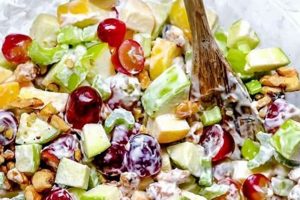
Potluck gatherings often call for dishes that are simple to prepare, transport, and serve. Salads ideally fulfill this need, offering a refreshing and healthy counterpoint to heavier dishes. A well-chosen salad can be assembled with minimal effort, utilizing readily available ingredients, and requiring little to no cooking. For example, a vibrant pasta salad with pre-cooked noodles, chopped vegetables, and a vinaigrette dressing requires minimal preparation time and travels well.
Contributing a well-received salad can enhance the overall potluck experience. These dishes are generally crowd-pleasing, catering to a variety of dietary preferences and offering a lighter option alongside richer fare. Historically, salads have represented communal dining, emphasizing shared resources and collective enjoyment. Their adaptability and versatility make them a perennial favorite for social gatherings. Furthermore, transporting components separately and combining them at the event ensures freshness and prevents the salad from becoming soggy during travel.
The following sections will explore specific salad categories suitable for potlucks, including classic pasta salads, robust grain-based options, refreshing vegetable medleys, and vibrant fruit combinations. Tips for ingredient selection, preparation, transportation, and presentation will also be provided to ensure a successful contribution to any potluck gathering.
Tips for Potluck Salads
Careful planning ensures a successful potluck contribution. These tips offer guidance for selecting, preparing, and transporting salads designed for shared meals.
Tip 1: Prioritize Make-Ahead Components. Select recipes with elements that can be prepared in advance. Pre-chopped vegetables, cooked grains, and dressings can be stored separately and combined just before serving.
Tip 2: Emphasize Sturdy Ingredients. Delicate greens, such as butter lettuce, wilt easily. Opt for heartier greens like romaine, kale, or spinach, which hold up better during transport.
Tip 3: Pack Dressings Separately. To prevent a soggy salad, transport dressings in separate containers and toss them with the other ingredients just before serving.
Tip 4: Consider Transportation Logistics. Choose a serving container that is easy to transport and fits comfortably in a cooler or insulated bag. Avoid glass containers whenever possible.
Tip 5: Embrace Room-Temperature Options. Grain-based salads, pasta salads, and certain vegetable salads can be served at room temperature, eliminating the need for chilling.
Tip 6: Provide Serving Utensils. Include serving spoons or tongs with the salad to facilitate easy serving and minimize potential contamination.
Tip 7: Label Clearly and Consider Allergens. Clearly label the salad with its name and list any potential allergens, such as nuts, dairy, or gluten, for the benefit of other attendees.
Implementing these strategies contributes to a stress-free potluck experience, ensuring a delicious and well-received salad offering.
By considering these factors, contributions to potluck gatherings can be both enjoyable and appreciated.
1. Simple Ingredients
Ease of preparation is a defining characteristic of successful potluck dishes. Utilizing simple ingredients contributes significantly to this objective, allowing for efficient assembly and reducing overall preparation time. This approach also broadens accessibility, as simple ingredients are often readily available and budget-friendly.
- Accessibility and Affordability
Simple ingredients are typically readily available in most grocery stores and markets. This accessibility eliminates the need for specialized sourcing or ingredient substitutions. Choosing common, seasonal produce also contributes to affordability, making these salads cost-effective options for potluck contributions.
- Reduced Preparation Time
Recipes relying on simple ingredients often involve less chopping, processing, and pre-cooking. For example, a salad featuring cherry tomatoes, pre-washed spinach, and canned chickpeas requires significantly less preparation than one with roasted vegetables or homemade croutons. This streamlined approach maximizes efficiency, particularly valuable when time is limited.
- Adaptability and Versatility
Simple ingredients offer flexibility for customization. A basic salad framework of lettuce, a protein source, and a simple vinaigrette can be easily adapted with readily available additions such as nuts, seeds, dried fruits, or crumbled cheese. This versatility allows for personalization while maintaining simplicity.
- Focus on Freshness and Flavor
With fewer components, the inherent flavors of fresh, high-quality ingredients can shine. A simple salad highlighting ripe tomatoes, crisp cucumbers, and fragrant herbs allows the natural flavors of these ingredients to take center stage, creating a vibrant and refreshing dish.
By prioritizing simple ingredients, potluck salads achieve a balance of convenience, affordability, and flavor. This approach ensures that the focus remains on creating a delicious and accessible dish suitable for shared meals, rather than complex culinary techniques or elaborate preparations.
2. Minimal Preparation

Minimal preparation is a cornerstone of recipes suitable for potlucks. Time constraints often influence dish selection for such gatherings. Recipes requiring extensive preparation are less desirable due to the time commitment involved. A salad requiring minimal chopping, mixing, or cooking allows contributors to focus on other aspects of event preparation or simply enjoy more leisure time. For example, a black bean and corn salad, utilizing canned ingredients and pre-chopped red onion, requires significantly less preparation than a salad involving roasted vegetables and a homemade dressing.
This emphasis on simplified preparation also contributes to reduced stress associated with potluck contributions. Complex recipes can introduce anxiety regarding timing, execution, and potential culinary mishaps. Simpler salads offer a greater margin for error and require less intensive focus during preparation. This contributes to a more relaxed and enjoyable cooking experience, aligning with the social and celebratory nature of potlucks. Furthermore, minimal preparation often translates to fewer dishes and utensils required for cooking and cleanup, further streamlining the process.
The practical significance of minimal preparation extends beyond individual convenience. It facilitates a broader range of participation in potluck events. Individuals with limited cooking experience or time constraints can contribute confidently, fostering a more inclusive and collaborative atmosphere. This accessibility encourages greater diversity in dishes offered, enriching the overall potluck experience. The focus shifts from elaborate culinary displays to shared enjoyment and community building, highlighting the core values of potluck gatherings. This principle underscores the value of simplicity and accessibility in contributing to shared meals.
3. Transportable Design

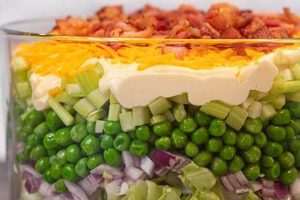
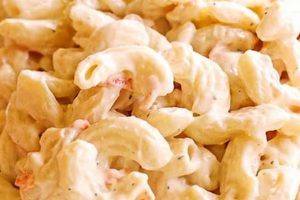
Transportable design is paramount for potluck salads. The inherent nature of potlucks necessitates transporting dishes from one location to another, often requiring travel in vehicles or carrying by hand. A salad’s structural integrity and ease of transport directly impact its suitability for such events. Consider a layered salad in a clear glass container. While visually appealing at home, it presents transport challenges due to potential spillage and breakage. Conversely, a robust pasta salad in a secure, reusable container travels well, maintaining its presentation and minimizing risk during transit.
Several factors contribute to a transportable salad design. Choosing sturdy ingredients resistant to wilting or damage is crucial. For example, hearty greens like kale fare better during transport than delicate lettuces. Packing components separately, such as dressings and crunchy toppings, prevents premature mixing and sogginess, maintaining optimal texture and flavor upon arrival. The choice of container also plays a significant role. Durable, leak-proof containers with secure lids are essential for preventing spills and maintaining food safety during transport. Lightweight, reusable containers are preferable for ease of carrying and minimizing environmental impact.
Understanding transportable design allows for informed recipe selection and preparation techniques. Choosing appropriate ingredients, packing methods, and containers minimizes potential mishaps and ensures the salad arrives in optimal condition. This, in turn, contributes to a positive potluck experience, allowing focus to shift from logistical concerns to social interaction and enjoyment of the shared meal. Practical considerations of transportability directly influence the success and enjoyment of potluck contributions.
4. Crowd-pleasing Flavors
Flavor profiles significantly influence the reception of any dish, particularly within the communal setting of a potluck. Palatability and broad appeal are key considerations when selecting a salad recipe for such an occasion. A salad featuring universally enjoyed flavors increases the likelihood of positive feedback and minimizes the risk of leftovers. Balancing familiarity with subtle nuances ensures the dish complements the diverse offerings at a potluck, contributing to a harmonious and enjoyable dining experience. Understanding how flavor profiles interact with the overall potluck context is crucial for recipe selection.
- Balancing Familiar and Unique
While familiar flavors provide a sense of comfort and reassurance, incorporating unique elements can elevate a simple salad to a memorable dish. A classic potato salad, for example, gains complexity and intrigue with the addition of fresh dill or grainy mustard. This balance caters to a wider range of palates, offering both familiarity and a touch of novelty. The key lies in introducing unique flavors judiciously, ensuring they complement rather than overpower the core ingredients.
- Considering Dietary Restrictions and Preferences
Potlucks often involve guests with diverse dietary restrictions and preferences. A crowd-pleasing salad should ideally accommodate these variations. Offering a vegan option alongside a traditional one, or ensuring gluten-free ingredients are used, broadens the appeal and inclusivity of the contribution. Clear labeling of ingredients and potential allergens facilitates informed choices for attendees, enhancing the overall dining experience.
- Adapting to Seasonal Ingredients
Utilizing seasonal ingredients enhances flavor and freshness while also often aligning with cost-effectiveness. A summer salad featuring ripe tomatoes and cucumbers embodies the season’s vibrancy, while a fall salad incorporating roasted butternut squash and pecans evokes autumnal warmth. This adaptability ensures the salad resonates with the occasion and provides a refreshing contrast to other dishes.
- The Role of Texture and Visual Appeal
Flavor perception extends beyond taste alone. Texture and visual appeal play a significant role in creating a crowd-pleasing dish. A combination of crunchy, creamy, and chewy elements adds complexity and interest. Incorporating a variety of colors and shapes enhances visual appeal, making the salad more inviting. A visually appealing salad, featuring vibrant colors and varied textures, alongside appealing flavors, encourages engagement and enjoyment.
Successfully navigating the nuances of crowd-pleasing flavors directly contributes to a positive potluck experience. A well-received salad not only satisfies individual palates but also enhances the overall sense of community and shared enjoyment, reinforcing the social significance of potluck gatherings. By carefully considering flavor profiles, dietary needs, and presentation, contributions become more than just individual dishes; they become integral components of a collective culinary experience.
5. Versatile Servings

Versatility in serving style directly contributes to a salad’s suitability for potlucks. These gatherings, characterized by diverse attendees and often unpredictable serving arrangements, benefit from dishes adaptable to various presentation formats. A salad easily portioned onto individual plates, incorporated into buffet-style spreads, or served communally from a large bowl offers flexibility and accommodates diverse serving preferences. This adaptability minimizes logistical challenges and ensures efficient and enjoyable serving for all participants. Consider, for instance, a quinoa salad with roasted vegetables. Its structural integrity allows for individual plating, while its robust composition withstands the rigors of a buffet-style setup. Conversely, a delicate green salad with a light vinaigrette, while elegant, might prove less versatile due to potential wilting and challenges in portioning within a buffet context.
The practical implications of versatile servings extend beyond mere convenience. They contribute to minimizing food waste. A salad easily portioned according to individual needs reduces the likelihood of excess servings and discarded leftovers. This aspect aligns with the principles of mindful consumption and resource optimization, increasingly relevant in contemporary social gatherings. Furthermore, versatile servings enhance inclusivity. Guests with varying dietary requirements or preferences can easily customize their portions. A salad offering a base of mixed greens with separate bowls of toppingssuch as nuts, seeds, cheeses, and proteinsallows individuals to tailor their servings to meet specific dietary needs and preferences. This customization empowers guests and fosters a welcoming and accommodating atmosphere.
Adaptability in serving style is therefore a crucial element in designing successful potluck salads. It facilitates efficient distribution, minimizes waste, and promotes inclusivity, enhancing the overall dining experience for all participants. Understanding this connection allows for informed recipe selection and preparation, contributing to a more harmonious and enjoyable potluck gathering. Prioritizing versatile servings reinforces the communal spirit of these events, emphasizing shared enjoyment and thoughtful consideration for all attendees.
6. Durable Components

Ingredient selection significantly impacts the structural integrity of a salad, particularly crucial for potluck contributions. Durable components ensure the dish withstands transport and maintains an appealing presentation upon arrival. Delicate ingredients prone to wilting or bruising detract from the overall appeal and enjoyment. Selecting robust components ensures the salad remains visually appealing and palatable throughout the duration of the potluck, contributing to a positive dining experience.
- Hearty Greens:
Robust greens, such as kale, romaine, or spinach, form a resilient base compared to delicate lettuces like butter lettuce or iceberg. Their sturdier structure withstands transport and handling without significant wilting or bruising, maintaining a fresh appearance and pleasant texture. This durability is essential for potluck salads, where dishes often experience temperature fluctuations and movement.
- Cruciferous Vegetables:
Vegetables like broccoli, cauliflower, and Brussels sprouts offer both textural and visual appeal while maintaining their structure in a salad. They retain their crispness and vibrant color even after being dressed or stored for a period, contributing to an appealing presentation throughout the potluck. Their resilience makes them ideal components for salads intended for transport and shared serving.
- Root Vegetables and Winter Squash:
Roasted or raw root vegetables like carrots, beets, and sweet potatoes, as well as winter squash varieties like butternut or acorn, offer both flavor and durability. Their dense structure resists damage during transport and handling, ensuring the salad maintains its visual appeal and textural integrity. Their earthy flavors also complement a wide range of dressings and other ingredients, contributing to overall palatability.
- Grains and Legumes:
Incorporating cooked grains like quinoa, farro, or barley, and legumes such as chickpeas, black beans, or lentils, adds substance and textural complexity while contributing to a salad’s durability. These ingredients hold their shape and texture well, even when combined with dressings or other ingredients. Their versatility allows for diverse flavor combinations and nutritional value, enhancing the overall appeal of the salad.
Prioritizing durable components in potluck salad recipes directly correlates with the dish’s overall success. A salad maintaining its structural integrity and visual appeal throughout transport and serving contributes to a more positive dining experience for all. This consideration not only preserves the intended flavors and textures but also demonstrates thoughtful preparation and consideration for fellow attendees, aligning with the communal spirit of potluck gatherings. Selecting ingredients that hold up well under various conditions ensures the salad remains a visually appealing and palatable contribution to the shared meal.
7. Make-Ahead Convenience
Time management represents a significant factor in potluck participation. Make-ahead convenience directly addresses this concern, transforming potentially stressful preparation into a manageable task. Salads offering this advantage allow contributors to focus on other event-related activities or simply enjoy more free time prior to the gathering. This aspect is crucial for maximizing enjoyment and minimizing stress associated with potluck contributions. Pre-preparing components reduces the pressure of last-minute assembly, ensuring a relaxed and enjoyable potluck experience.
- Component Preparation:
Deconstructing salad recipes into make-ahead components optimizes time management. Chopping vegetables, cooking grains, and preparing dressings in advance streamlines the final assembly process. Storing these elements separately preserves freshness and prevents premature mixing, ensuring optimal flavor and texture upon serving. For instance, roasted vegetables for a grain salad can be prepared days ahead, and vinaigrette dressings stored separately, ready for final tossing just before the potluck.
- Reduced Day-Of Stress:
Make-ahead convenience significantly reduces the stress associated with day-of preparation. Having key components ready eliminates the pressure of multitasking during the often hectic hours leading up to a potluck. This allows contributors to focus on other aspects of event preparation, such as transporting the dish or coordinating other contributions, ultimately fostering a more relaxed and enjoyable experience.
- Enhanced Flavor Development:
Certain salad components benefit from advanced preparation, as flavors meld and intensify over time. Marinating proteins, for example, or allowing grain salads to rest enhances their flavor profiles. This pre-emptive step elevates the final dish, contributing to a more satisfying and complex culinary experience for potluck attendees. This enhancement results in a more robust and flavorful salad, maximizing enjoyment at the gathering.
- Improved Food Safety:
Make-ahead convenience contributes to improved food safety by reducing the number of tasks requiring attention on the day of the event. This minimizes the risk of cross-contamination and ensures appropriate chilling times for perishable ingredients. Properly storing pre-prepared components maintains freshness and prevents bacterial growth, safeguarding the health of potluck attendees. This proactive approach prioritizes food safety, crucial for shared meals.
Make-ahead convenience directly enhances the overall potluck experience. By reducing preparation time and stress, it allows contributors to fully engage in the social aspects of the gathering. This element contributes to a more relaxed and enjoyable event for all participants, reinforcing the communal spirit of potlucks. The ability to prepare components in advance ensures a smoother, more efficient, and ultimately more rewarding potluck contribution.
Frequently Asked Questions
Addressing common inquiries regarding salads designed for potluck gatherings provides clarity and facilitates informed decision-making. The following questions and answers offer practical guidance for selecting, preparing, and transporting salads suitable for shared meals.
Question 1: What are the best salad greens for a potluck?
Heartier greens like romaine, kale, or spinach are recommended for potlucks. They withstand transport better than delicate greens such as butter lettuce, which wilt easily. These robust greens maintain their texture and appearance, ensuring a fresh-looking salad even after transport.
Question 2: How can sogginess be prevented in a transported salad?
Transporting dressings separately is crucial for preventing sogginess. Pack dressings in airtight containers and toss them with the salad just before serving. This practice preserves the crispness of the ingredients and maintains the desired texture.
Question 3: What types of salads are best suited for room temperature serving?
Grain-based salads, pasta salads, and certain vegetable salads hold up well at room temperature. These salads eliminate the need for refrigeration, simplifying logistics at potluck gatherings. Avoid salads containing mayonnaise or other ingredients requiring refrigeration for food safety.
Question 4: How can cross-contamination be minimized when transporting salads?
Using clean, airtight containers and separate serving utensils minimizes cross-contamination risks. Avoid touching the salad directly during serving. These practices contribute to maintaining food safety and hygiene.
Question 5: What are some strategies for making potluck salad preparation less time-consuming?
Utilizing pre-chopped vegetables, pre-cooked grains, and canned legumes significantly reduces preparation time. These shortcuts allow for efficient assembly without compromising flavor or quality.
Question 6: How can one ensure a potluck salad caters to various dietary needs?
Clearly labeling the salad and listing all ingredients, including potential allergens, is essential. Offering a variety of toppings and dressings separately allows guests to customize their servings according to their preferences and dietary restrictions. This thoughtful approach promotes inclusivity and ensures everyone can enjoy the meal.
Careful consideration of these frequently asked questions facilitates successful potluck salad preparation and contributes to a positive shared dining experience. Prioritizing food safety, transportability, and guest preferences ensures the chosen salad enhances the overall gathering.
The insights gleaned from these FAQs can be applied directly to the recipe selection and preparation processes, ensuring a successful and enjoyable contribution to any potluck event.
Easy Salad Recipes for Potluck
Careful consideration of factors such as ingredient selection, preparation methods, and transport logistics contributes significantly to the success of potluck salads. Prioritizing durable components, crowd-pleasing flavors, and make-ahead convenience ensures a positive contribution to shared meals. Understanding the importance of transportable design and versatile servings further enhances the overall potluck experience. Recipes emphasizing simplicity and adaptability empower individuals to contribute confidently, fostering a more inclusive and enjoyable culinary environment.
Potluck gatherings represent opportunities for communal enjoyment and shared culinary experiences. Thoughtful preparation, emphasizing accessibility and convenience, strengthens the connections forged through these shared meals. Choosing a well-suited salad enhances not only the meal itself but also the overall social interaction, underscoring the value of collaborative dining. The simplicity and adaptability inherent in easy salad recipes for potluck facilitate a more relaxed and rewarding experience for both contributors and attendees alike.