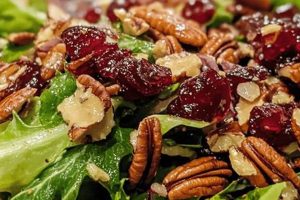
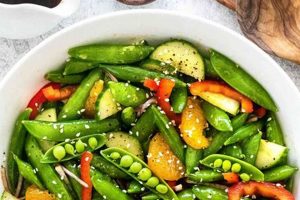
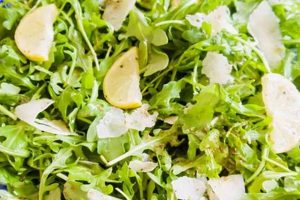
Vibrant, colorful salads composed of a diverse array of fruits and vegetables offer a visually appealing and nutritionally rich meal option. These salads typically feature ingredients spanning a wide color spectrum, incorporating reds (tomatoes, peppers), oranges (carrots, oranges), yellows (bell peppers, corn), greens (lettuce, spinach), blues/purples (blueberries, red cabbage), and sometimes even whites/browns (mushrooms, onions). An example might include a mix of spinach, strawberries, mandarin oranges, yellow bell peppers, purple cabbage, and avocado.
The focus on diverse color representation correlates with a broad intake of vitamins, minerals, and antioxidants. Each color group signifies the presence of different phytonutrients, which contribute to various health benefits, such as boosting the immune system, improving heart health, and reducing the risk of chronic diseases. Historically, the emphasis on consuming a variety of colorful produce has roots in traditional dietary practices and folk medicine, recognizing the connection between diet and well-being. Modern nutritional science supports this approach, emphasizing the importance of a balanced intake of fruits and vegetables for optimal health.
This exploration delves into the art of crafting such vibrant and healthy meals, covering topics like ingredient selection, preparation techniques, dressing options, and creative presentation ideas. It also addresses considerations for dietary restrictions, seasonal variations, and maximizing nutritional value.
Tips for Creating Vibrant and Nutritious Salads
Maximizing both the visual appeal and nutritional value of colorful salads requires careful consideration of ingredient selection, preparation methods, and overall composition. The following tips offer guidance for crafting truly exceptional salads.
Tip 1: Embrace Seasonal Produce: Selecting fruits and vegetables in season ensures optimal flavor and nutritional content. Farmers’ markets offer a wide array of seasonal options and can inspire creative combinations.
Tip 2: Prioritize Variety within Color Groups: While aiming for a rainbow of colors, include multiple items within each color group to maximize the diversity of nutrients. For example, within the red group, combine tomatoes with red peppers and strawberries.
Tip 3: Consider Texture and Flavor Profiles: Balance textures by incorporating crunchy elements (nuts, seeds, raw vegetables) with softer components (cooked vegetables, berries). Similarly, balance sweet and savory flavors for a more complex and enjoyable experience.
Tip 4: Prepare Ingredients Properly: Wash all produce thoroughly. Certain vegetables benefit from blanching or roasting to enhance flavor and digestibility. Cutting ingredients into uniform sizes ensures even cooking and a visually appealing presentation.
Tip 5: Explore Creative Dressing Options: Dressings can significantly impact flavor and nutritional value. Experiment with homemade vinaigrettes using different oils, vinegars, and herbs, or opt for lighter dressings based on yogurt or citrus juices.
Tip 6: Enhance with Healthy Fats and Proteins: Adding healthy fats (avocado, nuts, seeds) and protein sources (lean meats, beans, lentils) enhances satiety and nutritional completeness, transforming the salad into a more substantial meal.
Tip 7: Mindful Presentation Matters: Arranging the salad components thoughtfully enhances visual appeal and encourages enjoyment. Consider layering ingredients, creating patterns, or using attractive serving bowls.
By following these tips, one can consistently create salads that are not only visually stunning but also nutritionally dense and deeply satisfying. This approach promotes a balanced and enjoyable way to increase fruit and vegetable intake, contributing to overall health and well-being.
Following these practical guidelines allows for the creation of consistently appealing and healthful salads, contributing to a more vibrant and balanced dietary approach.
1. Color Variety
Color variety forms the cornerstone of vibrant and nutritionally rich salads. The concept goes beyond mere aesthetics; each color group represents a distinct set of phytonutrients, beneficial plant compounds that contribute to overall health. Red produce, such as tomatoes and red bell peppers, are rich in lycopene, an antioxidant linked to heart health. Orange and yellow hues in carrots, sweet potatoes, and citrus fruits indicate the presence of carotenoids, which support eye health and immune function. Leafy greens, like spinach and kale, provide folate and vitamin K, essential for cell growth and blood clotting. Purple and blue fruits and vegetables, including blueberries and red cabbage, contain anthocyanins, potent antioxidants with anti-inflammatory properties.
The deliberate inclusion of a diverse color palette ensures a wider spectrum of these vital nutrients. For example, a salad featuring red tomatoes, orange carrots, yellow bell peppers, green spinach, and purple cabbage delivers a more comprehensive range of phytonutrients than a salad composed solely of lettuce and tomatoes. This diverse intake contributes to a more robust and balanced nutritional profile, supporting various bodily functions and promoting long-term well-being.
Understanding the nutritional significance of color variety empowers informed choices when composing salads. Prioritizing a diverse range of colors optimizes nutrient intake and contributes to a more healthful and vibrant diet. This approach not only enhances the visual appeal of the salad but also maximizes its potential health benefits, reinforcing the crucial link between diet and well-being.
2. Nutrient Density

Nutrient density represents a crucial aspect of healthful eating, particularly within the context of vibrant salads. It refers to the concentration of vitamins, minerals, and other beneficial nutrients relative to the caloric content of a food. Maximizing nutrient density ensures that each calorie consumed contributes significantly to overall health and well-being. In the context of rainbow salads, this principle translates to selecting ingredients that offer a wealth of nutrients while maintaining a reasonable caloric load.
- Micronutrient Diversity
Rainbow salads, by their very nature, encourage a diverse intake of micronutrients. The varied colors of fruits and vegetables correspond to a wide array of vitamins and minerals. For example, dark leafy greens contribute vitamin K and folate, while red bell peppers provide vitamin C and antioxidants. This diversity is crucial for supporting various bodily functions, from immune system regulation to bone health and cellular repair. A single salad can deliver a significant portion of the recommended daily intake of multiple micronutrients.
- Macronutrient Balance
While micronutrients are essential, macronutrient balance also plays a role in nutrient density. Incorporating healthy fats from sources like avocados, nuts, and seeds enhances the absorption of fat-soluble vitamins and provides essential fatty acids. Adding lean protein, such as grilled chicken or legumes, contributes to satiety and supports muscle maintenance and repair. This balance ensures the salad provides sustained energy and contributes to overall dietary balance.
- Calorie Control
Nutrient density also considers caloric content. While nutrient-rich ingredients are prioritized, portion control and mindful ingredient choices help maintain a healthy calorie balance. Opting for lower-calorie dressings and avoiding excessive amounts of high-calorie toppings, like croutons or cheese, allows for the inclusion of a wider variety of nutrient-rich produce without exceeding caloric goals. This approach maximizes the nutritional value of the salad while supporting weight management or maintenance.
- Bioavailability
Nutrient density isn’t solely about the quantity of nutrients present but also their bioavailabilitythe extent to which the body can absorb and utilize them. Certain combinations of foods can enhance nutrient absorption. For instance, consuming vitamin C-rich foods, like bell peppers, alongside iron-rich spinach improves iron absorption. Understanding these synergistic relationships allows for the creation of salads that not only provide a wide array of nutrients but also maximize their utilization by the body.
By emphasizing nutrient density in rainbow salad creation, individuals can maximize the health benefits of their meals. Combining a diverse array of colorful produce with mindful choices regarding fats, proteins, and portion sizes results in salads that are not only visually appealing and flavorful but also contribute significantly to overall nutritional well-being. This approach supports a balanced and healthful diet, promoting long-term health and vitality.
3. Ingredient Combinations
Ingredient combinations are fundamental to a successful rainbow salad recipe. The interplay of flavors, textures, and colors contributes significantly to the overall sensory experience and nutritional value. Careful consideration of these combinations elevates the salad from a simple assortment of ingredients to a cohesive and satisfying dish. A strategic approach involves balancing contrasting elements while ensuring complementary flavors harmonize.
Texture plays a crucial role. A combination of crisp romaine lettuce, crunchy cucumber, and juicy tomatoes offers a more dynamic experience than a salad composed solely of soft leafy greens. Incorporating roasted nuts or seeds adds another layer of textural complexity. Similarly, balancing flavors is essential. Pairing sweet fruits like berries or mandarin oranges with peppery greens like arugula or watercress creates a delightful contrast. Adding a salty element, such as feta cheese or olives, further enhances the flavor profile. Consideration should also be given to the intensity of flavors; strong-flavored ingredients, like red onion or raw garlic, should be used sparingly to avoid overpowering the other components. Specific examples include combining roasted sweet potatoes with tangy goat cheese and toasted pecans for a warm autumnal salad, or pairing grilled halloumi with watermelon and fresh mint for a refreshing summer option.
Mastering ingredient combinations unlocks the full potential of rainbow salad recipes. Understanding the interplay of flavors and textures allows for the creation of not only visually appealing but also deeply satisfying and nutritionally balanced meals. This knowledge empowers individuals to experiment with diverse ingredients and create salads tailored to individual preferences and dietary needs, ultimately enhancing enjoyment and promoting a healthier relationship with food.
4. Flavor Balance
Flavor balance is paramount in crafting successful rainbow salad recipes. A harmonious blend of tastes elevates the salad beyond a simple collection of ingredients, transforming it into a cohesive and enjoyable culinary experience. Achieving this balance involves a nuanced understanding of how different taste profiles interact and complement each other. Sweet, sour, salty, bitter, and umami elements must be carefully considered and strategically combined to create a well-rounded and satisfying flavor profile.
- The Interplay of Tastes
The five basic tastessweet, sour, salty, bitter, and umamiform the foundation of flavor balance. In a rainbow salad, the natural sweetness of fruits, such as berries or mangoes, can be balanced by the tanginess of a vinaigrette or the bitterness of certain greens, like arugula. Adding a salty element, such as feta cheese or toasted nuts, provides another layer of complexity. Umami, a savory taste often associated with mushrooms or aged cheese, can further enhance the depth of flavor.
- Balancing Contrasting Flavors
Strategic use of contrasting flavors adds dynamism and excitement to a salad. The sweetness of roasted carrots can be offset by the peppery bite of radishes, while the creamy richness of avocado complements the acidity of a lemon vinaigrette. These contrasts prevent the salad from becoming monotonous and create a more engaging sensory experience. The interplay of contrasting flavors keeps the palate interested and stimulates appetite.
- Highlighting Individual Ingredients
While overall balance is crucial, highlighting the unique flavors of individual ingredients is equally important. A delicate vinaigrette allows the natural sweetness of fresh berries to shine, while a sprinkle of sea salt enhances the earthiness of roasted vegetables. The goal is to create a symphony of flavors where each component contributes to the overall composition without being overshadowed. This approach allows for a greater appreciation of the individual ingredients and their unique contributions to the salad.
- Seasonality and Flavor Profiles
Seasonal variations in produce influence flavor profiles and should be considered when balancing flavors. Summer salads might feature lighter, brighter flavors, such as fresh herbs and citrus vinaigrettes, while autumnal salads might incorporate warmer, earthier notes, such as roasted root vegetables and nutty dressings. Adapting flavor combinations to seasonal produce ensures optimal taste and maximizes the nutritional value derived from in-season ingredients.
A well-balanced flavor profile is essential for a truly satisfying rainbow salad. By thoughtfully combining contrasting tastes, highlighting individual ingredients, and considering seasonal variations, one can create salads that are not only visually appealing but also offer a complex and enjoyable culinary experience. This approach elevates the salad from a simple side dish to a centerpiece of a healthy and flavorful meal.
5. Presentation
Presentation plays a significant role in the overall enjoyment and perceived value of rainbow salad recipes. While nutritional value and flavor balance remain paramount, visual appeal enhances the dining experience and can even influence perceived taste and satisfaction. Thoughtful presentation elevates the salad from a simple meal to a culinary creation, encouraging consumption and appreciation of the diverse ingredients.
- Color Arrangement
Strategic color arrangement maximizes visual impact. Rather than randomly tossing ingredients together, consider arranging them in distinct sections or patterns to showcase the vibrant hues. A circular arrangement, moving through the color spectrum from red to violet, creates a visually striking presentation. Alternatively, arranging ingredients in rows or blocks emphasizes the variety and creates a sense of artistry. This deliberate placement enhances the visual appeal and reinforces the “rainbow” concept.
- Texture and Height
Varying textures and creating height add visual interest and dimension. Leafy greens provide a base, while chopped vegetables, fruits, nuts, and seeds offer contrasting textures. Mounding certain ingredients, like shredded carrots or crumbled cheese, creates height and visual appeal. Consider the interplay of textures, combining smooth avocado slices with crunchy croutons or toasted nuts. This variation prevents a monotonous appearance and adds a tactile element to the visual experience.
- Serving Vessels and Garnishes
The choice of serving vessel influences the overall presentation. A clear glass bowl showcases the vibrant colors and layered ingredients, while a rustic wooden bowl adds a natural touch. Garnishes, used sparingly, provide finishing touches. Fresh herbs, edible flowers, or a sprinkle of spice add pops of color and aroma. The serving vessel and garnishes should complement the salad’s style and enhance its visual appeal without overpowering the main components.
- Photography and Sharing
In the digital age, the presentation extends beyond the physical plate. Capturing the vibrant colors and textures through photography allows for sharing and inspiration within online communities. Well-composed photographs not only showcase the salad’s visual appeal but also communicate its freshness and healthfulness. Sharing these images can inspire others to create their own colorful and nutritious salads, promoting healthy eating habits and culinary creativity.
Effective presentation enhances the enjoyment and appreciation of rainbow salad recipes. By considering color arrangement, texture, serving vessels, and even photographic representation, one can transform a simple salad into a visually stunning and enticing meal. This attention to detail elevates the dining experience and encourages a deeper appreciation for the artistry and nutritional value of these vibrant culinary creations.
Frequently Asked Questions
This section addresses common inquiries regarding the creation and consumption of vibrant, nutrient-rich salads incorporating a diverse array of colorful fruits and vegetables.
Question 1: How does one ensure a rainbow salad provides a balanced meal?
Balance is achieved by incorporating protein sources (lean meats, beans, lentils, tofu), healthy fats (avocado, nuts, seeds), and complex carbohydrates (quinoa, brown rice). This ensures satiety and provides sustained energy.
Question 2: Can these salads be adapted for various dietary restrictions?
Absolutely. Gluten-free versions are readily achievable by omitting croutons or using gluten-free alternatives. Vegan options utilize plant-based proteins and omit dairy-based dressings. Adjustments can be made for other restrictions as well.
Question 3: What are optimal storage methods to maintain freshness?
Store ingredients separately and combine just before serving. Leafy greens should be stored in airtight containers with a paper towel to absorb moisture. Dressings should be stored separately.
Question 4: Are there time-saving tips for preparing these salads?
Pre-washing and chopping vegetables, preparing dressings in advance, and utilizing pre-cooked protein sources, such as grilled chicken or roasted chickpeas, significantly reduce preparation time.
Question 5: How can one avoid soggy salads?
Sogginess can be avoided by thoroughly drying ingredients after washing and adding dressings just before serving. Heartier greens, such as kale or romaine, tend to hold up better than delicate greens like spinach.
Question 6: How does one encourage children to enjoy these salads?
Involving children in the preparation process, offering a variety of colorful ingredients, and creating playful presentations, such as arranging vegetables in fun shapes, can increase their willingness to try new foods.
Understanding the principles of balance, adaptability, and proper storage allows for consistent creation of satisfying and nutritious meals.
The subsequent section provides specific recipe examples showcasing the versatility and delicious potential of these colorful and healthful culinary creations.
Rainbow Salad Recipes
Exploration of rainbow salad recipes reveals a versatile and engaging approach to healthful eating. Emphasis on color diversity ensures a broad spectrum of nutrients, contributing to overall well-being. Careful consideration of ingredient combinations, flavor balance, and presentation elevates these salads from simple meals to culinary experiences. Adaptability to various dietary needs and preferences further enhances their value. Practical tips for preparation and storage ensure consistent success in creating vibrant and nutritious salads.
The potential of rainbow salad recipes extends beyond individual meals. They represent a tangible connection between culinary creativity and nutritional awareness, promoting a more mindful and healthful approach to food. Continued exploration and experimentation with diverse ingredients and flavor profiles promise further innovation and enjoyment within this vibrant culinary landscape.