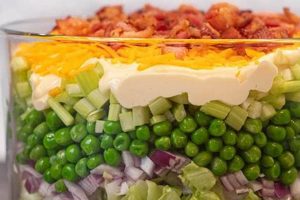
A classic side dish, this type of salad typically combines cooked or frozen peas with mayonnaise, and often includes additional ingredients like chopped celery, onion, hard-boiled eggs, and seasonings such as salt, pepper, and perhaps a touch of dill. Variations might incorporate cheddar cheese, bacon, or different herbs, showcasing the dish’s adaptability. A readily available, affordable, and easy-to-prepare option, it often appears at potlucks, picnics, and as a complement to barbecue meals.
This dish offers a refreshing and flavorful complement to heavier meals, providing a contrast in texture and taste. Its simplicity makes it an ideal choice for both novice cooks and experienced chefs seeking a quick and satisfying side. Historically, this salad gained popularity as refrigeration became more common, allowing for safe storage of mayonnaise-based dishes. Its continued presence on tables underscores its enduring appeal and practicality as a versatile and satisfying side dish.
The following sections will delve into specific recipe variations, offering detailed instructions and exploring tips for achieving optimal flavor and texture. Further discussion will explore the nutritional profile of this salad and offer suggestions for ingredient substitutions to accommodate dietary restrictions or preferences.
Tips for a Delicious Pea Salad
Elevating this simple dish to culinary excellence involves attention to detail and a few key techniques. The following tips offer guidance for achieving optimal flavor and texture.
Tip 1: Use Freshly Cooked Peas When Possible. While frozen peas offer convenience, freshly cooked peas possess a superior sweetness and texture that significantly enhances the salad. If using frozen peas, thaw them completely and drain excess water before incorporating them into the salad.
Tip 2: Chill Thoroughly. Allowing the salad to chill for at least an hour before serving allows the flavors to meld and creates a more refreshing experience.
Tip 3: Balance the Mayonnaise. Too much mayonnaise can overwhelm the delicate flavor of the peas, while too little can result in a dry salad. Start with a modest amount and adjust to preference.
Tip 4: Consider Textural Variety. Chopped celery, red onion, and water chestnuts offer a satisfying crunch that complements the softness of the peas.
Tip 5: Enhance with Fresh Herbs. Fresh dill, mint, or chives add a burst of flavor and visual appeal.
Tip 6: Season Judiciously. Salt and freshly ground black pepper are essential, but other seasonings, such as paprika or a dash of cayenne pepper, can add complexity.
Tip 7: Don’t Overmix. Gentle mixing prevents the peas from breaking down and maintains a pleasant texture.
By following these tips, one can transform a simple pea salad into a memorable culinary experience, maximizing flavor and showcasing the versatility of this classic dish.
The following section will offer concluding remarks and suggest further avenues for exploration, inspiring culinary creativity and encouraging experimentation with this adaptable recipe.
1. Fresh or Frozen Peas

The choice between fresh and frozen peas significantly impacts the final quality of a simple pea salad with mayonnaise. This decision influences not only the flavor and texture but also the preparation process. Understanding the advantages and disadvantages of each option allows for informed selection based on desired outcomes and available resources.
- Flavor and Texture
Fresh peas, particularly those in season, offer a vibrant sweetness and tender texture often unmatched by frozen counterparts. Frozen peas, while convenient, can sometimes exhibit a slightly less intense flavor and a softer, potentially mushier, texture due to the freezing process. This difference becomes particularly noticeable in a simple salad where the peas play a prominent role.
- Preparation Time
Frozen peas offer a significant advantage in terms of preparation time. Requiring only thawing, they eliminate the shelling process necessary for fresh peas. This convenience makes frozen peas a practical choice for time-constrained cooks. Conversely, shelling fresh peas, while time-consuming, offers a connection to the ingredients and a sense of culinary engagement.
- Availability
Frozen peas maintain consistent availability throughout the year, unaffected by seasonal limitations. Fresh peas, however, have a limited growing season, making them a more exclusive and potentially pricier option depending on geographic location. This factor influences ingredient selection based on access and budget considerations.
- Nutritional Value
While both fresh and frozen peas provide nutritional benefits, the nutrient content can vary. Freshly picked peas generally retain a higher concentration of certain vitamins, which can diminish slightly during the freezing process. However, frozen peas are often blanched shortly after harvesting, locking in nutrients and ensuring a comparable nutritional profile. This makes both options valuable contributors to a healthy diet.
Ultimately, the decision between fresh and frozen peas depends on individual priorities. When flavor and texture take precedence, and time allows, fresh peas offer a superior sensory experience. However, when convenience and year-round availability are paramount, frozen peas provide a practical and nutritious alternative. Understanding these trade-offs allows for a well-informed decision that aligns with specific culinary goals and constraints when preparing a simple pea salad with mayonnaise.
2. Mayonnaise (base)

Mayonnaise serves as the foundational binding agent in a simple pea salad, contributing significantly to its characteristic texture, flavor, and overall palatability. The emulsification of oil and egg yolks within mayonnaise creates a creamy consistency that coats the peas and other ingredients, unifying the salad and providing a smooth mouthfeel. This binding quality also prevents the salad from becoming watery, maintaining its structural integrity. Beyond texture, mayonnaise imparts a subtle tanginess and richness, complementing the sweetness of the peas and enhancing the overall flavor profile. The quantity of mayonnaise directly influences the salad’s creaminess; less mayonnaise results in a lighter, less cohesive salad, while more produces a richer, denser result. For instance, a salad intended as a light side dish might benefit from a smaller amount of mayonnaise, whereas a salad meant to be a more substantial offering might employ a more generous quantity.
The type of mayonnaise used can further influence the salad’s character. Standard mayonnaise provides a classic flavor profile, while flavored variations, such as those infused with herbs or spices, can introduce nuanced complexity. Additionally, the fat content of the mayonnaise affects the salad’s richness and caloric density. Lower-fat mayonnaises create a lighter salad, while full-fat versions contribute a more decadent experience. Substituting other creamy dressings, such as ranch or sour cream, while possible, alters the salad’s fundamental character, shifting it away from the traditional flavor profile associated with a simple pea salad. The interaction between mayonnaise and other ingredients, such as acidic components like vinegar or lemon juice, must also be considered. Excessive acidity can destabilize the emulsion, leading to a separated or curdled appearance, highlighting the importance of balanced ingredient ratios.
Understanding mayonnaise’s crucial role as a base in a simple pea salad allows for informed ingredient choices and tailored preparation techniques. The desired texture, flavor profile, and overall culinary experience dictate the selection and quantity of mayonnaise. Careful consideration of these factors ensures a successful and satisfying outcome, aligning the final product with specific culinary objectives. This understanding underscores mayonnaise’s significance beyond a mere ingredient; it functions as the essential foundation upon which the entire salad’s character rests.
3. Complementary Vegetables

Complementary vegetables play a crucial role in enhancing the flavor, texture, and visual appeal of a simple pea salad with mayonnaise. These additions move the dish beyond its basic components, creating a more complex and satisfying culinary experience. The selection of complementary vegetables impacts the overall balance of the salad, offering opportunities to introduce contrasting textures, vibrant colors, and nuanced flavors that harmonize with the sweetness of peas and the richness of mayonnaise. Common choices, such as chopped celery and red onion, provide a crisp, refreshing counterpoint to the soft peas, while the onions sharpness cuts through the creamy mayonnaise. Other options, like chopped bell peppers or shredded carrots, contribute vibrant colors and subtly sweet flavors, further diversifying the sensory experience. The quantity of complementary vegetables also influences the salad’s character; a greater proportion creates a more substantial and texturally varied salad, while a smaller amount keeps the focus on the peas. For example, a salad emphasizing a lighter, pea-forward profile might include a smaller amount of finely diced celery, whereas a salad seeking a more robust texture and flavor profile could incorporate a larger quantity of coarsely chopped bell peppers and red onion.
The interplay between complementary vegetables and the core ingredients peas and mayonnaise is essential. The chosen vegetables should enhance, not overpower, the existing flavors. For instance, the assertive flavor of raw red onion might be balanced by blanching it briefly before adding it to the salad, mellowing its intensity while retaining its crisp texture. Similarly, the water content of certain vegetables, like cucumbers, can be managed by salting and draining them before incorporation, preventing the salad from becoming watery. These considerations highlight the importance of understanding the characteristics of each vegetable and how it interacts with the other components. The practical application of this understanding allows for informed decisions regarding vegetable selection, preparation methods, and quantity, ultimately contributing to a well-balanced and flavorful salad.
In conclusion, the thoughtful incorporation of complementary vegetables elevates a simple pea salad with mayonnaise from a basic dish to a more nuanced and satisfying culinary creation. The strategic selection of vegetables, considering their flavor profiles, textures, and interactions with the other ingredients, is crucial for achieving a harmonious balance. This understanding allows for informed decision-making, empowering culinary creativity and ensuring a delightful and well-rounded final product.
4. Seasoning

Seasoning plays a vital role in elevating a simple pea salad recipe with mayonnaise from palatable to exceptional. It provides depth, complexity, and balance, transforming the inherent sweetness of peas and the richness of mayonnaise into a harmonious flavor profile. Careful consideration of seasoning choices is essential for maximizing the salad’s potential.
- Salt and Pepper: The Foundation
Salt and freshly ground black pepper form the fundamental seasoning base for virtually any pea salad. Salt enhances the natural sweetness of the peas while tempering the richness of the mayonnaise. Pepper introduces a subtle heat and complexity, adding depth to the overall flavor profile. The quantity of each should be carefully calibrated to achieve balance; too much salt can overpower the delicate pea flavor, while too much pepper can create an unpleasant sharpness. The timing of seasoning also matters; adding salt too early can draw moisture from the peas, resulting in a watery salad.
- Herbaceous Enhancements
Fresh herbs offer a vibrant and refreshing dimension to pea salad. Dill, with its slightly tangy and anise-like notes, complements the sweetness of peas exceptionally well. Mint provides a cooling contrast, while chives contribute a subtle oniony flavor. Other herbs, such as parsley or tarragon, can also be incorporated, depending on desired flavor profiles. The key is to use fresh herbs sparingly, allowing their delicate flavors to enhance rather than dominate the salad.
- Acidic Accents
A touch of acidity can brighten the flavors of a pea salad, cutting through the richness of the mayonnaise and creating a more balanced profile. A squeeze of lemon juice or a splash of apple cider vinegar introduces a subtle tartness that complements the sweetness of the peas. However, excessive acidity can destabilize the mayonnaise emulsion, leading to a separated or curdled appearance. Therefore, acidic ingredients should be used judiciously and incorporated gradually, allowing for careful taste adjustments.
- Exploring Other Seasonings
Beyond the foundational seasonings, a variety of other options can further enhance the flavor profile of a pea salad. A pinch of paprika adds a subtle smokiness, while a dash of cayenne pepper introduces a touch of heat. Granulated onion or garlic powder can amplify the savory notes, while celery seed provides an earthy depth. Experimentation with these and other seasonings can lead to unique and personalized flavor combinations. However, restraint is crucial; introducing too many competing flavors can overwhelm the delicate balance of the salad.
The careful application of seasoning elevates a simple pea salad with mayonnaise into a more complex and satisfying dish. By understanding the interplay of different seasonings and their impact on the overall flavor profile, one can create a truly exceptional culinary experience. A well-seasoned pea salad exemplifies how seemingly simple ingredients, when thoughtfully combined, can create a dish that is far greater than the sum of its parts.
5. Chilling
Chilling plays a crucial role in optimizing the flavor and texture of a simple pea salad with mayonnaise. Lowering the temperature of the salad through refrigeration achieves several key improvements. First, chilling allows the flavors of the individual components peas, mayonnaise, and any complementary vegetables or seasonings to meld and harmonize. The chemical reactions responsible for flavor development often accelerate at warmer temperatures; subsequent chilling slows these reactions, preserving the desired flavor balance and preventing over-development. Second, chilling firms the texture of the peas and other vegetables, creating a more pleasant mouthfeel. This is particularly important when using frozen peas, which can become excessively soft at room temperature. Third, chilling solidifies the mayonnaise emulsion, ensuring a stable and creamy consistency. Mayonnaise left at room temperature for extended periods can separate or become oily, negatively impacting the salad’s overall texture.
The duration of chilling also influences the final product. A brief chilling period of 30-60 minutes allows the flavors to begin melding and the textures to firm slightly. Longer chilling periods, such as 2-4 hours, intensify flavor development and produce a more thoroughly chilled salad, ideal for warm weather serving. Over-chilling, however, can negatively impact certain vegetables, causing them to become excessively firm or lose their vibrant color. Practical examples include serving a lightly chilled pea salad alongside grilled fish for a refreshing summer meal, or preparing a more thoroughly chilled salad for a picnic or potluck, ensuring optimal quality despite potential temperature fluctuations. These examples demonstrate how the application of chilling can be tailored to specific serving scenarios and desired outcomes.
Chilling represents an essential step in achieving a successful simple pea salad with mayonnaise. Understanding its impact on flavor development, texture, and mayonnaise stability allows for informed decision-making regarding chilling duration and serving temperature. This knowledge ensures that the final product exhibits optimal flavor, texture, and overall quality, maximizing the enjoyment of this classic dish.
6. Serving Suggestions
Serving suggestions provide context and inspiration for incorporating a simple pea salad recipe with mayonnaise into various meal settings. These suggestions highlight the salad’s versatility and offer practical guidance for maximizing its culinary potential. Understanding these serving options allows for informed menu planning and ensures a harmonious balance of flavors and textures within the overall meal.
- Standalone Side Dish
A simple pea salad functions effectively as a refreshing and flavorful standalone side dish. Its creamy texture and subtly sweet flavor profile complement a wide range of main courses, from grilled meats and fish to roasted vegetables and sandwiches. The salad’s simplicity allows it to enhance the meal without overpowering other flavors.
- Component of Larger Salads
Incorporating a simple pea salad into larger, composed salads expands both textural and flavor dimensions. Its creamy consistency contrasts with leafy greens, while the sweetness of peas complements other vegetables like tomatoes, cucumbers, and carrots. This approach adds depth and complexity to the overall salad experience.
- Part of a Buffet or Potluck Spread
The ease of preparation and transportability of this salad makes it an ideal choice for buffets and potlucks. Its crowd-pleasing flavor profile and ability to hold well at room temperature for a reasonable period contribute to its practicality in these settings. The salad’s vibrant color also adds visual appeal to the spread.
- Filling for Sandwiches and Wraps
Utilizing simple pea salad as a filling for sandwiches and wraps provides a unique and flavorful alternative to traditional sandwich components. The creamy texture and subtly sweet flavor profile pairs well with both savory and lighter fillings, such as roasted chicken, ham, or hummus. This approach adds a refreshing and texturally interesting element to sandwiches.
These diverse serving suggestions underscore the adaptability of a simple pea salad recipe with mayonnaise. Understanding these options allows for strategic incorporation into various meal contexts, maximizing the salad’s potential and enhancing the overall dining experience. The salad’s versatility makes it a valuable addition to any culinary repertoire, offering a simple yet satisfying way to incorporate fresh flavors and textures into a wide range of dishes.
Frequently Asked Questions
This section addresses common inquiries regarding the preparation and enjoyment of pea salad made with mayonnaise.
Question 1: What type of mayonnaise is recommended for pea salad?
Standard mayonnaise works well, but variations like olive oil mayonnaise or flavored mayonnaises can add depth. Consider the desired flavor profile when selecting.
Question 2: Can frozen peas be used instead of fresh?
Frozen peas offer convenience. Thaw and drain them thoroughly before incorporating to prevent excess water in the salad.
Question 3: How long can pea salad be stored in the refrigerator?
Properly stored in an airtight container, pea salad typically lasts for 3-5 days in the refrigerator. Discard if any off-odors or discoloration develop.
Question 4: Can other vegetables be added to pea salad?
Chopped celery, red onion, and bell peppers are common additions. Other vegetables, like shredded carrots or chopped water chestnuts, can also complement the salad.
Question 5: What herbs complement pea salad?
Fresh dill and mint pair particularly well with peas. Chives, parsley, or tarragon can also be considered, depending on individual preferences.
Question 6: How can the salad’s creaminess be adjusted?
The amount of mayonnaise dictates the salad’s creaminess. Use less mayonnaise for a lighter salad, and more for a richer, creamier consistency. Greek yogurt or sour cream can also be incorporated for a lighter, tangier variation.
Careful consideration of these frequently asked questions ensures optimal preparation and enjoyment of pea salad. Understanding these aspects contributes to a successful culinary outcome.
The subsequent section offers a collection of recipe variations, providing further inspiration and opportunities for customization.
Simple Pea Salad Recipe with Mayonnaise
This exploration has provided a comprehensive overview of the simple pea salad recipe with mayonnaise, encompassing its core components, preparation techniques, and serving suggestions. From the selection of fresh or frozen peas to the nuances of mayonnaise, complementary vegetables, and seasoning, each aspect contributes to the final product’s overall quality and enjoyment. Chilling and serving recommendations further refine the culinary experience, ensuring optimal flavor and textural balance. Addressing frequently asked questions clarifies common points of inquiry, empowering informed decision-making during preparation.
The enduring appeal of this simple yet versatile dish lies in its adaptability and capacity for personalization. Its straightforward nature provides a foundation for culinary exploration, allowing for ingredient variations and creative seasoning combinations to suit individual preferences. This exploration encourages further experimentation within the culinary realm, fostering continued appreciation for the simple pea salad recipe with mayonnaise as a timeless and adaptable culinary creation.