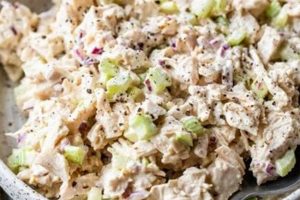
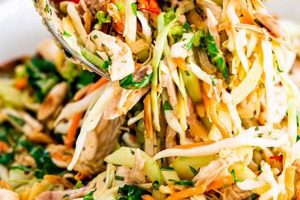
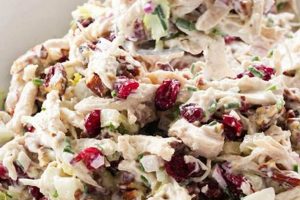
A dish featuring cooked chicken, often combined with mayonnaise, celery, onion, and other ingredients, distinguishes itself through the preparation of the poultry component. Rather than boiling, poaching, or rotisserie cooking, the chicken is baked, resulting in a distinct texture and flavor profile. This method often yields a more tender and juicy protein, enhancing the overall culinary experience. A simple version might involve diced baked chicken, mayonnaise, celery, and onion, while more complex variations could incorporate grapes, nuts, dried cranberries, or various herbs and spices.
Oven-baking poultry for this type of salad offers several advantages. It allows for greater control over the cooking process, reducing the risk of overcooking or undercooking the chicken. Baking also preserves the natural juices and flavors, leading to a more flavorful final product. Furthermore, it provides a healthier alternative compared to frying, requiring minimal added fats. Historically, chicken salad emerged as a popular dish in the mid-19th century, with variations evolving as culinary practices and preferences shifted. The advent of readily available ovens facilitated the adoption of baking as a primary method for preparing chicken, further diversifying the landscape of this classic dish.
This exploration provides a foundation for delving into the nuances of crafting this dish. Subsequent sections will address specific ingredient selections, detailed preparation techniques, and creative variations that cater to diverse palates and dietary requirements.
Tips for Crafting Exceptional Chicken Salad with Baked Chicken
Optimizing the preparation of this dish involves attention to detail and an understanding of key techniques. The following tips offer guidance for achieving superior results.
Tip 1: Chicken Selection and Preparation: Opt for boneless, skinless chicken breasts or thighs. Prior to baking, consider marinating the chicken for enhanced flavor. A simple marinade of olive oil, lemon juice, and herbs can significantly elevate the final product.
Tip 2: Baking Technique: Bake the chicken at a moderate temperature (around 375F or 190C) until cooked through. Avoid overbaking, as this can result in dry, less flavorful meat. An internal temperature of 165F (74C) ensures food safety.
Tip 3: Cooling and Shredding: Allow the baked chicken to cool completely before shredding or dicing. This prevents the release of excess moisture, which can dilute the salad’s flavor and texture.
Tip 4: Mayonnaise Selection: The choice of mayonnaise significantly impacts the overall flavor profile. Experiment with different varieties, such as classic, light, or flavored mayonnaises, to achieve desired results.
Tip 5: Enhancing Flavor and Texture: Incorporating complementary ingredients elevates the dish. Consider adding chopped celery, red onion, grapes, dried cranberries, or toasted nuts for added complexity and texture.
Tip 6: Seasoning and Balancing Flavors: Season the salad thoughtfully with salt, pepper, and other spices to enhance the overall flavor profile. Taste and adjust seasonings as needed to achieve a balanced and harmonious blend.
Tip 7: Chilling and Serving: Chill the prepared salad for at least 30 minutes before serving. This allows the flavors to meld and enhances the overall dining experience.
By adhering to these guidelines, one can consistently create a flavorful and satisfying rendition of this classic dish. The combination of properly baked chicken and carefully selected ingredients contributes to a culinary experience that transcends the ordinary.
These tips provide a solid foundation for crafting a superior dish. Further exploration of specific variations and presentation techniques will follow.
1. Baking Method

The baking method employed significantly influences the final character of a baked chicken salad. It directly impacts the chicken’s texture, moisture content, and overall flavor, which are foundational elements of this dish. Baking, unlike boiling or frying, allows for surface browning through the Maillard reaction, contributing a depth of flavor absent in other cooking methods. This method also preserves the chicken’s natural juices, resulting in a more tender and flavorful final product. For instance, baking chicken breasts at a moderate temperature (around 375F or 190C) until they reach an internal temperature of 165F (74C) ensures optimal moisture retention and prevents overcooking. Conversely, higher temperatures or extended cooking times can lead to dry, less flavorful chicken, negatively impacting the salad’s overall quality.
Variations in baking methods further contribute to nuanced flavor profiles. Adding herbs and spices to the chicken before baking infuses the meat with aromatic complexity. Similarly, roasting the chicken with vegetables, such as onions and garlic, can impart subtle roasted flavors that enhance the salad’s overall taste. Consider baking chicken breasts with a sprinkle of paprika and dried thyme for a Mediterranean-inspired flavor profile. Alternatively, roasting the chicken alongside quartered lemons and sprigs of rosemary adds a bright, citrusy dimension. These variations illustrate the baking method’s versatility and its capacity to elevate the final dish.
Mastering the appropriate baking method is essential for achieving a superior baked chicken salad. It provides a foundation for a successful dish, ensuring the chicken is cooked thoroughly while retaining its moisture and developing desirable flavors. Challenges may include achieving consistent results across different oven types and ensuring even cooking for various chicken cuts. Understanding the principles of heat transfer and the impact of temperature and time on the chicken’s texture and flavor enables informed decision-making and contributes to a consistently high-quality finished product.
2. Ingredient Selection
Ingredient selection significantly impacts the flavor profile, texture, and overall quality of a baked chicken salad. Careful consideration of each component contributes to a balanced and harmonious final product. The choice of chicken, whether breast or thigh, influences the salad’s richness and moisture content. Breast meat offers a leaner option, while thigh meat provides a more succulent and flavorful experience. Furthermore, the quality of the mayonnaise plays a pivotal role. Standard mayonnaise contributes a classic creamy texture, whereas lighter versions offer a reduced-fat alternative. Flavored mayonnaises, such as those infused with herbs or spices, can introduce additional complexity to the salad. For example, a lemon-dill mayonnaise complements the subtle flavors of baked chicken and fresh herbs, while a chipotle mayonnaise adds a smoky, spicy dimension. The selection of complementary ingredients, such as celery, onion, grapes, or nuts, further enhances the salad’s flavor and textural complexity. Crisp celery and red onion provide a refreshing counterpoint to the richness of the chicken and mayonnaise, while the sweetness of grapes or the crunch of toasted nuts adds contrasting elements.
The interplay between ingredients creates a synergistic effect, where the individual components contribute to a greater whole. The subtle sweetness of grapes balances the savory notes of the chicken and the tanginess of the mayonnaise. The crunch of toasted pecans complements the creamy texture of the salad, creating a multi-sensory experience. Fresh herbs, such as parsley, dill, or chives, add brightness and freshness to the dish. Consider a combination of roasted red grapes, toasted walnuts, and crumbled blue cheese for a sophisticated flavor profile. Alternatively, a blend of dried cranberries, chopped apples, and candied pecans offers a festive, autumnal twist. These examples illustrate the potential for creative ingredient combinations to elevate the baked chicken salad beyond a simple staple.
Strategic ingredient selection elevates this simple dish into a culinary experience. Understanding the interplay of flavors and textures allows for informed choices, resulting in a well-balanced and satisfying final product. Challenges may arise in sourcing high-quality ingredients or adapting recipes to accommodate dietary restrictions or preferences. However, a thoughtful approach to ingredient selection allows for flexibility and creativity, ensuring the baked chicken salad remains a versatile and enjoyable dish for various palates and occasions. This understanding unlocks the potential to customize the salad, catering to individual tastes and preferences.
3. Flavor Balance

Flavor balance is paramount in a successful baked chicken salad recipe. It represents the harmonious interplay of tastessweet, savory, tangy, and saltycreating a complex and satisfying culinary experience. A well-balanced salad avoids overpowering any single flavor, allowing each component to contribute to the overall profile. This balance elevates the dish beyond a simple combination of ingredients, transforming it into a nuanced and enjoyable meal.
- Savory Foundation:
The baked chicken provides the savory base of the salad. Its inherent flavor, enhanced by the baking process, forms the canvas upon which other flavors are layered. Proper seasoning with salt and pepper is essential to amplify the chicken’s savory notes without overpowering the other components. For instance, over-salting can mask the subtle sweetness of added fruits or the tanginess of the dressing. Achieving a balanced savory foundation ensures the chicken remains a prominent flavor without dominating the overall profile.
- Acidity and Brightness:
Tangy elements introduce brightness and complexity, cutting through the richness of the chicken and mayonnaise. Ingredients like lemon juice, vinegar, or pickles provide acidity. A squeeze of fresh lemon juice adds a vibrant citrus note that balances the savory chicken and creamy mayonnaise. Similarly, the addition of chopped dill pickles introduces a tangy, briny flavor that complements the other components. Careful balancing ensures the acidity enhances the overall flavor profile without making the salad overly tart.
- Sweetness and Contrast:
Sweet elements offer contrast and complexity. Incorporating ingredients like grapes, dried cranberries, or chopped apples introduces subtle sweetness that balances the savory and tangy elements. The natural sugars in these ingredients interact with the other flavors, creating a more nuanced and well-rounded profile. For example, the sweetness of dried cranberries complements the savory chicken and the tangy mayonnaise, creating a harmonious balance of flavors.
- Textural Considerations:
Texture plays a crucial role in flavor perception. The creamy texture of mayonnaise interacts differently with the palate than the crispness of celery or the crunch of nuts. These textural variations influence how flavors are perceived and experienced. The creamy mayonnaise coats the palate, delivering a smooth, rich sensation, while the crunch of celery or nuts provides a contrasting textural element. This interplay of textures enhances the overall sensory experience and contributes to a more satisfying and enjoyable meal.
The interplay of these flavor components distinguishes a truly exceptional baked chicken salad. Achieving harmony among these elements results in a dish that is both satisfying and complex. Careful consideration of each ingredient’s contribution to the overall flavor profile allows for precise adjustments and ensures a delicious and balanced final product. This understanding of flavor balance transforms the baked chicken salad from a simple dish into a culinary creation.
4. Texture

Texture forms an integral component of a successful baked chicken salad recipe, significantly impacting the overall sensory experience. It represents the interplay of various tactile sensations, from the tenderness of the chicken to the creaminess of the mayonnaise and the potential crunch of added ingredients. This interplay elevates the dish beyond mere sustenance, engaging multiple senses and contributing to a more satisfying meal. The baking method itself influences the chicken’s texture, offering a tender, moist result distinct from boiling or frying. Overbaking can lead to a dry, stringy texture, detracting from the overall quality. Therefore, precise temperature control and cooking time are crucial for achieving the desired tenderness.
Beyond the chicken, textural variety within the salad creates a dynamic and enjoyable experience. The smoothness of mayonnaise provides a creamy base, contrasting with the potential crispness of celery, onion, or other vegetables. The addition of nuts, seeds, or dried fruits introduces further textural complexity, offering contrasting elements of crunch or chewiness. For instance, the inclusion of toasted pecans provides a satisfying crunch, while dried cranberries offer a chewy counterpoint to the softer elements. This diversity of textures ensures the palate remains engaged throughout the eating experience, enhancing enjoyment and satisfaction. Consider the difference between a salad composed solely of finely diced chicken and mayonnaise and one that incorporates coarsely chopped celery, grapes, and toasted walnuts. The latter offers a more dynamic and engaging textural experience, stimulating the palate and increasing overall enjoyment. This contrast is crucial for a well-rounded and satisfying salad.
Understanding the interplay of textures within a baked chicken salad allows for informed ingredient choices and preparation techniques. It enables the creation of a dish that is not only flavorful but also texturally appealing. Balancing soft and creamy elements with crisp and crunchy components ensures a dynamic and satisfying sensory experience. Challenges may arise in maintaining textural integrity, particularly with the potential for ingredients to become soggy over time. Proper chilling and storage practices mitigate this issue, preserving the desired textures and ensuring a consistently enjoyable salad. Ultimately, attention to texture elevates this classic dish, transforming it from a simple combination of ingredients into a multi-sensory culinary experience. Mastering this aspect allows for greater control over the final product and ensures a consistently delicious and satisfying result.
5. Food Safety

Food safety is paramount when preparing a baked chicken salad recipe due to the inherent risks associated with handling and consuming poultry. Improper handling and inadequate cooking can lead to foodborne illnesses caused by bacteria such as Salmonella and Campylobacter, commonly found in raw chicken. These pathogens can cause symptoms ranging from mild discomfort to severe illness, highlighting the critical importance of adhering to safe food handling practices throughout the preparation process. A core aspect of food safety in this context revolves around ensuring the chicken reaches a safe internal temperature during the baking process. Using a food thermometer is crucial for accurately determining doneness. Chicken must reach an internal temperature of 165F (74C) to eliminate harmful bacteria. Failing to reach this temperature significantly increases the risk of foodborne illness. For example, consuming undercooked chicken in a salad can expose individuals to these pathogens, potentially leading to unpleasant and even dangerous health consequences.
Beyond cooking temperature, other food safety considerations are essential. Proper handwashing before and after handling raw chicken minimizes cross-contamination. Thoroughly washing all surfaces, utensils, and cutting boards that have come into contact with raw poultry further reduces the risk of bacterial spread. Proper storage practices are equally critical. Raw chicken should be stored at or below 40F (4C) to prevent bacterial growth. Prepared chicken salad should also be refrigerated promptly and consumed within a safe timeframe, typically within 3-5 days, to minimize the risk of spoilage and bacterial proliferation. For instance, leaving prepared chicken salad at room temperature for extended periods, particularly in warm environments, can create ideal conditions for bacterial growth, increasing the risk of foodborne illness even if the chicken was initially cooked thoroughly.
Adhering to these food safety practices mitigates the risks associated with preparing and consuming baked chicken salad. A thorough understanding of safe handling techniques, temperature control, and storage guidelines ensures a safe and enjoyable culinary experience. Challenges may include ensuring consistent adherence to these practices, especially in home kitchen settings where formal food safety protocols may be less rigorously implemented. However, prioritizing food safety minimizes potential health risks and safeguards against foodborne illnesses, reinforcing the importance of these practices in culinary endeavors involving poultry. This vigilance protects consumers and reinforces the importance of integrating food safety principles into all stages of food preparation.
Frequently Asked Questions
This section addresses common inquiries regarding the preparation and enjoyment of baked chicken salad.
Question 1: What type of chicken is best suited for baked chicken salad?
Boneless, skinless chicken breasts are often preferred for their lean protein content and ease of shredding. Chicken thighs offer a richer flavor and greater moisture content but require additional preparation to remove bones and skin.
Question 2: Can other cooking methods be substituted for baking?
While other methods like poaching or grilling can be used, baking offers distinct advantages. It promotes even cooking, preserves moisture, and develops desirable flavors through surface browning, contributing significantly to the salad’s overall quality.
Question 3: How can dryness be prevented in baked chicken?
Maintaining a moderate oven temperature (around 375F or 190C) and monitoring the internal temperature with a food thermometer, ensuring it reaches 165F (74C) without overcooking, prevents dryness. Marinating the chicken before baking also contributes to moisture retention.
Question 4: What are common ingredients used to enhance baked chicken salad?
Classic additions include celery, onion, and mayonnaise. Flavor and texture can be further enhanced with ingredients such as grapes, dried cranberries, nuts, fresh herbs (dill, parsley, chives), or spices (paprika, curry powder).
Question 5: How long can baked chicken salad be stored safely?
Properly stored in an airtight container in the refrigerator, baked chicken salad typically remains safe for consumption for 3-5 days. Always observe visual and olfactory indicators of spoilage before consumption.
Question 6: Can baked chicken salad be frozen?
While freezing is possible, the texture of the mayonnaise may be negatively affected upon thawing. It’s generally recommended to consume the salad fresh. If freezing is necessary, consider freezing the cooked chicken separately and preparing the salad with fresh ingredients after thawing.
Understanding these key aspects contributes to a safer and more enjoyable culinary experience.
This FAQ section provides a foundation for subsequent exploration of specific recipe variations and creative adaptations.
Baked Chicken Salad Recipe
Exploration of the baked chicken salad recipe reveals a dish reliant on a nuanced interplay of culinary techniques and ingredient selections. Emphasis on the baking method underscores its importance in achieving optimal chicken texture and flavor, laying the foundation for a successful salad. Careful consideration of ingredient pairings, balancing flavors, and incorporating textural variety elevates the dish beyond a simple combination of components. Prioritizing food safety throughout the preparation process ensures a healthy and enjoyable culinary experience. From the precise baking technique to the strategic selection of complementary ingredients, each step contributes to the final product’s overall quality and appeal.
Mastery of this recipe extends beyond a mere set of instructions; it represents an understanding of culinary principles applicable to a broader range of dishes. The attention to detail, the emphasis on flavor balance, and the prioritization of food safety represent fundamental culinary concepts applicable far beyond this specific recipe. This exploration encourages further experimentation and adaptation, empowering individuals to personalize the recipe and explore the vast potential of culinary creativity.