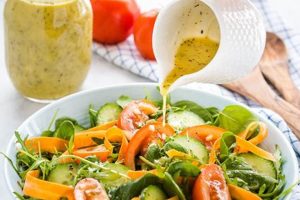
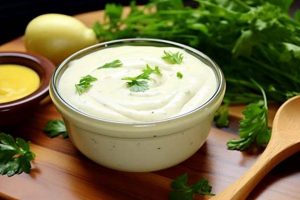
A superb pasta salad hinges on a harmonious blend of ingredients and a dressing that complements the other components without overpowering them. Typically, this involves cooked, chilled pasta, fresh vegetables, optional protein (such as cheese, cured meats, or beans), and a flavorful dressing. Italian dressing, with its tangy vinegar base, herbs, and spices, provides a vibrant and refreshing counterpoint to the pasta and other ingredients. A well-executed version offers a satisfying and versatile dish, suitable as a light meal, side dish, or potluck contribution.
The appeal of such a dish lies in its adaptability and convenience. It can be prepared in advance, making it ideal for gatherings or busy weeknights. The chilled nature of the salad makes it particularly refreshing in warmer weather. Furthermore, the flexibility of ingredient choices allows for endless variations to cater to different tastes and dietary requirements. From classic combinations to more adventurous additions, a well-balanced pasta salad offers a nutritious and flavorful experience.
This exploration will delve into the key elements of creating an exceptional pasta salad with Italian dressing. Topics covered will include selecting the appropriate pasta shape, choosing complementary vegetables and proteins, preparing a flavorful homemade Italian dressing, and assembling the salad for optimal flavor and texture. Tips for storage and serving will also be provided.
Tips for an Exceptional Pasta Salad
Creating a truly delicious pasta salad involves attention to detail and a thoughtful approach to ingredient selection and preparation. The following tips provide guidance for achieving optimal results.
Tip 1: Pasta Selection Matters: Opt for short, sturdy pasta shapes that hold their shape well and readily absorb the dressing. Rotini, farfalle, and penne are excellent choices. Avoid long, thin pasta like spaghetti or angel hair.
Tip 2: Cook Pasta Al Dente: Slightly undercook the pasta to prevent a mushy texture in the final salad. Rinse the cooked pasta under cold water to stop the cooking process and firm the noodles.
Tip 3: Vibrant Vegetables Enhance Flavor and Texture: Incorporate a variety of colorful vegetables for visual appeal and nutritional value. Chopped bell peppers, cherry tomatoes, cucumbers, red onion, and black olives are popular options.
Tip 4: Consider Complementary Proteins: Cubed mozzarella, provolone, salami, chickpeas, or cannellini beans provide added protein and flavor complexity.
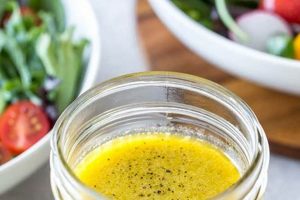
Tip 5: Homemade Italian Dressing Elevates the Dish: While store-bought dressings are convenient, a homemade version allows for greater control over flavor and quality. Whisk together olive oil, red wine vinegar, minced garlic, dried oregano, salt, and pepper for a simple yet effective dressing.
Tip 6: Marinate for Optimal Flavor Infusion: Allow the pasta salad to marinate in the refrigerator for at least 30 minutes before serving. This allows the flavors to meld and the pasta to absorb the dressing.
Tip 7: Adjust Seasoning Before Serving: Taste the salad and adjust the seasoning as needed before presenting it. Additional salt, pepper, or a splash of vinegar may enhance the overall flavor profile.
By following these guidelines, one can craft a flavorful and satisfying pasta salad that is sure to impress. The combination of well-chosen ingredients, proper cooking techniques, and a balanced dressing yields a dish that is both delicious and visually appealing.
The following section will offer variations and creative adaptations to further inspire culinary exploration.
1. High-quality Pasta

High-quality pasta plays a crucial role in achieving a superior pasta salad. The pasta’s texture and ability to absorb the dressing significantly impact the final dish. Durum wheat pasta, known for its firm bite and resistance to becoming mushy, provides a desirable foundation. Lower-quality pasta, often made with refined flour, tends to absorb excessive dressing, leading to a gummy texture. This ultimately detracts from the overall balance and enjoyment of the salad. For instance, using bronze-die pasta, which has a rougher surface, allows the dressing to cling more effectively, enhancing flavor distribution.
The choice of pasta shape also influences the success of the salad. Shapes with crevices and folds, like rotini or farfalle, hold the dressing better than smooth shapes like spaghetti. This ensures each bite is infused with flavor. Moreover, high-quality pasta maintains its structural integrity throughout the marinating process, preventing the salad from becoming a homogenous mass. This contrast in textures between the pasta and other ingredients contributes to a more satisfying culinary experience. Consider a salad with overcooked, mushy pasta; the dressing overwhelms the other components, resulting in a less appealing dish. Conversely, firm, well-cooked pasta provides a pleasant chewiness that complements the crisp vegetables and tangy dressing.
Investing in high-quality pasta yields noticeable improvements in the final product. The superior texture and flavor absorption capabilities contribute to a more balanced and enjoyable pasta salad. The enhanced structural integrity of the pasta also ensures a visually appealing presentation, maintaining distinct elements rather than a clumped mixture. While the other ingredients undoubtedly play a role, the foundation of a great pasta salad rests on the quality of the pasta itself. Neglecting this aspect can compromise the overall success of the dish, regardless of the dressing or other components.
2. Fresh, vibrant vegetables

Fresh, vibrant vegetables are essential for elevating a pasta salad with Italian dressing from satisfactory to exceptional. They provide crucial textural contrast, visual appeal, and nutritional value, enhancing both the sensory experience and the overall healthfulness of the dish. The selection and preparation of these vegetables significantly impact the final product’s quality and appeal.
- Textural Diversity
Vegetables introduce a spectrum of textures that complement the pasta and dressing. Crisp cucumbers and bell peppers provide a refreshing crunch, while softer vegetables like cherry tomatoes offer a juicy burst. This interplay of textures creates a more dynamic and enjoyable eating experience. Imagine a pasta salad composed solely of pasta and dressinga monotonous texture would likely ensue. The inclusion of vegetables mitigates this, preventing the salad from feeling heavy or one-dimensional.
- Visual Appeal
Vibrant colors from an assortment of vegetables, such as deep green spinach, bright red bell peppers, and sunny yellow corn, create a visually appealing dish. This visual appeal enhances the dining experience, stimulating appetite and adding an element of artistry to the presentation. A monochromatic pasta salad, however well-seasoned, lacks the visual interest provided by a colorful array of vegetables. The strategic use of color transforms the dish into a feast for the eyes as well as the palate.
- Nutritional Enhancement
Incorporating a variety of fresh vegetables increases the nutritional value of the pasta salad. Vegetables are rich in vitamins, minerals, and antioxidants, contributing to a more balanced and healthful meal. A pasta salad heavy on pasta and dressing offers primarily carbohydrates and fats. The addition of vegetables introduces essential micronutrients and fiber, making the dish a more complete and nutritious option. This nutritional boost transforms the pasta salad from a simple indulgence into a healthier choice.
- Flavor Complexity
Different vegetables contribute unique flavor profiles that complement the tangy Italian dressing. The slight bitterness of arugula, the sweetness of roasted red peppers, and the earthy notes of mushrooms add depth and complexity to the overall flavor profile. These nuanced flavors prevent the salad from tasting one-dimensional, creating a more sophisticated and satisfying dish. Consider the addition of artichoke hearts, their subtle brininess adding another layer of flavor that interacts harmoniously with the Italian dressing.
The thoughtful incorporation of fresh, vibrant vegetables is integral to crafting a truly exceptional pasta salad with Italian dressing. These elements contribute not only to the aesthetic appeal but also to the nutritional value and overall flavor complexity, ultimately elevating the dish beyond a simple combination of ingredients into a well-balanced and satisfying culinary creation. The careful selection and preparation of vegetables ensures a delightful sensory experience that tantalizes the taste buds and provides a visually appealing presentation.
3. Complementary protein additions

Complementary protein additions represent a crucial element in elevating a pasta salad with Italian dressing from a simple side dish to a more substantial and satisfying meal. These additions contribute not only nutritional value but also textural and flavor complexity, playing a significant role in achieving a well-balanced and flavorful final product. The choice of protein should consider its compatibility with the other ingredients and the overall flavor profile of the salad.
The primary benefit of incorporating protein lies in its ability to transform the pasta salad into a more complete meal. Pasta, while a good source of carbohydrates, lacks the protein necessary for satiety and sustained energy. Adding protein sources like grilled chicken, chickpeas, or cubed mozzarella increases the nutritional value and promotes a feeling of fullness, making the salad a more satisfying option for lunch or a light dinner. For example, a pasta salad featuring grilled chicken breast provides a lean protein source, while a vegetarian option might incorporate chickpeas for their protein and fiber content. The interplay between the protein, the carbohydrates from the pasta, and the healthy fats from the Italian dressing creates a balanced nutritional profile.
Furthermore, the choice of protein significantly influences the textural and flavor dimensions of the pasta salad. Cubed salami or prosciutto adds a salty, savory element and a pleasant chewiness, contrasting with the softer textures of the pasta and vegetables. Flaked tuna or salmon introduces a richer, more savory flavor profile and a slightly flaky texture. These textural and flavor variations prevent the salad from becoming monotonous, creating a more dynamic and engaging culinary experience. Consider a pasta salad with grilled shrimp the succulent shrimp provides a delightful contrast to the crisp vegetables and al dente pasta, while also adding a subtle sweetness that complements the tangy Italian dressing. Understanding these nuances allows for strategic protein selection to achieve specific flavor and texture goals.
In conclusion, the inclusion of complementary proteins represents a vital step in crafting a truly exceptional pasta salad with Italian dressing. Beyond enhancing nutritional value, these additions contribute to a more complex and satisfying sensory experience through variations in texture and flavor. Careful consideration of protein choices, taking into account their compatibility with other ingredients and the desired overall flavor profile, ensures a well-balanced and delectable final product that transcends the limitations of a simple side dish.
4. Robust Italian dressing
Robust Italian dressing forms the cornerstone of a truly exceptional pasta salad. Its influence extends beyond mere flavoring; it acts as a unifying element, binding the diverse components into a cohesive and harmonious whole. The term “robust” signifies a dressing with pronounced flavors, capable of complementing, not overwhelming, the other ingredients. This characteristic hinges on a delicate balance of acidity, sweetness, and savory notes, derived from high-quality ingredients and careful preparation. A bland or excessively acidic dressing can detract from the overall experience, rendering the salad unbalanced and less enjoyable. Conversely, a robust dressing enhances the flavors of the pasta, vegetables, and protein, creating a symphony of tastes that elevates the dish to a new level.
Consider the impact of a robust Italian dressing on a classic pasta salad featuring rotini, bell peppers, olives, and mozzarella. A well-crafted dressing, perhaps infused with fresh herbs like oregano and basil, provides a tangy backdrop that accentuates the sweetness of the peppers, the saltiness of the olives, and the creaminess of the mozzarella. The dressing coats each ingredient, ensuring a consistent flavor experience with every bite. Furthermore, a robust dressing contributes to the overall texture of the salad. Its emulsified nature provides a pleasant mouthfeel and helps prevent the salad from becoming dry or sticky. This textural contribution further enhances the enjoyment of the dish, demonstrating the multifaceted role of the dressing.
Achieving a robust Italian dressing requires attention to detail and an understanding of flavor dynamics. High-quality olive oil provides a foundational richness, while a balanced blend of vinegars contributes the necessary acidity. Freshly minced garlic and a medley of herbs and spices add depth and complexity. Furthermore, the emulsification process, achieved through vigorous whisking or blending, creates a stable and cohesive dressing that clings evenly to the other ingredients. Mastering these elements allows for the creation of a dressing that not only complements but also elevates the other components of the pasta salad, transforming a simple dish into a culinary masterpiece. The robust Italian dressing becomes the defining characteristic, the element that distinguishes a truly exceptional pasta salad from a mediocre one.
5. Proper Chilling Time
Proper chilling time represents a critical, often overlooked, element in achieving a truly exceptional pasta salad with Italian dressing. It’s not merely a matter of cooling the dish; it’s a strategic step that allows the flavors to meld, the textures to optimize, and the overall experience to reach its full potential. Insufficient chilling results in a disjointed flavor profile and suboptimal textures, while excessive chilling can dull the vibrancy of the ingredients. Understanding the nuances of proper chilling unlocks the key to a superior pasta salad.
- Flavor Development
Chilling allows the Italian dressing to permeate the pasta and other ingredients, fostering a harmonious blend of flavors. The robust notes of the dressing, whether a classic vinaigrette or a creamy variation, intertwine with the individual flavors of the vegetables, proteins, and pasta itself. This fusion creates a more complex and nuanced flavor profile than could be achieved with immediate consumption. For instance, the tanginess of the vinegar in the dressing mellows as it interacts with the starches in the pasta, while the herbs and spices infuse the other ingredients, creating a balanced and integrated flavor experience.
- Texture Optimization
Chilling firms the pasta, preventing it from becoming mushy, and allows the vegetables to retain their crispness. This balance of textures contributes significantly to the overall enjoyment of the salad. Imagine a pasta salad consumed immediately after preparation the pasta might be slightly too soft, and the vegetables might lack their characteristic crunch. Chilling allows these textures to reach their optimal state, creating a more satisfying sensory experience. This is particularly crucial in warmer climates, where unchilled ingredients can quickly wilt or become soggy.
- Ingredient Binding
The chilling process allows the dressing to emulsify more fully and adhere more effectively to the other ingredients, creating a cohesive and integrated dish. This prevents the dressing from pooling at the bottom of the bowl and ensures that each bite is infused with flavor. Consider a scenario where the dressing separates or fails to coat the ingredients evenly; the result is a disjointed and less satisfying experience. Proper chilling mitigates this risk, ensuring a harmonious blend of flavors and textures.
- Food Safety
Chilling inhibits bacterial growth, ensuring the safety of the pasta salad, especially when incorporating perishable ingredients like meats or cheeses. This is particularly relevant for large gatherings or potlucks where food might sit at room temperature for extended periods. Maintaining a safe temperature through proper chilling protects against potential foodborne illnesses and ensures the overall health and well-being of those consuming the salad.
Therefore, proper chilling time is not merely a perfunctory step but a fundamental element in crafting a truly exceptional pasta salad with Italian dressing. It contributes significantly to the development of a well-rounded flavor profile, the optimization of textures, and the overall safety and enjoyment of the dish. By understanding and implementing this crucial step, one elevates the pasta salad from a simple combination of ingredients to a carefully orchestrated culinary experience.
6. Balanced Flavor Profile

A balanced flavor profile is paramount in achieving a truly exceptional pasta salad with Italian dressing. It signifies a harmonious interplay of tastestangy, salty, sweet, and savorywhere no single element dominates, creating a complex and satisfying culinary experience. This balance distinguishes a mediocre pasta salad from a memorable one, demonstrating an understanding of flavor dynamics and careful ingredient selection.
- Acidity
The tangy acidity, primarily derived from the vinegar in the Italian dressing, provides a crucial counterpoint to the other flavors. It cuts through the richness of the pasta and any added proteins, preventing the salad from feeling heavy or overly indulgent. However, excessive acidity can be overpowering, rendering the salad unpleasantly tart. The ideal balance allows the acidity to brighten the other flavors without dominating them. For instance, a touch of lemon juice or red wine vinegar can enhance the overall flavor profile without making the salad excessively sour. This careful calibration of acidity is essential for achieving a balanced flavor profile.
- Saltiness
Salt enhances the inherent flavors of the other ingredients, adding depth and complexity. Ingredients like olives, capers, or cured meats contribute saltiness, balancing the acidity and sweetness. However, excessive salt can mask the other flavors, creating a one-dimensional taste experience. A balanced approach uses salt judiciously, allowing the other flavors to shine while providing a savory depth. Consider the addition of feta cheese or Parmesan, their inherent saltiness contributing to the overall balance without overpowering the other components. This nuanced application of salt is crucial for a well-rounded flavor profile.
- Sweetness
Sweetness, often derived from ingredients like sun-dried tomatoes, roasted red peppers, or a touch of honey in the dressing, adds a layer of complexity and balances the acidity and saltiness. It provides a subtle contrast to the savory elements, preventing the salad from tasting overly sharp or one-dimensional. However, excessive sweetness can make the salad cloying and detract from the freshness of the vegetables. The goal is to achieve a subtle sweetness that complements the other flavors without dominating them. The sweetness of balsamic vinegar, for example, can add a nuanced sweetness that balances the acidity and enhances the overall flavor profile.
- Savory Notes
Savory notes, stemming from ingredients like grilled chicken, salami, or cheeses, provide a depth of flavor that complements the other elements. These umami-rich components ground the salad, preventing it from tasting overly acidic or sweet. The key is to select savory ingredients that complement the other flavors without clashing or dominating. For instance, grilled portobello mushrooms offer a deep, earthy flavor that enhances the overall complexity without overpowering the other components. This strategic inclusion of savory elements is essential for achieving a balanced and satisfying flavor profile.
In the context of the “best pasta salad recipe with Italian dressing,” a balanced flavor profile is the hallmark of excellence. It signifies a thoughtful approach to ingredient selection and preparation, where each element contributes to a harmonious whole. This balance elevates the pasta salad from a simple combination of ingredients to a sophisticated and satisfying culinary creation. The interplay of these four elementsacidity, saltiness, sweetness, and savory notescreates a dynamic flavor profile that distinguishes a truly exceptional pasta salad.
Frequently Asked Questions
This section addresses common inquiries regarding the creation of optimal pasta salads featuring Italian dressing.
Question 1: What type of pasta is best suited for pasta salad?
Short, sturdy pasta shapes like rotini, farfalle, and penne hold their shape well and absorb dressing effectively. Avoid long, thin pasta that tends to become mushy.
Question 2: Can one substitute dried herbs for fresh herbs in the Italian dressing?
While fresh herbs offer superior flavor, dried herbs can be substituted. Use approximately one-third the amount of dried herbs compared to fresh.
Question 3: How long can pasta salad with Italian dressing be stored in the refrigerator?
Properly stored in an airtight container, pasta salad can be refrigerated for up to three days. Quality may diminish after this period.
Question 4: What are some suitable protein additions for a more substantial pasta salad?
Grilled chicken or shrimp, chickpeas, cubed mozzarella, salami, or prosciutto complement pasta salad well.
Question 5: How can one prevent the pasta salad from becoming overly dry?
Ensure the pasta is cooked al dente and cooled properly. A sufficient amount of high-quality Italian dressing also helps maintain moisture.
Question 6: Can the Italian dressing be made ahead of time?
Preparing the dressing in advance enhances flavor development. Store it in a sealed container in the refrigerator for up to one week.
Addressing these common inquiries provides clarity and facilitates the creation of superior pasta salads featuring Italian dressing. Attention to detail and thoughtful ingredient selection contribute significantly to the overall success of the dish.
The next section will explore variations and creative adaptations of the classic pasta salad with Italian dressing recipe.
Best Pasta Salad Recipe with Italian Dressing
Exploration of this culinary endeavor reveals that achieving excellence requires careful consideration of several key factors. High-quality pasta, preferably a durable shape like rotini or farfalle, forms the foundation. Fresh, vibrant vegetables contribute essential texture, visual appeal, and nutritional value. Complementary proteins, such as grilled chicken or chickpeas, elevate the dish to a satisfying meal. The robust Italian dressing, ideally homemade with fresh ingredients, serves as the unifying element, binding the components together. Proper chilling allows flavors to meld and textures to optimize. A balanced flavor profile, achieved through a harmonious interplay of acidity, saltiness, sweetness, and savory notes, distinguishes a truly exceptional pasta salad.
Mastery of these elements allows one to transcend the realm of ordinary pasta salads and create a culinary experience that delights the senses. The “best pasta salad recipe with Italian dressing” represents not a rigid formula, but a framework for culinary expression. Adaptability and experimentation, guided by the principles outlined herein, pave the way for personalized variations that cater to individual preferences and dietary needs. The pursuit of the perfect pasta salad is an ongoing journey of culinary discovery, one that promises both satisfaction and creative exploration.