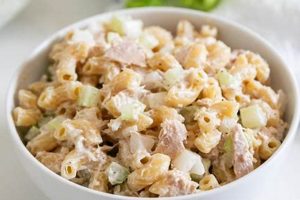
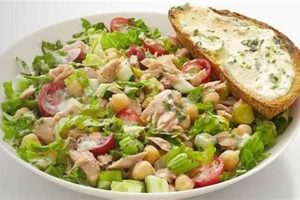
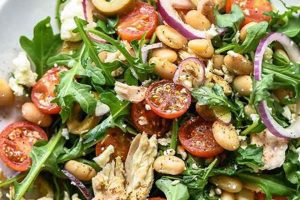
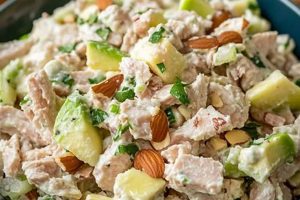
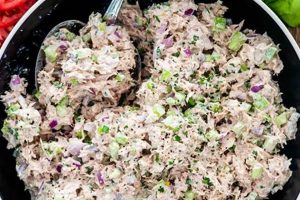
A superior tuna noodle salad typically combines cooked pasta, canned tuna, and a creamy dressing, often mayonnaise-based. Common additions include celery, onion, and seasonings. Variations can incorporate different pasta shapes, herbs, spices, and vegetables, offering a wide range of flavor profiles. A defining characteristic of a highly-regarded version is the balance of flavors and textures, creating a dish that is both refreshing and satisfying.
This dish remains a popular choice for picnics, potlucks, and quick lunches due to its ease of preparation, affordability, and adaptability. Its enduring appeal stems from its customizable nature, allowing for adjustments to suit individual preferences and dietary needs. Historically, the combination of canned tuna and pasta emerged as a convenient and economical meal option, gaining popularity in the mid-20th century.
The following sections will explore key elements contributing to an exceptional tuna noodle salad, including ingredient selection, dressing preparation, and tips for achieving optimal flavor and texture.
Tips for an Exceptional Tuna Noodle Salad
Achieving a truly delicious tuna noodle salad involves careful consideration of ingredients and techniques. The following tips offer guidance for elevating this classic dish.
Tip 1: Pasta Selection: Opt for small to medium-sized pasta shapes that hold the dressing well, such as rotini, shells, or farfalle. Avoid long, thin noodles like spaghetti or linguine.
Tip 2: High-Quality Tuna: Select tuna packed in water or olive oil, draining it thoroughly before adding to the salad. Solid or chunk light tuna generally works well.
Tip 3: Flavorful Dressing: A well-balanced dressing is crucial. Classic mayonnaise-based dressings can be enhanced with Dijon mustard, lemon juice, or vinegar for added tang. Greek yogurt can be incorporated for a lighter, healthier alternative.
Tip 4: Fresh Ingredients: Crisp vegetables like celery, red onion, and bell peppers add texture and flavor. Ensure vegetables are finely chopped for even distribution.
Tip 5: Seasoning: Seasoning beyond salt and pepper can significantly elevate the flavor profile. Consider adding fresh or dried herbs like dill, parsley, or chives. A dash of paprika or celery seed can also enhance the taste.
Tip 6: Proper Chilling: Chilling the salad for at least 30 minutes allows the flavors to meld and the pasta to absorb the dressing, resulting in a more cohesive and flavorful dish.
Tip 7: Avoid Overmixing: Overmixing can break down the pasta and vegetables, leading to a mushy texture. Gently combine ingredients to maintain their integrity.
By following these tips, one can create a tuna noodle salad that is both satisfying and flavorful, transforming a simple dish into a culinary delight.
These guidelines provide a foundation for creating a memorable tuna noodle salad experience. Experimentation with different ingredients and flavor combinations can further personalize the dish.
1. High-Quality Ingredients

Ingredient quality significantly impacts the overall flavor and enjoyment of a tuna noodle salad. Utilizing superior components elevates this simple dish from ordinary to exceptional. The following facets illustrate the importance of ingredient selection in achieving a truly satisfying culinary experience.
- Tuna:
Opting for high-quality tuna packed in oil, rather than water, contributes a richer flavor and moister texture. Albacore or yellowfin tuna offer a more delicate flavor compared to skipjack. Avoiding tuna with added fillers or flavor enhancers ensures a cleaner, more authentic taste.
- Pasta:
Selecting a durable pasta shape that holds its form after cooking is crucial. Overcooked pasta can result in a mushy salad. Choosing a high-quality pasta made from durum wheat semolina ensures a firm, pleasant texture that complements the other ingredients.
- Mayonnaise:
Mayonnaise serves as the foundation of the dressing, impacting both flavor and texture. A high-quality mayonnaise, preferably made with real eggs and oil, provides a richer, creamier consistency and a more balanced flavor profile compared to lower-quality alternatives. Using mayonnaise made with olive oil can further enhance the flavor.
- Produce:
Fresh, crisp vegetables contribute significantly to the overall appeal. Using vibrant, recently harvested produce ensures optimal flavor and texture. Wilted or aged vegetables can detract from the salad’s freshness and negatively impact the overall sensory experience. Organic produce can offer enhanced flavor and minimize exposure to pesticides.
By prioritizing high-quality ingredients, one can elevate a simple tuna noodle salad to a truly memorable dining experience. The interplay of flavors and textures created by superior components results in a dish that is far more satisfying than one made with generic or lower-quality alternatives. The investment in better ingredients translates directly to enhanced enjoyment.
2. Balanced Flavors
A truly exceptional tuna noodle salad hinges on the harmonious interplay of flavors. Balance prevents any single element from overpowering the others, creating a cohesive and enjoyable culinary experience. Achieving this balance requires careful consideration of each ingredient and its contribution to the overall flavor profile.
- Acidity:
Acidity provides brightness and cuts through the richness of the mayonnaise and tuna. Lemon juice or vinegar are common sources of acidity. Too little acidity can result in a bland salad, while too much can make it overly tart. The right balance enhances the other flavors without dominating the palate. For example, a squeeze of fresh lemon juice brightens the flavors of the tuna and mayonnaise.
- Saltiness:
Salt enhances the flavors of the other ingredients and provides a savory backbone to the salad. Tuna and mayonnaise often contain sodium, so additional salt should be added judiciously. Over-salting can mask other flavors, while under-salting can result in a flat, unappealing taste. Careful seasoning is essential to achieve the desired savory balance. Using kosher salt allows for more precise seasoning.
- Creaminess:
Creaminess, typically provided by mayonnaise or a similar ingredient, contributes a rich, smooth texture. The level of creaminess should complement the other flavors without making the salad overly heavy. Greek yogurt can be used as a lighter alternative to mayonnaise, offering a tangy creaminess. The right balance of creaminess adds a luxurious mouthfeel without overwhelming the other components. Adding a touch of sour cream can enhance the creaminess while providing a subtle tang.
- Aromatics:
Aromatics, such as onion, celery, or herbs, introduce complexity and depth of flavor. These ingredients contribute not only to the taste but also to the aroma of the salad. Fresh dill or chives offer a bright, herbaceous counterpoint to the richness of the tuna and mayonnaise. The balance of aromatics adds layers of flavor and prevents the salad from tasting one-dimensional. Finely diced red onion provides a pungent bite that complements the other flavors.
By carefully balancing these elementsacidity, saltiness, creaminess, and aromaticsone can create a tuna noodle salad that is far more than the sum of its parts. The harmonious interplay of flavors elevates this simple dish to a truly satisfying culinary experience. Achieving this balance is the key to crafting an exemplary tuna noodle salad.
3. Proper Pasta Choice

Pasta selection significantly influences the overall quality of a tuna noodle salad. The ideal pasta complements the other ingredients without dominating the dish, contributing to both texture and flavor absorption. Shape, size, and cooking method all play crucial roles in achieving the desired outcome.
Small to medium-sized pasta shapes, such as rotini, shells, or farfalle, are generally preferred. These shapes effectively capture the dressing and other ingredients within their curves and crevices, ensuring each bite delivers a balanced flavor profile. Conversely, long, thin pasta like spaghetti or linguine tends to clump together, making it difficult to achieve an even distribution of ingredients and dressing. Overcooked pasta becomes mushy and absorbs less dressing, negatively impacting both texture and flavor. Al dente pasta, cooked until firm to the bite, provides the optimal texture and absorbs the dressing more effectively, resulting in a more flavorful and satisfying salad. For instance, rotini’s spiral shape holds the creamy dressing well, while overcooked penne results in a less appealing, mushy texture.
The importance of proper pasta selection extends beyond mere aesthetics. It directly impacts the balance of flavors and textures, contributing significantly to the overall enjoyment of the dish. Choosing the correct pasta shape and ensuring it is cooked al dente are fundamental steps in creating a truly exceptional tuna noodle salad. Neglecting these aspects can compromise the overall quality and diminish the culinary experience, highlighting the integral role pasta choice plays in achieving the desired result.
4. Creamy, Flavorful Dressing
The dressing serves as the unifying element in a tuna noodle salad, binding the ingredients and imparting crucial flavor dimensions. A creamy, flavorful dressing elevates this simple dish, transforming it from a basic combination of ingredients into a cohesive and satisfying culinary experience. The dressing’s texture and flavor profile significantly impact the overall perception of the salad, contributing to its perceived quality and enjoyment.
Creaminess, often achieved through mayonnaise, provides a luxurious mouthfeel and helps distribute flavors evenly throughout the salad. However, relying solely on mayonnaise can result in a bland, one-dimensional dressing. Flavorful additions are essential to create depth and complexity. These additions can include tangy elements like lemon juice or vinegar, Dijon mustard for sharpness, and fresh herbs like dill or chives for brightness. The interplay of these flavors creates a balanced profile that complements the tuna and other ingredients. For example, a dressing featuring mayonnaise, lemon juice, Dijon mustard, and fresh dill offers a balanced combination of richness, acidity, sharpness, and herbaceous notes, enhancing the overall flavor profile of the tuna noodle salad. Conversely, a dressing lacking these elements may taste flat and uninspired.
The practical significance of understanding the role of the dressing is clear: it allows for informed choices regarding ingredient selection and proportion. A well-crafted dressing elevates the entire dish, while a poorly conceived one can detract from even the highest quality tuna and perfectly cooked pasta. Therefore, careful consideration of the dressing’s composition is essential to achieving a truly exceptional tuna noodle salad. Attention to detail in creating a balanced and flavorful dressing distinguishes a mediocre salad from a truly memorable one, demonstrating the integral role the dressing plays in realizing the full potential of this classic dish.
5. Fresh, Crisp Vegetables

Fresh, crisp vegetables play a vital role in a superior tuna noodle salad, contributing crucial textural and flavor elements. These elements enhance the overall sensory experience, elevating the dish beyond a simple combination of ingredients. The textural contrast provided by crisp vegetables prevents the salad from becoming monotonous, offering a refreshing counterpoint to the softer textures of the pasta and tuna. Flavor-wise, fresh vegetables introduce complexity and brightness, balancing the richness of the mayonnaise and tuna. This balance prevents the salad from feeling heavy or overly rich, enhancing its overall appeal. For example, the snappy crunch of celery and the subtle bite of red onion provide textural variation and introduce aromatic complexity that complements the other components. Wilted or less-than-fresh vegetables can introduce off-flavors and negatively impact the overall quality of the salad.
The importance of fresh vegetables extends beyond mere flavor and texture. They contribute nutritional value, adding vitamins, minerals, and fiber to the dish. This nutritional boost enhances the salad’s health benefits, making it a more complete and satisfying meal. Furthermore, the vibrant colors of fresh vegetables enhance the visual appeal of the salad, making it more appetizing. The interplay of colors and textures stimulates the appetite and enhances the overall dining experience. Consider the visual appeal of bright green celery, vibrant red onion, and deep green chopped parsley against the backdrop of creamy pasta and tuna. This visual appeal is a key component of a truly exceptional tuna noodle salad.
Selecting and preparing fresh vegetables appropriately is essential for maximizing their contribution to the salad. Washing and thoroughly drying vegetables prevents excess moisture from diluting the dressing. Precise chopping ensures even distribution throughout the salad and prevents large pieces from overwhelming other ingredients. Proper storage in airtight containers in the refrigerator maintains freshness and crispness. Attention to these details maximizes the positive impact of fresh vegetables on the overall quality and enjoyment of the tuna noodle salad. The careful selection and preparation of fresh, crisp vegetables are essential components of a truly exceptional tuna noodle salad, significantly impacting its flavor, texture, nutritional value, and visual appeal. Neglecting these elements compromises the overall quality and diminishes the culinary experience.
6. Appropriate Seasoning
Appropriate seasoning distinguishes a good tuna noodle salad from an exceptional one. Seasoning elevates the inherent flavors of the ingredients, creating a balanced and nuanced flavor profile. It is not merely about adding salt and pepper; it involves a thoughtful approach to enhancing the overall taste experience. Understanding the role of various seasonings and their impact on the final product is crucial for achieving a truly delicious tuna noodle salad.
- Salt:
Salt is fundamental, enhancing the natural flavors of the tuna, vegetables, and dressing. However, over-salting can easily mask delicate flavors, while under-salting results in a bland dish. The type of salt matters; kosher salt, with its larger crystals, offers better control and distribution. Sea salt can impart a subtle minerality, while table salt is best used sparingly due to its finer texture and intense salinity. The amount of salt needed depends on the other ingredients, particularly the sodium content of the tuna and any added condiments.
- Black Pepper:
Freshly ground black pepper adds a subtle heat and complexity. Pre-ground pepper loses its potency over time, resulting in a less impactful flavor. The coarseness of the grind influences the intensity; coarsely ground pepper provides a more pronounced bite, while finely ground pepper offers a gentler warmth. Black pepper complements the savory notes of the tuna and enhances the overall flavor profile of the salad.
- Herbs:
Fresh herbs introduce brightness and aromatic complexity. Dill, parsley, chives, and tarragon are popular choices, each offering a distinct flavor profile. Dill’s slightly tangy, anise-like flavor complements the richness of the mayonnaise, while parsley provides a fresh, herbaceous note. Chives offer a mild onion flavor, and tarragon introduces a subtle licorice nuance. Using a combination of herbs can create a more layered and dynamic flavor experience. Dried herbs can be substituted when fresh herbs are unavailable, but they should be used sparingly as their flavor is more concentrated.
- Acid:
A touch of acidity brightens the flavors and balances the richness of the mayonnaise. Lemon juice or vinegar are common choices, each offering a distinct character. Lemon juice provides a citrusy brightness, while different types of vinegar offer varying levels of sharpness and complexity. Apple cider vinegar adds a subtle sweetness, while red wine vinegar contributes a more robust tang. The amount of acid should be carefully balanced to enhance the other flavors without making the salad overly tart. A squeeze of fresh lemon juice or a splash of vinegar can significantly elevate the overall flavor profile.
Appropriate seasoning is the key to unlocking the full potential of a tuna noodle salad. The careful balance of salt, pepper, herbs, and acid elevates the individual components and creates a harmonious and flavorful whole. The thoughtful application of seasonings distinguishes a truly exceptional tuna noodle salad from a merely adequate one, demonstrating the crucial role seasoning plays in achieving culinary excellence.
7. Sufficient Chilling Time
Sufficient chilling time is a crucial, often overlooked, element in crafting a truly exceptional tuna noodle salad. While seemingly a minor detail, adequate refrigeration significantly impacts the final product’s flavor, texture, and overall enjoyment. Chilling allows the flavors of the various componentspasta, tuna, vegetables, and dressingto meld and harmonize, creating a more cohesive and balanced flavor profile. This melding process enhances the complexity and depth of the salad, distinguishing a well-chilled version from one hastily assembled and served.
- Flavor Development:
Chilling allows the ingredients to marinate in the dressing, resulting in a more pronounced and unified flavor. The dressing’s components, such as acids, herbs, and spices, permeate the pasta and vegetables, intensifying their individual flavors and creating a more complex overall taste. A freshly made salad may taste disjointed, with the individual ingredients’ flavors standing apart. After sufficient chilling, these flavors harmonize, creating a more balanced and nuanced flavor profile.
- Texture Enhancement:
Chilling firms the pasta, preventing it from becoming mushy. This enhanced firmness contributes to a more pleasing textural experience. Additionally, the chilling process allows the dressing to thicken slightly, coating the pasta and vegetables more effectively, further contributing to the desired texture. A warm or room-temperature salad may have a less appealing, softer texture, particularly if the pasta has been overcooked.
- Food Safety:
Chilling is essential for food safety, particularly with mayonnaise-based dressings. Harmful bacteria can multiply rapidly at room temperature. Refrigeration inhibits bacterial growth, reducing the risk of foodborne illness. Maintaining the salad at a safe temperature below 40F (4C) is crucial for preserving its quality and ensuring its safe consumption. This is particularly important for salads served at picnics or outdoor gatherings where temperature control can be challenging.
- Enhanced Sensory Experience:
A well-chilled tuna noodle salad offers a more refreshing and enjoyable sensory experience. The cooler temperature enhances the perception of flavors and textures, making the salad more palatable, especially in warmer weather. A chilled salad provides a welcome contrast to the heat, enhancing its refreshing qualities. This enhanced sensory experience contributes significantly to the overall enjoyment of the dish.
Sufficient chilling time is an integral step in the “best tuna noodle salad recipe.” It’s not simply a matter of convenience but a critical factor that significantly influences the final product’s quality. The benefits extend beyond mere flavor enhancement, encompassing texture improvement, food safety, and a more pleasurable sensory experience. Ignoring this crucial step compromises the overall quality and diminishes the potential for a truly exceptional culinary outcome, underscoring the importance of incorporating adequate chilling time into the preparation process.
Frequently Asked Questions
This section addresses common inquiries regarding optimal tuna noodle salad preparation.
Question 1: What type of tuna is best suited for tuna noodle salad?
While various tuna varieties are suitable, albacore or yellowfin tuna packed in oil generally offer a superior flavor and texture compared to skipjack. Draining the tuna thoroughly before incorporating it into the salad prevents excess oil from overwhelming the other ingredients. Tuna packed in water can also be used, but it may result in a slightly drier salad.
Question 2: What is the ideal pasta shape for this dish?
Small to medium-sized pasta shapes, such as rotini, shells, or farfalle, are recommended. These shapes effectively hold the dressing and other ingredients, ensuring a balanced flavor in each bite. Long, thin pasta like spaghetti or linguine is less suitable as it tends to clump together.
Question 3: Can the mayonnaise be substituted with a healthier alternative?
Plain Greek yogurt offers a healthier alternative to mayonnaise, reducing overall fat content while providing a tangy, creamy texture. Alternatively, a combination of mayonnaise and Greek yogurt can be used to balance flavor and health considerations.
Question 4: How long should the salad be chilled before serving?
Chilling for at least 30 minutes allows the flavors to meld and the pasta to absorb the dressing fully. Longer chilling times, up to several hours, further enhance flavor development but are not strictly necessary.
Question 5: How can one prevent the salad from becoming watery?
Thoroughly draining the tuna and vegetables before adding them to the salad helps prevent excess moisture. Ensuring the pasta is cooked al dente and not overcooked also minimizes wateriness. Adding the dressing just before serving, rather than hours in advance, also helps maintain the desired consistency.
Question 6: What other ingredients can be added to enhance the flavor?
Various ingredients can enhance the flavor profile, including chopped celery, red onion, bell peppers, hard-boiled eggs, fresh herbs (dill, parsley, chives), and spices (paprika, celery seed). The choice of additions depends on individual preferences and desired flavor combinations.
Careful consideration of these points ensures a successful and enjoyable tuna noodle salad experience.
The following section offers a sample recipe incorporating these principles.
Best Tuna Noodle Salad Recipe
Exploration of the optimal tuna noodle salad recipe reveals the critical interplay of ingredient quality, flavor balance, textural elements, and proper techniques. High-quality tuna, thoughtfully selected pasta, and a balanced dressing form the foundation. Fresh, crisp vegetables contribute textural complexity and visual appeal, while appropriate seasoning elevates the inherent flavors. Sufficient chilling time allows flavors to meld and textures to optimize. Adherence to these principles ensures a superior culinary experience.
Achieving an exceptional tuna noodle salad rests upon a nuanced understanding of these interconnected elements. Application of these principles transforms a simple dish into a culinary delight, demonstrating the potential for excellence within even the most familiar recipes. Continued exploration and adaptation of these guidelines promise further refinement and personalized culinary expression.