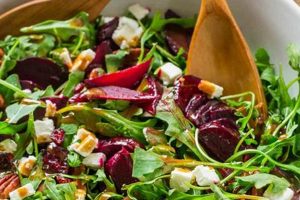
A refreshing and often festive dish, this type of salad typically combines the tartness of cranberries with the richness of pecans, creating a balanced flavor profile. Common additions include leafy greens such as spinach or romaine, crumbled cheese like feta or blue cheese, and a vinaigrette dressing. Variations might incorporate other fruits, vegetables, or proteins like grilled chicken or roasted turkey.
The contrasting textures and flavors make this salad a popular choice for holiday gatherings, potlucks, and autumnal meals. The nutritional benefits of both cranberries and pecans, rich in antioxidants and healthy fats, contribute to its appeal. This salad has likely evolved from simpler green salads with fruit and nut additions, gaining popularity alongside the broader trend of incorporating diverse ingredients and flavor combinations into salads.
This exploration will delve into various aspects of creating this culinary delight, including ingredient selection, preparation techniques, dressing options, and serving suggestions. Further discussion will cover variations and adaptations to suit different dietary needs and preferences.
Tips for a Perfect Salad
Achieving optimal flavor and texture requires attention to detail throughout the preparation process. The following tips offer guidance for creating a truly exceptional salad.
Tip 1: Ingredient Quality: Selecting fresh, high-quality ingredients is paramount. Look for plump, vibrant cranberries and crisp pecans. Avoid using pre-chopped ingredients, as these can often be less fresh.
Tip 2: Cranberry Preparation: Dried cranberries can be plumped by soaking them in warm water or juice for a few minutes before adding them to the salad. Fresh cranberries can be used raw or lightly roasted to enhance their sweetness.
Tip 3: Toasting Pecans: Toasting pecans intensifies their nutty flavor and adds a satisfying crunch. Spread them on a baking sheet and toast in a preheated oven at 350F (175C) for 5-7 minutes, or until fragrant.
Tip 4: Balancing Flavors: The sweet, tart, and savory elements should be in harmony. Consider the sweetness of the dressing and the saltiness of the cheese when balancing the tartness of the cranberries.
Tip 5: Dressing Choice: A vinaigrette dressing complements the flavors of the salad without overpowering them. Experiment with different vinegars, such as apple cider, balsamic, or red wine vinegar.
Tip 6: Proper Storage: To maintain optimal freshness, store the salad components separately and combine them just before serving. Avoid adding the dressing until the last minute to prevent the greens from wilting.
Tip 7: Creative Additions: Enhance the salad with complementary ingredients such as crumbled goat cheese, diced apples, or segments of orange.
Tip 8: Presentation: Consider the visual appeal of the salad. Arrange the ingredients attractively on a platter or in individual bowls for an elegant presentation.
By following these tips, one can elevate this simple salad to a culinary masterpiece. Careful attention to each step ensures a delightful sensory experience.
From ingredient selection to final presentation, the creation of this salad offers opportunities for both culinary creativity and healthful enjoyment.
1. Ingredients
Ingredient selection significantly impacts the overall quality and flavor profile of a cranberry pecan salad. The interplay of sweet, tart, savory, and crunchy elements defines this salad, and careful consideration of each ingredient is essential. Freshness and quality are paramount; wilted greens or rancid nuts can detract from the overall experience. For instance, using fresh, vibrant cranberries versus dried ones significantly alters the texture and moisture content. Similarly, opting for high-quality pecans, preferably toasted, contributes a desirable crunch and intensifies their inherent nutty flavor. The choice of cheese, whether sharp and salty or creamy and mild, further influences the final taste.
Specific ingredients contribute distinct characteristics to the salad. Cranberries provide tartness and a burst of color, while pecans offer richness, crunch, and healthy fats. Leafy greens, such as spinach or romaine, contribute freshness and vitamins. Cheese adds a savory element and textural contrast. The dressing ties these components together, enhancing and balancing the flavors. A simple vinaigrette with a touch of sweetness complements the other ingredients without overpowering them. Substituting ingredients, like using walnuts instead of pecans or adding dried apricots alongside cranberries, allows for customization and exploration of different flavor profiles.
Understanding the role of each ingredient allows for informed choices that enhance the sensory experience. Balancing the flavors and textures requires careful consideration of the ingredients’ individual contributions. While a classic recipe provides a foundation, informed substitution based on ingredient availability or dietary restrictions can lead to equally satisfying variations. A deep understanding of ingredient interaction allows for predictable outcomes and ensures a successful and enjoyable culinary experience.
2. Preparation

Preparation plays a crucial role in a successful cranberry pecan salad recipe, impacting both flavor and texture. This stage encompasses several key steps, each influencing the final outcome. Consider the effect of toasting pecans: raw pecans offer a softer texture and milder flavor, while toasted pecans provide a desirable crunch and intensified nuttiness. Similarly, the treatment of cranberries affects their contribution to the salad. Dried cranberries benefit from plumping in warm liquid to enhance their texture and juiciness. Fresh cranberries can be incorporated directly or lightly roasted to deepen their sweetness and concentrate their flavor. Even the preparation of leafy greens matters; washing and thoroughly drying lettuce prevents a soggy salad and allows the dressing to adhere properly.
Neglecting proper preparation techniques diminishes the salad’s overall quality. Untoasted pecans might taste bland, and unplumped dried cranberries can feel dry and chewy. Moreover, improper handling of ingredients can introduce unwanted flavors. For instance, using stale pecans or wilted greens will negatively impact the overall taste and freshness of the salad. However, careful attention to each preparatory step elevates the final product. The contrast of crisp pecans against the tender greens and plump cranberries creates a more satisfying sensory experience. The interplay of flavors becomes more pronounced when each ingredient is prepared to maximize its contribution.
Proper preparation is the foundation of a well-executed cranberry pecan salad. This process optimizes each ingredient’s potential, enhancing both the individual flavors and the combined synergy. From ingredient handling to the timing of combining elements, the care taken during preparation directly translates to the final quality and enjoyment of the dish. Neglecting these steps can result in a mediocre outcome, while meticulous preparation ensures a delightful culinary experience.
3. Dressing

Dressing serves as a unifying element in a cranberry pecan salad recipe, significantly impacting the final flavor profile and overall enjoyment. The dressing’s role extends beyond simply adding moisture; it enhances and balances the inherent flavors of the individual ingredients. Consider the interplay between a tart vinaigrette and the sweetness of dried cranberries, the richness of pecans, and the sharpness of a cheese like feta or blue cheese. A properly chosen dressing harmonizes these distinct flavors, creating a cohesive and balanced culinary experience. A light vinaigrette, for example, with a base of apple cider or balsamic vinegar, often complements the salad’s components without masking their individual contributions. Conversely, a heavy, creamy dressing might overpower the delicate flavors of the cranberries and pecans.
Specific dressing characteristics play crucial roles in achieving the desired balance. Acidity, sweetness, and texture all contribute to the overall sensory experience. A vinaigrette’s acidity, derived from vinegar, cuts through the richness of the pecans and complements the tartness of the cranberries. A touch of sweetness in the dressing, often from honey or maple syrup, balances the tartness and adds depth. The dressing’s texture also influences the salad’s appeal. A thinner vinaigrette lightly coats the ingredients, allowing their individual textures to shine, while a thicker dressing might cling more heavily, potentially making the salad feel less refreshing. Practical examples include pairing a citrus vinaigrette with a salad featuring segments of orange or grapefruit, or using a maple-balsamic vinaigrette to enhance the sweetness of roasted butternut squash or sweet potatoes added to the salad.
Understanding the impact of dressing on a cranberry pecan salad allows for informed choices that elevate the dish from simple to exceptional. Selecting a dressing that complements rather than competes with the existing flavors is essential. Experimentation with different flavor profiles and textures expands culinary horizons and allows for customization based on personal preferences or dietary needs. Ultimately, the choice of dressing is a critical element that significantly influences the overall success and enjoyment of this salad. It provides the crucial bridge connecting individual ingredients into a harmonious and flavorful whole.
4. Variations
Variations within a cranberry pecan salad recipe demonstrate the adaptability of this dish, offering opportunities to cater to diverse palates and dietary requirements. Exploring these variations provides a deeper understanding of the core elements that define the salad while simultaneously showcasing the potential for customization. The fundamental balance of sweet, tart, savory, and crunchy textures remains a guiding principle, even as specific ingredients change. These variations highlight how adaptable the basic concept of a cranberry pecan salad can be, allowing for both creativity and personalization.
- Fruit Substitutions and Additions
Substituting or supplementing cranberries with other dried or fresh fruits allows for exploration of different flavor profiles. Dried cherries or apricots offer a sweeter counterpoint to the pecans, while fresh berries, such as blueberries or raspberries, contribute a burst of juicy sweetness and a contrasting texture. These variations highlight the interplay of sweet and tart elements within the salad, demonstrating the versatility of fruit as a key ingredient.
- Nut and Seed Alternatives
While pecans provide a characteristic richness and crunch, alternative nuts and seeds can offer intriguing variations. Walnuts, almonds, or pumpkin seeds contribute different flavor profiles and textures. Toasted pepitas, for example, offer a lighter, nuttier crunch than pecans, while walnuts introduce a subtle earthiness. These substitutions demonstrate the role of nuts and seeds in providing texture and flavor complexity.
- Cheese Selection
Cheese significantly influences the savory dimension of the salad. Feta cheese provides a salty, tangy counterpoint to the sweetness of the cranberries, while blue cheese offers a pungent and creamy contrast. Gorgonzola adds a milder, yet still distinct, sharpness. Goat cheese provides a creamy, tangy flavor, while a sharp cheddar adds a more robust, savory note. These choices exemplify the impact of cheese selection on the overall flavor balance.
- Protein Enhancements
Introducing protein transforms the salad into a more substantial meal. Grilled chicken or roasted turkey provide lean protein options, while crumbled bacon or crispy prosciutto add a salty, smoky element. These additions demonstrate the versatility of the salad as a base for various meal options, catering to different dietary needs and preferences. Even the addition of plant-based proteins, such as chickpeas or lentils, can create a hearty and nutritious salad.
These variations demonstrate the inherent flexibility of a cranberry pecan salad recipe. Understanding the interplay of ingredients and flavors allows for informed substitutions and additions, ensuring a satisfying and personalized culinary experience. From simple ingredient swaps to the inclusion of protein elements, these variations elevate the salad from a side dish to a customizable culinary canvas, demonstrating the recipe’s enduring appeal and adaptability.
5. Presentation

Presentation elevates a cranberry pecan salad recipe from a simple combination of ingredients to a visually appealing and enticing dish. Consideration of visual elements enhances the dining experience, impacting perceived freshness and flavor. Strategic placement of ingredients, color contrasts, and the choice of serving vessel all contribute to a positive first impression. A thoughtfully arranged salad signals care and attention to detail, increasing anticipation and enjoyment. For example, arranging the salad on a bed of vibrant greens with the pecans and cranberries artfully scattered creates visual interest compared to simply tossing all ingredients together. Using a decorative serving bowl further enhances the presentation, framing the salad as a centerpiece rather than a mere side dish.
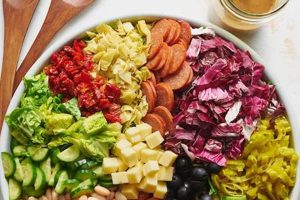
Practical applications of presentation principles demonstrate a direct impact on perceived quality. A salad served on individual plates with carefully placed components appears more elegant than one scooped from a communal bowl. Garnishes, such as a sprig of fresh rosemary or a sprinkle of crumbled cheese, add a final touch of sophistication. Even the choice of serving utensils can influence perception; using elegant tongs or individual salad servers adds a sense of formality. In a buffet setting, arranging the salad on a chilled platter with separate compartments for different toppings allows for customization and maintains ingredient integrity, enhancing both visual appeal and perceived freshness. Conversely, a poorly presented salad, even if made with high-quality ingredients, might be perceived as less appealing, diminishing the overall dining experience.
Attention to presentation demonstrates respect for the ingredients and the dining experience. The visual aspect of food preparation plays a significant role in overall enjoyment. A well-presented cranberry pecan salad communicates care and attention to detail, elevating a simple dish to a more memorable culinary experience. Understanding these principles allows for consistent creation of visually appealing salads, enhancing any meal or gathering, from casual weeknight dinners to festive holiday celebrations. Effective presentation maximizes the impact of the carefully chosen ingredients and preparation techniques, completing the journey from recipe to a truly satisfying culinary creation.
Frequently Asked Questions
This section addresses common inquiries regarding cranberry pecan salad recipes, providing concise and informative responses to clarify potential uncertainties and enhance understanding of this versatile dish.
Question 1: Can frozen cranberries be used?
While fresh cranberries offer optimal texture and flavor, frozen cranberries can be substituted. Thaw and drain them thoroughly before adding to the salad to prevent excess moisture.
Question 2: How long can the salad be stored?
For optimal freshness, it is recommended to store components separately and combine them just before serving. If the salad is already dressed, it should be consumed within 24 hours for best quality.
Question 3: What type of lettuce works best?
Various leafy greens complement this salad. Robust greens like romaine or spinach hold up well, while butter lettuce or mixed greens offer a more delicate texture. The choice depends on individual preference.
Question 4: Can the pecans be substituted?
Other nuts, such as walnuts, almonds, or pistachios, can be substituted for pecans, although the flavor profile will change accordingly. Seeds like pumpkin or sunflower seeds can also provide textural variation.
Question 5: Is it necessary to toast the pecans?
Toasting pecans enhances their flavor and adds a desirable crunch. While not strictly necessary, toasting is highly recommended for optimal results.
Question 6: Can this salad be served as a main course?
Adding protein, such as grilled chicken, roasted turkey, or chickpeas, transforms this salad into a satisfying main course. Adjusting the portion size accordingly is also recommended.
Addressing these frequently asked questions provides a more comprehensive understanding of cranberry pecan salad preparation and its adaptable nature. Informed choices regarding ingredients, preparation methods, and serving styles allow for customization and ensure a successful and enjoyable culinary experience.
For further exploration, consider the following recipe variations and serving suggestions.
Cranberry Pecan Salad Recipe
Exploration of the cranberry pecan salad recipe reveals a dish offering both simplicity and complexity. From ingredient selection and preparation techniques to dressing choices and presentation considerations, each step contributes to the final product. The balance of sweet, tart, savory, and crunchy elements defines this salad, offering a delightful sensory experience. Variations within the recipe demonstrate adaptability, catering to diverse preferences and dietary needs. Ingredient quality remains paramount, impacting both flavor and texture. Proper preparation, including toasting pecans and plumping cranberries, maximizes individual ingredient contributions. Dressing choice significantly influences overall flavor balance, while presentation elevates the dining experience.
The cranberry pecan salad recipe provides a versatile framework for culinary creativity. Understanding the interplay of ingredients empowers informed choices, resulting in a dish that satisfies both palate and aesthetic sensibilities. Continued exploration of variations and flavor combinations ensures this salad remains a relevant and adaptable culinary staple, offering a refreshing and delightful addition to any meal or gathering. The possibilities within this seemingly simple salad are vast, encouraging culinary experimentation and personalized interpretations.