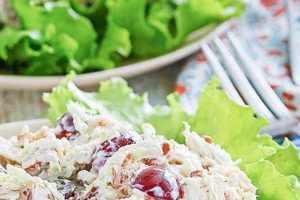
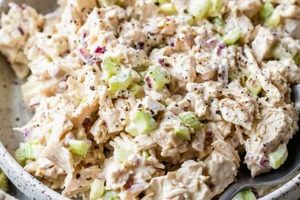
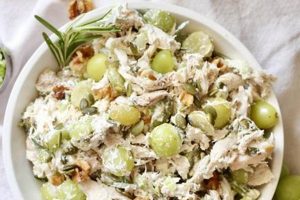
Dishes featuring this leafy green and poultry offer a nutritious and flavorful meal option. Combining the earthy notes of kale with the savory taste of chicken creates a versatile base adaptable to a variety of culinary preferences. Examples include classic preparations with creamy dressings, vibrant Asian-inspired versions with sesame and ginger, and Mediterranean variations with feta and olives.
These salads provide a good source of protein, vitamins (A, C, and K), and minerals, while offering a relatively low-calorie meal. The high fiber content in kale contributes to digestive health. Historically, kale has been cultivated for centuries and enjoyed for its nutritional value. Chicken, a readily available and affordable protein source, complements kale’s robust flavor profile. This combination reflects a contemporary focus on healthy eating and creative culinary exploration.
This exploration will delve into various preparation methods, ingredient combinations, and nutritional considerations relevant to preparing delicious and wholesome meals centered around this popular pairing. Topics will include selecting fresh ingredients, achieving optimal flavor balance, and exploring variations suitable for different dietary needs and preferences.
Tips for Crafting Exceptional Kale and Chicken Salads
Creating a vibrant and flavorful salad requires attention to detail and a thoughtful approach to ingredient selection and preparation. These tips offer guidance for achieving optimal results.
Tip 1: Massage the Kale: Massaging kale leaves with a small amount of olive oil or lemon juice tenderizes the leaves, reducing bitterness and improving texture.
Tip 2: Choose the Right Chicken: Grilled, roasted, or shredded rotisserie chicken work well. Consider using different cuts for varied texture and flavor profiles.
Tip 3: Balance Flavors: Combine sweet, savory, acidic, and crunchy elements. Dried cranberries, toasted nuts, crumbled cheese, or a vibrant vinaigrette can enhance the overall taste experience.
Tip 4: Dress Strategically: Avoid overdressing the salad. Toss the kale with the dressing first, then add the remaining ingredients. This prevents the other components from becoming soggy.
Tip 5: Don’t Be Afraid to Experiment: Explore various flavor combinations. Add roasted vegetables, different cheeses, or unique fruits like pomegranate seeds or sliced apples.
Tip 6: Proper Storage: Store prepared kale separately from the other ingredients to maintain freshness. Combine just before serving to prevent the salad from wilting.
Tip 7: Consider Dietary Needs: Adapt recipes to accommodate specific dietary requirements. Substitute ingredients as needed, for example, using a dairy-free cheese or a low-sodium dressing.
By following these guidelines, one can achieve a well-balanced, flavorful, and nutritious salad. These tips offer a starting point for culinary exploration, encouraging creativity and customization.
These techniques pave the way for consistently enjoyable and healthful meals, highlighting the versatility and nutritional value inherent in this culinary combination.
1. Ingredient Selection
Ingredient selection significantly impacts the overall quality and flavor profile of kale and chicken salads. Careful consideration of each component contributes to a balanced and nutritious meal.
- Kale Variety
Different kale varieties offer unique characteristics. Curly kale provides a robust, slightly bitter flavor, while Tuscan kale (also known as lacinato or dinosaur kale) offers a sweeter, more delicate taste. Choosing the appropriate variety influences the final flavor profile of the salad.
- Chicken Preparation
Chicken can be prepared in various ways, each impacting the salad’s overall taste and texture. Grilled chicken adds a smoky char, while roasted chicken offers a more tender and juicy texture. Shredded rotisserie chicken provides a convenient and flavorful option. The chosen preparation method significantly influences the salad’s character.
- Complementary Ingredients
Adding complementary ingredients enhances the salad’s flavor and nutritional value. Examples include dried fruits (cranberries, raisins), nuts (almonds, walnuts), seeds (pumpkin, sunflower), cheeses (feta, Parmesan), and other vegetables (bell peppers, red onion). The selection of these additions contributes to textural diversity and nutritional complexity.
- Dressing Choice
The dressing ties the salad together, adding flavor and moisture. Options range from light vinaigrettes to creamy dressings. Consider the flavor profiles of the other ingredients when selecting a dressing. A lemon vinaigrette complements lighter salads, while a creamy Caesar dressing pairs well with bolder flavors. The dressing choice is crucial for achieving flavor balance.
Thoughtful ingredient selection elevates a simple kale and chicken salad to a flavorful and nutritious meal. Harmonizing the chosen kale variety, chicken preparation, complementary ingredients, and dressing creates a well-balanced and satisfying culinary experience.
2. Flavor Balance

Flavor balance is crucial for creating palatable and enjoyable kale and chicken salads. A well-balanced salad harmonizes contrasting tastes, creating a symphony of flavors that complement each other rather than competing. Achieving this balance elevates the dish beyond a simple combination of ingredients, transforming it into a culinary experience.
- Counteracting Bitterness
Kale, particularly curly kale, possesses a naturally bitter flavor. This bitterness requires balancing with contrasting tastes. Acidity from lemon juice or vinegar cuts through the bitterness, while sweetness from dried fruit or a touch of honey mellows it. Adding salty elements like Parmesan cheese or a savory dressing further contributes to a balanced flavor profile.
- Complementing Savory Notes
Chicken offers a savory base that harmonizes with various flavors. Earthy ingredients like roasted root vegetables or mushrooms enhance the savory notes. Adding brightness through fresh herbs like parsley or cilantro provides a contrasting element. Nuts and seeds contribute textural complexity and subtle nuttiness, further enhancing the savory dimension.
- Integrating Acidity
Acidity plays a vital role in balancing richness and bitterness. A vinaigrette, lemon juice, or vinegar adds brightness and helps lift the flavors. The acidity also complements the fattiness of the chicken and any added cheese or nuts. The appropriate level of acidity prevents the salad from feeling heavy or overly rich.
- Textural Considerations
Texture contributes significantly to the overall enjoyment of a salad. The slight chewiness of kale benefits from contrasting textures like crunchy nuts, seeds, or croutons. Creamy elements like avocado or a creamy dressing provide another layer of textural contrast. The interplay of textures creates a more dynamic and satisfying eating experience.
Successfully balancing these flavor components ensures a delicious and well-rounded kale and chicken salad. Careful consideration of each ingredient and its contribution to the overall flavor profile results in a dish that highlights the individual components while creating a harmonious whole. This balance transforms a simple salad into a complex and enjoyable culinary creation.
3. Preparation Techniques

Preparation techniques significantly influence the final quality and palatability of kale and chicken salads. Proper execution of these techniques ensures optimal flavor, texture, and overall enjoyment. These methods maximize the nutritional value and culinary potential of the combined ingredients.
- Kale Preparation
Kale’s tough texture requires specific preparation to enhance its palatability. Washing and thoroughly drying the leaves prevents a soggy salad. Removing the tough stems and finely chopping or tearing the leaves into bite-sized pieces improves texture. Massaging the kale with olive oil or lemon juice tenderizes the leaves and reduces bitterness. These steps ensure a more enjoyable eating experience.
- Chicken Handling
Proper handling and cooking of the chicken are essential for food safety and optimal flavor. Chicken should be cooked to an internal temperature of 165F (74C) to eliminate potential health risks. Allowing the cooked chicken to rest before shredding or slicing preserves its moisture and tenderness. Different cooking methods, such as grilling, roasting, or poaching, impart distinct flavors to the chicken, influencing the overall taste of the salad.
- Ingredient Combination
The order in which ingredients are combined impacts the final dish. Adding dressing to the kale first allows it to tenderize and absorb the flavors. Incorporating more delicate ingredients, such as herbs or fruits, towards the end prevents them from becoming bruised or overdressed. Proper layering ensures that each ingredient maintains its integrity and contributes to a balanced flavor and texture profile.
- Dressing Emulsification
Creating a stable emulsion for the dressing is crucial for flavor distribution and preventing separation. Whisking the dressing ingredients vigorously or using a blender creates a homogenous mixture that evenly coats the salad ingredients. A stable emulsion enhances the overall taste and visual appeal of the dish.
Mastery of these preparation techniques elevates kale and chicken salads from basic meals to culinary delights. Precise execution enhances flavor, texture, and nutritional value. These techniques ensure a consistently satisfying and healthful dining experience.
4. Nutritional Value
Nutritional value represents a significant advantage of incorporating these salads into a balanced diet. Understanding the nutritional composition of these meals allows for informed dietary choices and maximized health benefits.
- Micronutrients
Kale provides a rich source of vitamins A, C, and K, crucial for maintaining healthy vision, immune function, and blood clotting. These vitamins contribute significantly to overall well-being and disease prevention. Combining kale with other salad ingredients can further enhance the micronutrient profile of the meal.
- Macronutrients
Chicken offers a substantial source of lean protein, essential for muscle building and repair, satiety, and overall metabolic function. The protein content complements the fiber provided by kale, contributing to a balanced macronutrient profile. This combination supports healthy weight management and sustained energy levels.
- Fiber Content
Kale is a notable source of dietary fiber, promoting digestive health, regulating blood sugar levels, and contributing to feelings of fullness. This fiber content complements the protein from chicken, creating a satisfying and nutritious meal that supports digestive regularity and overall well-being.
- Low Calorie Density
These salads can be relatively low in calories, particularly when prepared with lean chicken and a light dressing. This makes them a suitable choice for individuals seeking to manage their weight or maintain a healthy calorie intake. The nutrient-rich composition of these salads provides substantial nutritional benefits without excessive caloric contribution.
The combined nutritional benefits of kale and chicken contribute to a healthy and satisfying meal. Incorporating these salads into a regular diet can support overall well-being and contribute to long-term health goals. Understanding the nutritional composition of these salads allows for informed dietary choices and optimized nutritional intake.
5. Creative Variations

Creative variations within these recipes demonstrate the versatility of this pairing. Exploring these variations expands culinary horizons and allows for customization based on individual preferences, dietary needs, and seasonal ingredient availability. This adaptability ensures ongoing enjoyment and continued exploration of flavor profiles.
- Global Influences
Integrating global flavors elevates these salads beyond traditional preparations. Asian-inspired variations might incorporate ingredients like shredded carrots, edamame, mandarin oranges, and a sesame-ginger dressing. Mediterranean influences could include sun-dried tomatoes, feta cheese, olives, and a lemon-herb vinaigrette. Mexican-inspired versions might feature corn, black beans, avocado, and a cilantro-lime dressing. Exploring these global influences provides diverse and exciting culinary experiences.
- Seasonal Adaptations
Adapting recipes to utilize seasonal ingredients maximizes freshness and flavor. Spring variations might include fresh berries and asparagus. Summer salads could feature grilled peaches or watermelon. Autumn variations might incorporate roasted butternut squash or pumpkin seeds. Winter salads could include dried cranberries and toasted pecans. Utilizing seasonal produce ensures optimal flavor and nutritional value.
- Dietary Modifications
Adapting recipes to accommodate specific dietary requirements expands accessibility. Vegetarian variations might substitute chicken with roasted tofu or chickpeas. Gluten-free versions require careful selection of dressings and avoiding croutons containing gluten. Dairy-free adaptations necessitate using dairy-free cheese alternatives or omitting cheese altogether. These modifications ensure inclusivity and allow individuals with dietary restrictions to enjoy these nutritious meals.
- Textural Enhancements
Exploring different textures elevates the sensory experience of these salads. Adding toasted nuts or seeds provides a satisfying crunch. Incorporating roasted chickpeas or lentils offers a hearty texture. Using dried fruit contributes a chewy element. These textural variations create a more dynamic and enjoyable eating experience.
These creative variations highlight the adaptability and potential of this basic combination. By incorporating diverse ingredients and culinary techniques, these salads transform from simple meals to exciting culinary explorations. This adaptability ensures these recipes remain a versatile and enjoyable dietary staple.
Frequently Asked Questions
This section addresses common inquiries regarding the preparation and consumption of kale and chicken salads, providing clear and concise information to facilitate informed culinary choices.
Question 1: How can bitterness in kale be mitigated?
Massaging kale leaves with olive oil or lemon juice helps break down the cell walls, reducing the bitterness and improving the texture. Selecting younger kale leaves or opting for Tuscan kale, which has a milder flavor, can also minimize bitterness.
Question 2: What are optimal chicken preparation methods?
Grilling, roasting, or poaching chicken enhances its flavor and provides a suitable texture for salads. Using pre-cooked rotisserie chicken offers convenience. Ensuring the chicken is cooked to a safe internal temperature of 165F (74C) is crucial for food safety.
Question 3: How can dressing separation be prevented?
Creating a stable emulsion through vigorous whisking or blending helps prevent dressing separation. Adding a small amount of Dijon mustard or honey can act as an emulsifier, binding the ingredients together and preventing oil and vinegar from separating.
Question 4: What are suitable storage methods for prepared salads?
Storing prepared kale separately from other ingredients and dressing helps maintain its texture and prevent sogginess. Combining all ingredients just before serving ensures optimal freshness and prevents the salad from wilting.
Question 5: How can these salads be adapted for specific dietary needs?
Substitutions allow for adaptation to various dietary restrictions. Using tofu or chickpeas instead of chicken creates a vegetarian option. Dairy-free cheese alternatives or omitting cheese altogether caters to dairy-free diets. Gluten-free dressings and croutons ensure suitability for gluten-free diets.
Question 6: How can nutritional value be maximized?
Combining kale and chicken with nutrient-rich ingredients like other vegetables, nuts, and seeds enhances the overall nutritional profile. Using a variety of colorful vegetables increases the range of vitamins and minerals. Adding healthy fats from nuts and seeds provides essential fatty acids.
Addressing these common questions provides a comprehensive understanding of key considerations related to preparing and enjoying delicious and nutritious kale and chicken salads.
The following section will provide specific recipe examples illustrating these principles in practice.
Kale and Chicken Salad Recipes
Exploration of this culinary combination reveals a versatile and nutritious meal option adaptable to diverse palates and dietary needs. Careful ingredient selection, balanced flavor profiles, and proper preparation techniques contribute significantly to the creation of satisfying and healthful salads. From massaging kale to achieve optimal texture to balancing bitterness with complementary ingredients, these recipes offer a canvas for culinary creativity while prioritizing nutritional value. Adaptability to various dietary restrictions and integration of global influences further broaden the appeal and potential of these dishes.
The intersection of culinary art and nutritional awareness positions these recipes as a valuable component of a balanced and health-conscious lifestyle. Continued exploration of flavor combinations and preparation methods promises further innovation within this culinary space. Emphasis on fresh, wholesome ingredients, coupled with mindful preparation, empowers individuals to create meals that nourish both body and palate.