Dried and salted cod, known as baccal in Italian, forms the foundation of a vibrant salad tradition within Italian cuisine. This dish typically involves rehydrating the cod, then flaking it and combining it with ingredients like olives, capers, celery, onions, tomatoes, potatoes, and parsley. A simple vinaigrette, often featuring red wine vinegar and olive oil, binds the ingredients together. Variations exist across different Italian regions, incorporating ingredients such as chickpeas, bell peppers, or artichoke hearts.
This preparation serves as a testament to Italian culinary resourcefulness, transforming preserved fish into a flavorful and substantial salad. Historically, preserved cod provided a crucial source of protein, particularly during periods of fasting or limited access to fresh seafood. The versatility of baccal allows it to be incorporated into various dishes, but the salad format highlights its unique texture and flavor profile, offering a refreshing and nutritious meal. Its enduring popularity speaks to its satisfying combination of savory, salty, and bright elements.
Further exploration will delve into regional variations, specific ingredient choices, and techniques for rehydrating and preparing the cod. This information will enable a deeper understanding of this classic Italian dish and provide guidance for creating authentic versions at home.
Tips for Preparing Salt Cod Salad
Achieving optimal flavor and texture requires attention to several key steps in the preparation process.
Tip 1: Soaking the Cod: Thorough desalination is crucial. Submerge the dried cod in cold water, refrigerating it for 24-48 hours, changing the water several times. This removes excess salt and rehydrates the fish.
Tip 2: Selecting Ingredients: Utilize high-quality olive oil and fresh, ripe vegetables. Consider regional variations, such as incorporating chickpeas or bell peppers, to enhance flavor complexity.
Tip 3: Flaking the Cod: Once desalted, the cod should be gently flaked into bite-sized pieces, taking care to remove any bones or skin.
Tip 4: Balancing Flavors: The vinaigrette should complement the saltiness of the cod. A balance of acidity from vinegar or lemon juice with the richness of olive oil is essential. Adjust seasonings according to personal preference.
Tip 5: Serving the Salad: This salad can be served chilled or at room temperature. Allowing the flavors to meld for a short time before serving enhances the overall taste experience.
Tip 6: Presentation: Consider the visual appeal. Arrange the salad attractively on a platter or individual plates, garnishing with fresh parsley or a drizzle of olive oil.
Careful preparation ensures a flavorful and enjoyable culinary experience, highlighting the unique qualities of salt cod.
By following these tips, one can create an authentic and delicious salt cod salad that reflects the rich culinary traditions associated with this versatile ingredient.
1. High-quality dried cod

High-quality dried cod is integral to an authentic bacalao salad. The drying process concentrates the fish’s flavor, creating a distinct taste profile that distinguishes the salad. Inferior dried cod, often excessively salty or with an unpleasant fishy odor, compromises the final dish, overwhelming other ingredients. Selecting high-quality dried cod ensures the desired firm texture and clean taste essential for a successful bacalao salad. For instance, using thick, meaty pieces of dried cod with a pale, ivory color generally indicates superior quality compared to thin, brittle pieces with a yellowish tinge. The choice directly impacts the salad’s overall flavor and enjoyment.
The quality of dried cod also influences the rehydration process. Premium dried cod rehydrates evenly, resulting in a pleasant, flaky texture. Conversely, lower-quality cod may become mushy or retain excessive saltiness even after prolonged soaking. This difference affects the salad’s final texture and balance of flavors. Chefs in Italy often source dried cod from specific regions known for their meticulous drying practices, demonstrating the importance placed on this ingredient. This careful selection ensures a consistent and superior final product.
Therefore, investing in high-quality dried cod represents a crucial step in preparing bacalao salad. The choice impacts not only the flavor and texture of the cod itself but also the overall balance and success of the dish. While proper desalination and other preparation techniques are essential, the quality of the starting ingredient ultimately determines the potential of the final product. Understanding this connection empowers informed ingredient selection and contributes to a more authentic and enjoyable culinary experience.
2. Proper desalination

Proper desalination is paramount in preparing bacalao salad. The drying process, while preserving the cod, concentrates salt to levels unsuitable for direct consumption. Desalination, achieved by submerging the dried cod in cold water for an extended period, with frequent water changes, reduces the salinity to palatable levels. Insufficient desalination renders the salad excessively salty, overpowering other delicate flavors and compromising the overall balance. Conversely, over-desalination can result in a bland, flavorless fish, diminishing the dish’s character. The delicate balance achieved through proper desalination allows the inherent flavors of the cod and other ingredients to harmonize, creating a complex and nuanced flavor profile. In some Italian coastal regions, specific well water or spring water is traditionally used for desalination, believed to enhance the cod’s texture and flavor, showcasing the meticulous attention to detail in this process.
The duration and frequency of water changes during desalination depend on the thickness and density of the cod. Thicker pieces require longer soaking and more frequent water changes compared to thinner ones. Rushing the process results in uneven salt distribution within the fish, leading to an unpleasant culinary experience. Traditional recipes often recommend changing the water every 4-6 hours for a total of 24-48 hours, depending on the cod’s characteristics. This methodical approach highlights the importance of patience and precision in achieving optimal results. Some recipes even suggest a final soak in milk to further tenderize the cod and mitigate any residual saltiness, reflecting the nuanced approaches to desalination within Italian culinary traditions.
Proper desalination, therefore, serves as a critical foundation upon which a successful bacalao salad is built. It directly influences the final dish’s palatability, texture, and overall balance of flavors. The process demands careful consideration of the cod’s specific characteristics and adherence to established techniques. Ultimately, mastering desalination unlocks the full potential of dried cod, transforming it from a preserved ingredient into a culinary centerpiece capable of delivering a complex and satisfying sensory experience.
3. Fresh, vibrant vegetables
Fresh, vibrant vegetables play a crucial role in bacalao salad, providing a counterpoint to the rich, salty cod. Their crisp textures and bright flavors create a refreshing contrast, preventing the dish from becoming overly heavy or one-dimensional. Tomatoes, for example, contribute acidity and sweetness, while celery adds a refreshing crunch. Onions offer a subtle sharpness, and parsley introduces an herbaceous note. The interplay of these diverse flavors and textures elevates the salad beyond a simple combination of ingredients, transforming it into a complex and balanced culinary experience. Regional variations often incorporate other vegetables, such as bell peppers or artichoke hearts, further enriching the salad’s flavor profile and reflecting the diverse agricultural traditions of Italy. For instance, in Sicily, the inclusion of blood oranges adds a unique citrusy sweetness, while in Puglia, the addition of fennel imparts a subtle anise flavor.
The quality of the vegetables directly impacts the overall quality of the salad. Fresh, ripe vegetables, ideally sourced locally and in season, possess the most vibrant flavors and optimal textures. Using subpar or out-of-season vegetables can result in a bland or unbalanced salad, diminishing the intended contrast between the cod and the other components. Careful selection and preparation of vegetables are therefore essential. This attention to detail reflects the deep respect for fresh ingredients that characterizes Italian cuisine. Traditional recipes often emphasize using specific varieties of tomatoes or onions known for their flavor profiles, highlighting the importance of ingredient selection in achieving authentic results. Preparing the vegetables appropriately, such as dicing them uniformly or blanching certain vegetables to enhance their color and texture, further contributes to the salad’s visual appeal and overall enjoyment.
In summary, fresh, vibrant vegetables constitute an essential element of bacalao salad. They provide textural and flavor complexity, balancing the richness of the cod and creating a refreshing and satisfying dish. Selecting high-quality, seasonal vegetables and preparing them with care are essential for achieving optimal results. This emphasis on fresh ingredients underscores the deep connection between Italian cuisine and the agricultural landscape, reflecting a culinary tradition that prioritizes quality and seasonality.
4. Balanced Vinaigrette

A balanced vinaigrette is crucial to a successful bacalao salad recipe, acting as a bridge between the robust saltiness of the cod and the other ingredients. It provides acidity to cut through the richness of the fish while also offering a complementary flavor profile that enhances the overall taste experience. The vinaigrette is not merely a dressing; it’s an integral component that binds the salad together, both literally and figuratively, creating a harmonious blend of flavors and textures.
- Acidity
The primary role of acidity in the vinaigrette is to counterbalance the saltiness of the cod. Red wine vinegar is a classic choice, providing a sharp, tangy note that complements the fish. Lemon juice offers a brighter, more citrusy alternative. The level of acidity should be carefully calibrated to avoid overwhelming the other flavors. Too much acidity can make the salad taste sour, while too little can leave it feeling heavy and unbalanced. Regional variations may incorporate ingredients like capers or olives, which contribute their own subtle acidity, further enhancing the complexity of the flavor profile.
- Oil
High-quality extra virgin olive oil forms the base of the vinaigrette, providing richness and a smooth mouthfeel. The oil coats the other ingredients, helping to distribute the flavors evenly throughout the salad. The choice of olive oil can influence the final taste; a robust, peppery olive oil can add a distinct character, while a milder oil allows the other flavors to shine. The ratio of oil to vinegar determines the vinaigrette’s consistency and richness. A classic Italian vinaigrette typically uses a ratio of 3:1 oil to vinegar, but this can be adjusted to personal preference.
- Aromatics and Seasoning
Aromatics like garlic, shallots, or herbs can add depth and complexity to the vinaigrette. Freshly minced garlic provides a pungent bite, while finely chopped shallots offer a milder onion flavor. Herbs such as parsley, oregano, or basil contribute fresh, herbaceous notes. Seasoning with salt and freshly ground black pepper further enhances the overall flavor profile, ensuring that the vinaigrette is well-balanced and complements the other ingredients. Regional variations often incorporate local herbs and spices, reflecting the diverse culinary traditions of Italy.
- Emulsification
Proper emulsification ensures that the oil and vinegar combine into a stable, creamy dressing that clings to the salad ingredients. Whisking the ingredients together vigorously creates a temporary emulsion, but adding a small amount of Dijon mustard or honey can help stabilize the mixture and prevent it from separating. This creates a more cohesive and visually appealing vinaigrette that evenly coats the salad components, ensuring a consistent flavor experience with each bite.
The balanced vinaigrette in a bacalao salad is more than just a dressing; it’s an essential component that elevates the dish. By carefully balancing acidity, oil, aromatics, and emulsification, the vinaigrette harmonizes the flavors and textures, creating a complex and satisfying culinary experience that exemplifies the art of Italian cuisine.
5. Regional Variations

Regional variations in bacalao salad recipes across Italy reflect the diverse culinary traditions and locally available ingredients. These variations highlight the adaptability of this classic dish and provide valuable insights into the unique gastronomic identities of different Italian regions. Exploring these regional adaptations offers a deeper understanding of Italian cuisine and its connection to local agriculture and culinary history. They demonstrate how a single dish can evolve and express diverse regional characteristics while retaining its fundamental identity.
- Veneto
In the Veneto region, known for its proximity to the Venetian lagoon and its history of trade, bacalao salad often features the addition of polenta, a staple grain in the region. The creamy polenta contrasts with the flaky cod and provides a hearty element to the salad. This inclusion reflects the historical importance of polenta in Venetian cuisine and its seamless integration into various dishes. The salad may also include pine nuts, another regional specialty, further enriching the flavor and texture.
- Sicily
Sicilian bacalao salad distinguishes itself through the incorporation of citrus fruits, specifically blood oranges and lemons. The bright, tangy citrus notes complement the salty cod, creating a vibrant flavor profile that is distinctly Sicilian. The region’s abundant citrus groves influence many local dishes, reflecting the island’s sunny climate and agricultural abundance. The addition of olives and capers, also prevalent in Sicilian cuisine, adds a briny, salty counterpoint to the citrus.
- Campania
In Campania, home to Naples and its rich culinary heritage, bacalao salad often includes tomatoes, particularly San Marzano tomatoes, known for their sweetness and low acidity. These tomatoes provide a juicy, flavorful base for the salad, complementing the cod and other ingredients. The region’s fertile volcanic soil is ideal for tomato cultivation, and tomatoes are a cornerstone of Neapolitan cooking. The salad may also feature locally produced mozzarella, adding a creamy, milky dimension.
- Puglia
Bacalao salad in Puglia, located in the heel of Italy’s boot, often incorporates ingredients that reflect the region’s coastal location and agricultural traditions. Fennel, a common ingredient in Pugliese cuisine, adds a subtle anise flavor to the salad. The region’s proximity to the sea also influences the inclusion of seafood, such as mussels or shrimp, alongside the cod, creating a more complex and layered dish. This reflects the region’s deep connection to the Mediterranean and its bounty.
These regional variations demonstrate the adaptability of the bacalao salad recipe, showcasing how local ingredients and culinary traditions influence its preparation and flavor profile across different parts of Italy. Analyzing these variations provides a richer understanding of Italian regional cuisine and the diverse approaches to this classic dish. From the inclusion of polenta in Veneto to the citrus notes of Sicily, these regional adaptations illustrate the dynamic interplay between core ingredients and local influences, resulting in a range of unique and flavorful expressions of bacalao salad.
6. Thoughtful presentation

Thoughtful presentation elevates bacalao salad from a simple meal to a considered dining experience. Visual appeal enhances enjoyment, reflecting care in preparation and respect for the culinary tradition. Presentation serves as a final step that communicates the effort and attention to detail invested in creating the dish. It transforms the salad into a more complete and satisfying culinary expression.
- Color and Contrast
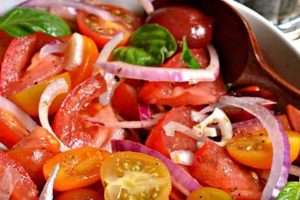
A visually appealing bacalao salad utilizes the natural colors of its components to create contrast and interest. The white flakes of cod against the deep red of tomatoes, the bright green of parsley, and the varied hues of other vegetables create a vibrant presentation. Consider the placement of ingredients to maximize visual appeal. This interplay of colors stimulates the appetite and enhances the dining experience.
- Texture and Height
Varying textures create visual and tactile interest. The flaky cod contrasts with the smooth potatoes, the crisp celery, and the plump olives. Creating height by mounding the salad or layering ingredients adds dimension. This attention to texture prevents a monotonous appearance and offers a more engaging sensory experience.
- Plating and Garnishing
Choosing appropriate servingware enhances the presentation. A rustic platter or individual plates complement the salad’s character. Simple garnishes, such as a sprig of parsley, a drizzle of olive oil, or a scattering of capers, add a finishing touch without overwhelming the dish. These elements demonstrate attention to detail and enhance the overall visual appeal.
- Context and Occasion
Presentation should also consider the context. A casual family meal may call for a simpler presentation, while a more formal setting might warrant a more elaborate arrangement. Consider the occasion and adjust the presentation accordingly to create the desired atmosphere. This adaptability ensures the presentation aligns with the dining experience’s overall tone.
Thoughtful presentation completes the bacalao salad experience, demonstrating care and respect for the ingredients and culinary tradition. By considering color, texture, plating, and context, the dish becomes more than just a meal; it transforms into a visual and gastronomic delight that enhances enjoyment and appreciation for this classic Italian preparation.
Frequently Asked Questions
This section addresses common inquiries regarding Italian bacalao salad, providing clear and concise information to ensure successful preparation and enjoyment of this dish. Understanding these aspects contributes to a more informed and rewarding culinary experience.
Question 1: What type of cod is traditionally used in Italian bacalao salad?
Authentic recipes typically call for dried and salted cod, often labeled as baccal in Italian markets. This preservation method concentrates the fish’s flavor and requires a desalination process before preparation.
Question 2: How long should the dried cod be soaked?
Soaking duration depends on the cod’s thickness, generally ranging from 24 to 48 hours. Changing the water every 4-6 hours is essential for effective desalination. Insufficient soaking results in an excessively salty salad.
Question 3: Can fresh cod be substituted for dried cod?
While fresh cod can be used, it won’t replicate the distinct flavor and texture derived from the traditional drying and salting process. Fresh cod requires a different cooking approach and seasoning adjustment.
Question 4: What are the essential vegetables for an authentic Italian bacalao salad?
While variations exist regionally, common components include tomatoes, celery, onions, olives, and parsley. Other regional additions, such as bell peppers, artichoke hearts, or potatoes, offer diverse flavor profiles.
Question 5: What type of dressing is typically used?
A simple vinaigrette, often composed of extra virgin olive oil, red wine vinegar, and seasonings, is the traditional choice. The vinaigrette balances the saltiness of the cod and complements the other ingredients.
Question 6: Can bacalao salad be prepared in advance?
While the salad can be assembled a few hours in advance, allowing flavors to meld, prolonged refrigeration may affect the texture of certain vegetables. Adding the vinaigrette just before serving preserves the crispness of fresh ingredients.
Understanding these key aspects of Italian bacalao salad preparation ensures a more authentic and enjoyable culinary experience. The information provided clarifies common points of confusion and empowers informed decision-making throughout the cooking process.
Further exploration of regional variations and specific recipe adaptations can provide a deeper understanding of this dishs versatility within Italian culinary traditions.
Italian Bacalao Salad
Examination of the Italian bacalao salad recipe reveals a dish deeply rooted in tradition and regional diversity. From the careful selection of high-quality dried cod to the nuanced techniques of desalination and the balanced interplay of fresh vegetables and vibrant vinaigrettes, each step contributes to the final product’s distinctive character. Regional variations, incorporating local ingredients and culinary practices, further enrich the bacalao salad experience, demonstrating the dish’s adaptability and enduring appeal across Italy’s diverse culinary landscape. Understanding the essential elements of preparation, including proper desalination, ingredient selection, and balanced vinaigrette creation, allows for a more informed approach to recreating this classic dish.
The enduring popularity of Italian bacalao salad speaks to its ability to transform simple, preserved ingredients into a complex and satisfying culinary experience. Continued exploration of regional variations offers opportunities to discover new flavor combinations and appreciate the deep connection between Italian cuisine and its regional heritage. This exploration encourages culinary experimentation and a deeper appreciation for the artistry and resourcefulness inherent in traditional Italian cooking.