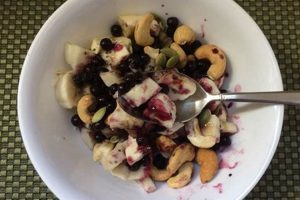
A plant-based salad featuring kale as the primary ingredient typically incorporates a variety of other vegetables, fruits, nuts, seeds, and a flavorful dressing. Examples might include combinations such as lacinato kale with roasted sweet potatoes, chickpeas, and a tahini dressing, or massaged kale with cranberries, toasted pecans, and a maple-mustard vinaigrette. The absence of animal products, including meat, poultry, fish, dairy, and eggs, defines the dish’s vegan characteristic.
Plant-forward dishes like these offer numerous nutritional advantages, often being rich in vitamins, minerals, and antioxidants. Kale itself is a nutritional powerhouse, providing vitamins A, K, and C, as well as fiber and calcium. Choosing plant-based meals can contribute to a healthier lifestyle, supporting sustainable agriculture and potentially reducing the risk of certain chronic diseases. The increasing popularity of such dishes reflects a growing awareness of health and environmental concerns.
The following sections will explore variations on this theme, offering guidance on ingredient selection, preparation techniques, and dressing options to create delicious and satisfying meals.
Tips for Creating Delicious Vegan Kale Salads
Crafting a satisfying and flavorful vegan kale salad involves careful consideration of ingredients and techniques. The following tips offer guidance for achieving optimal results.
Tip 1: Massage the Kale: Massaging kale leaves with a small amount of oil and/or lemon juice helps to break down the tough fibers, resulting in a more tender and palatable texture. This step also enhances the absorption of flavors from the dressing.
Tip 2: Choose Complementary Ingredients: Consider a balance of flavors and textures. Pair the slightly bitter kale with sweet elements like dried fruit or roasted vegetables, crunchy components like nuts or seeds, and savory additions such as chickpeas or tofu.
Tip 3: Explore Flavorful Dressings: A well-balanced dressing is crucial. Experiment with different flavor profiles, such as tahini-based dressings, citrus vinaigrettes, or creamy cashew-based sauces. Acidity helps to brighten the flavors of the salad.
Tip 4: Don’t Overcrowd the Bowl: Avoid adding too many ingredients, which can make the salad heavy and difficult to toss. Focus on a few key components that complement each other well.
Tip 5: Prepare Ingredients Properly: Properly wash and dry all ingredients. Chop vegetables into bite-sized pieces for easier eating. Toast nuts and seeds to enhance their flavor and crunch.
Tip 6: Consider Seasonal Produce: Utilizing seasonal fruits and vegetables ensures optimal flavor and freshness. This also allows for greater variety throughout the year.
Tip 7: Add a Source of Healthy Fats: Incorporate healthy fats through ingredients such as avocado, nuts, seeds, or a flavorful oil in the dressing. This adds richness and satiety to the salad.
By following these tips, one can create flavorful and nutritious vegan kale salads that are both satisfying and enjoyable. Careful attention to detail, from ingredient selection to preparation methods, elevates this simple dish to a culinary masterpiece.
The information presented here provides a comprehensive guide to creating exceptional vegan kale salads. Experimentation with different combinations of ingredients and flavors will undoubtedly lead to the discovery of new favorites.
1. Kale Preparation
Proper kale preparation is fundamental to a successful vegan kale salad. It significantly impacts the final dish’s texture, flavor, and overall enjoyment. The following facets highlight essential considerations.
- Washing and Drying:
Thorough washing removes soil and debris, crucial for food safety and optimal taste. Proper drying, ideally with a salad spinner, prevents a soggy salad and ensures the dressing adheres evenly.
- Stem Removal and Chopping:
Thick stems can be tough and fibrous. Removing them and chopping the leaves into bite-sized pieces creates a more pleasant eating experience and allows for even distribution of dressing and other ingredients.
- Massaging:
Massaging kale with a small amount of oil and/or acid, such as lemon juice, tenderizes the leaves, reducing their bitterness and making them more palatable. This process also helps the leaves absorb the dressing’s flavors more effectively.
- Chilling (Optional):
While not strictly necessary, briefly chilling the prepared kale can further enhance its texture, making it crisper. This step is particularly beneficial when preparing the salad in advance.
These preparatory steps ensure the kale is optimally suited for a vegan salad, contributing to a more enjoyable and flavorful culinary experience. Attention to detail in these stages lays the foundation for a successful and satisfying dish.
2. Flavorful Dressing

Flavorful dressing is integral to a successful vegan kale salad recipe. Kale, while nutritionally dense, possesses a robust, sometimes bitter, flavor profile. A well-crafted dressing not only complements but also balances these inherent characteristics. The dressing’s role extends beyond mere flavor enhancement; it contributes significantly to the overall sensory experience, influencing texture and mouthfeel. For example, a creamy cashew-based dressing mitigates kale’s sometimes coarse texture, while a bright vinaigrette adds a refreshing counterpoint to its earthy notes. Understanding this interplay allows for strategic dressing selection to achieve desired outcomes.
The interplay of acidity, sweetness, saltiness, and fat within the dressing determines its effectiveness. Acidity, often from vinegar or citrus juice, brightens the kale’s flavor and helps tenderize the leaves. Sweetness, derived from maple syrup, dates, or fruit, balances any bitterness and adds complexity. Salt enhances other flavors, while healthy fats from oils, nuts, or avocados contribute to a satisfying mouthfeel and aid in nutrient absorption. A tahini-based dressing, for instance, offers a nutty richness and creamy texture that contrasts beautifully with kale’s slight bitterness, while a lemon-tahini combination provides a vibrant, tangy counterpoint. Careful balancing of these elements is crucial for a dressing that harmonizes with and elevates the kale’s inherent qualities.
The dressing acts as a unifying element, binding the various components of the salad together. It infuses the kale and other ingredients with flavor, creating a cohesive and enjoyable culinary experience. Challenges may arise in achieving the desired balance, with overly acidic dressings overpowering the other flavors or insufficiently flavorful dressings failing to complement the kale. Careful consideration of ingredient ratios and flavor profiles ensures a harmonious blend. This understanding of the dressing’s crucial role facilitates the creation of vegan kale salads that are not only nutritious but also genuinely satisfying and flavorful.
3. Complementary Ingredients

Complementary ingredients are essential for elevating a vegan kale salad from simple to extraordinary. They provide textural contrast, introduce a broader spectrum of flavors, and enhance the nutritional profile. Strategic selection of these supporting components ensures a balanced and satisfying culinary experience.
- Fruits and Vegetables:
Adding fruits and vegetables introduces sweetness, acidity, and varied textures. Dried cranberries offer a chewy sweetness and tartness, while roasted sweet potatoes provide a caramelized sweetness and creamy texture. Sliced apples contribute crispness and a refreshing juiciness, while chopped bell peppers introduce a crunchy, slightly sweet element. These additions not only diversify the flavor profile but also boost the salad’s vitamin and antioxidant content.
- Nuts and Seeds:
Nuts and seeds contribute healthy fats, protein, and satisfying crunch. Toasted pecans offer a rich, buttery flavor and satisfying texture, while sunflower seeds provide a nutty flavor and subtle crunch. Slivered almonds introduce a delicate crunch and mild flavor, while pumpkin seeds offer a unique, slightly sweet taste and firm texture. These additions enhance the salad’s nutritional value and create a more substantial meal.
- Legumes and Grains:
Legumes and grains introduce plant-based protein and fiber, contributing to satiety and nutritional density. Chickpeas provide a nutty flavor and satisfying chewiness, while quinoa offers a light, fluffy texture and subtle nutty flavor. Black beans contribute a rich, earthy flavor and creamy texture, while cooked lentils introduce a mild, earthy flavor and satisfying bite. These additions transform the salad into a more complete and fulfilling meal.
- Other Plant-Based Protein Sources:
Beyond legumes, other plant-based proteins further enhance the nutritional profile and offer diverse textures. Tofu, when marinated and pan-fried or baked, provides a savory, substantial element. Tempeh, with its fermented flavor and firm texture, adds a unique dimension. These additions contribute to a more substantial and satisfying salad.
The considered incorporation of complementary ingredients transforms a vegan kale salad into a nutritionally balanced and texturally dynamic culinary creation. The interplay of flavors and textures, strategically orchestrated through these additions, elevates the dish from a simple side to a satisfying main course.
4. Nutritional Balance

Nutritional balance is a crucial consideration within a vegan kale salad recipe. Achieving this balance ensures the salad provides a wide range of essential nutrients, contributing to overall health and well-being. A well-balanced vegan kale salad offers a substantial source of vitamins, minerals, fiber, healthy fats, and plant-based protein. Understanding how different ingredient combinations contribute to this balance allows for the creation of meals that are both nutritious and satisfying.
- Micronutrients from Kale and Vegetables:
Kale itself is rich in vitamins A, K, and C, as well as folate and manganese. Incorporating other vegetables, such as bell peppers, carrots, and red onion, further diversifies the micronutrient profile. These additions provide a broader range of vitamins and minerals crucial for various bodily functions, including immune support, bone health, and cellular function. For instance, red bell peppers are an excellent source of vitamin C, while carrots provide vitamin A and potassium.
- Macronutrient Balance with Plant-Based Protein and Healthy Fats:
Adding plant-based protein sources, such as chickpeas, lentils, or tofu, ensures the salad provides adequate protein for tissue repair and maintenance. Healthy fats from avocados, nuts, and seeds contribute essential fatty acids necessary for brain health and hormone production. These additions enhance satiety and contribute to a more balanced macronutrient profile. For example, chickpeas offer a significant source of protein and fiber, while avocado provides healthy monounsaturated fats.
- Fiber Content for Digestive Health:
Kale and other vegetables, along with legumes and grains like quinoa, contribute significant dietary fiber. Fiber promotes healthy digestion, regulates blood sugar levels, and supports gut health. Adequate fiber intake is crucial for overall well-being, contributing to feelings of fullness and preventing digestive issues. Kale, for example, is a good source of both soluble and insoluble fiber.
- Minimizing Processed Ingredients and Added Sugars:
Focusing on whole, unprocessed ingredients in a vegan kale salad maximizes nutrient density and minimizes potentially harmful additives. Limiting added sugars, often found in processed dressings, helps maintain balanced blood sugar levels and reduces the risk of chronic diseases. Opting for homemade dressings with natural sweeteners like maple syrup or dates allows for greater control over sugar content and overall ingredient quality.
By thoughtfully combining ingredients, a vegan kale salad becomes more than just a sum of its parts; it becomes a nutritionally complete and satisfying meal that supports overall health and well-being. This attention to nutritional balance ensures the salad provides a wide range of essential nutrients, contributing to a healthy and balanced diet.
5. Creative Variations
Creative variations within a vegan kale salad recipe demonstrate the dish’s versatility and adaptability. Expanding beyond basic preparations unlocks a broader range of flavors, textures, and nutritional profiles, ensuring ongoing enjoyment and preventing palate fatigue. Exploration of these variations highlights the potential of this simple salad to become a culinary canvas for diverse ingredients and innovative combinations.
- Seasonal Adaptations
Seasonal produce offers opportunities to create dynamic and flavorful variations. Spring salads might feature fresh strawberries and asparagus, while summer variations incorporate juicy peaches and ripe tomatoes. Autumn salads benefit from the addition of roasted butternut squash and crisp apples, while winter salads showcase hearty root vegetables like roasted beets and parsnips. Adapting to seasonal ingredients ensures optimal flavor and nutritional value while celebrating the diversity of produce available throughout the year.
- Global Influences
Drawing inspiration from global cuisines introduces exciting flavor profiles. An Asian-inspired variation might incorporate shredded carrots, edamame, and a ginger-miso dressing. A Mediterranean-inspired version could feature Kalamata olives, sun-dried tomatoes, and a lemon-herb vinaigrette. Exploring these global influences expands culinary horizons and introduces novel flavor combinations to the traditional kale salad format.
- Texture Play
Varying textures adds complexity and interest to the salad. Roasted chickpeas provide a satisfying crunch, while toasted nuts and seeds offer contrasting textures and healthy fats. Adding creamy avocado or crumbled vegan cheese introduces a smooth, rich element, while incorporating crispy vegetables like shredded carrots or sliced radishes contributes a refreshing bite. This interplay of textures elevates the sensory experience and makes the salad more engaging.
- Dressing Experimentation
Exploring different dressings significantly impacts the overall flavor profile. A creamy cashew-based dressing adds richness and a smooth texture, while a tangy tahini-lemon dressing provides a vibrant counterpoint to the kale’s earthiness. A maple-mustard vinaigrette offers a sweet and savory combination, while a spicy peanut dressing introduces a bold and flavorful dimension. Experimenting with various dressings allows for customization and ensures ongoing enjoyment of this versatile salad.
These creative variations demonstrate the adaptability of the vegan kale salad, transforming it from a simple dish into a culinary platform for exploration and innovation. By embracing seasonal ingredients, global influences, textural contrasts, and diverse dressings, the vegan kale salad remains a dynamic and continually evolving culinary creation.
6. Presentation and Serving

Presentation and serving are integral aspects of a vegan kale salad recipe, impacting overall enjoyment and perceived value. Thoughtful presentation elevates the dining experience, transforming a simple salad into a visually appealing and appetizing meal. Effective serving techniques further enhance enjoyment and ensure optimal preservation of flavor and texture. These combined elements contribute significantly to the perceived quality and satisfaction derived from the dish.
- Visual Appeal
Visual appeal enhances the sensory experience of consuming a vegan kale salad. Strategic arrangement of ingredients contributes to an aesthetically pleasing presentation. For example, arranging components by color creates visual interest, while layering ingredients adds depth and texture. Garnishing with fresh herbs or a sprinkle of seeds provides a finishing touch that elevates the perceived quality. A visually appealing salad is more enticing and contributes to a more positive dining experience.
- Serving Temperature
Serving temperature significantly influences flavor perception and textural enjoyment. A chilled kale salad offers a refreshing crispness, particularly beneficial in warmer weather. Room temperature serving allows the full complexity of flavors to emerge, particularly in salads featuring roasted vegetables or grains. Consideration of serving temperature optimizes the sensory experience and ensures the ingredients’ flavors are showcased effectively.
- Portioning and Utensils
Appropriate portioning ensures manageable servings and prevents overconsumption. Providing suitable utensils, such as tongs or serving spoons, facilitates easy serving and minimizes mess. Thoughtful portioning and appropriate utensils contribute to a more comfortable and enjoyable dining experience. For individual servings, consider smaller bowls or plates to maintain an appealing presentation.
- Storage and Freshness
Proper storage maintains the salad’s freshness and prevents premature wilting or spoilage. Storing dressed and undressed components separately helps preserve the kale’s texture and prevents the salad from becoming soggy. Airtight containers maintain freshness and prevent absorption of odors from other refrigerated items. Proper storage techniques ensure the salad remains enjoyable and flavorful for longer periods, minimizing food waste and maximizing value.
Consideration of presentation and serving elevates the vegan kale salad from a simple dish to a carefully curated culinary experience. Attention to visual detail, temperature, portioning, and storage enhances enjoyment and maximizes the potential of this versatile and nutritious meal. These elements, often overlooked, contribute significantly to the overall satisfaction derived from consuming a vegan kale salad.
Frequently Asked Questions
This section addresses common inquiries regarding vegan kale salads, providing concise and informative responses to clarify potential uncertainties and enhance understanding of this versatile dish.
Question 1: How can kale’s sometimes tough texture be mitigated in a salad?
Massaging the kale leaves with a small amount of oil and/or lemon juice helps break down tough fibers, resulting in a more tender texture. This process also allows the leaves to better absorb the dressing’s flavors.
Question 2: What are suitable plant-based protein sources for a more substantial salad?
Options include legumes like chickpeas and lentils, as well as prepared tofu or tempeh. These additions contribute protein and texture, creating a more satisfying meal.
Question 3: Can vegan kale salads be made ahead of time?
While the kale itself can be prepared in advance, it’s generally recommended to add the dressing and other delicate ingredients just before serving to prevent the salad from becoming soggy. Storing components separately allows for convenient assembly closer to mealtime.
Question 4: How can one prevent a vegan kale salad from becoming overly bitter?
Massaging the kale and incorporating sweeter elements such as dried fruit or roasted vegetables helps balance any bitterness. Selecting younger, less mature kale leaves can also minimize bitterness.
Question 5: What are some effective strategies for creating flavorful dressings without relying on processed ingredients?
Homemade dressings using ingredients like tahini, nutritional yeast, lemon juice, maple syrup, and various herbs and spices offer flavorful and healthful alternatives to processed options. These allow for greater control over ingredients and flavor profiles.
Question 6: How can nutritional value be maximized in a vegan kale salad?
Incorporating a variety of colorful vegetables, plant-based protein sources, and healthy fats from nuts, seeds, or avocado enhances the nutritional profile. Focusing on whole, unprocessed ingredients maximizes nutrient density and minimizes potentially harmful additives.
Understanding these key aspects of preparation and ingredient selection facilitates the creation of delicious and nutritious vegan kale salads tailored to individual preferences and dietary needs. Experimentation with different flavor combinations and textures further enhances the enjoyment of this versatile dish.
Exploring specific recipe variations provides further inspiration and guidance for creating personalized and satisfying vegan kale salads.
Conclusion
Exploration of the elements within a vegan kale salad recipe reveals a dish offering significant nutritional value and culinary versatility. Careful preparation of kale, including massaging and chopping, optimizes texture and flavor absorption. Strategic selection of complementary ingredients, such as fruits, vegetables, nuts, seeds, legumes, and plant-based proteins, enhances both nutritional content and sensory appeal. Development of a balanced and flavorful dressing is essential to unifying diverse ingredients and creating a harmonious taste profile. Attention to nutritional balance ensures a wide range of vitamins, minerals, fiber, and healthy fats contribute to overall well-being. Creative variations, incorporating seasonal produce, global influences, and diverse textures and dressings, elevate this simple salad to a culinary canvas for exploration and innovation. Thoughtful presentation and proper storage techniques further enhance the dining experience and preserve freshness.
The vegan kale salad transcends its categorization as a mere side dish; it represents a versatile and adaptable culinary creation capable of fulfilling diverse dietary needs and preferences. Continued exploration of flavor profiles, textures, and ingredient combinations promises further innovation within this culinary landscape, solidifying the vegan kale salad’s position as a staple in healthful and flavorful cuisine.