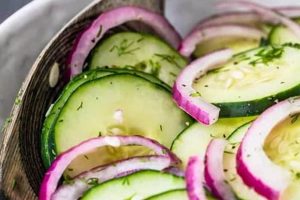
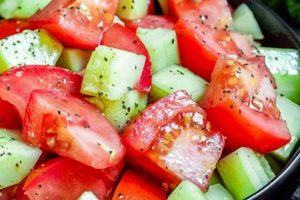
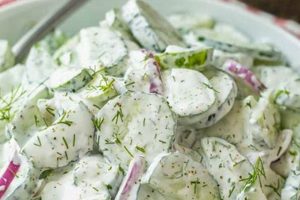
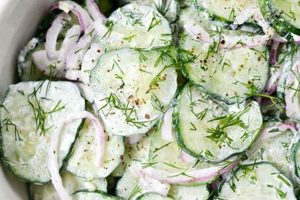
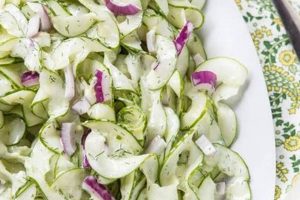
Combinations of tomato, cucumber, and onion create refreshing salads ideal for warm weather. These salads typically feature thinly sliced or chopped ingredients, often dressed with a light vinaigrette. Variations exist with additions like herbs, feta cheese, or other vegetables, leading to diverse flavor profiles and textures.
Such salads offer nutritional value with vitamins, minerals, and antioxidants from the core ingredients. The simple preparation makes them an accessible and convenient dish for various occasions, from everyday meals to larger gatherings. Historically, similar combinations have appeared across different cultures, demonstrating the enduring appeal of these fresh, flavorful ingredients.
This article will explore various approaches to crafting these salads, considering different dressings, additional ingredients, and serving suggestions. Nutritional information and potential health benefits will also be discussed.
Tips for Crafting Exceptional Tomato, Cucumber, and Onion Salads
Optimal preparation techniques enhance the flavor and texture of these salads. Attention to detail, from ingredient selection to final presentation, elevates the dish.
Tip 1: Ingredient Selection: Opt for ripe, flavorful tomatoes, firm cucumbers, and crisp onions. Consider using different onion varieties, such as red onion for a milder flavor or Vidalia for sweetness.
Tip 2: Knife Skills: Uniformly thin slices ensure even flavor distribution and a pleasant texture. Diced ingredients offer a different textural experience.
Tip 3: Salting Cucumbers: Salting cucumbers before adding them to the salad draws out excess moisture, preventing a watery final product. Pat the cucumbers dry after salting.
Tip 4: Dressing Choices: A simple vinaigrette of olive oil, vinegar, salt, and pepper complements the vegetables’ natural flavors. Experiment with different vinegars, such as red wine vinegar, apple cider vinegar, or balsamic vinegar.
Tip 5: Herb and Spice Enhancements: Fresh herbs, such as dill, mint, or parsley, add depth and complexity. A pinch of dried oregano or a sprinkle of black pepper can further enhance the flavor profile.
Tip 6: Marinating Time: Allowing the salad to marinate for a short period, typically 15-30 minutes, allows the flavors to meld. Avoid over-marinating, which can make the vegetables soggy.
Tip 7: Serving Suggestions: Serve the salad chilled as a light side dish or as part of a larger meal. Consider garnishing with crumbled feta cheese, Kalamata olives, or toasted nuts for added texture and flavor.
By following these tips, one can create a vibrant and flavorful salad that showcases the freshness of the ingredients. The combination of textures and flavors offers a refreshing culinary experience.
In conclusion, these guidelines offer a pathway to creating a simple yet satisfying dish, adaptable to various tastes and occasions.
1. Fresh, High-Quality Ingredients

The success of a tomato, cucumber, and onion salad hinges directly on the quality of its ingredients. Freshness significantly impacts flavor, texture, and overall appeal. A tomato bursting with ripe juiciness, a crisp cucumber offering a satisfying crunch, and a pungent onion providing a subtle bite elevate the salad from simple to exceptional. Conversely, out-of-season tomatoes lacking sweetness, limp cucumbers, or strong, sulfurous onions can detract significantly from the experience.
Consider the difference between a salad made with a freshly picked, vine-ripened tomato versus one made with a pale, grocery-store tomato. The former contributes a burst of sweetness and vibrant acidity, while the latter may offer little more than watery blandness. Similarly, a firm, freshly harvested cucumber provides a refreshing crunch and clean flavor, contrasting sharply with a soft, aged cucumbers unpleasant texture and bitterness. Selecting sweet onions like Vidalia or milder red onions over harsh, pungent varieties prevents the onion from overpowering the delicate flavors of the tomato and cucumber.
Prioritizing ingredient quality offers significant practical advantages. The natural flavors of fresh, ripe produce require less reliance on added seasonings or dressings, resulting in a lighter, healthier dish. Furthermore, using high-quality ingredients often translates to a more visually appealing salad, with vibrant colors and textures enhancing the presentation. Investing in the best ingredients ultimately results in a more satisfying and enjoyable culinary experience, highlighting the inherent flavors of these simple, yet essential, components.
2. Precise Cutting Techniques
Precise cutting techniques significantly influence the final quality of tomato, cucumber, and onion salads. Uniformity in size and shape ensures even marinating and consistent flavor distribution throughout the salad. Thinly sliced vegetables offer a delicate texture and readily absorb the dressing, while thicker cuts provide more crunch and substance. Dicing, on the other hand, creates a different textural experience and can be particularly effective when incorporating the salad into other dishes. Consider the contrast between a salad composed of unevenly chopped vegetables, where some pieces are over-marinated and others remain undressed, versus one with uniformly sliced components that marinate evenly, resulting in a balanced and harmonious flavor profile. The difference underscores the importance of precise knife work in achieving a desirable outcome.
Practical examples further illustrate the connection between cutting techniques and the overall salad experience. Thinly sliced red onions offer a milder flavor and visually appealing translucence, whereas thickly sliced onions can impart an overpowering pungency. Uniformly diced cucumbers provide a pleasant textural contrast to sliced tomatoes, creating a more complex and interesting mouthfeel. Furthermore, the choice of cutting technique influences the salad’s visual appeal. A neatly arranged salad with uniformly sliced vegetables presents a more refined and appetizing appearance compared to one with haphazardly chopped ingredients. This attention to detail enhances the dining experience, elevating the salad from a simple side dish to a visually appealing culinary creation.
Mastery of basic knife skills, such as the proper grip and use of a sharp knife, facilitates precise cutting and contributes to both the aesthetic and culinary success of the salad. Consistent cuts ensure predictable marinating times and balanced flavor distribution. Attention to detail in this foundational step allows for greater control over the final product, resulting in a salad that not only tastes delicious but also presents beautifully. Ultimately, the application of precise cutting techniques demonstrates a commitment to quality and enhances the overall enjoyment of the dish.
3. Balanced Flavor Profiles

Balanced flavor profiles are essential for successful tomato, cucumber, and onion salads. These salads thrive on the interplay of sweetness, acidity, and savory notes. The inherent sweetness of ripe tomatoes, the refreshing coolness of cucumbers, and the pungent bite of onions create a complex flavor foundation. However, achieving true harmony requires careful consideration of how these individual flavors interact and how they can be enhanced through the addition of other ingredients and dressings. An overly sweet salad can be cloying, while an excessively acidic dressing can overpower the delicate flavors of the vegetables. A well-balanced salad features a nuanced interplay of these elements, creating a refreshing and satisfying culinary experience. For instance, a simple vinaigrette with a touch of sweetness from honey or maple syrup can complement the natural acidity of the tomatoes, while a sprinkle of salt enhances the overall savory notes and brings the flavors into focus.
Real-life examples illustrate the practical significance of this balance. Consider a salad with overly acidic dressing; the sharpness can overwhelm the palate, masking the subtle sweetness of the tomatoes and the refreshing crispness of the cucumbers. Conversely, a salad lacking acidity can taste flat and uninspiring, failing to highlight the inherent flavors of the individual components. The addition of fresh herbs, such as dill or mint, can introduce another layer of complexity, adding a fresh, herbaceous note that complements the other flavors. Similarly, a sprinkle of feta cheese can contribute a salty, tangy element that enhances the overall balance. Understanding the interplay of these flavors allows one to create a salad that is not only delicious but also showcases the individual characteristics of each ingredient.
Achieving a balanced flavor profile requires an understanding of the inherent qualities of each ingredient and how they interact with one another. Careful selection of ingredients, precise cutting techniques, and appropriate dressing choices are key to success. The goal is to create a symphony of flavors, where each element contributes to the overall harmony without overpowering the others. Mastering this balance elevates the simple tomato, cucumber, and onion salad from a basic side dish to a sophisticated and refreshing culinary creation. This attention to detail demonstrates a commitment to culinary excellence and results in a dish that is both satisfying and memorable.
4. Appropriate Dressing Selection
Appropriate dressing selection significantly impacts the overall success of tomato, cucumber, and onion salads. The dressing should complement, not overpower, the fresh flavors of the vegetables. Careful consideration of acidity, sweetness, and oil choices allows for creating a balanced and harmonious flavor profile. An unsuitable dressing can mask the delicate nuances of the ingredients, while a well-chosen one enhances their inherent qualities, creating a truly exceptional salad.
- Acidity Level
The acidity of the dressing plays a crucial role in balancing the sweetness of the tomatoes and the mildness of the cucumbers. Vinegars, such as red wine vinegar, apple cider vinegar, or white wine vinegar, provide the necessary acidity. Lemon or lime juice offer a brighter, citrusy alternative. The concentration of acid should be carefully adjusted to avoid overwhelming the delicate flavors of the vegetables. A dressing that is too acidic can make the salad taste sharp and unpleasant, whereas a dressing that lacks acidity can result in a bland and uninspiring dish. A balanced acidity level brightens the flavors of the vegetables without overpowering them.
- Sweetness and Savory Balance
A touch of sweetness in the dressing can further enhance the flavor profile. A small amount of honey, maple syrup, or a pinch of sugar can complement the natural sweetness of the tomatoes and balance the acidity of the vinegar. Incorporating savory elements, such as Dijon mustard or a dash of Worcestershire sauce, adds depth and complexity. The interplay of sweet and savory notes creates a more nuanced and well-rounded flavor profile. For example, a vinaigrette with a touch of honey and Dijon mustard offers a balanced combination of sweet, tangy, and savory flavors that enhances the overall taste of the salad.
- Oil Selection
The type of oil used in the dressing influences both the flavor and texture of the salad. Extra virgin olive oil provides a robust, fruity flavor that complements the vegetables. Other options, such as avocado oil or grapeseed oil, offer a more neutral flavor profile, allowing the flavors of the vegetables to shine through. The quality of the oil also plays a significant role; high-quality oils contribute to a more refined and flavorful dressing. Using a low-quality oil can introduce undesirable flavors that detract from the overall taste of the salad. Selecting the right oil enhances the texture and complements the overall flavor composition.
- Herb and Spice Integration
Fresh or dried herbs and spices can further elevate the dressing. Fresh dill, mint, parsley, or chives add a bright, herbaceous note, while dried oregano, basil, or a pinch of red pepper flakes contribute warmth and complexity. The choice of herbs and spices should complement the other flavors in the salad and enhance the overall balance. For example, fresh dill pairs well with cucumbers, while mint complements tomatoes. The careful integration of herbs and spices adds depth and dimension to the dressing, creating a more sophisticated and flavorful salad.
By understanding the interplay of these elements acidity, sweetness, oil selection, and herb integration one can create a dressing that perfectly complements the tomato, cucumber, and onion salad. The right dressing enhances the natural flavors of the vegetables, creating a harmonious and refreshing culinary experience. The careful consideration of these factors demonstrates a commitment to culinary excellence and results in a salad that is both flavorful and satisfying.
5. Optimal Marinating Duration

Optimal marinating duration significantly influences the final texture and flavor profile of tomato, cucumber, and onion salads. Marinating allows the dressing to permeate the vegetables, softening their texture and melding the flavors. However, excessive marinating can lead to an undesirable sogginess, particularly in cucumbers and tomatoes, diminishing their crispness and refreshing qualities. Insufficient marinating, conversely, results in a salad where the dressing and vegetables remain separate, lacking flavor cohesion. The ideal marinating time balances flavor infusion and textural integrity. This balance depends on several factors, including the specific ingredients, cutting techniques, and the acidity of the dressing. A salad with thinly sliced vegetables and a highly acidic dressing, for example, will require a shorter marinating time compared to one with thicker cuts and a milder dressing. Understanding this dynamic relationship between marinating time and desired outcome is crucial for creating a successful salad.
Practical examples illustrate the importance of optimal marinating duration. Consider a salad marinated for an excessive period, perhaps several hours. The cucumbers become watery and lose their crunch, the tomatoes soften to the point of disintegration, and the onions develop an overpowering pungency. The overall texture becomes unpleasantly mushy, and the individual flavors lose their distinct character. In contrast, a salad with minimal marinating time may lack flavor cohesion. The vegetables retain their crispness, but the dressing sits on the surface, failing to penetrate and meld with their natural flavors. The result is a salad that tastes disjointed and lacks depth. A properly marinated salad, however, achieves the ideal balance. The vegetables absorb the dressing, softening slightly while retaining their textural integrity. The flavors meld harmoniously, creating a unified and refreshing taste experience.
Achieving optimal marinating duration requires careful consideration and, often, experimentation. A general guideline for a standard tomato, cucumber, and onion salad is 15-30 minutes. However, this timeframe can be adjusted based on specific recipe variations and personal preferences. Salads with more delicate ingredients or highly acidic dressings may benefit from shorter marinating times, while those with heartier vegetables or milder dressings might require longer periods. Observing the vegetables’ texture and tasting the salad periodically during marination allows for precise control over the final outcome. Mastering this aspect of salad preparation contributes significantly to a well-balanced and enjoyable culinary experience.
6. Creative Ingredient Combinations
Creative ingredient combinations elevate basic tomato, cucumber, and onion salads from simple to extraordinary. While the foundational trio offers a refreshing base, incorporating additional components expands the flavor profile, texture, and nutritional value. Strategic additions create salads tailored to specific dietary needs, cultural preferences, or seasonal availability. Understanding complementary flavor pairings and textural contrasts allows for endless variations, transforming a familiar dish into a culinary exploration.
- Fruits and Vegetables
Adding fruits like watermelon, grapes, or berries introduces sweetness and juiciness, contrasting with the savory elements. Avocado provides creaminess and healthy fats, while bell peppers contribute vibrant color and a subtle sweetness. Incorporating ingredients like corn or chickpeas offers textural variation and enhances the nutritional profile. For example, a combination of watermelon, feta, and mint creates a refreshing summer salad, while the addition of roasted chickpeas provides a satisfying crunch and plant-based protein.
- Cheeses and Proteins
Various cheeses complement tomato, cucumber, and onion salads. Feta offers a salty, tangy counterpoint, while goat cheese provides a creamy, earthy flavor. Adding grilled chicken, shrimp, or tofu transforms the salad into a more substantial meal. These additions enhance the protein content and offer diverse flavor profiles. For instance, grilled halloumi cheese provides a salty, savory element and a satisfying texture, while the addition of flaked salmon introduces omega-3 fatty acids and a rich flavor dimension.
- Herbs, Spices, and Nuts
Fresh herbs, such as dill, mint, parsley, or cilantro, contribute bright, herbaceous notes. Spices like sumac, za’atar, or chili flakes introduce complexity and depth. Toasted nuts, such as almonds, walnuts, or pine nuts, provide a satisfying crunch and healthy fats. These additions elevate the flavor profile and offer textural contrast. A combination of fresh dill, toasted pine nuts, and lemon zest, for example, creates a Mediterranean-inspired salad, while a sprinkle of chili flakes adds a touch of heat.
- Grains and Seeds
Incorporating cooked grains, such as quinoa, couscous, or farro, adds substance and nutritional value. Seeds like sunflower, pumpkin, or sesame seeds provide healthy fats, fiber, and textural variety. These additions make the salad more filling and offer a broader range of nutrients. For example, adding cooked quinoa enhances the protein content and provides a nutty flavor, while a sprinkle of toasted sesame seeds adds a delicate crunch and a subtle nutty aroma.
The thoughtful integration of these diverse ingredients elevates the tomato, cucumber, and onion salad from a simple side dish to a versatile and exciting culinary creation. By understanding the interplay of flavors, textures, and nutritional values, one can create salads tailored to specific dietary preferences and culinary objectives. These creative combinations demonstrate the adaptability of this classic dish and its potential to become a truly remarkable culinary experience.
7. Attractive Presentation
Attractive presentation elevates tomato, cucumber, and onion salads from merely palatable to visually appealing, enhancing the overall dining experience. Visual appeal stimulates appetite and contributes to perceived freshness and flavor. Thoughtful plating techniques transform simple ingredients into an aesthetically pleasing culinary creation, increasing enjoyment and perceived value.
- Color and Contrast
Vibrant colors signify freshness and enhance visual interest. The natural hues of tomatoes, cucumbers, and onions provide a base palette. Incorporating ingredients with contrasting colors, such as deep green herbs, brightly colored bell peppers, or dark purple onions, creates visual dynamism. Consider a salad with uniformly pale ingredients; it may appear bland and unappetizing. Conversely, a salad with varied hues and textures immediately engages the eye and suggests a more complex and flavorful experience. Strategic use of color elevates the perceived quality and enjoyment of the dish.
- Cutting and Arrangement
Uniformly cut vegetables contribute to a visually appealing and professional presentation. Thinly sliced or precisely diced ingredients demonstrate attention to detail and create a sense of order. Arranging the components thoughtfully, rather than simply tossing them together, further enhances visual appeal. Imagine a salad with haphazardly chopped ingredients, some large and some small, strewn across the plate. The lack of uniformity detracts from the overall presentation. Conversely, a salad with evenly sliced vegetables arranged in a deliberate pattern or layered artfully creates a more refined and appealing aesthetic.
- Garnishes and Servingware
Appropriate garnishes provide finishing touches that enhance visual appeal and introduce complementary flavors or textures. A sprinkle of fresh herbs, a scattering of toasted nuts, or a drizzle of high-quality olive oil adds visual interest and elevates the perceived quality. Selecting appropriate servingware further contributes to the presentation. A simple white bowl provides a neutral backdrop that allows the vibrant colors of the salad to stand out, while a rustic wooden bowl adds a touch of warmth and texture. Serving the salad on individual plates enhances the formality of the occasion. These seemingly minor details contribute significantly to the overall dining experience.
- Photography and Lighting
In the context of recipe sharing and online platforms, photography and lighting play a crucial role in showcasing the salad’s visual appeal. Well-lit, high-quality photographs capture the vibrancy of the colors and the textures of the ingredients. Proper styling and composition further enhance the visual narrative, enticing viewers to recreate the dish. A poorly lit or carelessly composed photograph, on the other hand, can make even the most delicious salad appear unappetizing. The effective use of photography and lighting maximizes the impact of the presentation, particularly in digital media, where visual appeal plays a critical role in capturing attention and inspiring culinary creativity.
Attractive presentation maximizes the appeal of tomato, cucumber, and onion salads. By considering color, texture, arrangement, garnishes, and servingware, one can elevate this simple dish into a visually stunning and highly enjoyable culinary experience. These details demonstrate care and attention, enhancing both the perceived and actual enjoyment of the salad. In the digital age, where food photography is ubiquitous, attractive presentation plays an increasingly important role in sharing and celebrating culinary creations.
Frequently Asked Questions
This section addresses common inquiries regarding tomato, cucumber, and onion salads, offering practical solutions and clarifying potential misconceptions.
Question 1: How can one prevent a watery salad?
Salting cucumbers before adding them to the salad draws out excess moisture. After salting, pat the cucumbers dry with a paper towel to remove residual water. This step helps maintain the salad’s crispness and prevents a diluted dressing.
Question 2: What are the best tomato varieties for this type of salad?
Ripe, flavorful tomatoes, such as heirloom varieties or vine-ripened tomatoes, contribute optimal sweetness and texture. Consider the salad’s overall flavor profile when selecting a variety; for instance, a sweeter tomato may complement a vinaigrette with less acidity.
Question 3: Can one prepare the salad in advance?
While the salad is best consumed fresh, advance preparation is possible. Prepare the vegetables and dressing separately, combining them shortly before serving. This prevents the vegetables from becoming soggy and maintains their crisp texture.
Question 4: How can one adjust the salad for different dietary restrictions?
Adapting the salad to various dietary needs is straightforward. Omitting cheese creates a vegan-friendly version. Gluten-free variations depend on ensuring the dressing ingredients do not contain gluten. Adjustments to sodium content can be made by controlling the amount of salt added to both the vegetables and the dressing.
Question 5: What are suitable alternatives for individuals who dislike onions?
Shallots or scallions offer milder alternatives to onions, contributing a subtle allium flavor without the strong pungency. Alternatively, omitting the onion entirely and increasing the quantity of herbs, such as chives or parsley, provides a fresh, flavorful alternative.
Question 6: How can one store leftover salad?
Storing leftover salad requires careful consideration. Store the salad and dressing separately in airtight containers in the refrigerator. Consume leftover salad within one to two days for optimal flavor and texture. Recognize that the vegetables will continue to soften slightly even when refrigerated.
These responses provide practical guidance for creating and enjoying delicious and versatile tomato, cucumber, and onion salads. Understanding these common concerns allows for greater control over the final product and ensures a satisfying culinary experience.
The following section offers variations on the classic recipe, exploring diverse flavor profiles and ingredient combinations.
Conclusion
This exploration of tomato, cucumber, and onion salads has highlighted the versatility and adaptability of this seemingly simple dish. From ingredient selection and precise cutting techniques to balanced flavor profiles and appropriate dressing choices, each step contributes significantly to the final outcome. Optimal marinating duration, creative ingredient combinations, and attractive presentation further elevate the salad from basic to exceptional. Addressing frequently asked questions provides practical solutions to common challenges, ensuring consistent success in preparation.
Tomato, cucumber, and onion salads offer a refreshing and adaptable culinary canvas. The potential for variation extends beyond the basic recipe, allowing for personalized creations tailored to individual preferences and dietary needs. This timeless combination of fresh ingredients continues to offer a versatile foundation for culinary exploration, demonstrating the enduring appeal of simple, yet flavorful, cuisine.