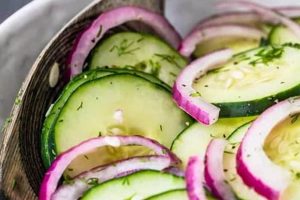
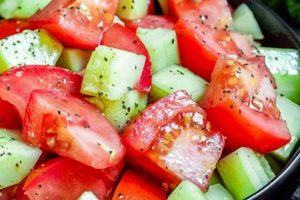
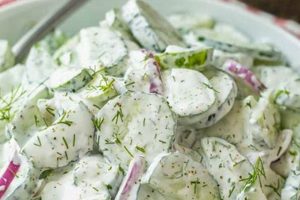
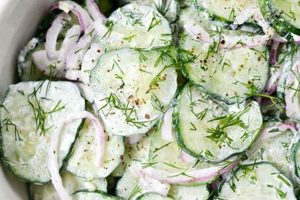
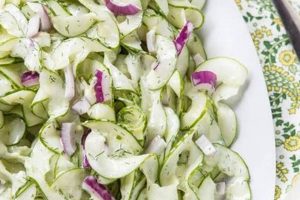
A refreshing and healthy twist on the classic, this variation incorporates cucumber for added texture and flavor. The crisp, cool cucumber complements the richness of the tuna, creating a lighter and more summery dish. Recipes can range from simple combinations of tuna, cucumber, and mayonnaise to more complex versions with added ingredients like onion, celery, herbs, and spices.
Adding cucumber offers several advantages. It provides a satisfying crunch and a burst of freshness, enhancing the overall sensory experience. Its high water content contributes to a lighter, less dense salad. Cucumber also offers nutritional benefits, being a good source of hydration and certain vitamins and minerals. While the precise historical origin of adding cucumber to tuna salad is unclear, it likely emerged as a way to enhance both flavor and texture, capitalizing on the natural synergy between these ingredients.
This exploration will delve into various aspects of preparing this variation, including different ingredient combinations, techniques for achieving optimal flavor and texture, and suggestions for serving and presentation. Nutritional information and potential health benefits will also be examined.
Tips for Enhancing Tuna Salad with Cucumber
Optimizing the combination of tuna and cucumber requires attention to detail. These tips offer guidance for creating a superior culinary experience.
Tip 1: Cucumber Preparation: English cucumbers, with their thinner skin and fewer seeds, are often preferred. Peel cucumbers partially or fully, depending on preference. Seeding is crucial to prevent excess moisture. Dice or slice cucumbers into small, uniform pieces for even distribution.
Tip 2: Tuna Selection: High-quality canned tuna packed in water or oil provides a good base. Draining excess liquid prevents a watery salad. Flake tuna into consistent pieces for optimal texture.
Tip 3: Mayonnaise Management: Mayonnaise serves as the binding agent. Start with a modest amount and adjust to achieve desired consistency. Greek yogurt can be incorporated for a healthier, tangier alternative.
Tip 4: Flavor Enhancement: Fresh herbs like dill or chives provide a bright, aromatic dimension. Finely chopped red onion adds a subtle sharpness. A touch of lemon juice or vinegar can balance the richness.
Tip 5: Seasoning: Salt and freshly ground black pepper are essential seasonings. A pinch of celery seed or paprika can add complexity.
Tip 6: Chilling and Serving: Chilling the salad for at least 30 minutes allows flavors to meld. Serve on bread, crackers, lettuce cups, or as a standalone dish.
Tip 7: Ingredient Ratios: The cucumber-to-tuna ratio can be adjusted to individual preference. Start with equal proportions and experiment to find the ideal balance.
By following these guidelines, one can elevate a simple tuna salad with the addition of crisp, refreshing cucumber. Careful attention to preparation, ingredient selection, and flavor balancing yields a superior result.
The following section will provide specific recipe variations that incorporate these tips for practical application.
1. Ingredients

The foundation of any successful tuna salad with cucumber lies in the careful selection and combination of its ingredients. Ingredient quality and proportions directly impact the final flavor, texture, and overall enjoyment of the dish. This section explores the key components and their contributions.
- Tuna:
The primary ingredient, tuna, provides the dominant savory flavor. Canned tuna, readily available in various forms (packed in water, oil, or brine), is commonly used. Quality variations exist; opting for higher-grade tuna typically yields a better flavor and texture. Draining excess liquid is essential for achieving a desirable consistency in the final salad. The choice between water-packed or oil-packed tuna influences the richness and caloric content.
- Cucumber:
Cucumber contributes a refreshing counterpoint to the richness of the tuna. Different varieties exist, each with subtle variations in flavor and texture. English cucumbers, known for their thinner skin and fewer seeds, are often preferred. The preparation method, whether peeled, seeded, diced, or sliced, affects the final texture and water content of the salad. Cucumber’s high water content necessitates careful preparation to prevent a watery final product.
- Mayonnaise:
Mayonnaise acts as the binding agent, bringing the tuna and cucumber together. It contributes a creamy texture and tangy flavor. The amount of mayonnaise used influences the overall richness and consistency of the salad. Alternatives, such as Greek yogurt or light mayonnaise, can be employed for a healthier or lower-fat version. The quality of the mayonnaise itself can also significantly impact the final flavor profile.
- Seasoning and Flavor Enhancers:
Beyond the core ingredients, seasonings and flavor enhancers play a crucial role in elevating the overall taste experience. Salt and pepper are fundamental seasonings. Fresh herbs, such as dill or chives, introduce brightness and complexity. A touch of lemon juice or vinegar can provide acidity and balance. Other additions, like chopped red onion or celery, add textural and flavor nuances. The careful balance of these elements determines the final complexity and depth of flavor.
The interplay of these ingredients defines the character of the tuna salad. The quality, preparation, and proportions of each component contribute to the ultimate success of the dish. Understanding the role and impact of each ingredient allows for informed choices and customization based on individual preferences and desired outcomes.
2. Preparation
Preparation significantly influences the final quality and enjoyment of tuna salad with cucumber. This stage encompasses several crucial steps, each with direct consequences on the overall outcome. Consider the cause-and-effect relationship between preparation techniques and the resulting characteristics of the salad.
Cucumber Handling: The manner in which the cucumber is handled dictates its contribution to the final product. Failing to adequately remove seeds can result in a watery salad, diluting the flavors and compromising the texture. Similarly, the choice between peeling the cucumber entirely, partially, or leaving the skin intact influences both the aesthetic appeal and the textural experience. For instance, leaving some skin on can provide a pleasant textural contrast, while complete peeling offers a smoother, more delicate mouthfeel. Dicing the cucumber into uniform pieces ensures even distribution throughout the salad and prevents large, unwieldy chunks.
Tuna Preparation: Draining excess liquid from canned tuna, whether packed in water or oil, is paramount. Neglecting this step leads to a watery, less flavorful salad. Flaking the tuna into appropriately sized pieces ensures a pleasant texture and prevents large, unappealing clumps. Over-flaking, however, can result in a mushy consistency.
Ingredient Incorporation: The order and method of combining ingredients affect the final product. Adding the mayonnaise gradually allows for better control over the consistency and prevents over-saturation. Gentle mixing preserves the integrity of the cucumber pieces and prevents them from breaking down. Overmixing can lead to a less appealing, homogenous texture.
Chilling: Allowing the prepared salad to chill in the refrigerator for a period before serving is crucial for flavor development. This chilling period allows the flavors to meld and intensify, creating a more harmonious and balanced taste profile.
Proper preparation, therefore, directly correlates with the final quality of the tuna salad with cucumber. Careful attention to each step, from cucumber handling to ingredient incorporation and chilling, yields a superior result, maximizing flavor, texture, and overall enjoyment. Understanding these cause-and-effect relationships empowers one to create a consistently delicious and satisfying dish.
3. Flavor Balance
Flavor balance is paramount in a successful tuna salad with cucumber. This balance hinges on the careful interplay of several key flavor components: the savory richness of the tuna, the refreshing coolness of the cucumber, the creamy tang of the mayonnaise, and the potential additions of other seasonings and flavor enhancers. Each element plays a specific role, and their proportions and interactions determine the overall taste profile. An imbalance can lead to a dish that is overly rich, bland, or dominated by a single flavor, diminishing the overall enjoyment. For example, too much mayonnaise can mask the delicate flavors of the tuna and cucumber, while insufficient seasoning can result in a flat, uninspired taste. Conversely, a well-balanced salad allows each ingredient to shine, creating a harmonious and satisfying experience.
Consider the impact of adding acidity. A squeeze of lemon juice or a splash of vinegar can brighten the flavors, cutting through the richness of the mayonnaise and enhancing the freshness of the cucumber. This acidity also helps to balance the savory notes of the tuna, preventing the salad from feeling heavy or overly rich. Similarly, the judicious use of herbs, such as fresh dill or chives, can add a layer of complexity and freshness. The aromatic notes of these herbs complement the other flavors without overpowering them, contributing to a well-rounded taste profile. Spices, like a pinch of black pepper or paprika, can further enhance the savory notes and add depth to the overall flavor profile.
Achieving flavor balance requires careful consideration of ingredient proportions and the interplay of different taste elements. It is not merely a matter of combining ingredients but of understanding how each component contributes to the overall flavor profile and adjusting quantities accordingly. This understanding allows for a nuanced approach to recipe development and ensures a consistently delicious and satisfying tuna salad with cucumber. The practical significance of this knowledge lies in the ability to create a dish that appeals to a wide range of palates and offers a complex yet balanced flavor experience.
4. Texture
Textural contrast significantly contributes to the enjoyment of tuna salad with cucumber. The interplay of textures provides a dynamic sensory experience, elevating the dish beyond simple flavor combinations. Understanding the textural elements and their interactions is crucial for creating a satisfying and appealing salad.
- Tuna Flakes:
Tuna, typically sourced from canned varieties, offers a naturally tender, flaky texture. The size of the flakes influences the overall mouthfeel. Larger flakes provide a more substantial bite, while smaller, finely flaked tuna creates a smoother, more delicate texture. Over-processing the tuna during preparation can result in a mushy consistency, detracting from the desired textural contrast.
- Cucumber Pieces:
Cucumber introduces a contrasting crispness and coolness. The preparation method, whether diced, sliced, or chopped, dictates the size and shape of the cucumber pieces, influencing the perceived texture. Smaller pieces offer a more integrated texture, blending seamlessly with the tuna, while larger pieces provide a more pronounced crunch. The choice of cucumber variety also impacts texture. English cucumbers, with their thinner skin and fewer seeds, tend to offer a more delicate crunch compared to standard cucumbers.
- Mayonnaise Influence:
Mayonnaise contributes a creamy, smooth texture that binds the ingredients together. The amount of mayonnaise used influences the overall consistency of the salad. Too much mayonnaise can result in a heavy, overly creamy texture that masks the other textural elements. Conversely, too little mayonnaise can lead to a dry, crumbly salad lacking cohesion. The type of mayonnaise also plays a role; for example, a thicker mayonnaise will create a denser texture compared to a lighter, whipped variety.
- Optional Textural Additions:
Other ingredients can further enhance the textural complexity. Chopped celery or red onion adds a crisp, slightly sharp counterpoint to the other ingredients. Nuts, such as chopped walnuts or pecans, introduce a satisfying crunch and richness. The inclusion of these elements elevates the textural experience, offering a more dynamic and engaging mouthfeel.
The interplay of these textural elements creates a multi-dimensional sensory experience in tuna salad with cucumber. The tender flakiness of the tuna, the crisp coolness of the cucumber, the creamy smoothness of the mayonnaise, and the potential addition of other textural components contribute to a balanced and satisfying dish. Careful consideration of these elements during preparation ensures a delightful culinary experience that goes beyond mere flavor, highlighting the importance of texture in achieving a truly enjoyable tuna salad.
5. Nutritional Value
Nutritional value represents a significant consideration when assessing culinary choices, including variations like tuna salad with cucumber. Understanding the nutritional composition of this dish provides insights into its potential health benefits and allows for informed dietary decisions. This analysis explores the key nutritional components and their contributions.
- Protein Content:
Tuna, a core ingredient, serves as a substantial source of lean protein. Protein plays a vital role in building and repairing tissues, supporting immune function, and maintaining overall health. The specific protein content varies based on the type of tuna used. For example, albacore tuna generally contains a higher protein concentration compared to skipjack. This protein contribution makes tuna salad with cucumber a potentially valuable component of a balanced diet.
- Healthy Fats:
Depending on the tuna variety and preparation method, tuna can provide healthy fats, particularly omega-3 fatty acids. Omega-3s offer numerous health benefits, including supporting heart health, reducing inflammation, and promoting brain function. Opting for tuna packed in water rather than oil can minimize saturated fat intake while maximizing the benefits of these healthy fats.
- Vitamins and Minerals:
Both tuna and cucumber contribute essential vitamins and minerals. Tuna provides vitamins such as vitamin D and B vitamins, as well as minerals like selenium. Cucumber contributes vitamin K and potassium. These micronutrients support various bodily functions, including bone health, immune function, and electrolyte balance.
- Fiber and Hydration:
Cucumber’s high water content contributes to hydration and provides dietary fiber. Fiber aids digestion, promotes satiety, and contributes to overall digestive health. This fiber content can enhance the nutritional value of the salad, particularly when compared to versions without cucumber.
The combined nutritional contributions of tuna and cucumber, along with the potential additions of other ingredients, create a dish that offers a range of nutritional benefits. However, the overall nutritional profile can vary based on specific ingredient choices and preparation methods. For instance, using low-fat mayonnaise or Greek yogurt instead of traditional mayonnaise can reduce overall fat and calorie content. Being mindful of these variations allows for informed choices that align with individual dietary needs and goals. This detailed understanding empowers individuals to maximize the nutritional value of their tuna salad with cucumber while enjoying a flavorful and satisfying meal.
6. Serving Suggestions
Serving suggestions significantly impact the overall dining experience of tuna salad with cucumber. Presentation and accompanying elements influence not only visual appeal but also perceived flavor and enjoyment. Exploring various serving options demonstrates the versatility of this dish and provides practical guidance for maximizing its culinary potential.
- Bread and Sandwiches:
Classic sandwich preparations offer a familiar and convenient approach. Tuna salad with cucumber can be served on various bread types, including whole wheat, sourdough, rye, or croissants. The choice of bread influences both the textural and flavor profile of the final product. Toasted bread provides a crisp counterpoint to the creamy salad, while softer breads offer a more delicate combination. Adding lettuce, tomato, or other sandwich fillings complements the flavors and enhances the nutritional value.
- Crackers and Wraps:
Crackers provide a lighter alternative to bread, offering a crisp, crunchy base for the salad. Different cracker varieties, such as whole grain, seeded, or flavored crackers, introduce textural and flavor variations. Similarly, wraps, whether made from whole wheat, spinach, or other ingredients, offer a convenient and portable option. The flexibility of wraps allows for creative ingredient combinations and customized presentations.
- Salads and Bowls:
Incorporating tuna salad with cucumber into a larger salad expands its culinary possibilities. A bed of mixed greens, topped with the tuna salad, creates a refreshing and nutritious meal. Adding other salad components, such as cherry tomatoes, chopped bell peppers, or avocado, enhances both the flavor and nutritional profile. Grain bowls, featuring a base of quinoa, rice, or other grains, topped with the tuna salad and various vegetables, offer a more substantial and complete meal option.
- Appetizers and Snacks:
Tuna salad with cucumber can be adapted into various appetizer formats. Serving it in small portions on endive leaves, cucumber rounds, or mini toasts creates elegant and bite-sized hors d’oeuvres. Stuffing cherry tomatoes or avocado halves with the salad provides a visually appealing and flavorful snack option. These variations demonstrate the versatility of tuna salad with cucumber and its adaptability to different culinary contexts.
These diverse serving suggestions showcase the adaptability of tuna salad with cucumber. From classic sandwiches to creative appetizers, the chosen presentation method enhances the dining experience and allows for customized flavor and texture combinations. This exploration of serving options provides practical insights into maximizing the culinary potential of this versatile dish, offering a range of choices for various occasions and preferences.
7. Variations
Variations within the realm of tuna salad recipes featuring cucumber offer a broad spectrum of culinary possibilities. Adaptability to diverse palates and ingredient availability underscores the enduring appeal of this dish. Exploring these variations provides insights into the potential for customization and flavor exploration.
- Global Influences:
Global culinary traditions offer a rich source of inspiration for tuna salad variations. Mediterranean influences might incorporate ingredients like olives, feta cheese, and oregano, reflecting the region’s emphasis on fresh, vibrant flavors. Asian-inspired variations could include soy sauce, sesame oil, ginger, and sriracha, introducing umami and spice notes. These global adaptations demonstrate the versatility of tuna salad and its capacity to embrace diverse flavor profiles.
- Dietary Adaptations:
Dietary restrictions and preferences often necessitate recipe modifications. Vegan variations might substitute chickpeas or avocado for tuna, retaining the creamy texture and incorporating plant-based protein. Gluten-free versions can utilize gluten-free bread or crackers for serving. Health-conscious individuals may opt for Greek yogurt or light mayonnaise to reduce fat and calorie content. These adaptations ensure inclusivity and allow individuals with specific dietary needs to enjoy a customized version of tuna salad with cucumber.
- Seasonal Adjustments:
Seasonal ingredients provide opportunities for fresh and flavorful variations. Summer variations might incorporate fresh herbs like dill or mint, capitalizing on their bright, refreshing qualities. Autumn variations could include chopped apples or cranberries, introducing seasonal sweetness and tartness. These seasonal adaptations reflect a responsiveness to ingredient availability and offer a dynamic culinary experience throughout the year.
- Textural Explorations:
Texture plays a crucial role in culinary satisfaction. Variations can explore textural contrasts by incorporating ingredients like chopped nuts, water chestnuts, or sunflower seeds. These additions provide a satisfying crunch and complement the creamy texture of the tuna salad. Varying the size and shape of the cucumber pieces, from finely diced to coarsely chopped, further influences the overall textural experience. These textural explorations add depth and complexity to the dish, moving beyond basic flavor combinations.
The potential for variation within tuna salad recipes featuring cucumber is extensive. From globally inspired flavor profiles to dietary adaptations and seasonal adjustments, these variations demonstrate the inherent flexibility of this dish. Exploring these variations allows for personalized culinary experiences, catering to individual preferences and dietary needs while highlighting the adaptability of tuna salad with cucumber as a culinary staple.
Frequently Asked Questions
This section addresses common inquiries regarding tuna salad recipes incorporating cucumber, providing clear and concise information to enhance understanding and culinary success.
Question 1: How can excess moisture in tuna salad with cucumber be prevented?
Thoroughly draining both canned tuna and prepared cucumber pieces minimizes excess moisture. Seeding the cucumber is crucial, as the seeds contain high water content. Using a paper towel to gently pat dry the ingredients further aids moisture reduction.
Question 2: What type of cucumber is best suited for tuna salad?
English cucumbers are generally preferred due to their thinner skin, fewer seeds, and milder flavor. However, standard cucumbers can be used with proper seeding and, if desired, peeling.
Question 3: Can mayonnaise be substituted with healthier alternatives?
Greek yogurt or light mayonnaise offer lower-fat and calorie alternatives to traditional mayonnaise. These substitutions maintain a creamy consistency while reducing overall richness.
Question 4: How can flavor complexity be enhanced in tuna salad with cucumber?
Fresh herbs like dill or chives add brightness. Finely chopped red onion introduces a subtle sharpness. Lemon juice or vinegar provides acidity. Spices such as celery seed or paprika offer depth.
Question 5: What are optimal storage practices for tuna salad with cucumber?
Refrigerate the prepared salad in an airtight container for up to three days. Prompt refrigeration minimizes bacterial growth and maintains optimal freshness.
Question 6: How can tuna salad with cucumber be served beyond traditional sandwiches?
Consider serving the salad on crackers, in lettuce wraps, atop mixed greens, or as a filling for avocado halves or cherry tomatoes for expanded serving options.
Addressing these frequently asked questions provides a comprehensive understanding of the key considerations involved in preparing and enjoying tuna salad with cucumber. This knowledge equips individuals with the information necessary for consistent culinary success.
The following section offers a collection of curated recipes showcasing the versatility and adaptability of tuna salad with cucumber in practical applications.
Conclusion
Examination of tuna salad recipes incorporating cucumber reveals a dish offering both simplicity and adaptability. Key factors influencing successful preparation include careful ingredient selection, attention to moisture control, and thoughtful flavor balancing. The interplay of textures, from the tender tuna to the crisp cucumber, significantly contributes to the overall sensory experience. Nutritional considerations highlight the potential health benefits of this combination, while diverse serving suggestions demonstrate its culinary versatility. Exploration of variations, incorporating global influences, dietary adaptations, and seasonal ingredients, further expands the possibilities within this culinary framework.
The enduring appeal of tuna salad with cucumber lies in its capacity for customization and its responsiveness to individual preferences. Continued exploration of flavor profiles and innovative serving methods promises further evolution of this classic dish, ensuring its relevance within a dynamic culinary landscape.