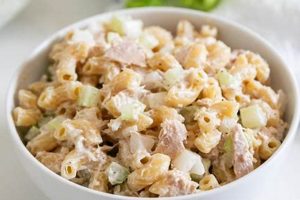
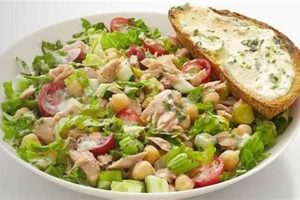
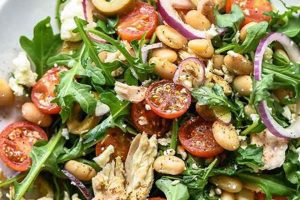
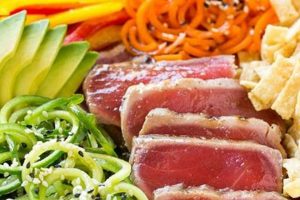
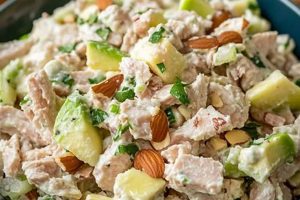
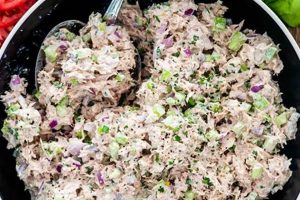
Combining the creamy richness of avocado with the savory flavor of tuna creates a nutritious and satisfying dish. Variations can include additions such as celery, red onion, or spices like dill and paprika. These ingredients are typically combined with mayonnaise or a lighter alternative like Greek yogurt, resulting in a versatile mixture suitable for sandwiches, wraps, salads, or as a standalone appetizer served with crackers or vegetables.
This combination offers a good source of protein, healthy fats, and essential vitamins and minerals. Avocado contributes fiber and monounsaturated fats, while tuna provides lean protein and omega-3 fatty acids. This blend has gained popularity as a healthier alternative to traditional mayonnaise-heavy tuna salads, appealing to those seeking flavorful yet nutritious meal options. The dish can be traced back to the increasing availability and popularity of avocados in various cuisines, offering a fresh take on classic recipes.
This exploration will delve further into specific ingredient combinations, preparation techniques, nutritional information, and serving suggestions, offering a complete guide to enjoying this healthful and delicious dish.
Tips for Creating a Delicious Tuna Salad with Avocado
Crafting a superior tuna and avocado salad involves attention to ingredient selection and preparation techniques. The following tips will help ensure a flavorful and satisfying result.
Tip 1: Use ripe, but not overripe, avocados. Avocados should yield to gentle pressure but not feel mushy. This ensures optimal flavor and texture.
Tip 2: Opt for high-quality canned tuna packed in water or olive oil. Draining the tuna thoroughly prevents excess liquid from watering down the salad.
Tip 3: Freshly squeezed lemon or lime juice enhances the flavors and prevents browning of the avocado. Adding a small amount to the mixture immediately after preparing the avocado helps maintain its vibrant green color.
Tip 4: Finely dice ingredients for a cohesive texture and even distribution of flavor. Consistently sized pieces create a more pleasing mouthfeel.
Tip 5: Incorporate complementary ingredients like red onion, celery, or bell peppers for added crunch and complexity. These additions provide textural contrast and enhance the overall flavor profile.
Tip 6: Experiment with different seasonings. Fresh herbs like dill or cilantro, spices such as paprika or cumin, and a pinch of red pepper flakes can elevate the flavor profile.
Tip 7: Chill the salad for at least 30 minutes before serving. Chilling allows the flavors to meld and enhances the overall experience.
By following these tips, one can achieve a flavorful and well-balanced tuna salad with avocado, maximizing both its nutritional value and enjoyment.
These guidelines offer a pathway to creating a versatile dish that can be enjoyed in various ways, as detailed in the concluding section.
1. Ingredient Quality

Ingredient quality significantly impacts the overall flavor and nutritional value of a tuna salad avocado recipe. Using high-quality ingredients elevates the dish from simple to exceptional. Fresh, ripe avocados provide a creamy texture and nutty flavor, contrasting with bland, unripe avocados. Similarly, opting for high-quality tuna packed in water or olive oil, rather than lower-quality options, yields a cleaner taste and better nutritional profile. For example, premium tuna brands often use sustainably sourced fish and minimize additives, contributing to a healthier and more flavorful salad. Choosing fresh herbs and spices over dried counterparts also enhances the overall sensory experience. The inherent quality of the mayonnaise or yogurt used as a binder further influences the taste and texture.
The impact of ingredient quality extends beyond taste. Fresh, high-quality ingredients often contain higher levels of vitamins, minerals, and antioxidants. For instance, ripe avocados offer a rich source of monounsaturated fats, known for their heart-health benefits. Selecting tuna packed in olive oil adds healthy fats and enhances the absorption of fat-soluble vitamins. Prioritizing ingredient quality thus contributes to creating a meal that is both satisfying and nutrient-dense. Using organic ingredients where possible can further minimize exposure to pesticides and enhance the overall health benefits.
Investing in high-quality ingredients represents a crucial step in creating a truly satisfying and nutritious tuna salad avocado recipe. While cost may sometimes be a factor, the resulting improvement in flavor, texture, and nutritional value justifies the selection of superior ingredients. Understanding this connection empowers individuals to make informed choices, ultimately leading to a more enjoyable and healthful culinary experience. This emphasis on quality aligns with a broader trend toward health-conscious eating and highlights the importance of appreciating the individual components of any dish.
2. Flavor Balance
Flavor balance is paramount in a successful tuna salad avocado recipe. The inherent richness of avocado, the savory notes of tuna, and the chosen additions must harmonize to create a palatable and enjoyable dish. A well-balanced flavor profile avoids extremes, ensuring no single ingredient overpowers the others. This balance elevates the overall sensory experience, transforming a simple mixture into a culinary delight.
- Acidity
Acidity plays a crucial role in cutting through the richness of the avocado and enhancing the savory notes of the tuna. Ingredients like lemon or lime juice, or even a touch of vinegar, provide the necessary acidity. The right balance prevents the salad from becoming overly rich or bland, brightening the flavors and adding a refreshing element. For example, a squeeze of lemon juice not only enhances the flavor but also helps prevent the avocado from browning. The level of acidity should complement, not dominate, the other flavors.
- Saltiness
Salt enhances the inherent flavors of both tuna and avocado. However, careful consideration of the sodium content in the tuna itself is necessary to avoid over-salting. Additional salt, if needed, should be added judiciously, tasting throughout the process. Sea salt or kosher salt offer a cleaner flavor profile compared to standard table salt. Proper salt balance prevents the dish from tasting either bland or overly salty, allowing the natural flavors of the ingredients to shine through.
- Texture and Flavor Enhancers
Ingredients beyond the core components contribute to both flavor and textural complexity. Red onion adds a pungent bite, while celery offers a crisp, refreshing counterpoint to the creamy avocado. Fresh herbs like dill or parsley introduce aromatic complexity. Spices like paprika or black pepper contribute depth. These additions, when carefully balanced, create a multi-dimensional flavor profile that elevates the overall dish. Overuse, however, can lead to an unbalanced and less enjoyable experience.
- The Role of Fat
Fat contributes significantly to the overall flavor and mouthfeel of the salad. Avocado provides healthy monounsaturated fats, while the tuna, depending on its packing, can offer additional healthy fats. Mayonnaise, often used as a binder, contributes fat as well. Carefully considering the fat sources and their proportions is crucial for a balanced flavor profile and desirable texture. Excessive fat can lead to a heavy, greasy salad, while insufficient fat can result in a dry, less satisfying dish.
Achieving optimal flavor balance elevates the tuna salad avocado recipe from a basic combination of ingredients to a nuanced and satisfying dish. Understanding the interplay of these elementsacidity, saltiness, textural and flavor enhancers, and fat contentallows for careful control over the final flavor profile, resulting in a truly delightful culinary experience. This balance enhances the inherent nutritional value of the ingredients by making the dish more palatable and encouraging consumption of healthful foods.
3. Texture
Texture significantly contributes to the overall enjoyment of a tuna salad avocado recipe. The interplay of contrasting texturescreamy, smooth, crunchy, and firmcreates a more engaging and satisfying sensory experience. A well-executed recipe considers the inherent textures of the core ingredients and strategically incorporates additional elements to achieve the desired textural complexity. The creamy avocado provides a smooth base, while the flaked tuna offers a softer, yet slightly textured, element. This foundation allows for the incorporation of contrasting textures that elevate the dish beyond a simple, homogenous mixture.
Consider the addition of finely diced celery or red onion. These ingredients introduce a crisp, crunchy element that contrasts with the smoothness of the avocado and tuna. This contrast prevents the salad from becoming overly smooth and one-dimensional, adding a welcome textural variation. Similarly, chopped nuts or seeds, such as walnuts or sunflower seeds, offer another layer of crunch and complexity. These additions not only enhance the textural profile but also contribute to the overall flavor and nutritional value of the salad. Conversely, over-processing or over-mixing the ingredients can result in a mushy, less appealing texture, diminishing the enjoyment of the dish. Striking the right balance between creamy and crunchy elements is essential for a successful tuna salad avocado recipe.
The practical significance of understanding texture in this context lies in the ability to create a more enjoyable and satisfying culinary experience. A thoughtfully constructed tuna salad avocado recipe, with its balanced and varied textures, offers a more dynamic and engaging sensory experience. This attention to texture transforms a simple dish into a culinary creation that delights the palate and provides a more fulfilling meal. Furthermore, understanding the impact of different ingredients and preparation methods on the final texture empowers individuals to tailor their recipes to individual preferences, ensuring a personalized and enjoyable culinary outcome. This awareness of texture demonstrates a deeper understanding of culinary principles and elevates the appreciation of food beyond basic sustenance.
4. Preparation Method

Preparation methods significantly influence the final result of a tuna salad avocado recipe. Different techniques affect not only the texture and presentation but also the overall flavor profile and perceived freshness of the dish. Understanding these nuances allows for greater control over the final product, enabling customization to individual preferences and dietary needs.
- Basic Mixing
The most common approach involves simply combining all ingredients in a bowl and gently mixing until evenly distributed. This method prioritizes efficiency and ease of preparation. It results in a homogenous mixture where the flavors meld together. While simple, this method requires attention to avoid overmixing, which can lead to a mushy texture, particularly with ripe avocados.
- Layering
Layering offers a more nuanced approach, where ingredients are combined strategically to create distinct textural and flavor experiences. For example, a bed of greens might be topped with alternating layers of tuna salad, diced avocado, and other chosen additions. This method preserves the individual characteristics of each ingredient, offering a more complex sensory experience. Layering also enhances visual appeal, making it a suitable option for presentations where aesthetics are important.
- Chunking versus Mashing
The degree to which the avocado is processed significantly impacts the final texture. Chunking the avocado preserves its distinct texture and allows it to stand out within the salad. Mashing the avocado, on the other hand, creates a creamier, more homogenous mixture, effectively binding the other ingredients. The choice depends on individual preference and the desired final consistency of the salad. For a chunkier salad with distinct textural contrasts, dicing the avocado is preferable. For a smoother, creamier salad, mashing the avocado is the preferred method.
- Order of Incorporation
The order in which ingredients are combined can influence the final outcome. Adding acidic elements like lemon or lime juice directly to the avocado after cutting helps prevent browning and preserves its vibrant green color. Incorporating more delicate ingredients, such as fresh herbs, towards the end of the mixing process prevents them from being bruised or over-processed. Understanding these nuances allows for finer control over the final appearance, flavor, and texture of the salad.
Each preparation method offers distinct advantages and contributes unique characteristics to the final tuna salad avocado recipe. Selecting the appropriate method depends on the desired outcome, whether prioritizing efficiency, textural complexity, or visual presentation. Mastering these techniques allows for greater control and customization, enabling the creation of a dish tailored to specific preferences and culinary goals. The chosen preparation method ultimately influences the overall sensory experience and enjoyment of the dish.
5. Nutritional Value
Nutritional value represents a significant aspect of a tuna salad avocado recipe. This dish offers a combination of macronutrients and micronutrients beneficial for overall health. Tuna, a lean protein source, provides essential amino acids crucial for muscle building and repair. It also offers omega-3 fatty acids, known for their anti-inflammatory properties and potential benefits for cardiovascular health. Avocado contributes monounsaturated fats, considered “healthy fats,” which can help lower LDL cholesterol levels and reduce the risk of heart disease. Furthermore, avocados are rich in fiber, aiding digestion and promoting satiety. The combined nutritional profile of tuna and avocado creates a dish that supports overall well-being and provides sustained energy.
The nutritional value of this recipe can be further enhanced through ingredient selection and preparation methods. Opting for tuna packed in water rather than oil reduces overall fat content. Incorporating additional vegetables, such as celery or bell peppers, increases the vitamin and mineral content while adding fiber. Using Greek yogurt instead of mayonnaise as a binder lowers saturated fat and increases protein content. These modifications demonstrate how conscious ingredient choices and preparation techniques can maximize the nutritional benefits of the dish. For instance, adding a squeeze of lemon juice not only enhances flavor but also provides a source of Vitamin C. Understanding these nutritional nuances empowers individuals to create a meal that aligns with their dietary needs and health goals.
The practical implications of recognizing the nutritional value of a tuna salad avocado recipe extend beyond individual health. This awareness can influence meal planning, contributing to balanced diets and healthier lifestyles. It provides a foundation for making informed food choices that support long-term well-being. The dish’s nutritional density makes it a suitable option for various dietary patterns, including those focused on weight management, heart health, or simply maintaining optimal nutrition. Furthermore, understanding the nutritional composition of this dish can help address specific dietary needs, such as increasing protein intake or incorporating more healthy fats into one’s diet. The nutritional versatility of this recipe underscores its value as a healthful and satisfying meal option.
Frequently Asked Questions
This section addresses common inquiries regarding the preparation and consumption of tuna salad with avocado.
Question 1: How can browning of the avocado be prevented?
Avocado browning results from oxidation upon exposure to air. Adding an acidic element, such as lemon or lime juice, immediately after slicing inhibits this process. Storing the salad in an airtight container further minimizes oxidation.
Question 2: What are suitable alternatives to mayonnaise?
Greek yogurt provides a healthier alternative to mayonnaise, offering a tangy flavor and lower fat content. Mashed avocado can also serve as a binder, enhancing the creamy texture and contributing healthy fats. Hummus offers another option, introducing a unique flavor profile.
Question 3: How long can tuna salad with avocado be stored?
Refrigeration in an airtight container allows for storage up to three days. However, optimal flavor and texture are best enjoyed within 24 hours of preparation. Freezing is not recommended, as it negatively impacts the texture of both the avocado and the overall salad.
Question 4: Can canned tuna be substituted with fresh tuna?
Fresh tuna offers a higher quality protein source and often contains fewer additives. Ensure the tuna is sushi-grade if consuming it raw. If cooking the fresh tuna, ensure it reaches an internal temperature of 145F (63C) for safe consumption. Adjust seasonings accordingly, as fresh tuna may have a different salt content than canned varieties.
Question 5: What are some ways to increase the nutritional value of the recipe?
Incorporating nutrient-rich additions such as chopped bell peppers, cucumbers, or sprouts enhances the vitamin and mineral content. Using whole-grain bread or crackers for serving increases fiber intake. Adding seeds like chia or flax seeds provides additional omega-3 fatty acids and fiber.
Question 6: How can this recipe be adapted for different dietary needs?
For gluten-free diets, ensure all additional ingredients, such as bread or crackers, are certified gluten-free. For dairy-free diets, avoid mayonnaise and opt for dairy-free yogurt alternatives or mashed avocado as a binder. Adjusting portion sizes and ingredient ratios can accommodate specific caloric or macronutrient requirements.
Understanding these common inquiries aids in successful preparation and enjoyment of tuna salad with avocado, optimizing both its flavor and nutritional benefits.
The following section offers concluding remarks and suggests further exploration of this versatile dish.
Conclusion
Exploration of the tuna salad avocado recipe reveals a dish offering both nutritional value and culinary versatility. Emphasis on ingredient quality, flavor balance, texture, preparation methods, and nutritional content underscores the potential for a satisfying and healthful meal. Considerations regarding ingredient freshness, appropriate seasonings, and complementary additions contribute to a well-rounded culinary experience. Awareness of potential modifications, such as alternative binders and incorporation of additional vegetables, allows for customization based on individual dietary preferences and health goals. Understanding the interplay of these factors provides a foundation for creating a dish that maximizes both flavor and nutritional benefit.
The tuna salad avocado recipe presents an opportunity to explore culinary creativity within a framework of healthful eating. Continued experimentation with flavor profiles and ingredient combinations offers potential for further development and refinement. This adaptable recipe encourages exploration of culinary boundaries while prioritizing nutritional value, promoting a mindful and balanced approach to food preparation and consumption.