Combinations of cooked lentils and quinoa form the foundation of versatile salads offering diverse flavor profiles and textures. These salads can incorporate various ingredients, including vegetables (such as chopped cucumbers, bell peppers, and red onion), herbs (like parsley, mint, or cilantro), and dressings (ranging from simple vinaigrettes to tahini-based sauces). A simple example might include cooked green lentils, quinoa, diced red onion, chopped cucumber, and a lemon-herb vinaigrette.
Such dishes represent nutritionally dense meals, providing a complete protein source thanks to the combination of legumes and grains. They are rich in fiber, promoting digestive health, and offer essential vitamins and minerals. Historically, both lentils and quinoa have been staple foods in different cultures for centuries, appreciated for their nutritional value and adaptability. Their combined presence in contemporary cuisine reflects a growing interest in plant-based diets and globally inspired flavors.
Exploration of specific recipes can reveal the breadth of culinary possibilities, encompassing variations suitable for different dietary needs and preferences, along with practical tips for preparation and storage. Further investigation will also address nutritional information and potential health benefits in greater detail.
Tips for Preparing Successful Dishes
Optimizing ingredient preparation and cooking techniques enhances the flavor and texture of these salads. Attention to detail ensures a satisfying culinary experience.
Tip 1: Rinse the quinoa thoroughly. Rinsing removes the naturally occurring bitter coating (saponins) found on quinoa, resulting in a more palatable final product.
Tip 2: Cook lentils and quinoa separately. This allows for precise control over the cooking time of each component, preventing overcooking and achieving the desired texture.
Tip 3: Season the cooking water. Adding salt or broth to the cooking water for both lentils and quinoa infuses them with flavor from the inside out.
Tip 4: Dress the salad while the ingredients are still warm. Warm ingredients absorb dressings more readily, resulting in a more flavorful and evenly coated salad.
Tip 5: Incorporate a variety of textures and flavors. Consider adding toasted nuts, seeds, or dried fruits for textural contrast and complementary flavors.
Tip 6: Use fresh herbs generously. Fresh herbs add brightness and complexity to the salad. Experiment with different combinations such as parsley, mint, cilantro, or dill.
Tip 7: Allow the salad to rest before serving. Resting allows the flavors to meld and the salad to reach its optimal temperature. This step is particularly beneficial for salads with bolder dressings.
Careful attention to these tips will result in a well-balanced and flavorful salad that highlights the nutritional and culinary value of lentils and quinoa.
By understanding these foundational elements, one can confidently explore more complex variations and develop a deeper appreciation for the versatility of these ingredients.
1. Ingredient Selection
Ingredient selection significantly impacts the final quality, flavor profile, and nutritional value of lentil and quinoa salads. Careful consideration of each component contributes to a well-balanced and enjoyable dish.
- Lentil Variety
Different lentil varieties offer unique flavors and textures. Green lentils hold their shape well, while red lentils tend to break down during cooking, creating a creamier texture. Brown and black lentils offer earthier flavors. The chosen variety influences the overall salad texture and appearance.
- Quinoa Type
While white quinoa is the most common, red and black quinoa offer nuttier flavors and slightly chewier textures. A blend of quinoa varieties can add visual interest and complexity to the salad. The type of quinoa chosen subtly affects the final dish’s flavor and visual appeal.
- Fresh Produce
The selection of fresh vegetables and herbs contributes significantly to the salad’s flavor, texture, and nutritional content. Seasonal vegetables offer optimal flavor and freshness. Common additions include cucumbers, tomatoes, bell peppers, and red onion. Fresh herbs, such as parsley, mint, and cilantro, provide brightness and complexity. These elements contribute significantly to the salad’s overall freshness, nutritional value, and visual appeal.
- Complementary Additions
Ingredients like toasted nuts, seeds, dried fruits, and crumbled cheese introduce textural variety and enhance the flavor profile. These additions contribute to the overall nutritional value and provide contrasting textures that elevate the sensory experience. Examples include toasted almonds, pumpkin seeds, dried cranberries, or feta cheese. These elements provide additional layers of flavor and textural contrast.
Strategic ingredient selection elevates lentil and quinoa salads from simple meals to complex and satisfying culinary experiences. The interplay of flavors, textures, and colors derived from thoughtfully chosen ingredients contributes to a dish that is both nutritious and visually appealing.
2. Cooking Techniques

Proper cooking techniques are essential for achieving optimal texture and flavor in lentil and quinoa salad recipes. These techniques influence the final dish’s overall palatability and nutritional value. Mastery of these methods ensures a successful and enjoyable culinary experience.
- Lentil Cooking Method
Lentils should be cooked until tender but not mushy. Overcooking results in a loss of texture and a less appealing final product. Different lentil varieties require varying cooking times; therefore, attention to specific instructions is crucial. Properly cooked lentils contribute a pleasant chewiness to the salad.
- Quinoa Cooking Technique
Quinoa requires a specific water-to-grain ratio and cooking time to achieve a light and fluffy texture. Overcooked quinoa becomes sticky and unappetizing. The absorption method, where quinoa is simmered in water until the liquid is absorbed, is the most common technique. Properly cooked quinoa provides a delicate, slightly nutty flavor and a pleasing texture.
- Ingredient Incorporation Timing
The timing of ingredient incorporation affects the final salad’s texture and flavor. Heat-sensitive ingredients, such as fresh herbs and delicate vegetables, should be added after the cooked lentils and quinoa have cooled slightly to prevent wilting or loss of flavor. This staggered approach preserves the integrity and vibrancy of each component.
- Cooling and Resting Period
Allowing the cooked lentils and quinoa to cool before adding other ingredients and dressing prevents the salad from becoming soggy. A brief resting period allows the flavors to meld, resulting in a more cohesive and flavorful final product. This step enhances the overall dining experience.
Precise cooking techniques elevate lentil and quinoa salads from simple combinations of ingredients to well-balanced, flavorful, and texturally appealing dishes. Attention to detail in each step contributes to a final product that showcases the inherent qualities of these versatile ingredients.
3. Flavor Combinations

Flavor combinations play a crucial role in successful lentil and quinoa salad recipes. The interplay of tastes and aromas elevates these salads from nutritious meals to complex culinary experiences. Strategic flavor pairings enhance the inherent qualities of lentils and quinoa, resulting in dishes that are both satisfying and memorable. Understanding the principles of flavor combination allows for greater creativity and control over the final product.
- Mediterranean Influence
Mediterranean-inspired flavor profiles often feature ingredients like Kalamata olives, feta cheese, sun-dried tomatoes, and a lemon-herb vinaigrette. These elements provide a bright, tangy counterpoint to the earthy flavors of lentils and quinoa. This combination evokes the fresh, vibrant flavors of the Mediterranean region.
- Southwestern Flair
Southwestern flavors incorporate ingredients such as black beans, corn, bell peppers, cilantro, and a lime-cumin dressing. These components offer a smoky, spicy, and zesty dimension to the salad, reflecting the culinary traditions of the American Southwest. The combination creates a robust and flavorful profile.
- Asian Inspiration
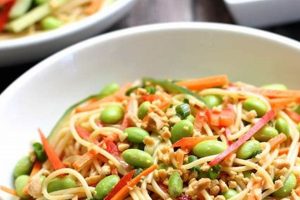
Asian-inspired flavor combinations might include edamame, shredded carrots, red cabbage, toasted sesame seeds, and a ginger-soy dressing. These ingredients introduce umami notes and a subtle sweetness, drawing inspiration from the diverse culinary landscape of Asia. This combination creates a balanced and nuanced flavor profile.
- Earthy and Nutty Profiles
Earthy and nutty flavor profiles leverage ingredients like roasted vegetables, such as sweet potatoes or Brussels sprouts, toasted nuts (walnuts, pecans, or almonds), dried cranberries, and a balsamic vinaigrette. These components create a rich, savory, and satisfying flavor combination, highlighting the inherent earthiness of lentils and quinoa. This combination provides a grounding and comforting flavor experience.
By exploring various flavor combinations, individuals can personalize lentil and quinoa salads to suit individual preferences and dietary needs. The versatility of these base ingredients allows for a wide range of culinary interpretations, ensuring a consistently satisfying and nutritious meal.
4. Textural Variety

Textural variety is a crucial element in successful lentil and quinoa salad recipes. A balance of textures elevates the sensory experience, transforming a simple dish into a more complex and satisfying meal. The inherent textures of lentils and quinoaslightly chewy and subtly nutty, respectivelyprovide a foundation for further textural exploration. This foundation allows for a wide range of additions that contribute to a more dynamic and engaging culinary experience. Without textural variation, these salads can become monotonous, lacking the depth and interest that contrasting textures provide.
Several ingredients can introduce contrasting textures. Toasted nuts, such as almonds, walnuts, or pecans, offer a satisfying crunch. Seeds, like pumpkin or sunflower seeds, contribute a delicate crispness. Dried fruits, such as cranberries or chopped apricots, introduce a chewy sweetness. Fresh vegetables, like diced cucumbers or bell peppers, provide a refreshing crispness. Crumbled feta cheese or goat cheese contribute a creamy element. Even the choice of lentil variety influences the final texture; for example, red lentils create a creamier consistency compared to the firmer texture of green lentils. Thoughtful incorporation of these elements prevents a homogenous texture, ensuring a more stimulating and enjoyable meal.
Consider a lentil and quinoa salad with roasted sweet potatoes, toasted pecans, and crumbled goat cheese. The soft sweetness of the roasted sweet potatoes contrasts with the crunchy pecans and the creamy goat cheese, creating a multi-faceted textural experience. This interplay of textures elevates the dish, making it more engaging and satisfying than a salad with uniformly soft or crunchy ingredients. Understanding the importance of textural variety allows for strategic ingredient selection and preparation methods that maximize the sensory appeal and overall enjoyment of lentil and quinoa salads.
5. Nutritional Balance
Nutritional balance is a cornerstone of well-designed lentil and quinoa salad recipes. These salads offer an opportunity to achieve a complete protein profile, combining the essential amino acids found in legumes (lentils) with those found in grains (quinoa). This complementary pairing provides a plant-based protein source equivalent in nutritional value to animal-based proteins. Beyond protein, these salads contribute significant dietary fiber, promoting digestive health and satiety. The fiber content also aids in regulating blood sugar levels and lowering cholesterol. Furthermore, lentil and quinoa salads offer a rich array of micronutrients, including iron, magnesium, and folate, essential for various bodily functions.
A practical example illustrating nutritional balance in these salads is the addition of chopped vegetables like bell peppers and spinach. These vegetables contribute vitamins A and C, alongside other antioxidants, further enhancing the nutritional density of the meal. Incorporating a variety of colorful vegetables not only broadens the micronutrient profile but also adds visual appeal and textural complexity. A lemon-herb vinaigrette, as opposed to a creamy dressing, reduces the fat content while contributing beneficial antioxidants from the lemon juice and herbs. Choosing whole-grain quinoa over refined grains further enhances fiber content and mineral availability.
Understanding the nutritional composition of lentil and quinoa salads allows for informed choices regarding ingredient selection and preparation methods. This knowledge empowers individuals to tailor recipes to meet specific dietary needs and preferences, maximizing both flavor and health benefits. The inherent nutritional value of these salads, coupled with thoughtful recipe design, contributes to a balanced and sustainable dietary approach. Emphasis on whole foods, plant-based protein sources, and a variety of micronutrients positions these salads as valuable components of a health-conscious diet.
6. Dressing Choices

Dressing choices significantly influence the overall flavor profile and culinary experience of lentil and quinoa salads. The dressing acts as a unifying element, binding the individual ingredients and creating a cohesive flavor narrative. A well-chosen dressing complements the earthy notes of lentils and the subtly nutty flavor of quinoa, enhancing the inherent qualities of these ingredients without overpowering them. Conversely, an ill-suited dressing can mask these delicate flavors, resulting in a less balanced and satisfying dish. The interplay between the dressing and the other salad components is crucial; the dressing should enhance, not dominate, the overall flavor composition.
Consider a lemon-herb vinaigrette. The bright acidity of the lemon juice cuts through the richness of the lentils and quinoa, while the fresh herbs add a layer of complexity and freshness. This type of vinaigrette complements the natural flavors of the salad, creating a light and refreshing dish. In contrast, a creamy dressing, such as one based on tahini or yogurt, offers a richer, more decadent experience. The creamy texture coats the lentils and quinoa, creating a smoother, more cohesive mouthfeel. This choice works well with roasted vegetables and bolder flavors, adding a layer of richness and depth. A third example, a spicy peanut dressing, introduces a contrasting flavor element that adds heat and complexity. This option pairs well with Asian-inspired ingredients, such as edamame and shredded carrots, creating a balanced and flavorful salad.
Effective dressing selection considers the specific ingredients within the salad and the desired overall flavor profile. The dressing should harmonize with the other components, creating a synergistic blend of flavors and textures. Understanding the impact of dressing choices empowers culinary exploration and ensures a balanced, flavorful, and satisfying lentil and quinoa salad experience. A thoughtfully chosen dressing elevates these salads from simple meals to well-rounded culinary creations.
7. Presentation
Presentation significantly impacts the perceived value and enjoyment of lentil and quinoa salad recipes. Visual appeal enhances the dining experience, influencing perceptions of flavor and freshness. A thoughtfully presented salad entices the appetite and elevates the dish beyond mere sustenance. Consider the contrast between a salad haphazardly tossed into a bowl and one carefully arranged with attention to color, texture, and height. The former may be perceived as less appealing, even if the ingredients are identical. Strategic presentation transforms the salad into a visually engaging culinary creation.
Several techniques enhance the presentation of these salads. Using a variety of colors, achieved through incorporating diverse vegetables like bell peppers, tomatoes, and leafy greens, creates visual interest. Textural contrast, achieved by including toasted nuts, crumbled cheese, or sprouts, adds another dimension of visual appeal. Height can be created by mounding the salad or using a cookie cutter to create a defined shape. Garnishing with fresh herbs or a sprinkle of spice adds a finishing touch, signaling attention to detail. Serving the salad on attractive plates or in individual bowls further enhances the dining experience. For example, a lentil and quinoa salad served in a clear glass bowl showcases the vibrant colors and textures of the ingredients, making it more visually appealing.
While flavor and nutritional value remain paramount, presentation should not be overlooked. It elevates the dining experience, making the salad more enticing and enjoyable. Thoughtful presentation communicates care and attention to detail, enhancing the perceived value of the dish. Understanding the impact of visual appeal allows for a more holistic approach to lentil and quinoa salad preparation, maximizing both the culinary and aesthetic potential of these versatile ingredients. Investing time in presentation, even with simple techniques, transforms a basic salad into a visually appealing and more satisfying culinary experience.
Frequently Asked Questions
This section addresses common inquiries regarding lentil and quinoa salad recipes, providing concise and informative responses to facilitate successful preparation and enjoyment.
Question 1: How can one prevent lentil and quinoa salads from becoming dry?
Adequate dressing and proper storage are crucial. Dress the salad just before serving or store the dressing separately and combine it only when ready to eat. Adding ingredients with high water content, such as chopped cucumbers or tomatoes, also helps maintain moisture.
Question 2: What are optimal storage practices for these salads?
Store cooked lentils and quinoa separately from other ingredients and dressings in airtight containers in the refrigerator for up to three days. Combine all ingredients just before serving to maintain optimal texture and flavor.
Question 3: Can these salads be prepared in advance for meal prepping?
Yes, they are excellent for meal prepping. Cook the lentils and quinoa ahead of time and store them separately. Chop vegetables and prepare dressings in advance. Combine all ingredients just before serving to maintain freshness and prevent the salad from becoming soggy.
Question 4: How can one adjust recipes to accommodate dietary restrictions, such as gluten-free or vegan diets?
Quinoa is naturally gluten-free. Ensure all other ingredients, such as dressings and seasonings, are also gluten-free. For vegan diets, avoid adding cheese or other animal products. Use plant-based alternatives, such as nutritional yeast for a cheesy flavor.
Question 5: What are effective strategies for enhancing the flavor of these salads?
Experiment with different herbs, spices, and dressings. Toasting nuts and seeds before adding them enhances their flavor. Roasting vegetables before incorporating them into the salad adds depth and complexity. A squeeze of fresh lemon or lime juice brightens the flavors.
Question 6: How can these salads be adapted for different seasons?
Utilize seasonal vegetables to maximize flavor and nutritional value. In spring, incorporate asparagus and fresh peas. During summer, opt for tomatoes, cucumbers, and zucchini. Autumn lends itself to roasted root vegetables and winter squash. In winter, consider dried cranberries, citrus fruits, and kale.
Addressing these common inquiries assists in successful preparation and customization, allowing for greater enjoyment and appreciation of lentil and quinoa salad versatility.
Further exploration of specific recipes and variations can expand culinary horizons and provide practical experience with these versatile ingredients.
Conclusion
Exploration of lentil and quinoa salad recipes reveals a versatile culinary landscape encompassing diverse flavors, textures, and nutritional profiles. Careful ingredient selection, precise cooking techniques, and thoughtful flavor combinations contribute to successful outcomes. Textural variety, achieved through incorporating elements like toasted nuts, seeds, and fresh vegetables, elevates sensory experiences. Nutritional balance, inherent in the combination of legumes and grains, positions these salads as valuable components of a health-conscious diet. Strategic dressing selection further enhances flavor profiles, while thoughtful presentation elevates the dining experience. Understanding these core principles empowers culinary creativity and customization.
Continued exploration of specific lentil and quinoa salad recipes offers opportunities to refine culinary skills, expand dietary horizons, and appreciate the versatility of these ingredients. The adaptability of these salads to diverse culinary traditions and dietary needs underscores their enduring appeal and potential for innovative culinary expression. Embracing these principles fosters a deeper understanding of ingredient interaction and flavor dynamics, ultimately enriching culinary experiences.