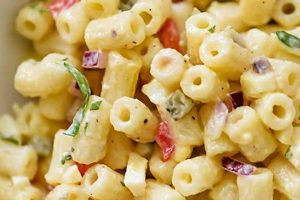
A lighter version of the classic egg salad focuses on reducing overall caloric content without sacrificing flavor or satisfaction. This is often achieved by using ingredients like Greek yogurt or low-fat mayonnaise instead of full-fat options, incorporating more vegetables for added volume and nutrients, and choosing whole-grain bread or crackers for serving. For example, one might use Dijon mustard, a squeeze of lemon, and chopped celery for a flavorful yet leaner mixture.
Health-conscious individuals seeking protein-rich, satisfying meals often find such variations appealing. Managing calorie intake is important for weight management and overall well-being. This approach offers a way to enjoy a beloved comfort food without compromising dietary goals. While traditional egg salad has been a picnic staple for generations, the demand for healthier versions reflects a modern awareness of nutritional balance.
This article will explore various methods for creating delicious, reduced-calorie egg salads, highlighting ingredient substitutions, nutritional information, and creative serving suggestions.
Tips for Creating a Delicious Low-Calorie Egg Salad
Achieving a flavorful yet lighter egg salad requires careful consideration of ingredients and preparation methods. The following tips offer guidance for creating a satisfying dish while managing caloric intake.
Tip 1: Embrace Greek Yogurt: Substituting plain, non-fat Greek yogurt for mayonnaise significantly reduces fat and calories while adding a tangy flavor and creamy texture.
Tip 2: Maximize Vegetables: Incorporating finely chopped vegetables like celery, bell peppers, red onion, or dill pickles adds volume, nutrients, and flavor complexity without contributing significant calories.
Tip 3: Choose Lean Protein: Opting for egg whites only or using a combination of whole eggs and whites reduces overall fat and cholesterol content.
Tip 4: Enhance Flavor with Herbs and Spices: Fresh herbs like dill, chives, or parsley, along with spices like paprika, mustard powder, or garlic powder, add depth of flavor without relying on excess salt or fat.
Tip 5: Mindful Portion Control: Even with healthier ingredients, portion size remains crucial for managing calorie intake. Serve the egg salad on whole-grain bread, crackers, or lettuce cups to further enhance nutritional value.
Tip 6: Consider Avocado: While calorically denser than some vegetables, a small amount of mashed avocado can add creaminess and healthy fats, allowing for further reduction of mayonnaise or yogurt.
Tip 7: Hard-Boil Eggs Perfectly: Properly cooked eggs are easier to peel and create a smoother, more appealing texture in the salad. Avoid overcooking, which can lead to a rubbery consistency.
By employing these strategies, one can enjoy the classic taste of egg salad while prioritizing health and well-being. These simple adjustments offer a satisfying and nutritious alternative to traditional recipes.
These tips provide a foundation for crafting a personalized low-calorie egg salad recipe. Experimentation with different flavor combinations and ingredients will further enhance the culinary experience.
1. Ingredient Selection

Ingredient selection plays a pivotal role in determining the caloric content and nutritional value of an egg salad. Each component contributes to the overall profile of the final dish. For a low-calorie version, careful consideration must be given to every ingredient, prioritizing those that offer flavor and texture while minimizing unnecessary calories and unhealthy fats. Substituting full-fat mayonnaise with plain Greek yogurt, for instance, drastically reduces fat and boosts protein content. Similarly, incorporating a higher proportion of vegetables, such as chopped celery, bell peppers, or red onion, adds volume and nutrients without significantly increasing calories. Choosing whole eggs over egg whites provides essential nutrients but increases fat and cholesterol; a balanced approach might involve using a mixture of both.
The impact of ingredient choices extends beyond calorie content. Flavor and texture are equally crucial for a satisfying culinary experience. Using fresh herbs, spices, and a touch of Dijon mustard can elevate the flavor profile without adding excessive calories. A small amount of mashed avocado can contribute healthy fats and a creamy texture, allowing for a further reduction in the amount of yogurt or light mayonnaise used. These strategic substitutions exemplify how thoughtful ingredient selection can create a healthier, flavorful, and satisfying egg salad.
Ultimately, creating a successful low-calorie egg salad hinges on a holistic understanding of ingredient contributions. Balancing flavor, texture, and nutritional value requires careful planning and execution. Focusing on lean proteins, incorporating fiber-rich vegetables, and minimizing added fats are key principles in this process. By prioritizing nutrient-dense ingredients and making informed substitutions, one can create a delicious and guilt-free version of this classic dish.
2. Calorie Reduction
Calorie reduction forms the cornerstone of a low-calorie egg salad recipe. The objective is to minimize caloric intake without compromising flavor or satiety. This is achieved through strategic ingredient substitutions and mindful portion control. Replacing traditional mayonnaise with Greek yogurt, for example, significantly reduces calorie density while maintaining a creamy texture. Incorporating more vegetables, such as finely diced celery and bell peppers, increases volume and fiber content, promoting fullness with fewer calories. Choosing leaner protein sources, like using a combination of whole eggs and egg whites, further contributes to calorie reduction. Every ingredient choice plays a role in the overall caloric impact.
The impact of calorie reduction extends beyond weight management. Lower-calorie meals can contribute to improved energy levels, better blood sugar control, and reduced risk of chronic diseases. In the context of egg salad, reducing calories allows individuals to enjoy a satisfying meal without exceeding dietary goals. This becomes particularly relevant for those managing weight or specific health conditions. A carefully crafted low-calorie egg salad can be a nutritious and flavorful part of a balanced diet. For example, swapping one tablespoon of full-fat mayonnaise (approximately 90 calories) for one tablespoon of plain nonfat Greek yogurt (around 10 calories) drastically reduces the overall calorie count without sacrificing creaminess. Multiplying these small changes across the recipe significantly impacts the final calorie count, demonstrating the practical significance of calorie reduction strategies.
Calorie reduction in egg salad recipes involves a holistic approach. It requires careful consideration of each ingredient’s caloric contribution and potential substitutions. The ultimate goal is to achieve a balance between flavor, satisfaction, and nutritional value. While calorie reduction is paramount, it should not compromise the palatability of the dish. Successfully navigating this balance requires a nuanced understanding of ingredient functionalities and creative culinary techniques. This understanding allows for the creation of an egg salad that is both enjoyable and aligned with health-conscious dietary goals.
3. Flavor Enhancement
Flavor enhancement is crucial in low-calorie egg salad recipes. Reducing calories often necessitates limiting richer ingredients like mayonnaise. Therefore, enhancing flavor through alternative means becomes essential to ensure palatability and satisfaction. This involves strategic use of herbs, spices, and other flavorful additions that compensate for reduced fat content without compromising the overall healthfulness of the dish.
- Fresh Herbs
Fresh herbs, such as dill, chives, parsley, and tarragon, provide vibrant, aromatic notes that elevate the flavor profile. Dill, for example, offers a bright, slightly tangy flavor that complements the richness of eggs. Chives contribute a delicate onion flavor, while parsley adds a fresh, herbaceous note. Incorporating a combination of herbs creates a complex and layered flavor profile, making the egg salad more appealing despite being lower in calories.
- Spices
Spices offer a wide range of flavor possibilities. Paprika adds a subtle smokiness, while mustard powder introduces a tangy kick. Garlic powder provides a savory depth, and a pinch of cayenne pepper can introduce a touch of heat. The judicious use of spices can significantly enhance the complexity of the egg salad, compensating for the reduced richness from lower-fat ingredients.
- Acidic Elements
Acidic elements like lemon juice or vinegar brighten the flavors and add a refreshing tang. A squeeze of lemon juice cuts through the richness of the eggs and adds a zesty note. Apple cider vinegar provides a slightly sweet and tart flavor, while white wine vinegar offers a sharper, more acidic profile. These additions balance the overall flavor profile, creating a more dynamic and enjoyable experience.
- Textural Components
Incorporating ingredients that provide textural contrast can further enhance the sensory experience. Finely diced celery or red onion adds a satisfying crunch, while chopped pickles offer a tangy bite. These textural variations prevent the egg salad from becoming monotonous and create a more engaging and satisfying meal.
By strategically combining these flavor-enhancing elements, a low-calorie egg salad can achieve a depth and complexity that rivals its full-fat counterpart. This approach ensures that reducing calories does not equate to sacrificing flavor. Instead, it encourages creative exploration of alternative ingredients and techniques to create a delicious and healthful dish. This mindful approach to flavor development is essential for making healthy eating enjoyable and sustainable.
4. Healthy Fats

The inclusion of healthy fats plays a vital role in a low-calorie egg salad recipe. While reducing overall fat content is key to lowering calories, incorporating certain fats contributes to satiety, nutrient absorption, and flavor enhancement. Healthy fats, unlike saturated and trans fats, offer numerous health benefits and can contribute to a more satisfying and nutritious meal. In the context of a low-calorie egg salad, these fats can compensate for the reduced richness that comes with lowering mayonnaise or using leaner protein sources. For example, incorporating a small amount of mashed avocado provides monounsaturated fats, known for their heart-healthy benefits. Avocado also contributes a creamy texture, which can help reduce the amount of lower-fat mayonnaise or yogurt needed, further lowering the overall calorie count. Another option is to add a sprinkle of chopped walnuts or pecans, which offer polyunsaturated fats, including omega-3 fatty acids, beneficial for brain health and reducing inflammation. These additions not only enhance the nutritional profile but also contribute to a more satisfying and flavorful egg salad experience.
The strategic use of healthy fats exemplifies the principle of balance in a low-calorie diet. It’s not simply about minimizing all fats, but rather about choosing the right types of fats and incorporating them mindfully. Healthy fats contribute to satiety by slowing digestion, helping to regulate blood sugar levels and preventing overeating. This is particularly relevant in a low-calorie context, as it helps individuals feel fuller for longer, supporting adherence to dietary goals. Furthermore, certain vitamins, such as vitamins A, D, E, and K, are fat-soluble, meaning they require dietary fat for proper absorption. Including healthy fats in an egg salad ensures that the body can effectively utilize these essential nutrients. The practical application of this understanding lies in making informed choices about fat sources. Opting for avocado, nuts, or seeds over saturated and trans fats found in processed foods and some oils not only reduces calories but also contributes to overall health and well-being.
Successfully incorporating healthy fats into a low-calorie egg salad necessitates understanding their impact on both nutritional value and sensory experience. While these fats contribute essential nutrients and enhance satiety, portion control remains crucial. Even healthy fats are calorically dense, and excessive consumption can hinder calorie reduction efforts. Therefore, a balanced approach involves carefully considering the type and quantity of healthy fats added. This mindful approach ensures that the egg salad remains aligned with dietary goals while maximizing nutritional benefits and flavor. Overcoming the misconception that all fats are detrimental to a low-calorie diet is key to realizing the positive contributions of healthy fats in creating a satisfying and nutritious meal.
5. Portion Control

Portion control is a critical aspect of managing calorie intake, even when consuming inherently healthy foods. In the context of a low-calorie egg salad recipe, portion control ensures that the overall calorie consumption remains aligned with dietary goals. While ingredient selection contributes significantly to calorie reduction, consuming excessive quantities, even of a healthy version, can negate these efforts. Understanding portion sizes and employing practical strategies to manage them is essential for maximizing the benefits of a low-calorie approach.
- Visual Cues
Visual cues offer practical guidance for estimating appropriate portion sizes. Comparing a serving of egg salad to common objects, such as a tennis ball (approximately cup) or a deck of cards (approximately 3 ounces of meat or protein), provides a tangible reference. These visual aids help individuals conceptualize appropriate serving sizes, making portion control more intuitive and less reliant on precise measurements. In the context of egg salad, this could mean visualizing a serving size equivalent to a small scoop of ice cream rather than a large heaping spoonful.
- Serving Containers
Using smaller plates, bowls, and containers influences portion control by creating a visual perception of fullness. A smaller container filled with egg salad appears more satisfying than the same amount spread thinly on a larger plate. This visual trick can help individuals feel satisfied with a smaller portion, promoting calorie reduction without feelings of deprivation. Using pre-portioned containers for storing and serving egg salad further simplifies portion management by eliminating the need for guesswork during meal preparation.
- Mindful Eating Practices
Mindful eating involves paying close attention to the sensory experience of eating, including taste, texture, and feelings of fullness. This practice encourages individuals to eat more slowly, savor each bite, and recognize internal cues of satiety. In the context of egg salad, mindful eating might involve focusing on the flavors of the herbs and spices, appreciating the creamy texture, and recognizing when one feels comfortably full rather than continuing to eat out of habit. This awareness helps prevent overconsumption and promotes a greater appreciation for the meal.
- Meal Planning and Pre-portioning
Planning meals in advance and pre-portioning egg salad into individual servings supports consistent portion control. This strategy eliminates the temptation to overserve at mealtimes, particularly when hunger levels are high. Packing pre-portioned containers of egg salad for lunch, for example, ensures portion control even when eating away from home, making it easier to adhere to dietary goals throughout the day.
These facets of portion control underscore the importance of mindful eating habits in the context of a low-calorie egg salad recipe. While creating a recipe with reduced-calorie ingredients is essential, portion control ultimately determines the overall calorie intake. By incorporating visual cues, utilizing appropriate serving containers, practicing mindful eating, and planning meals in advance, individuals can effectively manage portion sizes and maximize the benefits of a low-calorie egg salad. This comprehensive approach supports sustainable weight management and promotes a healthier relationship with food.
6. Preparation Methods
Preparation methods significantly influence the caloric and nutritional content of egg salad, impacting both flavor and texture. Careful consideration of these methods is essential for creating a low-calorie version that remains palatable and satisfying. From cooking the eggs to combining ingredients, each step presents opportunities for calorie reduction and flavor optimization. The following facets highlight the crucial role of preparation methods in achieving a successful low-calorie egg salad.
- Egg Cooking Techniques
Proper egg cooking techniques are fundamental. Overcooking leads to a rubbery texture and can make the yolks dry and crumbly, potentially necessitating the addition of more mayonnaise or dressing to achieve a desirable consistency, thereby increasing calories. Steaming or boiling eggs until just set yields a tender texture and moist yolks, minimizing the need for additional moistening agents. Precise timing and controlled heat application are crucial for optimal results.
- Chopping and Mashing
The method of chopping or mashing the eggs influences both texture and perceived flavor. Coarsely chopping creates a chunkier salad with distinct textural elements, while finely chopping or mashing results in a smoother, more uniform consistency. The degree of processing affects how the flavors meld and the overall sensory experience. A coarser texture might require less dressing to achieve a desirable consistency, contributing to calorie reduction.
- Ingredient Incorporation
The order and method of incorporating ingredients affect the final flavor and texture. Adding dry ingredients, such as spices and herbs, directly to the mashed yolks before adding wetter ingredients ensures even distribution and prevents clumping. Gently folding in the remaining ingredients minimizes overmixing, which can lead to a dense and less appealing texture. This careful approach ensures that each ingredient contributes optimally to the overall flavor profile and texture without requiring excessive amounts of high-calorie binders.
- Chilling and Serving
Chilling the egg salad allows the flavors to meld and enhances the overall experience. However, excessive chilling can dull the flavors and firm the texture. Serving the egg salad slightly chilled, rather than ice-cold, allows the nuanced flavors of the herbs, spices, and other ingredients to shine through. Serving the salad on crisp lettuce cups or whole-grain crackers provides a contrasting texture and reduces the need for bread, potentially lowering carbohydrate and calorie intake.
These facets of preparation methods underscore their profound impact on creating a successful low-calorie egg salad. From egg cooking techniques to chilling and serving, each step presents opportunities for calorie reduction and flavor optimization. By employing precise techniques and mindful ingredient incorporation, one can create a dish that is both healthy and delicious. These considerations highlight the importance of viewing preparation not merely as a mechanical process but as an integral part of crafting a balanced and enjoyable culinary experience.
7. Nutritional Balance
Nutritional balance is paramount in a low-calorie egg salad recipe. The goal extends beyond simply reducing calories; it aims to create a dish that provides essential nutrients while supporting overall health. This necessitates careful consideration of macronutrient ratiosprotein, carbohydrates, and fatsand micronutrient contentvitamins and minerals. A balanced nutritional profile ensures the body receives the necessary components for optimal function, even while restricting caloric intake. For example, prioritizing lean protein sources, such as egg whites or a combination of whole eggs and whites, contributes to satiety and supports muscle maintenance. Incorporating nutrient-rich vegetables, like chopped bell peppers and spinach, provides essential vitamins, minerals, and fiber, promoting digestive health and overall well-being. Choosing healthy fats, like those found in avocado or a sprinkle of chopped nuts, contributes to satiety and supports the absorption of fat-soluble vitamins.
The practical significance of nutritional balance becomes evident when considering the potential pitfalls of unbalanced low-calorie diets. A diet overly focused on calorie restriction without regard for nutritional adequacy can lead to nutrient deficiencies, fatigue, and compromised immune function. In the context of egg salad, simply reducing mayonnaise and adding more celery, while calorically beneficial, may not provide a balanced nutritional profile. However, strategically incorporating ingredients like Greek yogurt for protein and calcium, chopped vegetables for vitamins and fiber, and a small amount of avocado for healthy fats creates a dish that supports overall health while remaining low in calories. This balanced approach ensures that calorie reduction does not come at the expense of nutritional adequacy. For example, a low-calorie egg salad rich in protein and fiber contributes to sustained energy levels and blood sugar regulation, preventing energy crashes and overeating later in the day.
Achieving nutritional balance in a low-calorie egg salad recipe requires a holistic approach, considering each ingredient’s contribution to the overall nutritional profile. The goal is to maximize nutrient density while minimizing caloric intake. This necessitates informed ingredient selection, paying attention to both macronutrient ratios and micronutrient content. Successfully balancing these factors results in a dish that supports both weight management goals and overall well-being. This balanced approach ensures that a low-calorie egg salad remains a nutritious and satisfying part of a healthy diet, contributing to long-term health and wellness.
Frequently Asked Questions
This section addresses common inquiries regarding low-calorie egg salad recipes, offering practical guidance for recipe modification and ingredient selection.
Question 1: How can one significantly reduce calories in traditional egg salad?
Significant calorie reduction can be achieved by substituting full-fat mayonnaise with plain, non-fat Greek yogurt or light mayonnaise. Incorporating more vegetables, such as chopped celery, bell peppers, and onions, also adds volume and nutrients without significantly increasing calories.
Question 2: Can egg salad be made without mayonnaise entirely?
Egg salad can be made without mayonnaise. Greek yogurt, mashed avocado, or even a combination of Dijon mustard and a small amount of olive oil can be used as alternatives, providing creaminess and flavor while reducing calories.
Question 3: Are there specific egg types best suited for low-calorie egg salad?
While any egg type can be used, opting for more egg whites than yolks can reduce fat and cholesterol. Using a combination of whole eggs and egg whites offers a balance of nutrients and flavor.
Question 4: How can flavor be enhanced when reducing high-calorie ingredients?
Fresh herbs, such as dill, chives, and parsley, along with spices like paprika, mustard powder, and garlic powder, significantly enhance flavor without adding calories. Acidic elements like lemon juice or vinegar also brighten the flavor profile.
Question 5: What are suitable serving options for low-calorie egg salad beyond bread?
Lettuce cups, bell pepper halves, cucumber slices, or whole-grain crackers offer lower-calorie alternatives to traditional bread for serving egg salad, while adding nutritional value.
Question 6: How long can low-calorie egg salad be stored safely?
Low-calorie egg salad should be stored in an airtight container in the refrigerator for no more than three to five days. Variations containing avocado may brown more quickly and are best consumed within two days.
Addressing these common inquiries provides a foundation for creating and enjoying a healthy and flavorful low-calorie egg salad. These guidelines offer practical strategies for ingredient substitution, preparation, and storage, empowering individuals to make informed choices aligned with their dietary goals.
The following section will provide specific recipe variations for low-calorie egg salad, incorporating the principles discussed above.
Conclusion
Exploration of low-calorie egg salad recipes reveals the potential for enjoying this classic dish while adhering to health-conscious dietary guidelines. Strategic ingredient selection, mindful preparation methods, and portion control are crucial for achieving caloric reduction without sacrificing flavor or nutritional value. Substituting full-fat mayonnaise with Greek yogurt, incorporating abundant vegetables, and enhancing flavor with herbs and spices exemplify practical strategies for creating a satisfying and healthful meal. Emphasis on nutritional balance ensures adequate intake of essential nutrients while managing calorie consumption. Proper egg cooking techniques and mindful ingredient incorporation further contribute to a palatable and enjoyable culinary experience. Addressing portion control underscores the importance of mindful eating habits for long-term dietary success. The versatility of egg salad allows for creative variations, catering to individual preferences and dietary needs.
The synthesis of culinary techniques and nutritional awareness empowers individuals to make informed choices that support both health and enjoyment. Continued exploration of ingredient combinations and flavor profiles offers endless possibilities for creating delicious and healthful versions of this timeless dish. Low-calorie egg salad demonstrates that dietary restrictions need not limit culinary creativity or satisfaction, paving the way for a sustainable and enjoyable approach to healthy eating.