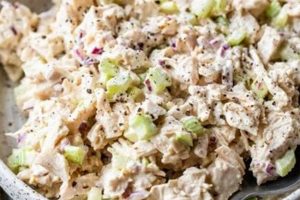
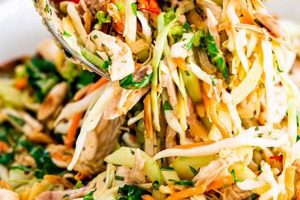
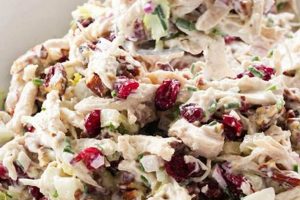
A combination of cooked chicken, mayonnaise, and seasonings forms the base of a classic chicken salad. The addition of apples and pecans introduces contrasting textures and flavors, with the apple providing sweetness and tartness, and the pecans contributing a buttery crunch. Variations can include ingredients such as grapes, celery, onion, and different herbs and spices.
This particular combination offers a balanced nutritional profile, with protein from the chicken, healthy fats from the pecans, and vitamins and fiber from the apples. The blend of sweet, savory, and crunchy elements makes it a versatile dish, suitable for sandwiches, wraps, salads, or as a standalone appetizer. Historically, chicken salad emerged as a popular dish in the mid-19th century, and the incorporation of fruits and nuts reflects evolving culinary preferences for complex flavor profiles.
Exploring the nuances of this dish involves examining different apple varieties best suited for chicken salad, understanding the impact of pecan preparation methods on the final product, and considering complementary seasonings and ingredients to create a well-rounded and flavorful experience.
Tips for Crafting Exceptional Chicken Salad with Apples and Pecans
Achieving a harmonious balance of flavors and textures is key to a successful chicken salad. These tips offer guidance on ingredient selection and preparation techniques for optimal results.
Tip 1: Chicken Selection and Preparation: Using high-quality, cooked chicken is essential. Roasting or poaching chicken breasts yields tender, flavorful results. Avoid using pre-cooked or processed chicken for the best flavor and texture.
Tip 2: Apple Selection: Crisp, tart apples, such as Granny Smith or Honeycrisp, provide a refreshing contrast to the richness of the chicken and pecans. Avoid overly sweet or mealy apples.
Tip 3: Pecan Preparation: Toasting pecans enhances their flavor and adds a desirable crunch. Spread pecans on a baking sheet and toast in a preheated oven at 350F (175C) for 5-7 minutes, or until fragrant.
Tip 4: Mayonnaise Selection: High-quality mayonnaise contributes significantly to the overall flavor. Consider using a combination of mayonnaise and Greek yogurt for a lighter, tangier flavor profile.
Tip 5: Balancing Sweetness and Acidity: A touch of sweetness complements the tartness of the apples. A small amount of honey or maple syrup can be added to taste. A squeeze of lemon juice can further enhance the flavor balance.
Tip 6: Seasoning: Fresh herbs, such as tarragon or chives, add depth of flavor. Salt and freshly ground black pepper are essential for seasoning. Consider adding a pinch of celery seed or onion powder for added complexity.
Tip 7: Chill Time: Allowing the chicken salad to chill for at least 30 minutes allows the flavors to meld. This step is crucial for optimal flavor development.
By following these tips, one can elevate a simple chicken salad into a culinary delight. Attention to detail in ingredient selection and preparation techniques ensures a balanced and flavorful experience.
The following section will explore variations on this classic combination, showcasing its versatility and adaptability.
1. High-Quality Chicken

High-quality chicken plays a pivotal role in the overall success of chicken salad featuring apples and pecans. The chicken provides the foundation of the dish, influencing both flavor and texture. Tender, flavorful chicken enhances the interplay of sweet, tart, and crunchy elements, while dry, bland chicken diminishes the overall sensory experience. For example, using freshly roasted or poached chicken breast yields a succulent and flavorful salad, whereas utilizing pre-cooked or processed chicken often results in a less desirable, sometimes rubbery, texture and a muted flavor profile.
The impact of chicken quality extends beyond the immediate tasting experience. High-quality chicken contributes to a more appealing visual presentation. Uniformly cooked, moist chicken creates a visually appealing salad, whereas shredded chicken that is dry or unevenly cooked detracts from the overall aesthetic. Furthermore, using higher-quality chicken aligns with health-conscious approaches to food preparation, often indicating a preference for fresh, less processed ingredients.
Selecting high-quality chicken represents a fundamental step in creating exceptional chicken salad with apples and pecans. Prioritizing fresh, properly cooked chicken elevates the flavor, texture, and visual appeal of the final product, ultimately contributing to a more satisfying culinary experience. This careful consideration of a core ingredient highlights the interconnectedness of individual components in achieving a well-balanced and flavorful dish.
2. Crisp, Tart Apples

The success of a chicken salad featuring apples and pecans hinges significantly on the judicious selection of apples. Crisp, tart apples provide a necessary counterpoint to the richness of the other ingredients, contributing a refreshing brightness and textural complexity. Their acidity balances the creamy mayonnaise and buttery pecans, preventing the salad from becoming overly heavy or cloying.
- Balancing Flavors
Tart apples, such as Granny Smith or Braeburn, offer a refreshing acidity that cuts through the richness of the mayonnaise and pecans. This balance prevents the salad from becoming overly sweet or heavy. The tartness also complements the savory notes of the chicken, creating a more complex and nuanced flavor profile.
- Textural Contrast
The firm, crisp texture of these apple varieties provides a satisfying contrast to the tender chicken and crunchy pecans. This textural diversity elevates the overall sensory experience of the salad. Apples that are soft or mealy would detract from this desirable textural interplay.
- Visual Appeal
The bright color of crisp, tart apples, particularly green varieties like Granny Smith, adds visual interest to the chicken salad. The contrast of colors makes the salad more appealing and appetizing. Maintaining the apple’s crispness also prevents it from becoming discolored or mushy, preserving its visual appeal.
- Nutritional Value
Apples contribute dietary fiber and essential vitamins, enhancing the nutritional value of the chicken salad. Their inclusion aligns with health-conscious preferences for incorporating fresh produce into meals. Choosing apples with intact skins maximizes the fiber content.
The choice of apple variety directly influences the final flavor and texture of the chicken salad. While sweeter apples might seem appealing, they often lack the necessary acidity to balance the richer components. The crispness of the apple is equally crucial, ensuring a pleasant textural contrast and maintaining the salad’s freshness. Therefore, selecting crisp, tart apples is not merely a preference but a crucial element in achieving a well-balanced and flavorful chicken salad with apples and pecans.
3. Toasted Pecans
The inclusion of toasted pecans elevates chicken salad with apples and pecans beyond a simple combination of ingredients. Toasting enhances the pecans’ inherent buttery flavor and introduces a satisfying textural element that complements the other components. This seemingly minor step significantly impacts the overall sensory experience of the dish.
- Enhanced Flavor
Toasting pecans intensifies their natural oils, resulting in a richer, more pronounced nutty flavor. This amplified flavor profile complements the sweetness of the apples and the savory notes of the chicken, creating a more complex and harmonious blend. The toasting process also removes any residual moisture, further concentrating the flavor and contributing to a crisper texture.
- Improved Texture
The toasting process transforms the pecans’ texture, creating a desirable crunch that contrasts with the tender chicken and crisp apples. This textural interplay adds depth and interest to each bite. Untoasted pecans, while offering a pleasant chewiness, lack the same satisfying crunch and can sometimes have a slightly softer, less desirable texture in the context of a salad.
- Aroma Enhancement
Toasting pecans releases aromatic compounds that contribute to a more enticing sensory experience. The warm, nutty aroma further enhances the appeal of the dish, stimulating appetite and anticipation. This olfactory element complements the visual and gustatory aspects of the salad, creating a more holistic and satisfying culinary experience.
- Extended Shelf Life
While not a primary benefit in the context of a freshly prepared salad, toasting pecans can extend their shelf life. By reducing moisture content, toasting inhibits the growth of mold and bacteria, allowing the pecans to remain fresh and flavorful for a longer period. This is particularly relevant for those who prepare ingredients in advance.
The nuanced interplay of flavor and texture achieved through toasting pecans distinguishes an exceptional chicken salad from a merely adequate one. This attention to detail, seemingly minor, demonstrably enhances the overall culinary experience. The deliberate inclusion of toasted pecans underscores the importance of considering each ingredient’s contribution to the final product, transforming a simple chicken salad into a well-balanced and flavorful dish.
4. Balanced Seasonings

Balanced seasonings are essential for a successful chicken salad incorporating apples and pecans. The inherent sweetness of the apples, the richness of the pecans, and the savory character of the chicken require careful consideration of complementary spices and herbs. A harmonious blend of seasonings elevates the individual ingredients, creating a unified and flavorful whole. Over-seasoning can mask the delicate flavors of the apples and pecans, while under-seasoning results in a bland and uninspired dish. The interplay of seasonings is crucial to achieving a balanced flavor profile. For example, a touch of Dijon mustard adds a subtle tanginess that complements the apples, while fresh herbs like tarragon or chives provide a refreshing counterpoint to the richness of the pecans. A judicious application of salt and freshly ground black pepper enhances the overall flavor without overpowering the other components.
The practical significance of balanced seasonings lies in their ability to transform individual ingredients into a cohesive and flavorful dish. Consider the difference between a chicken salad seasoned solely with salt and one that incorporates a blend of complementary spices and herbs. The former might taste adequate, but the latter offers a depth of flavor and complexity that elevates the entire culinary experience. Furthermore, balanced seasonings can accommodate dietary restrictions and personal preferences. For instance, individuals sensitive to sodium can achieve a flavorful outcome by using herbs, spices, and citrus zest to enhance the flavor profile without relying heavily on salt.
Achieving balanced seasonings requires an understanding of the interplay between different flavors and a willingness to experiment. It necessitates considering the inherent characteristics of each ingredient and how they interact with one another. The ultimate goal is not merely to add flavor, but to create a harmonious blend that enhances the overall sensory experience. This careful consideration of seasonings underscores the importance of thoughtful preparation in crafting a truly exceptional chicken salad with apples and pecans.
5. Proper Chilling Time
Proper chilling time is a crucial, yet often overlooked, aspect of preparing chicken salad with apples and pecans. Allowing adequate time for the salad to chill in the refrigerator significantly impacts the final flavor, texture, and overall quality of the dish. This seemingly passive step allows the individual ingredients to meld, resulting in a more cohesive and flavorful experience.
- Flavor Development
Chilling allows the flavors of the various componentschicken, apples, pecans, mayonnaise, and seasoningsto meld and mature. The initially distinct flavors harmonize during the chilling process, creating a more complex and nuanced flavor profile. Similar to marinating meat, the chilling period provides time for the ingredients to absorb and interact with each other, resulting in a more balanced and integrated taste.
- Texture Enhancement
Chilling firms the texture of the chicken salad, making it easier to handle and serve. The cooler temperature also enhances the crispness of the apples and pecans, providing a more satisfying textural contrast. Without sufficient chilling, the salad may become watery or the textures may become less defined, detracting from the overall sensory experience.
- Food Safety
Chilling helps maintain the safety of the chicken salad by inhibiting bacterial growth. Maintaining a temperature below 40F (4C) is crucial for preventing the proliferation of harmful bacteria that can cause foodborne illness. Proper chilling, therefore, is not just a matter of flavor and texture, but also a critical food safety practice.
- Enhanced Presentation
A properly chilled chicken salad holds its shape better, allowing for more attractive presentation. Whether served in sandwiches, wraps, or as a standalone salad, the chilled firmness facilitates cleaner plating and a more visually appealing final dish. This visual appeal contributes to the overall dining experience.
The significance of proper chilling time extends beyond simply cooling the ingredients. It represents a crucial step in the development of flavor, texture, and food safety, ultimately contributing to a superior culinary experience. Overlooking this seemingly simple step can compromise the quality and enjoyment of chicken salad with apples and pecans. Therefore, allowing adequate chilling time is an essential practice for achieving optimal results and ensuring a safe and satisfying dish.
6. Versatile Serving Options
The versatility of chicken salad featuring apples and pecans contributes significantly to its appeal. Adaptable to a variety of serving styles, this salad transcends the limitations of a single presentation, offering flexibility for diverse culinary applications and occasions. This adaptability stems from the salad’s balanced flavor profile and textural complexity, allowing it to complement various accompaniments and serving vessels.
- Sandwiches and Wraps
Chicken salad with apples and pecans makes a classic filling for sandwiches and wraps. The salad’s creamy texture spreads easily, while the contrasting textures of the apples and pecans provide satisfying bites. From crusty bread to flaky croissants or whole-wheat tortillas, the salad adapts seamlessly to a wide range of bread and wrap options. This versatility extends to variations within the sandwich or wrap format itself, including additions like lettuce, tomato, or sprouts.
- Salads and Bowls
Beyond sandwiches and wraps, this chicken salad serves as an excellent component in larger salads or grain bowls. Atop a bed of mixed greens or alongside quinoa or rice, the salad adds a protein-rich element with contrasting flavors and textures. The inherent sweetness of the apples and the richness of the pecans complement a variety of dressings and other salad components, offering opportunities for creative combinations. Consider a light vinaigrette or a creamy avocado dressing to further enhance the salad’s flavors.
- Appetizers and Snacks
Chicken salad with apples and pecans presents a versatile option for appetizers and snacks. Served on crackers, endive leaves, or cucumber rounds, the salad provides a refreshing and flavorful bite. These individual portions offer a convenient and elegant approach for gatherings or casual snacking. Variations can include incorporating cheeses, dried fruits, or fresh herbs to further enhance the flavor and presentation.
- Stuffed Dishes
This versatile salad also lends itself well as a filling for various stuffed dishes. Hollowed-out tomatoes, avocados, or bell peppers can be filled with the chicken salad for a visually appealing and flavorful presentation. Baking or grilling these stuffed vegetables adds another layer of complexity to the dish, further highlighting the salad’s adaptability. This approach offers a unique and satisfying way to enjoy the flavors and textures of chicken salad with apples and pecans.
The adaptability of chicken salad with apples and pecans to various serving options contributes significantly to its enduring popularity. From simple sandwiches to elegant appetizers or substantial main course salads, the salad’s versatility ensures its relevance across a wide range of culinary contexts. This adaptability empowers creativity in the kitchen and provides options for diverse tastes and occasions, solidifying the salad’s position as a versatile and satisfying culinary staple.
Frequently Asked Questions
This section addresses common inquiries regarding chicken salad prepared with apples and pecans, offering practical guidance for optimal results.
Question 1: What type of apple is best suited for this chicken salad?
Crisp, tart apples such as Granny Smith, Braeburn, or Honeycrisp provide the ideal balance of sweetness and acidity. These varieties maintain their texture and prevent the salad from becoming overly sweet.
Question 2: Should the pecans be toasted?
Toasting pecans enhances their flavor and adds a desirable crunch. Spread pecans on a baking sheet and toast in a preheated oven at 350F (175C) for 5-7 minutes, or until fragrant.
Question 3: What type of chicken is recommended?
Using high-quality, cooked chicken, such as roasted or poached chicken breast, yields optimal flavor and texture. Pre-cooked or processed chicken is generally less desirable.
Question 4: How long can the chicken salad be stored in the refrigerator?
Properly stored in an airtight container, the salad should be consumed within 3-4 days. Observe any changes in appearance or odor as indicators of spoilage.
Question 5: Can Greek yogurt be substituted for mayonnaise?
Greek yogurt can be used as a partial substitute for mayonnaise to create a lighter, tangier flavor profile and reduce overall fat content. A combination of both often yields the best results.
Question 6: Can other ingredients be added?
The recipe can be customized with various ingredients, including grapes, dried cranberries, celery, red onion, or fresh herbs such as tarragon or chives. Consider flavor compatibility when incorporating additional ingredients.
Understanding the nuances of ingredient selection and preparation techniques allows for a more informed approach to crafting a well-balanced and flavorful chicken salad. Careful consideration of these aspects ensures a consistently enjoyable and satisfying culinary experience.
The following section will explore variations on this classic recipe, offering inspiration for customized creations.
Chicken Salad Recipe
Exploration of this specific chicken salad formulation reveals the importance of ingredient selection and preparation techniques. High-quality chicken forms the foundation, while crisp, tart apples provide a refreshing counterpoint to the richness of toasted pecans. Balanced seasonings, incorporating complementary herbs and spices, further enhance the flavor profile. Proper chilling allows these flavors to meld, creating a cohesive and satisfying culinary experience. The versatility of this salad, adaptable to sandwiches, wraps, salads, or appetizers, underscores its broad appeal and suitability for diverse occasions.
Culinary creations, even seemingly simple ones, offer opportunities for nuanced exploration and thoughtful execution. The interplay of flavors and textures within this particular chicken salad demonstrates the transformative potential of careful ingredient selection and preparation. Continued exploration of culinary traditions and individual preferences allows for an ever-evolving appreciation of the art of food preparation and the potential for personalized culinary expression.