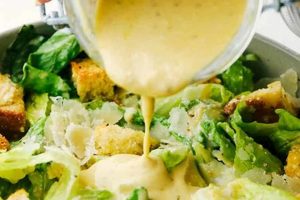
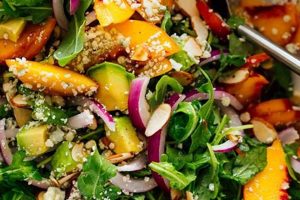
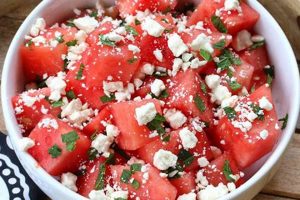
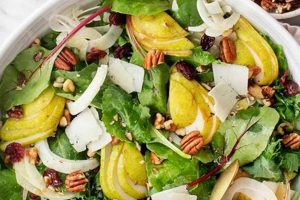
Individual salads served and eaten directly from spoons offer a convenient and elegant presentation. These miniature culinary creations often feature layered ingredients, ranging from classic combinations of vegetables, proteins, and dressings to more innovative and globally-inspired flavor profiles. Imagine a single spoon holding a vibrant medley of grilled shrimp, avocado, mango, and a cilantro-lime vinaigrette a perfect example of this concept in action.
This approach to salad preparation offers numerous advantages. Portion control is simplified, making them ideal for catered events or individual meal prepping. The contained nature of the presentation keeps ingredients neatly arranged and prevents the typical salad sogginess that can occur from pre-mixing. Furthermore, the visual appeal is undeniable, transforming a simple salad into an eye-catching and sophisticated dish. While the precise origin of this presentation style is difficult to pinpoint, its popularity has grown significantly in recent years, driven by both practical considerations and the desire for visually appealing food.
This article will further explore the versatile world of individual salad presentations, covering topics such as recipe variations, ingredient selection, dressing choices, and tips for achieving a balanced and flavorful miniature salad. It also discusses the advantages of this format for different occasions, from casual lunches to elegant celebrations.
Tips for Creating Perfect Spoon Salads
Achieving balanced and visually appealing spoon salads requires attention to detail and a thoughtful approach to ingredient selection and assembly. The following tips offer guidance for crafting miniature salads that are both delicious and elegant.
Tip 1: Prioritize Firm Ingredients: Opt for ingredients that hold their shape well and won’t wilt or become watery. Examples include roasted vegetables, cooked grains, firm cheeses, and seared proteins. Avoid overly ripe fruits or delicate greens that may lose their structure quickly.
Tip 2: Consider Texture and Flavor Combinations: Aim for a variety of textures within each spoonful, from creamy avocados to crunchy nuts or seeds. Balance flavors thoughtfully, incorporating contrasting elements like sweet and savory, or spicy and tangy.
Tip 3: Choose the Right Spoon: Select spoons of appropriate size and shape. Chinese soup spoons or demitasse spoons offer a good balance between capacity and elegance. Avoid spoons that are too shallow or too deep.
Tip 4: Layer Strategically: Build the salad in layers, placing denser ingredients at the bottom and lighter, more delicate items on top. This helps maintain structure and prevents the salad from collapsing.
Tip 5: Dress Wisely: Use dressings sparingly to avoid sogginess. Thicker dressings or those with a gel-like consistency work well. Consider drizzling a small amount of dressing just before serving.
Tip 6: Garnish Thoughtfully: A well-chosen garnish can elevate the visual appeal and flavor profile. Fresh herbs, edible flowers, or a sprinkle of spice can add a finishing touch.
Tip 7: Prepare in Advance: Many components can be prepared ahead of time and assembled just before serving. Store ingredients separately and combine them at the last minute for optimal freshness and presentation.
By following these tips, one can create stunning spoon salads that are both visually appealing and packed with flavor. These miniature culinary creations offer a versatile and convenient way to enjoy a healthy and delicious meal.
This guide concludes with a collection of inspiring spoon salad recipes, demonstrating the versatility and potential of this unique presentation style. From classic combinations to innovative flavor profiles, these recipes provide a starting point for culinary exploration and enjoyment.
1. Ingredient Selection

Ingredient selection forms the foundation of a successful spoon salad recipe, directly impacting flavor, texture, visual appeal, and overall culinary experience. Careful consideration of ingredient characteristics ensures a balanced and harmonious final product.
- Flavor Profiles
Flavor profiles serve as the guiding principle. Complementary flavors enhance the overall taste experience, while contrasting flavors create intriguing complexity. For instance, pairing sweet mango with spicy chili creates a dynamic flavor profile, while combining creamy avocado with tangy lime offers a refreshing balance. Understanding these interactions allows for a deliberate and well-crafted taste experience within the confines of a single spoonful.
- Textural Variety
Textural variety elevates the sensory experience beyond flavor. Incorporating a mix of crunchy, creamy, and chewy elements adds depth and interest to each bite. Combining roasted chickpeas, creamy goat cheese, and succulent grapes provides a compelling textural contrast, demonstrating how different textures interact within the limited space of a spoon.
- Visual Presentation
Visual presentation plays a crucial role in the appeal of spoon salads. Vibrant colors and varied shapes create an eye-catching display, enhancing the dining experience. Utilizing colorful bell peppers, dark leafy greens, and bright red berries creates a visually stimulating presentation, showcasing the importance of color and shape in ingredient selection.
- Ingredient Durability
Ingredient durability ensures the structural integrity of the salad. Choosing ingredients that maintain their texture and shape prevents the salad from becoming soggy or collapsing. Selecting firm vegetables like cucumber and sturdy proteins like grilled chicken or shrimp ensures a pleasant eating experience and prevents the salad from becoming unappetizing.
By strategically combining ingredients based on flavor profiles, textural variety, visual appeal, and durability, spoon salad recipes transform into miniature culinary masterpieces. Each spoonful becomes a carefully curated bite, showcasing the power of thoughtful ingredient selection in creating a balanced and delightful sensory experience.
2. Flavor Balance

Flavor balance is paramount in a successful spoon salad recipe. The confined space of the spoon amplifies the impact of each ingredient, making harmonious flavor combinations crucial. A well-balanced spoon salad delivers a cohesive and satisfying taste experience within each bite, demonstrating culinary finesse and thoughtful recipe development. The following facets explore the key components of flavor balance in this context.
- The interplay of tastes
Spoon salads provide a unique platform to showcase the interplay of fundamental tastes: sweet, sour, salty, bitter, and umami. The limited quantity within each spoonful necessitates careful balancing of these elements. For example, the sweetness of roasted butternut squash can be balanced by the salty tang of feta cheese and the peppery bite of arugula. The interplay creates a dynamic flavor profile, highlighting the importance of each ingredient’s contribution.
- Balancing intensity
Balancing flavor intensity prevents any single ingredient from overpowering the others. Strong flavors should be used judiciously, complementing rather than dominating milder ingredients. A small amount of pungent blue cheese can add a sharp counterpoint to the sweetness of caramelized pears and the earthiness of walnuts, but too much would overwhelm the other flavors. This careful calibration ensures a harmonious and nuanced flavor profile.
- The role of acidity
Acidity plays a pivotal role in brightening and balancing flavors. A touch of acidity can cut through richness, enhancing the overall taste experience. A vinaigrette with lemon juice or a splash of balsamic vinegar can lift the flavors of a spoon salad featuring roasted vegetables and creamy goat cheese, preventing the dish from feeling heavy or overly rich. The acidity provides a refreshing contrast and ties the other flavors together.
- Layering flavors through preparation techniques
Different preparation techniques can influence flavor development and create layers of complexity within a spoon salad. Roasting vegetables intensifies their sweetness, while grilling imparts a smoky char. Pickling adds tanginess, and marinating infuses ingredients with aromatic complexity. Combining roasted sweet potatoes, pickled onions, and grilled halloumi cheese in a single spoonful delivers a layered flavor experience, highlighting the impact of preparation techniques on the overall taste.
By carefully considering the interplay of tastes, balancing flavor intensities, incorporating acidity strategically, and utilizing various preparation techniques, spoon salad recipes achieve a harmonious flavor profile. This meticulous approach elevates the dining experience, transforming each spoonful into a balanced and delectable culinary composition. The confined space of the spoon necessitates this precise approach, showcasing the importance of flavor balance in miniature cuisine.
3. Texture Variation

Texture variation significantly contributes to the enjoyment of spoon salad recipes. The interplay of different textures within a single bite elevates the sensory experience, creating a more dynamic and engaging culinary encounter. This element of surprise and contrast prevents monotony, transforming a simple salad into a multi-faceted tasting experience. Consider a spoon containing creamy avocado, crunchy toasted pepitas, and succulent grilled shrimp. The contrast between smooth, crisp, and tender textures creates a more stimulating and satisfying mouthful than a homogenous blend of similarly textured ingredients. This textural diversity keeps the palate engaged and interested.
Spoon salads, due to their small size, benefit greatly from strategic texture variation. Each bite represents a significant portion of the overall dish; therefore, maximizing textural contrast within each spoonful is essential. A variety of textures adds depth and complexity to the limited space, creating a more substantial and satisfying culinary experience. The thoughtful incorporation of contrasting textures transforms a simple collection of ingredients into a carefully composed and engaging dish. For example, including crispy wonton strips alongside tender poached chicken and silky edamame creates a more memorable and satisfying spoonful. This intentional layering of textures elevates the spoon salad beyond a simple combination of flavors.
Understanding the impact of texture variation allows for more intentional and effective recipe development. Chefs and home cooks can leverage textural contrast to create more dynamic and appealing spoon salads. Crispy elements, creamy components, and tender ingredients can be strategically combined to create a symphony of textures within each bite. This understanding elevates spoon salad creation from a simple assembly process to a considered culinary endeavor. Successfully incorporating textural variety demonstrates culinary expertise and enhances the overall dining experience, solidifying the importance of texture variation in spoon salad recipes.
4. Presentation Aesthetics
Presentation aesthetics play a crucial role in the success of a spoon salad recipe. Visual appeal significantly enhances the dining experience, transforming a simple dish into an elegant and appetizing culinary creation. The small scale of the spoon necessitates a focused approach to presentation, maximizing visual impact within a limited space. The arrangement of ingredients, the choice of spoon, and the use of garnishes all contribute to the overall aesthetic. A spoon salad featuring neatly layered avocado, smoked salmon, and crme frache, presented on a sleek ceramic spoon and garnished with a sprig of dill, exemplifies this attention to detail. The visual appeal stimulates appetite and elevates the perceived value of the dish.
The connection between presentation aesthetics and the spoon salad recipe extends beyond mere visual appeal. Thoughtful presentation communicates care and attention to detail, enhancing the perceived quality of the dish. A well-presented spoon salad suggests a higher level of culinary skill and creativity, even with simple ingredients. For instance, arranging colorful vegetables in a visually appealing pattern, rather than simply piling them onto a spoon, demonstrates culinary artistry. This attention to aesthetics elevates the dining experience, transforming a casual meal into a more sophisticated and enjoyable occasion. Furthermore, visually appealing food is often more enticing, encouraging consumption and appreciation of diverse flavors and ingredients. A beautifully presented spoon salad can make healthy eating more appealing, especially for those who may be hesitant to try new foods.
Understanding the significance of presentation aesthetics within the context of spoon salad recipes allows for a more holistic approach to recipe development. Considering visual elements alongside flavor and texture enhances the overall impact of the dish. Chefs and home cooks can leverage presentation techniques to elevate their creations, transforming simple ingredients into visually stunning and flavorful culinary experiences. This understanding also allows for greater creativity and innovation in recipe development, pushing the boundaries of what can be achieved within the confines of a spoon. Challenges in maintaining structural integrity and visual appeal during service can be addressed through careful ingredient selection and thoughtful presentation techniques. Ultimately, recognizing the importance of presentation aesthetics enhances the enjoyment and appreciation of spoon salads, transforming them from simple appetizers into miniature works of art.
5. Portion Control

Portion control and spoon salad recipes share an intrinsic connection. The inherent nature of serving individual portions on spoons offers a built-in mechanism for managing intake. This characteristic makes spoon salads a valuable tool for individuals seeking to regulate consumption for dietary or health reasons. Consider a weight management program where precise calorie counting is crucial. Spoon salads provide a convenient and visually appealing way to pre-portion meals, eliminating the guesswork often associated with larger, shared salads. This inherent portion control simplifies dietary adherence and promotes mindful eating habits. Furthermore, the small size encourages savoring each bite, enhancing the overall dining experience while promoting satiety with smaller quantities.
This inherent portion control extends beyond individual dietary management. In catering scenarios, spoon salads offer predictable portioning for event planning and cost control. A set number of spoons translates directly to ingredient quantities, streamlining preparation and minimizing food waste. This predictability simplifies logistics and contributes to a more sustainable approach to catering. Additionally, the individual portions enhance hygiene and minimize cross-contamination, factors of increasing importance in contemporary food service. This aspect contributes to both guest safety and a perception of higher quality service. From a culinary perspective, the controlled portion size allows chefs to showcase intricate flavor combinations and textural contrasts within a defined space. Each spoonful becomes a carefully curated culinary experience, maximizing impact and minimizing waste.
The practical significance of understanding the relationship between portion control and spoon salad recipes is substantial. It empowers individuals to manage dietary intake effectively, simplifies catering logistics, and enhances the overall dining experience. While challenges may arise in adapting recipes designed for larger quantities to the spoon format, the benefits in terms of portion control, presentation, and culinary creativity outweigh these considerations. The inherent portion control offered by spoon salads makes them a valuable tool for both home cooks and professional chefs seeking to create visually appealing, flavorful, and portion-conscious culinary experiences.
6. Recipe Adaptability
Recipe adaptability represents a significant advantage of the spoon salad format. The inherent flexibility of this presentation allows for a wide range of culinary interpretations, accommodating diverse dietary needs, ingredient availability, and creative impulses. This adaptability extends beyond simple ingredient substitutions and encompasses variations in flavor profiles, textures, and cultural influences. Exploring this adaptability reveals the versatility and potential of the spoon salad as a culinary canvas.
- Dietary Modifications
Spoon salads readily accommodate dietary restrictions and preferences. Vegetarian, vegan, gluten-free, and other specialized diets can be easily catered to by substituting or omitting specific ingredients. A traditional Caprese spoon salad can be transformed into a vegan option by replacing mozzarella with a plant-based alternative. This adaptability makes spoon salads an inclusive and versatile option for diverse dining situations.
- Seasonal Ingredient Utilization
Spoon salads provide a platform for showcasing seasonal ingredients. Recipes can be adapted to incorporate readily available produce, maximizing freshness and flavor while minimizing environmental impact. A spring-inspired spoon salad might feature fresh asparagus, peas, and feta cheese, while a fall version could incorporate roasted butternut squash, cranberries, and pecans. This adaptability aligns with sustainable culinary practices and allows for continuous culinary exploration throughout the year.
- Cultural Adaptations
Spoon salads offer a unique opportunity to explore global cuisines. Traditional flavor combinations and ingredients can be adapted to the spoon format, creating miniature culinary journeys. A spoon salad inspired by Thai cuisine might feature shredded green papaya, peanuts, chili, and lime dressing, while a Mediterranean-inspired version could incorporate olives, feta cheese, and sun-dried tomatoes. This adaptability allows for culinary exploration and cross-cultural exchange within a single bite.
- Creative Flavor Combinations
The spoon salad format encourages culinary creativity. Chefs and home cooks can experiment with diverse flavor profiles and ingredient combinations, pushing the boundaries of traditional salad recipes. A spoon salad featuring grilled octopus, chorizo, and smoked paprika aioli demonstrates the potential for bold and unexpected flavor pairings. This adaptability fosters culinary innovation and transforms the spoon salad into a platform for culinary expression.
The adaptability inherent in spoon salad recipes unlocks a world of culinary possibilities. From accommodating dietary needs to showcasing seasonal ingredients and exploring global cuisines, the spoon salad format adapts to a variety of culinary contexts. This versatility establishes the spoon salad as more than just a presentation style; it becomes a flexible and adaptable culinary tool, empowering both professional chefs and home cooks to create personalized and innovative dining experiences.
7. Ease of Preparation

Ease of preparation significantly contributes to the appeal of spoon salad recipes. The inherent simplicity of assembling pre-prepared ingredients into individual portions streamlines the cooking process, making spoon salads an attractive option for both casual meals and larger gatherings. This efficiency stems from the ability to prepare components in advance, reducing on-the-spot assembly time. Consider a busy weeknight dinner. Pre-cooked quinoa, roasted vegetables, and grilled chicken can be combined quickly and easily into individual spoons, creating a nutritious and flavorful meal with minimal effort. This streamlined approach contrasts sharply with the more elaborate preparation often associated with composed salads or multi-course meals.
The practical implications of this ease of preparation extend beyond individual meals. In catering or event settings, spoon salads offer a logistically advantageous solution. Pre-portioned ingredients can be assembled efficiently on-site, minimizing labor costs and ensuring consistent presentation. Imagine a corporate luncheon requiring a large number of individual salads. Spoon salads eliminate the need for on-site chopping, tossing, and plating, freeing up catering staff to focus on other aspects of the event. This efficiency translates to cost savings and a more streamlined service process. Furthermore, the individual portions minimize the risk of cross-contamination and simplify portion control, contributing to both food safety and efficient resource management. This aspect is particularly crucial in large-scale catering operations where hygiene and portioning are paramount.
The connection between ease of preparation and spoon salad recipes hinges on the inherent efficiency of the format. This efficiency simplifies meal preparation for individuals and streamlines catering logistics for larger events. While some recipes may require more complex component preparation, the final assembly remains straightforward. Understanding this connection allows for strategic recipe development, maximizing efficiency without sacrificing flavor or presentation. This recognition empowers both home cooks and professional chefs to create impressive and delicious spoon salads with minimal effort, further solidifying the appeal of this versatile culinary format.
Frequently Asked Questions
This section addresses common inquiries regarding spoon salad recipes, providing concise and informative responses to facilitate a deeper understanding of this culinary approach.
Question 1: What occasions are most suitable for serving spoon salads?
Spoon salads are versatile and suitable for a wide range of occasions, from casual lunches and picnics to elegant cocktail parties and formal dinners. Their adaptability makes them an appropriate choice for both intimate gatherings and larger events.
Question 2: Can spoon salads be prepared in advance?
Many components of spoon salads can be prepared in advance and assembled shortly before serving. Storing components separately helps maintain optimal freshness and prevents premature wilting or sogginess. Certain ingredients, however, like delicate herbs or crispy garnishes, are best added immediately before presentation.
Question 3: What types of spoons are recommended for serving spoon salads?
Chinese soup spoons, demitasse spoons, or other similarly sized spoons are generally recommended. The spoon should be large enough to hold a balanced portion of ingredients but small enough to be eaten in a single bite. The choice of spoon material can also contribute to the overall presentation, with options ranging from classic ceramic and stainless steel to more contemporary materials like bamboo or biodegradable options.
Question 4: How can one prevent spoon salads from becoming watery?
Selecting ingredients with a firm texture and avoiding overly watery dressings are key to preventing sogginess. Additionally, assembling the salads close to serving time helps maintain the integrity of the ingredients. Utilizing thicker dressings or incorporating a layer of a relatively dry ingredient, such as couscous, can also absorb excess moisture.
Question 5: Are there specific dietary considerations when creating spoon salads?
Spoon salads offer excellent adaptability for various dietary requirements. Substituting ingredients allows for easy customization to accommodate vegetarian, vegan, gluten-free, or other specialized diets. Careful attention to ingredient selection ensures that the final product meets specific dietary needs without compromising flavor or presentation.
Question 6: What are some creative ways to present spoon salads?
Presentation options extend beyond simply arranging ingredients on a spoon. Consider serving spoon salads on chilled platters, nestled in beds of ice, or displayed on tiered stands for a visually impactful presentation. Garnishes, such as microgreens, edible flowers, or a sprinkle of spice, can further enhance the aesthetic appeal. The choice of presentation should complement the overall theme and style of the event.
These frequently asked questions provide a foundational understanding of spoon salad recipes, addressing practical considerations and offering insights into the versatility and adaptability of this culinary format.
The following section offers a curated collection of spoon salad recipes, demonstrating the practical application of the principles discussed throughout this article.
Spoon Salad Recipes
Spoon salad recipes offer a versatile and innovative approach to salad preparation and presentation. This exploration has highlighted the key elements contributing to successful spoon salad creation, from ingredient selection and flavor balance to presentation aesthetics and portion control. The adaptability of this format, coupled with its inherent ease of preparation, positions spoon salads as a valuable culinary tool for both home cooks and professional chefs. The analysis of texture variation, dietary modifications, and cultural adaptations underscores the potential of spoon salad recipes to transcend mere presentation and become a platform for culinary creativity and expression.
The inherent elegance and practicality of spoon salad recipes position them for continued growth in culinary trends. Further exploration of flavor profiles, ingredient combinations, and presentation techniques promises to unlock even greater potential within this format. Spoon salad recipes represent not just a passing trend, but a testament to the enduring appeal of innovative and adaptable culinary solutions. This approach allows for a more mindful and engaging dining experience, transforming a simple salad into a carefully curated culinary creation.