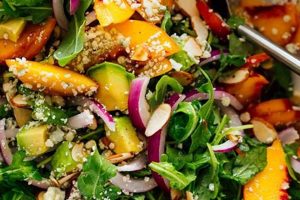
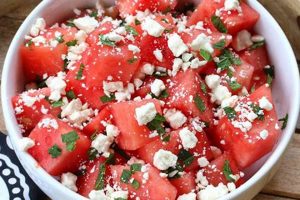
A simple dish featuring fresh, sliced tomatoes and basil leaves, often dressed with olive oil, balsamic vinegar, salt, and pepper, exemplifies a classic summer salad. Variations may include other ingredients such as mozzarella cheese, garlic, red onion, or olives. This type of salad highlights the natural flavors of ripe produce.
Such salads offer a refreshing and nutritious option, providing vitamins, minerals, and antioxidants. The combination of tomatoes and basil is not only flavorful but also visually appealing. Historically, simple tomato salads gained popularity as tomatoes became more widely cultivated and accessible. This culinary tradition continues to be appreciated for its fresh, vibrant taste and ease of preparation.
The following sections will delve into specific variations, offering detailed instructions, ingredient lists, and tips for achieving optimal flavor and presentation. Further exploration will address the selection and preparation of ingredients, as well as nutritional information and potential health benefits.
Tips for a Perfect Tomato and Basil Salad
Achieving optimal flavor and presentation requires attention to detail throughout the preparation process. The following tips offer guidance for creating a truly exceptional salad.
Tip 1: Ingredient Selection is Key: Opt for ripe, flavorful tomatoes. Heirloom varieties offer a diverse range of colors and tastes. Fresh basil is essential; look for vibrant leaves free from blemishes.
Tip 2: Proper Tomato Preparation: Slice tomatoes evenly to ensure uniform flavor distribution and appealing presentation. Larger tomatoes can be cut into wedges, while smaller varieties can be halved or quartered.
Tip 3: Enhancing Basil Flavor: Gently tear basil leaves rather than chopping them to prevent bruising and preserve their delicate aroma.
Tip 4: Balancing Flavors with Dressing: Use high-quality olive oil and balsamic vinegar. A simple vinaigrette enhances the natural sweetness of the tomatoes and the peppery notes of the basil.
Tip 5: Seasoning Appropriately: Season with sea salt and freshly cracked black pepper to elevate the flavors of the other ingredients. Adjust seasoning to taste.
Tip 6: Timing is Crucial: Dress the salad just before serving to prevent the tomatoes from becoming soggy and the basil from wilting.
Tip 7: Consider Flavorful Additions: Enhance the salad with complementary ingredients such as fresh mozzarella, slivers of red onion, or Kalamata olives. Garlic can be added to the dressing for a more pungent flavor.
By following these guidelines, one can create a salad that maximizes the flavors and textures of fresh, high-quality ingredients. The result is a simple yet elegant dish.
The concluding section offers variations on this classic salad, providing inspiration for culinary exploration.
1. Fresh, Ripe Tomatoes
Fresh, ripe tomatoes form the foundation of a successful tomato and basil salad. Tomato quality directly impacts the overall flavor profile of the dish. A ripe tomato offers a balance of sweetness and acidity, contributing juiciness and textural complexity. Underripe tomatoes lack flavor and can possess an undesirable firmness, while overripe tomatoes may be mealy or excessively acidic, detracting from the intended fresh taste. For example, a vibrant red heirloom tomato at peak ripeness provides a burst of flavor that complements the basil and other ingredients, whereas a pale, underripe tomato offers little taste and a less enjoyable texture.
The importance of selecting fresh, ripe tomatoes extends beyond mere taste. These tomatoes contain higher concentrations of beneficial nutrients and antioxidants. The vibrant color of a ripe tomato signifies the presence of lycopene, a potent antioxidant associated with various health benefits. Furthermore, the naturally occurring sugars and acids in a fully ripened tomato contribute to a more balanced and satisfying flavor profile. Practical application of this understanding involves careful selection at the point of purchase. Look for tomatoes with vibrant color, a slight give to the touch, and a fragrant aroma.
Ultimately, prioritizing fresh, ripe tomatoes ensures a superior culinary experience. Challenges in sourcing optimal produce can be mitigated by considering seasonal availability and exploring local farmers’ markets. This emphasis on ingredient quality aligns with the broader theme of creating a simple yet flavorful dish that highlights the natural taste of fresh produce. Investing time in selecting the best tomatoes elevates the entire salad, demonstrating the profound impact of quality ingredients on the final product.
2. High-Quality Olive Oil

High-quality olive oil plays a crucial role in a tomato and basil salad recipe, elevating the dish beyond a simple combination of ingredients. Its contribution extends beyond mere dressing; it acts as a flavor enhancer and a unifying element that harmonizes the other components. Selecting the right olive oil significantly impacts the overall sensory experience.
- Flavor Complexity:
High-quality extra virgin olive oil possesses a complex flavor profile, often described as fruity, peppery, or grassy. These nuanced flavors complement the sweetness of ripe tomatoes and the peppery notes of fresh basil, creating a balanced and harmonious taste. Lower-quality olive oils may lack these distinct characteristics or even introduce undesirable flavors that detract from the freshness of the salad. For instance, a robust Tuscan olive oil with peppery notes can enhance the salad’s overall vibrancy, while a bland, refined olive oil would fail to contribute meaningfully to the flavor profile.
- Texture and Mouthfeel:
The texture of olive oil contributes to the salad’s overall mouthfeel. High-quality olive oil has a smooth, velvety texture that coats the palate, enhancing the sensory experience. This luxurious mouthfeel complements the juicy tomatoes and tender basil leaves, creating a harmonious textural interplay. A lower-quality oil may have a thinner, less appealing texture.
- Aroma:
The aroma of olive oil is a key component of the overall sensory experience. A high-quality extra virgin olive oil offers a distinct, fragrant aroma that complements the fresh scents of tomatoes and basil. This aromatic complexity enhances the enjoyment of the salad, stimulating the senses before the first bite. Conversely, a lower-quality oil might have a neutral or even unpleasant aroma, diminishing the overall appeal of the dish.
- Health Benefits:
Beyond flavor and texture, high-quality extra virgin olive oil provides health benefits. Rich in monounsaturated fats and antioxidants, it contributes to the nutritional value of the salad. These health benefits align with the broader emphasis on fresh, wholesome ingredients in the tomato and basil salad. Choosing high-quality olive oil adds both flavor and nutritional value, enhancing the overall healthfulness of the dish.
The selection of high-quality olive oil is thus an essential consideration in preparing a tomato and basil salad. Its impact on flavor, texture, aroma, and nutritional value underscores its integral role in achieving a truly exceptional dish. This conscious choice elevates the simple combination of tomatoes and basil, transforming it into a culinary experience that delights the senses and nourishes the body.
3. Fragrant Basil Leaves

Fragrant basil leaves are essential to a tomato and basil salad recipe, contributing significantly to the overall sensory experience. Their aromatic presence complements the other ingredients, elevating the dish beyond a simple combination of flavors. Understanding the nuances of basil selection and preparation is crucial for maximizing its impact.
- Cultivar Selection:
Various basil cultivars exist, each possessing unique aromatic characteristics. Sweet basil, with its classic anise-clove scent, is a popular choice. Other options, such as lemon basil or Thai basil, offer distinct citrus or licorice notes, respectively. Selecting the appropriate cultivar allows for customization of the salad’s aromatic profile. For example, lemon basil can create a brighter, more citrusy salad, while sweet basil provides a more traditional flavor profile. Careful consideration of cultivar selection enhances the overall complexity of the dish.
- Freshness and Quality:
Freshness significantly impacts the aromatic intensity of basil. Vibrant green leaves, free from blemishes or bruising, indicate optimal quality. Wilted or discolored leaves often signify a loss of essential oils, diminishing their aromatic contribution. Sourcing fresh, high-quality basil ensures the most potent flavor and aroma, enhancing the overall sensory experience. For instance, freshly picked basil from a local market offers superior flavor compared to pre-packaged basil that may have been stored for extended periods. Prioritizing freshness guarantees the most impactful basil flavor in the finished salad.
- Preparation Techniques:
Proper handling of basil leaves preserves their delicate aroma. Tearing leaves by hand, rather than chopping them with a knife, minimizes bruising and oxidation, which can negatively affect flavor. Gentle tearing also releases the essential oils responsible for the characteristic basil aroma. This technique maximizes the aromatic contribution of the basil, ensuring its full impact on the salad. Chopping basil can result in a bruised appearance and diminished flavor, highlighting the importance of proper handling techniques.
- Synergistic Flavor Pairing:
The aromatic compounds in basil complement the other ingredients in the salad, creating a synergistic flavor profile. The peppery, slightly sweet notes of basil harmonize with the acidity of the tomatoes and the richness of the olive oil. This interplay of flavors enhances the overall complexity and balance of the dish. The absence of fresh basil would leave a noticeable void in the flavor profile, demonstrating its essential role in the overall composition of the salad. This synergistic relationship underscores the careful selection and preparation of basil.
The selection, handling, and aromatic characteristics of basil leaves significantly impact the overall quality of a tomato and basil salad. Attention to these details elevates the dish, demonstrating the crucial role of fresh, fragrant basil in creating a truly exceptional culinary experience. The interplay of basil’s aroma with the other ingredients underscores its essential contribution to the salad’s overall success.
4. Balsamic Vinegar
Balsamic vinegar contributes a crucial acidic element to a tomato and basil salad recipe, balancing the sweetness of ripe tomatoes and enhancing the overall flavor profile. Its complex flavor profile and unique characteristics make it an essential component, adding depth and complexity to the dish. Understanding its role and influence provides valuable insight into the creation of a well-balanced and flavorful salad.
- Acidity and Balance:
The primary role of balsamic vinegar in this context lies in its acidity. It counterbalances the natural sweetness of ripe tomatoes, preventing the salad from becoming overly saccharine. This balance of sweet and acidic flavors is fundamental to a well-rounded palate experience. For instance, the sharpness of a good balsamic vinegar cuts through the rich sweetness of heirloom tomatoes, creating a more nuanced and enjoyable taste.
- Flavor Complexity:
Beyond simple acidity, balsamic vinegar offers a complex flavor profile developed through aging. Notes of caramel, molasses, or even fig can be present, depending on the vinegar’s age and production method. These nuanced flavors add depth and complexity to the salad, complementing the herbaceous notes of basil and the sweetness of tomatoes. A high-quality, aged balsamic vinegar can introduce subtle sweetness and depth, enhancing the overall flavor composition compared to a standard balsamic vinegar.
- Texture and Viscosity:
Balsamic vinegar possesses a unique viscosity that contributes to the salad’s overall texture. It lightly coats the other ingredients, adding a subtle richness and enhancing the mouthfeel. This textural element further distinguishes balsamic vinegar from other acidic options, such as simple wine vinegar or lemon juice, which lack the same body and richness. The viscous nature of balsamic vinegar allows it to cling to the tomatoes and basil, ensuring even flavor distribution throughout the salad.
- Visual Appeal:
The dark, rich color of balsamic vinegar enhances the visual appeal of the salad. It creates an attractive contrast against the vibrant red of the tomatoes and the deep green of the basil, adding a touch of visual interest. This visual element, while often overlooked, contributes to the overall presentation and enjoyment of the dish. The glossy sheen of balsamic vinegar further enhances the salad’s visual appeal, making it more appetizing.
The addition of balsamic vinegar to a tomato and basil salad is more than a simple flavoring; it represents a crucial balancing agent, a flavor enhancer, a textural component, and a visual element that contributes to a harmonious and complete culinary experience. Understanding its multifaceted role allows for a deeper appreciation of its importance in elevating this simple salad to a new level of sophistication. Its absence would result in a less balanced and less nuanced dish, highlighting the integral role balsamic vinegar plays in the recipe’s overall success.
5. Sea Salt and Pepper

Sea salt and freshly ground black pepper, seemingly simple seasonings, play a crucial role in elevating the flavor profile of a tomato and basil salad. Their considered application enhances the inherent flavors of the fresh ingredients, creating a balanced and harmonious taste experience. Understanding their individual contributions and combined effect is essential for achieving optimal results.
- Enhancing Natural Flavors:
Sea salt, with its subtle minerality, amplifies the natural sweetness of ripe tomatoes and the peppery, slightly anise-like notes of fresh basil. It acts as a flavor enhancer, drawing out the inherent characteristics of the core ingredients without overpowering their delicate balance. In contrast to standard table salt, sea salt often possesses a more complex flavor profile that complements the fresh produce. This enhancement of natural flavors is crucial for a salad that prioritizes the quality of its ingredients.
- Balancing Sweetness and Acidity:
The subtle saltiness of sea salt balances the sweetness of the tomatoes and the acidity of the balsamic vinegar, creating a harmonious interplay of flavors. This balance prevents the salad from leaning too heavily towards sweetness or acidity, ensuring a well-rounded and enjoyable taste experience. Proper seasoning with sea salt allows the other flavors to shine through without being overwhelmed by a single dominant taste.
- Adding Depth with Black Pepper:
Freshly ground black pepper introduces a layer of complexity to the salad. Its subtle heat and pungent aroma complement the other ingredients, adding a depth of flavor that enhances the overall sensory experience. Pre-ground pepper lacks the same aromatic intensity and flavor impact, emphasizing the importance of freshly grinding peppercorns just before serving. The addition of black pepper provides a subtle warmth and complexity that elevates the salad beyond a simple combination of fresh ingredients.
- Textural Considerations:
The coarse texture of sea salt provides a subtle textural element to the salad, contrasting with the smooth tomatoes and tender basil leaves. This textural variation enhances the overall sensory experience, adding a pleasant mouthfeel. Furthermore, the use of coarse sea salt allows for more controlled seasoning, as the larger crystals are easier to distribute evenly across the salad. This textural contribution, while subtle, plays a role in the overall enjoyment of the dish.
The combined effect of sea salt and freshly ground black pepper in a tomato and basil salad transcends simple seasoning. Their nuanced contributions highlight the importance of thoughtful ingredient selection and preparation in creating a dish that truly celebrates the flavors of fresh, high-quality produce. The seemingly simple act of seasoning elevates the entire salad, showcasing the transformative power of these fundamental culinary elements.
6. Optional additions (mozzarella, onion)

While a classic tomato and basil salad celebrates simplicity, optional additions can introduce further complexity and textural variation. Ingredients like mozzarella and onion offer distinct flavor profiles and textures that complement the core elements of the salad. Understanding these additions and their impact allows for customized variations on the traditional recipe.
- Fresh Mozzarella:
Fresh mozzarella contributes a creamy, milky richness that contrasts with the acidity of the tomatoes and the peppery basil. Its soft texture provides a textural counterpoint to the other ingredients. For example, small mozzarella balls, known as bocconcini, offer bite-sized portions that distribute evenly throughout the salad. The creamy mozzarella complements the juicy tomatoes and fragrant basil, creating a balanced and satisfying combination. The addition of mozzarella also adds a visual element with its stark white color contrasting against the red and green of the other components.
- Red Onion:
Red onion introduces a sharp, pungent flavor that balances the sweetness of the tomatoes. Its crisp texture adds another layer of complexity to the salad’s mouthfeel. Thinly sliced red onion minimizes the intensity of its flavor, ensuring it complements rather than overwhelms the other ingredients. The sharpness of red onion provides a counterpoint to the sweetness of the tomatoes and the creaminess of the mozzarella (if used). The vibrant purple hue of red onion further enhances the salad’s visual appeal.
- Other flavorful additions
Other ingredients, such as Kalamata olives or marinated artichoke hearts can further enhance the flavor and textural profile. Kalamata olives provide a salty, briny flavor and a meaty texture, while artichoke hearts offer a slightly tangy flavor and a firm texture. These additions introduce further complexity to the salad, expanding its flavor profile beyond the core ingredients.
- Balancing Flavors
When incorporating additional ingredients, it is crucial to maintain a balance of flavors. The additions should complement the core elements of tomato, basil, and balsamic vinaigrette, rather than overpowering them. For example, too much red onion can overwhelm the delicate flavors of the tomatoes and basil. A judicious use of additional ingredients ensures a harmonious and well-balanced salad.
These optional additions offer opportunities for customization and exploration, allowing for the creation of variations on the classic tomato and basil salad to suit individual preferences. Careful consideration of flavor profiles, textures, and overall balance ensures that these additions enhance the salad, transforming it from a simple dish into a more complex and nuanced culinary experience.
Frequently Asked Questions
This section addresses common inquiries regarding the preparation and enjoyment of tomato and basil salads.
Question 1: How can one ensure optimal ripeness when selecting tomatoes?
Look for tomatoes with vibrant color, a slight give to the touch, and a fragrant aroma. Avoid tomatoes with blemishes, bruises, or soft spots.
Question 2: What type of balsamic vinegar is recommended for this salad?
A high-quality balsamic vinegar, preferably aged, offers the most complex flavor profile. However, standard balsamic vinegar can also be used. Taste preferences may vary.
Question 3: Should the basil be chopped or torn?
Tearing basil leaves by hand preserves their delicate flavor and prevents bruising. Chopping can result in a less desirable texture and diminished aroma.
Question 4: Can other herbs be substituted for basil?
While basil is traditional, other herbs like oregano or marjoram can be used, though they will impart different flavor profiles.
Question 5: How long can the salad be stored?
It is best to consume the salad immediately after preparation to prevent the tomatoes from becoming watery and the basil from wilting. Refrigeration is not generally recommended.
Question 6: What are some suitable accompaniments to a tomato and basil salad?
This salad pairs well with grilled meats, fish, or crusty bread. It can also be served as a light lunch or appetizer.
Careful attention to ingredient selection and preparation techniques ensures a flavorful and enjoyable salad experience. Addressing these common questions provides a foundation for culinary success.
The following section explores variations on this classic salad, providing inspiration for customization and culinary creativity.
Tomato and Basil Salad Recipe
Exploration of this classic recipe reveals the importance of ingredient quality and careful preparation techniques. Emphasis on selecting ripe tomatoes, fresh basil, high-quality olive oil, and appropriate balsamic vinegar contributes significantly to the overall flavor profile. Proper handling of delicate ingredients, such as tearing basil leaves rather than chopping, preserves their aromatic integrity. Consideration of optional additions, like fresh mozzarella or red onion, provides opportunities for customization and flavor complexity, while maintaining a balanced composition remains crucial. Addressing common inquiries regarding ingredient selection, preparation methods, and storage further clarifies the essential elements of a successful outcome.
The enduring appeal of this simple yet elegant salad lies in its ability to showcase the natural flavors of fresh, high-quality ingredients. Continued appreciation for this culinary tradition underscores the power of simplicity and the importance of thoughtful preparation in achieving a truly exceptional dining experience. Further exploration of variations and regional adaptations offers a path for continued culinary discovery and an appreciation for the versatility of this timeless dish.